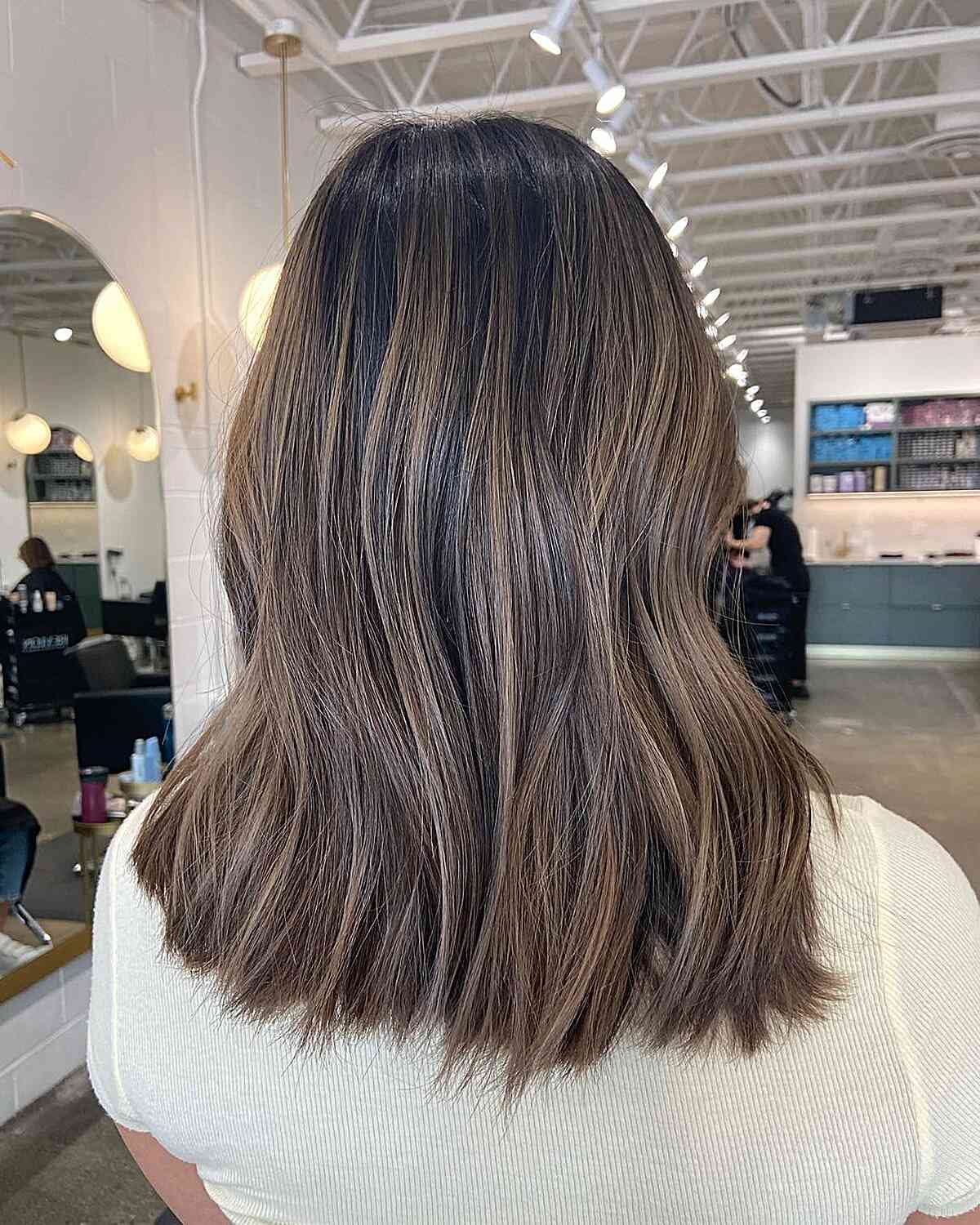
Achieving and Maintaining the Perfect Ash Brown Hair Color in 2026
Ash brown hair is a cool-toned, multidimensional brunette shade characterized by grey, silver, or blue undertones that effectively neutralize warmth. Achieving this look requires a precise color theory approach, as the hair must be lig...
Ash brown hair is a cool-toned, multidimensional brunette shade characterized by grey, silver, or blue undertones that effectively neutralize warmth. Achieving this look requires a precise color theory approach, as the hair must be lightened to a specific level to accommodate ash pigments, which otherwise struggle to remain visible against natural underlying red or orange tones.
Contents
The Science of Cool-Toned Brunette Pigmentation
At the heart of the ash brown spectrum is the objective to eliminate brassiness. Natural hair, when lightened, typically exposes underlying warmth—red at darker levels and orange at mid-levels. Ash brown hair works by depositing green or blue-violet pigments into the hair shaft, which sit opposite on the color wheel to the unwanted warm tones.
When your colorist approaches an ash brown transformation, they follow the Standard Level System (1–10). For a true ash brown result, the hair is generally lifted to a level 5 or 6 (light brown) to ensure that the ash deposit is not "swallowed" by darker, naturally warm pigments. If the underlying hair has significant red buildup, a pre-lightening treatment or a specialized demi-permanent color glaze is often required to bridge the gap between your starting shade and the target cool ash.
Necessary Prerequisites for Ash Brown Transitions
Before committing to this color in 2026, you must assess the structural integrity of your hair. Cool-toned dyes are notoriously less forgiving than warm-toned dyes. If your hair is highly porous due to prior chemical processing or heat damage, the ash tones may grab unevenly, leading to patches of muddy grey or green.
Preparation Checklist for Color Appointments
- Clarification: Use a professional-grade clarifying shampoo one week before your appointment to remove mineral buildup and silicone residue that can block color absorption.
- Structural Bonding: Incorporate a bond-building treatment into your regimen at least two weeks prior to the color session to reinforce the cuticle.
- Patch Testing: Always request a strand test to determine how your specific melanin profile reacts to ash-toning agents.
- Moisture Equilibrium: Ensure your hair is sufficiently hydrated. Dry, thirsty hair absorbs color unevenly, often leading to rapid fading of the cooling agents.
Strategic Comparison of Coloring Techniques
Selecting the right technique depends on your maintenance tolerance and your desired aesthetic intensity. The following table compares the most common professional methods for achieving ash brown hair as of 2026.
| Technique | Maintenance Requirement | Depth of Color | Ideal Candidate |
|---|---|---|---|
| Global Permanent Dye | Moderate (6–8 weeks) | Solid, uniform | Virgin hair, uniform base |
| Balayage Ash Toning | Low (3–4 months) | Dimensional, natural | Those seeking low-commitment |
| Full Ash Glaze/Gloss | High (4–6 weeks) | Sheer, high-shine | Those with existing light-brown hair |
| Root Smudging | Moderate (8–10 weeks) | Soft, shadowed root | Clients wanting a soft grow-out phase |
Maintenance Protocols for Long-Lasting Ash Tones
The most common failure point for ash brown hair is the "fading to warm" cycle. Because ash molecules are physically smaller than warmer-toned molecules, they are the first to wash out of the hair shaft. To preserve the cool integrity of your hair throughout 2026, you must adjust your home-care routine.
Essential Home-Care Requirements
- Blue-Based Conditioning: Use a blue or purple-pigmented shampoo (depending on your specific shade of ash) once weekly to neutralize residual warmth as it emerges.
- Thermal Protection: Cool tones appear duller than warm tones when the hair cuticle is roughened. Use a high-quality thermal protectant before using hot tools to keep the cuticle flat and reflective.
- Hard Water Filtration: If you live in an area with hard water, the minerals (calcium and magnesium) will react with the ash dye to create a greenish cast. Installing a showerhead filter is a standard professional recommendation for maintaining long-term hair health and color fidelity.
- Low-Temperature Washing: Always rinse hair with lukewarm or cool water. Hot water opens the cuticle, allowing your carefully deposited ash pigments to escape prematurely.
Addressing Common Hair Color Challenges
Even with perfect execution, external factors can alter the appearance of your ash brown hair. If you notice your color shifting, use these corrective strategies:
Troubleshooting Green Tones If your hair takes on a faint green hue, it is likely that the ash pigment was too intense for your specific level of hair or that you have heavy mineral buildup. To resolve this, use a chelating shampoo to strip the mineral deposits, or visit your stylist for a "red-gold filler" gloss that adds a microscopic amount of warmth back to the hair to balance the green.
Combatting Premature Brassiness If your hair turns orange or yellow quickly, the blue pigments in your styling products are likely not potent enough for your current porosity level. Increase the frequency of your blue-pigmented hair mask treatments to twice a week, or consult with your colorist to switch to a demi-permanent toner with a higher saturation of violet pigments.
Frequently Asked Questions
Is ash brown hair suitable for all skin undertones? Ash brown is traditionally considered a "cool" color, which complements cool or neutral skin undertones best. However, a skilled stylist can adjust the depth of the ash—creating a "mushroom brown" or "smoky brunette"—to ensure the color does not clash with warm-toned skin by balancing the ash with a soft, neutral base.
How often do I need to re-tone ash brown hair? To keep your color vibrant and perfectly toned, you should schedule a professional glaze or gloss appointment every 4 to 6 weeks. This service refreshes the cool pigments without requiring a full-strength permanent color application, which protects your hair from unnecessary chemical damage.
Can I achieve ash brown hair at home? Box dyes marketed as "ash" often contain a flat, grey base that can result in a muddy or unexpectedly dark outcome on pre-colored hair. Professional colorists use corrective color theory to adjust the formula based on your hair’s porosity and current color history, which is why a salon visit is strongly advised for this specific shade.
What is the difference between ash brown and mushroom brown? Ash brown is a broad category of cool-toned brunette, while mushroom brown is a specific, trendy iteration that incorporates grey and taupe highlights to mimic the multidimensional appearance of a portobello mushroom. Both require similar maintenance, but mushroom brown relies heavily on balayage or foil placement for dimension.
Does ash brown hair damage the hair more than other colors? The color itself is not inherently more damaging; however, because the hair must often be lightened to a level where the cool tones can show, the mechanical process of lifting the hair can cause dryness. Using professional bond-strengthening products during the coloring process is essential to maintaining hair health.
Professional Consultation
Achieving the perfect ash brown shade is a balance of art and chemistry. If you are ready to transition your look, book a consultation with a colorist specializing in brunettes. Ensure they assess your hair porosity and current shade history to create a custom formulation tailored to your specific hair structure. Prioritizing a professional, salon-grade maintenance routine is the most effective way to ensure your color remains cool and vibrant throughout the year.
Image Gallery