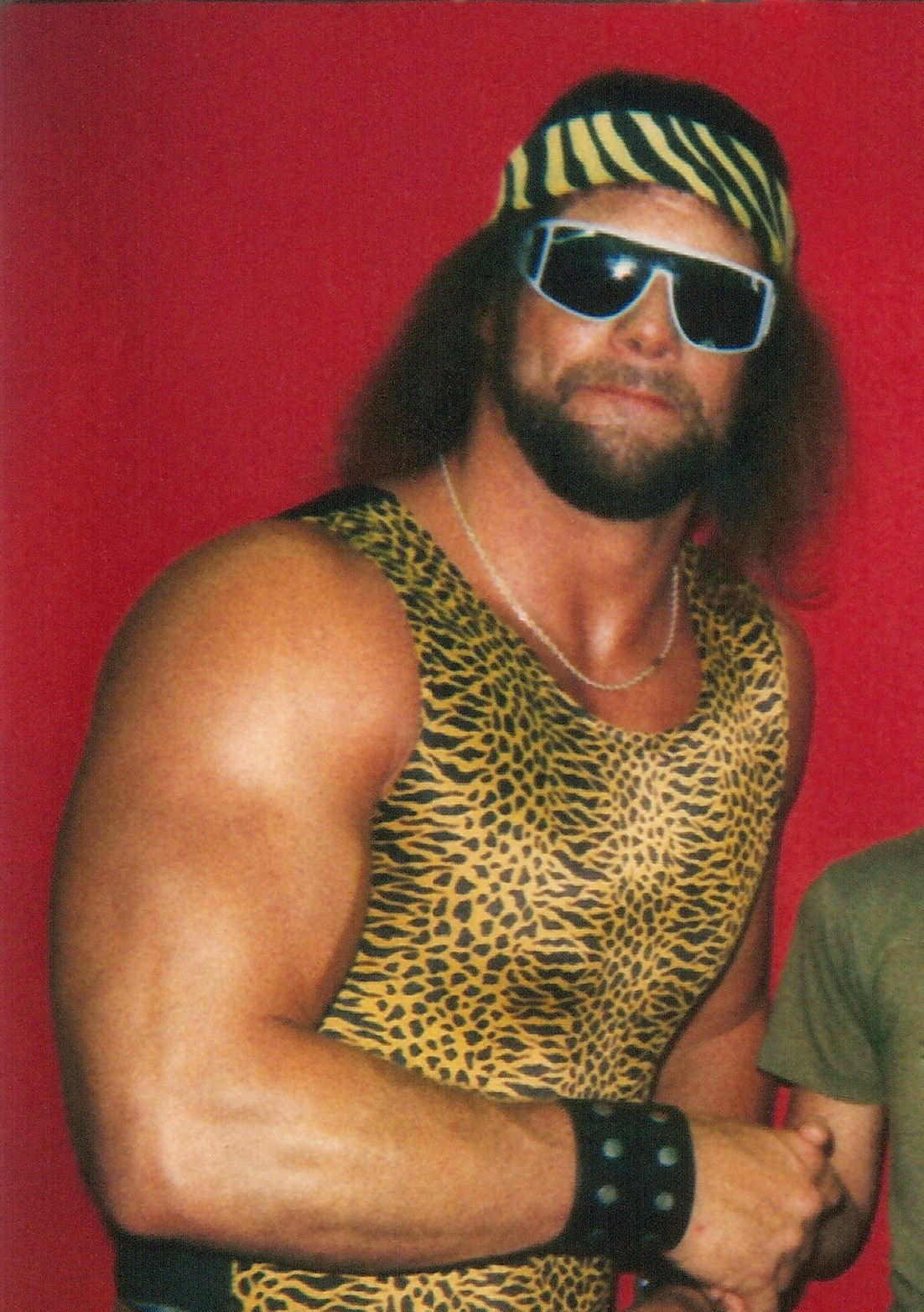
Randy Savage Net Worth at Death
At the time of his passing on May 20, 2011, Randy "Macho Man" Savage had an estimated net worth of $8 million to $10 million. This wealth was the result of a multi-decade career in professional wrestling, lucrative long-term commercial...
At the time of his passing on May 20, 2011, Randy "Macho Man" Savage had an estimated net worth of $8 million to $10 million. This wealth was the result of a multi-decade career in professional wrestling, lucrative long-term commercial endorsements, and a disciplined approach to financial management that stood in stark contrast to many of his contemporaries.
Contents
Randy Mario Poffo, known to millions as the "Macho Man," was a transformative figure in sports entertainment. Unlike many professional wrestlers who faced financial instability after their time in the ring, Savage maintained a substantial estate. His fortune was built on top-tier salaries from the World Wrestling Federation (WWF) and World Championship Wrestling (WCW), a legendary partnership with Slim Jim, and strategic investments in real estate and personal assets.
The Financial Architecture of the "Macho Man"
The estimation of Randy Savage’s net worth at $8 million to $10 million is grounded in his status as a "top-draw" performer during the peak of the wrestling industry’s expansion. During the 1980s and 1990s, Savage was one of the few athletes capable of headlining pay-per-view events and driving massive merchandise sales.
Savage’s financial success was not merely a byproduct of his high earnings but also his reputation for being exceptionally frugal and business-minded. His father, Angelo Poffo, was a professional wrestler and promoter who reportedly instilled a strict sense of financial discipline in both Randy and his brother, Lanny Poffo. This upbringing ensured that Randy Savage viewed his wrestling persona as a business entity, leading to a level of asset retention that was rare in the industry at the time.
Career Earnings: WWF and the Golden Era
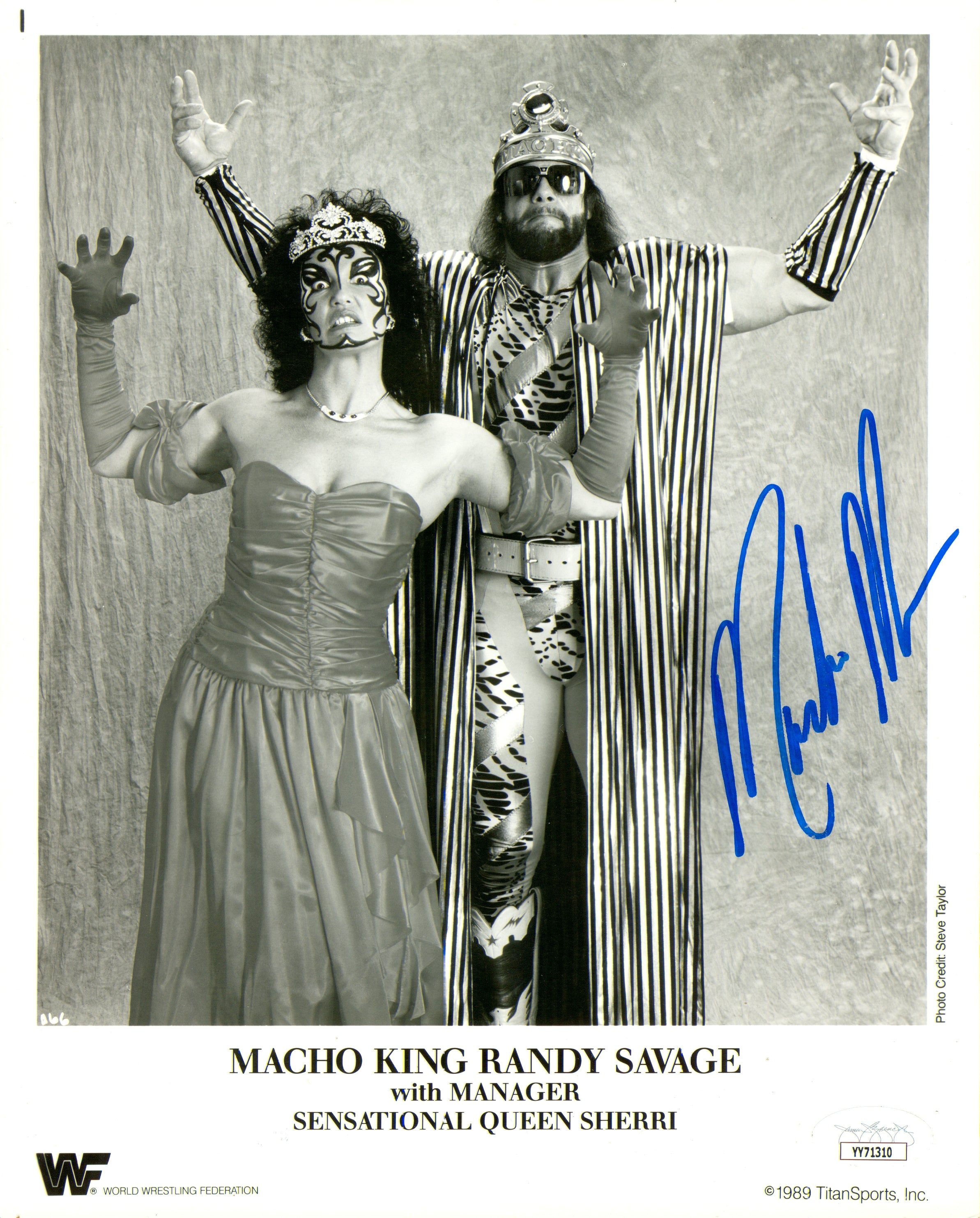
From 1985 to 1994, Randy Savage was a cornerstone of the WWF (now WWE). During this era, top-tier talent earnings were comprised of a base salary, a percentage of "house show" (live event) gates, and merchandise royalties. As a former WWF Champion and a central figure in the "Mega Powers" storyline with Hulk Hogan, Savage was consistently among the highest-paid performers.
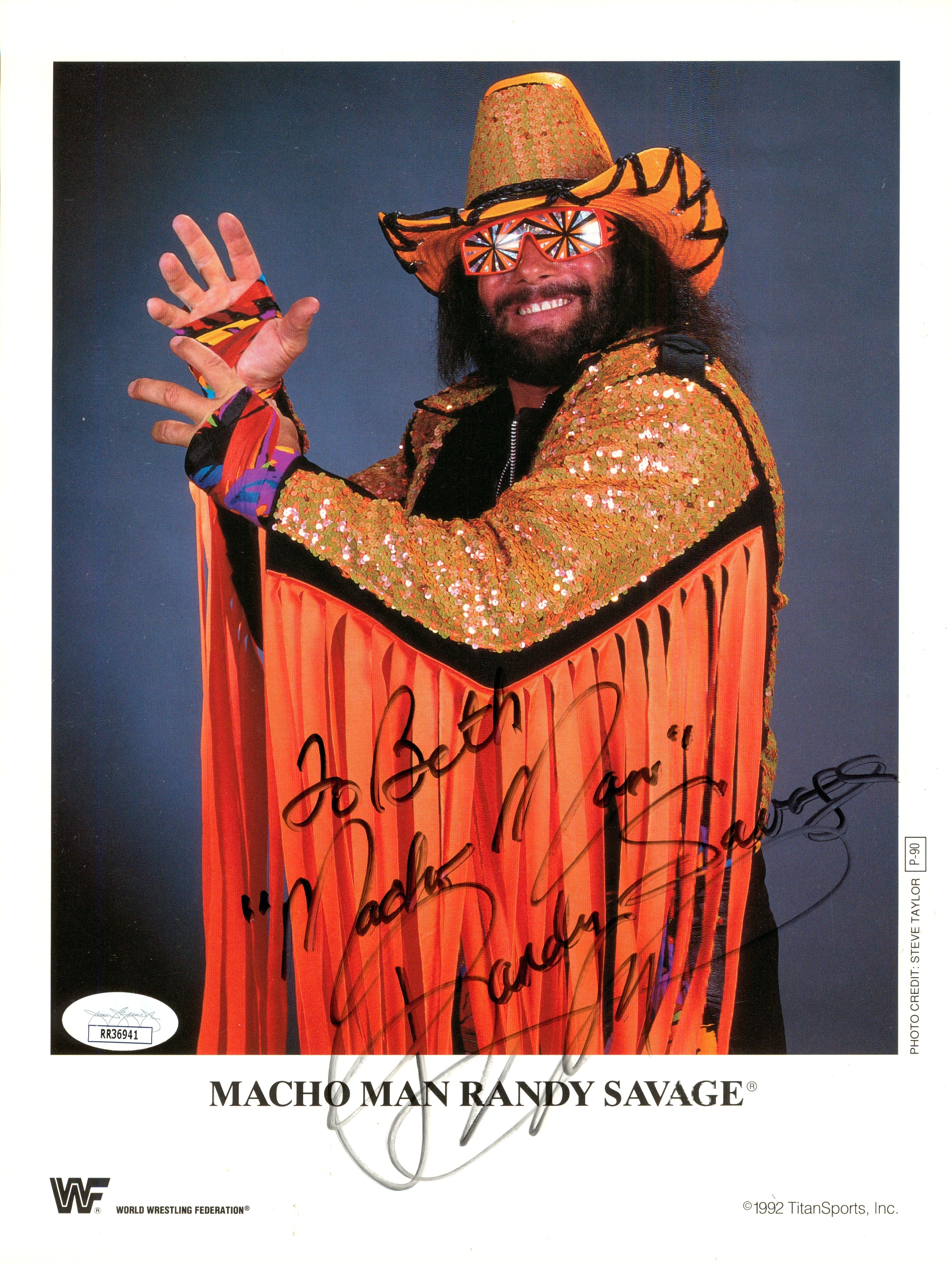
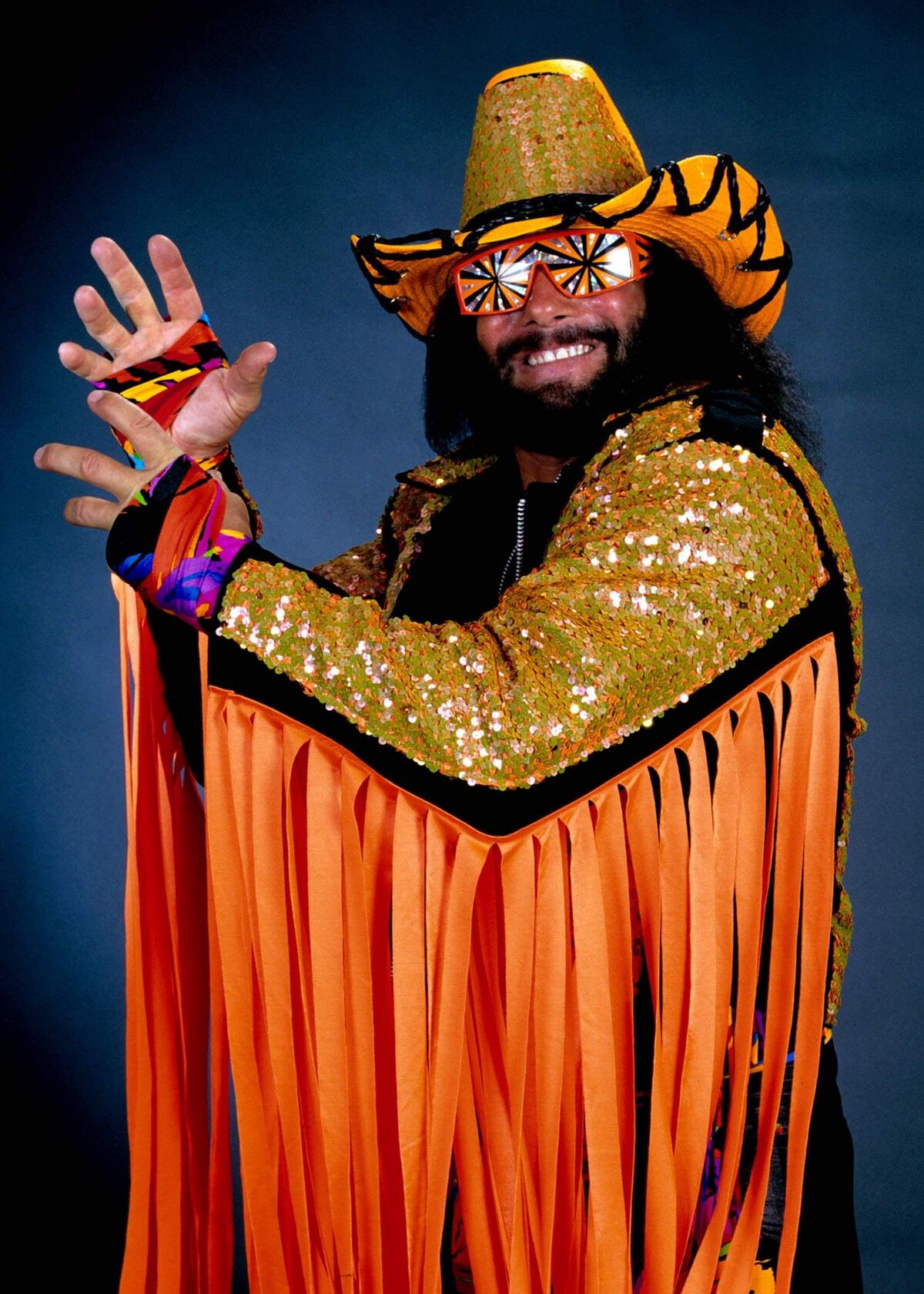
While the WWF did not publicly disclose salaries during that period, historical data and accounts from industry insiders suggest that Savage was earning in the high six figures to low seven figures annually during his peak years. His merchandise—characterized by neon colors, "Macho Man" sunglasses, and bandannas—remained a top seller for decades, providing a continuous stream of passive income.
The Transition to WCW
In 1994, Savage made a high-profile jump to World Championship Wrestling (WCW). This move was financially significant because WCW, backed by Ted Turner’s media empire, offered guaranteed contracts—a rarity in the wrestling business at the time. Savage’s contract was reportedly worth several million dollars over several years, providing him with financial security that surpassed the performance-based pay structure of the WWF. This era solidified his status as a multi-millionaire, as he continued to be a main-event attraction until his semi-retirement in the early 2000s.
The Slim Jim Endorsement: A Marketing Powerhouse
One of the most significant contributors to Randy Savage’s net worth was his long-standing relationship with Slim Jim. Beginning in the early 1990s, Savage became the face of the snack brand, famously using the catchphrase, "Snap into a Slim Jim!"
This endorsement deal was one of the most successful pairings between an athlete and a product in marketing history. It provided Savage with:
- Annual Retainers: A guaranteed yearly payment for being the brand's primary spokesperson.
- National Television Exposure: Constant airtime during high-profile sporting events, which maintained his brand value outside of the wrestling ring.
- Cross-Platform Revenue: Commercials, print ads, and point-of-sale displays that kept him culturally relevant long after his full-time wrestling schedule decreased.
Estimates suggest that the Slim Jim deal alone accounted for a significant portion of his non-wrestling income, potentially totaling several million dollars over the duration of the partnership.
Acting, Media, and Hollywood Ventures
Randy Savage’s charisma transitioned effectively into mainstream media. While he was not a full-time actor, his roles were impactful and contributed to his overall estate.
- Spider-Man (2002): Savage played the role of "Bonesaw McGraw" in the original Sam Raimi Spider-Man film. This role was not just a cameo; it was a featured part of the protagonist's origin story. According to Box Office Mojo, the film grossed over $821 million worldwide. While Savage's salary for the film was a fraction of the total budget, it provided a significant payday and residuals.
- Voice Acting: Savage lent his distinctive voice to various projects, including Dexter's Laboratory, King of the Hill, and the animated film Bolt. Voice acting is often a lucrative endeavor for established celebrities, offering high hourly rates without the physical toll of traditional acting.
- Music: In 2003, Savage released a rap album titled Be a Man. While it was viewed as a novelty project, it contributed to his multifaceted revenue stream and furthered his brand presence in the early 2000s.
Financial Comparison with Wrestling Peers
To understand the scale of Randy Savage’s wealth, it is helpful to compare his estimated net worth at death with that of other legendary figures from the same era.
| Wrestler | Estimated Net Worth at Death | Primary Income Source |
|---|---|---|
| Randy "Macho Man" Savage | $8M - $10M | Wrestling, Slim Jim, Acting |
| "Rowdy" Roddy Piper | $4M | Wrestling, Acting, Podcast |
| The Ultimate Warrior | $1M | Wrestling, Public Speaking |
| Dusty Rhodes | $3M | Wrestling, Booking/Creative |
| Andre the Giant | $5M - $10M | Wrestling, Film (adjusted for inflation) |
Note: These figures are based on various estate reports and historical financial analysis available as of 2026.
Estate Management and Posthumous Legacy
Following his death in 2011, Savage’s estate was managed with the same care he applied to his finances during his life. He was survived by his wife, Lynn Poffo, whom he married in 2010, and his brother, Lanny Poffo.
In 2015, Savage was posthumously inducted into the WWE Hall of Fame. This induction, while primarily an honor, also signaled a renewed partnership between his estate and WWE regarding merchandising and likeness rights. As of 2026, Randy Savage remains a staple in WWE video games, apparel lines, and collectible figures. These posthumous royalties continue to flow into his estate, ensuring that the "Macho Man" brand remains financially viable decades after his final match.
Real Estate and Personal Assets
Savage was known for living a relatively private life in Florida. He owned a luxury condo in Treasure Island and was known for maintaining a modest lifestyle relative to his income. By avoiding the extravagant spending habits and multiple divorces that plagued other superstars of his generation, Savage was able to keep a much higher percentage of his career earnings. His primary residence and personal property were estimated to be worth several million dollars at the time of his death.
Frequently Asked Questions
How much did Randy Savage make per year in his prime?
During the late 1980s and early 1990s, Savage's annual earnings were estimated to be between $1 million and $2 million. This included his WWF downside guarantee, bonuses for headlining major events like WrestleMania, and a significant share of merchandise sales.
Did Randy Savage lose money in his divorce?
Randy Savage’s divorce from Elizabeth Hulette (Miss Elizabeth) in 1992 was a significant personal event, but it did not result in the financial ruin seen in other high-profile celebrity splits. Because both were involved in the business and had their own revenue streams, the settlement was handled relatively privately, allowing Savage to maintain the bulk of his core assets.
What happened to Randy Savage’s money after he died?
The majority of his estate was left to his wife, Lynn Poffo, and his family. Unlike many other wrestling estates that have been tied up in litigation or debt, Savage’s finances were in excellent order at the time of his passing, allowing for a smooth transition of assets.
Was Randy Savage a millionaire when he died?
Yes, Randy Savage was a multi-millionaire at the time of his death. With a net worth estimated near $10 million, he was one of the most financially successful professional wrestlers of the 20th century.
How did the Slim Jim deal impact his net worth?
The Slim Jim deal was transformative. It provided a steady, non-physical source of income that allowed Savage to be more selective with his wrestling appearances. This longevity helped him preserve his health and his wealth simultaneously.
Practical Considerations for Legacy Analysis
When evaluating the wealth of a historical figure like Randy Savage, it is important to distinguish between "liquid wealth" and "total estate value." Savage’s net worth included his real estate holdings, investment portfolios, and the valuation of his intellectual property and likeness rights.
For those looking to understand the business of professional wrestling, Randy Savage serves as a primary case study in brand preservation. His ability to remain a top-tier earner for over 25 years was not just due to his athletic ability, but his understanding of marketing and his refusal to overextend his finances.
Image Gallery