Alaska National Park Crossword Solving Strategies for the Unique Clues
Mastering Alaska-themed crossword puzzles requires a blend of geographic knowledge, familiarity with National Park Service (NPS) terminology, and an understanding of specific linguistic patterns used by constructors. Because the eight...
Mastering Alaska-themed crossword puzzles requires a blend of geographic knowledge, familiarity with National Park Service (NPS) terminology, and an understanding of specific linguistic patterns used by constructors. Because the eight national parks in Alaska are vast, remote, and often feature indigenous names or unique geological features, these clues frequently serve as "gatekeepers" that challenge even seasoned crossword enthusiasts. By categorizing the subject matter and applying systematic deduction, you can transform these intimidating clues into reliable high-scoring entries.
Contents
The key to solving these specific puzzles lies in recognizing that Alaska-themed clues often rely on consistent sub-themes: the sheer scale of the landscape, the specific names of the parks and preserves, and the unique cultural or geographic features defining the region. Whether you are navigating a 15x15 daily grid or a complex Sunday-sized challenge, understanding these thematic clusters allows you to bypass guesswork and move directly to accurate letter placement.
Understanding the Landscape: The Eight NPS Units
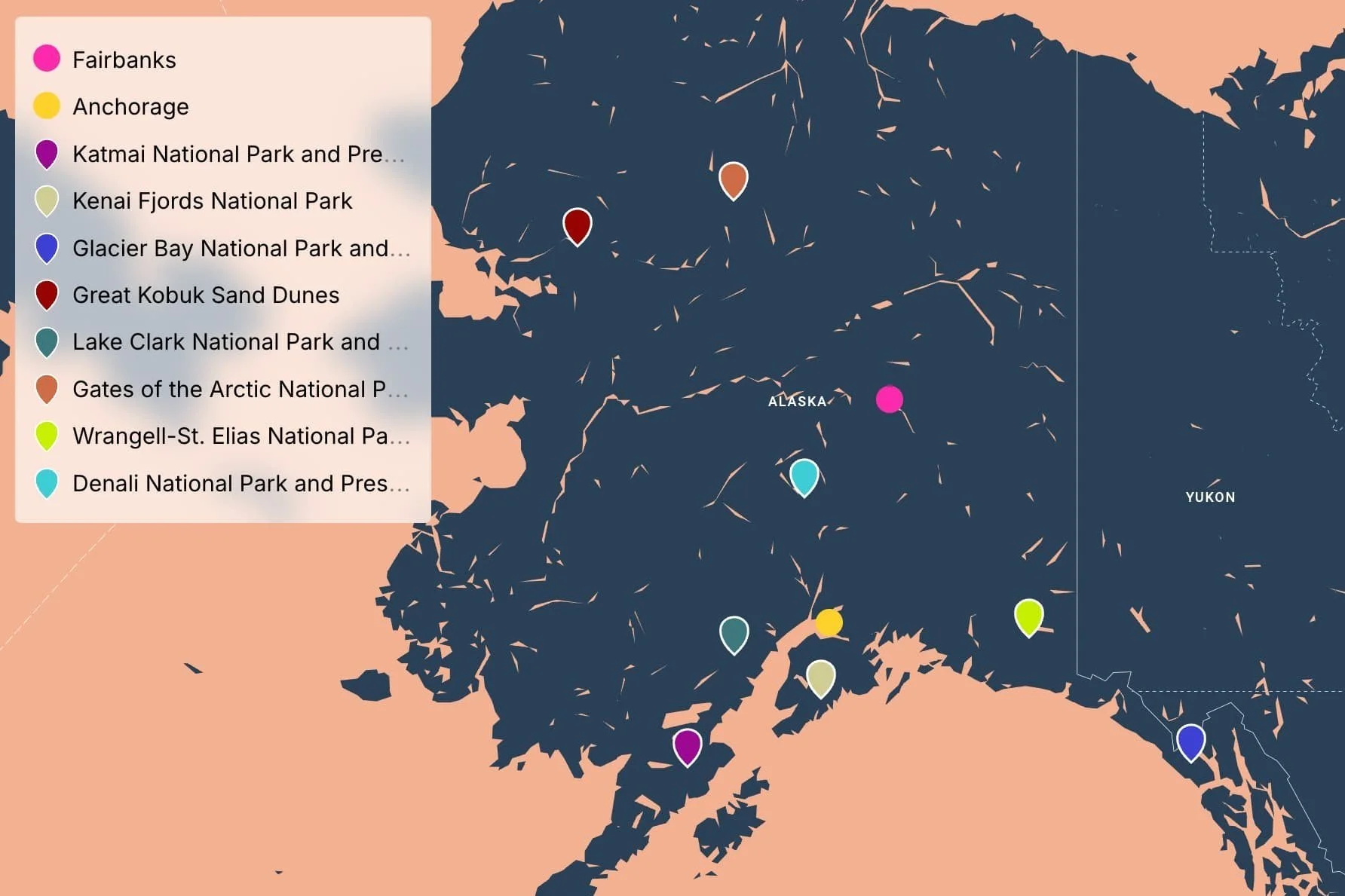
To solve clues involving Alaska, you must first commit the eight national parks to memory. Crossword constructors love these because they are long, distinct, and provide excellent anchor points for the grid. The parks are Denali, Gates of the Arctic, Glacier Bay, Katmai, Kenai Fjords, Kobuk Valley, Lake Clark, and Wrangell-St. Elias.
When you see a clue referencing "Alaska's largest national park," your brain should immediately bypass generic park names and lock onto Wrangell-St. Elias. Similarly, a clue referencing "the park containing the tallest peak in North America" is a definitive pointer toward Denali. Constructors often use the superlatives associated with these parks—size, height, or remoteness—to create clues that appear difficult but are actually fixed factual targets.
Categorization by Geographic Feature
If a clue provides a cryptic description of a land feature, look for connections to the specific ecology of Alaska. For instance, "Fjord" almost exclusively links to Kenai in the context of the Alaskan park system. "Glacier" can be ambiguous, but if the clue mentions a boat tour or marine wildlife in an Alaskan context, it is almost certainly Glacier Bay.
Linguistic Patterns and Clue Anatomy
Crossword constructors follow specific conventions when writing clues for remote locations. Understanding how these clues are built can help you verify your answer even before you fill in the letters.
The "Indigenous Naming" Strategy
Many Alaska locations retain their original Indigenous names (e.g., Athabascan, Iñupiat, or Tlingit origins). If a clue feels like it involves a non-English word or a name that is difficult to pronounce, do not assume it is a mistake. Constructors often use these names to provide "Scrabble-heavy" letters like K, X, or Q. If you are stuck, look for common phonemes found in Alaskan place names: "Ka," "Na," "Li," or "Ku."
The "Remote and Isolated" Angle
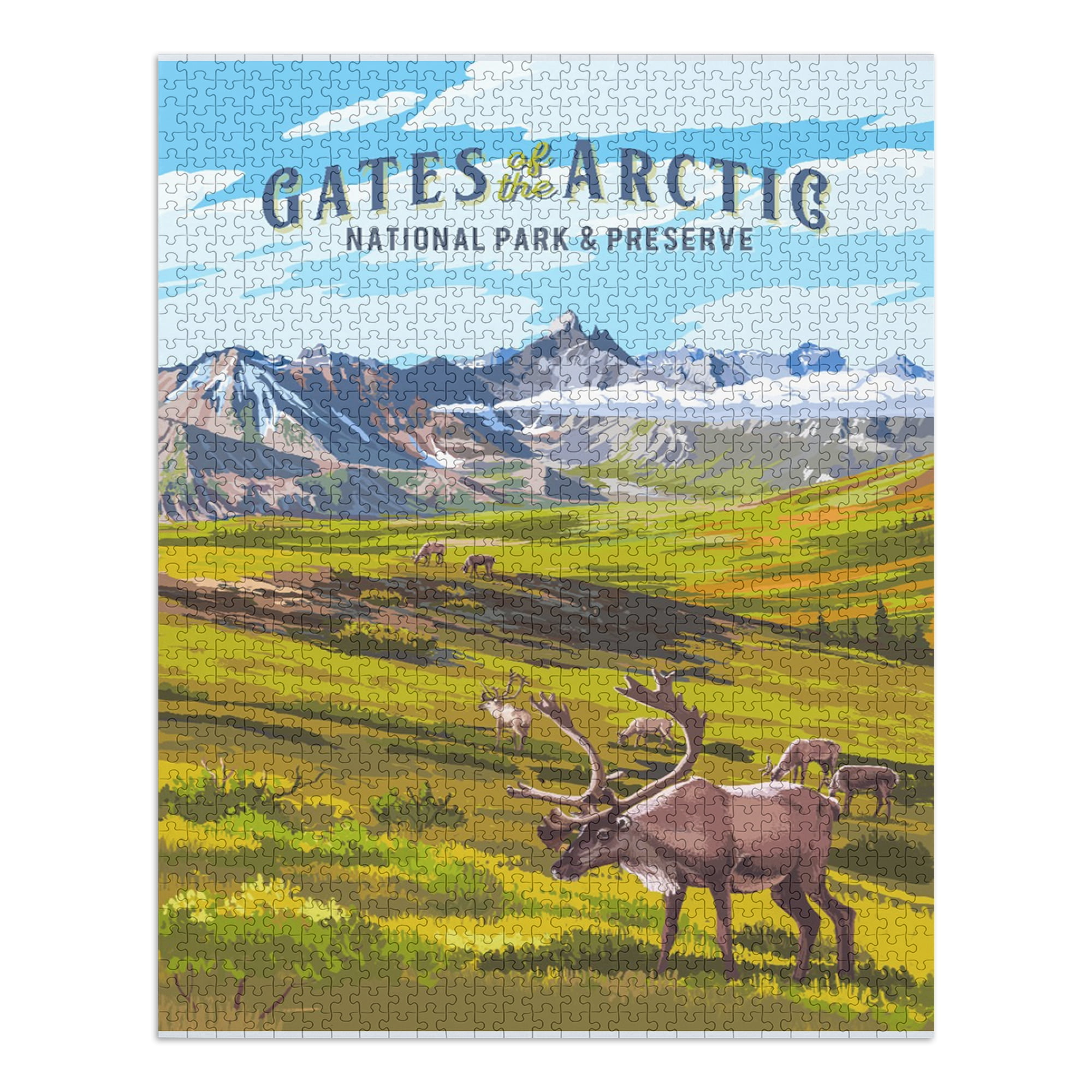
Clues for Gates of the Arctic or Kobuk Valley frequently play on the concept of "no roads" or "farthest north." If a clue references the Arctic Circle, the difficulty of access, or the lack of modern infrastructure, it is a primary indicator for one of these two parks. Memorizing that Kobuk Valley is known for its sand dunes and migration paths can also provide a "hook" for clues that seem to have nothing to do with mountains or ice.
Strategic Workflow for Tough Grids
When you encounter an Alaska-related clue that does not immediately click, follow this systematic approach to narrow down the possibilities:
- Count the Letters: Alaska park names vary significantly in length. Use the grid count to eliminate any parks that do not fit the space.
- Cross-Reference Existing Intersections: If you have even one letter (e.g., the "K" in the fourth position), cross-reference it against the list of eight parks.
- Identify the "Distractor": Constructors often include red herrings. A clue mentioning "volcanoes" might lead you to Hawaii, but if the context is Alaska, it is likely Katmai. Distinguish between the "National Park" itself and the "National Preserve" often adjacent to it, as some, like Denali, have very specific protected status boundaries.
- Use the "Superlative" Shortcut: As mentioned, most Alaska-related clues are built around a record—the biggest, the furthest, the tallest, or the most isolated.
Comparative Matrix of Common Alaska Clues
| Clue Trigger | Likely Answer | Strategic Context |
|---|---|---|
| Largest NPS unit | Wrangell-St. Elias | Over 13 million acres |
| Tallest U.S. Peak | Denali | Formerly Mt. McKinley |
| Arctic Circle Park | Gates of the Arctic | Often paired with "wilderness" |
| Great Sand Dunes (AK) | Kobuk Valley | Distinguish from CO dunes |
| Marine/Cruise hub | Glacier Bay | Known for calving ice |
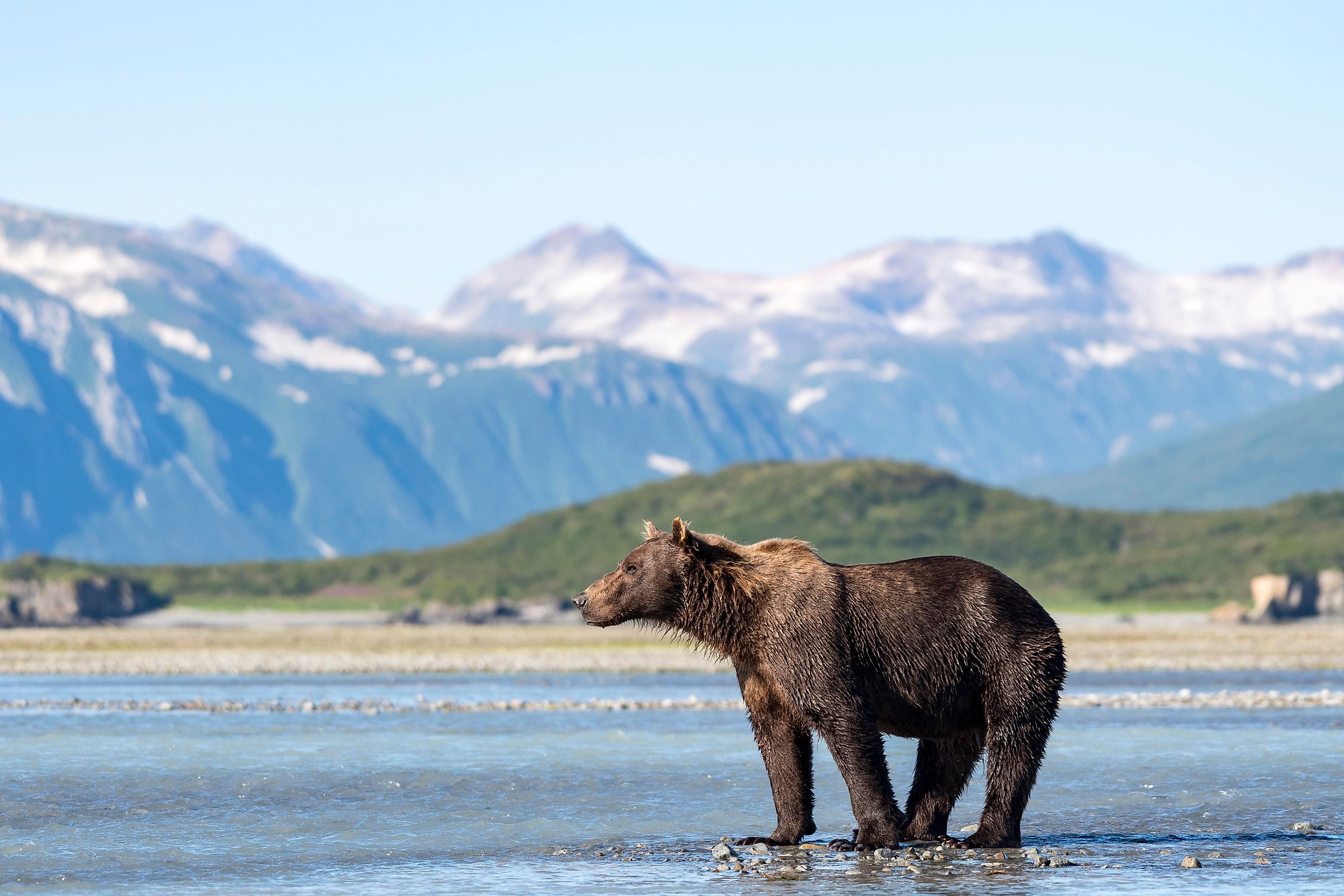
| Brown Bear habitat | Katmai | Famous for Brooks Falls |
| Fjord/Icefield | Kenai Fjords | Coastal southern Alaska |
| Remote/Volcanic | Lake Clark | Often paired with "wild" |
Handling Ambiguity and Regional Variations
One of the most common pitfalls for solvers is confusing a National Park with a National Monument or a State Park. In 2026, the distinction remains firm in official NPS records. If a clue feels "off," it may be because you are thinking of a state-managed site like Kachemak Bay, which is not an official National Park.
If the clue uses the term "Preserve" rather than "Park," double-check the legal designation of the area. For example, the Wrangell-St. Elias National Park and Preserve is often referred to in crosswords by its shorter, more recognizable park name to fit the grid constraints. Always prioritize the "Park" designation when the grid is tight, as these are the most common entries in published puzzles.
Advanced Tips for the Modern Solver
As of 2026, digital crossword tools and apps often allow for "check" or "reveal" functions. However, to improve your solving strategy, use these tools to identify why you missed a clue rather than just getting the answer. If you frequently struggle with Alaskan entries, keep a list of the eight parks near your workspace. Over time, the repetition will transition these from "unknown geographic facts" to "familiar crossword vocabulary."
Additionally, pay attention to the day of the week. Monday and Tuesday puzzles rarely use obscure Alaskan geography; they stick to the primary parks. Friday and Saturday puzzles, however, may use more specific, obscure features of these parks—such as specific river names, local wildlife, or complex geological terms—to increase the difficulty.
Frequently Asked Questions
Which Alaskan park is the easiest to identify in a crossword?
Denali is almost always the easiest. Because it has had significant media and historical coverage regarding its name change from Mount McKinley, constructors use it as a "gimme" clue for earlier-in-the-week puzzles.
Should I look for historical names for these parks?
Usually, no. Stick to the current official names recognized by the National Park Service in 2026. While older puzzles might use "McKinley," current standards prioritize "Denali."
How do I distinguish between similar-sounding Alaska parks?
Focus on the secondary details provided in the clue. If the clue focuses on ice, look for Glacier or Kenai. If the clue focuses on land/geography, look for Wrangell or Gates.
Why do some clues focus on "the largest" instead of the name?
Crossword constructors use descriptive clues to prevent the puzzle from becoming a simple trivia test. By describing the attribute (e.g., "The park that contains the most glaciers"), they allow the solver to perform a mental search for the entity that fits that description.
Are there non-park Alaska locations that appear in grids?
Yes. Cities like Anchorage, Fairbanks, or Juneau often appear. If your "park" answer doesn't fit the crossings, consider if the clue is actually referencing a major Alaskan city or a geographic region like the Yukon.
Next Steps for Improving Your Strategy
To become proficient, start by completing a specialized "National Parks" crossword collection. By solving 10 to 20 puzzles centered on geography or the outdoors, you will internalize the patterns used by constructors. When you encounter your next grid, don't just solve the Alaska clues; analyze the phrasing. Look for the superlative adjectives, the environmental triggers, and the grid placement. With practice, these unique clues will become the foundation of your solving success rather than a source of frustration.
Image Gallery