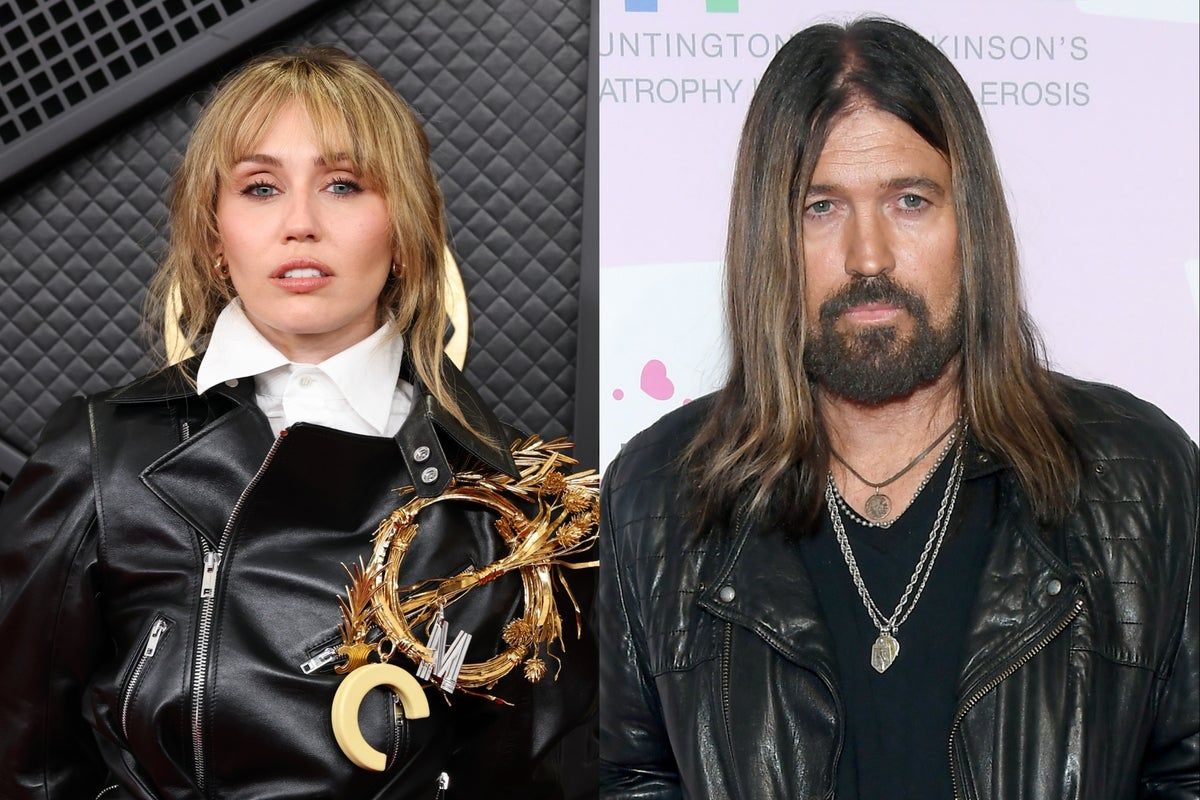
Why Happy Together by Miley Cyrus Matters
Miley Cyrus’s interpretation of “Happy Together”—originally recorded by The Turtles—matters because it bridges vintage 1960s pop-rock nostalgia with modern pop production, showcasing her vocal versatility, genre fluidity, and the endur...
Miley Cyrus’s interpretation of “Happy Together”—originally recorded by The Turtles—matters because it bridges vintage 1960s pop-rock nostalgia with modern pop production, showcasing her vocal versatility, genre fluidity, and the enduring thematic relevance of classic arrangements in contemporary media.
Contents
The Origins and Musical Legacy of "Happy Together"
The original version of "Happy Together," released by the American rock band The Turtles in 1967, stands as a defining pillar of 1960s pop and psychedelic-adjacent sunshine pop. Written by Garry Bonner and Alan Gordon, the track famously bumped The Beatles' "Penny Lane" from the number-one spot on the Billboard Hot 100 chart. Its distinct combination of a minor-verse progression transitioning into a major-chorus resolution created an infectious sense of yearning blended with triumphant euphoria.
Over the decades, the song has transcended its original era, covered by dozens of artists across varying genres. However, translating a track with such a specific historical footprint into the contemporary musical landscape requires an artist who can honor the past while injecting a distinct, modern persona. This background sets the stage for Miley Cyrus's reinvention, which introduces the classic composition to a younger demographic accustomed to modern production values while satisfying purists through structural fidelity.
Miley Cyrus’s Genre Fluidity and Interpretive Style
Miley Cyrus has built a career defined by rapid stylistic pivots. Moving from her early Disney Channel pop roots to the hip-hop and urban-pop stylings of Bangerz, the psychedelic rock of Miley & Her Dead Petz, the country-pop of Younger Now, and the rock-and-roll reclamation of Plastic Hearts, Cyrus has consistently demonstrated a rare capacity to inhabit diverse sonic spaces. Her rasp-laden, robust vocal delivery gives her covers a gritty edge that sets them apart from note-for-note tribute recordings.
When Cyrus tackles classic rock and pop covers—ranging from Fleetwood Mac and Blondie to Led Zeppelin and The Turtles—she does not simply mimic the original. Instead, she applies her signature blues-infused vocal grit and theatrical staging. This approach transforms familiar nostalgia into a contemporary showcase of vocal athletics. "Happy Together" serves as a prime vehicle for this interpretive style, allowing her to lean into the dramatic peaks and valleys of the composition without losing the driving energy that made the original a chart-topper.
Context and Placement in Modern Media
A significant part of why Cyrus’s version of "Happy Together" matters lies in its strategic deployment within modern media, live performances, and festival circuits. Rather than existing merely as an isolated studio track, her covers are often integrated into major live sets, television specials, and promotional synchs that leverage collective cultural memory.
| Feature / Aspect | The Turtles (1967 Original) | Miley Cyrus (Modern Interpretation) |
|---|---|---|
| Primary Genre | Sunshine Pop / 1960s Rock | Modern Rock / Pop-Rock Crossover |
| Vocal Approach | Harmonious, bright ensemble delivery | Raspy, powerful solo lead with dynamic range |
| Production Style | Analog tape, orchestral brass, jangle guitars | Clean modern mastering, amplified bass, live-band punch |
| Cultural Function | Defining counterculture-era chart pop | Recontextualizing vintage catalogs for modern audiences |
By performing these arrangements live, Cyrus acts as a cultural curator. She introduces historical songwriting craftsmanship to audiences who may not actively seek out 1960s AM radio hits, creating a generational bridge that revitalizes the underlying intellectual property.
The Psychology of Shared Nostalgia in Pop Music
Covering a universally recognized anthem like "Happy Together" taps directly into the psychological comfort of nostalgia. In an increasingly fragmented media landscape, recognizable hooks and time-tested chord progressions provide listeners with a sense of emotional grounding. Cyrus's rendition matters because it weaponizes this nostalgia purposefully, pairing comforting historical familiarity with modern emotional urgency.
Furthermore, the lyrical themes of "Happy Together"—isolation contrasted against the powerful desire for interpersonal connection—resonate deeply in contemporary socio-cultural contexts. By filtering these lyrics through a modern rock lens, Cyrus amplifies the underlying desperation of the song, shifting it from a breezy 1960s pop confection into an intense declaration of modern devotion.
Practical Implications for Contemporary Artists and Catalogs
For the broader music industry, Cyrus’s approach to legacy covers offers a blueprint for catalog revitalization. As streaming platforms and sync licensing prioritize cross-generational appeal, modern interpretations of classic tracks serve multiple strategic functions:
- Audience Expansion: Exposes vintage songwriters and publishers to Gen Z and millennial streaming cohorts.
- Brand Diversification: Reinforces a performing artist’s credibility as a serious musician capable of handling complex vocal arrangements outside of manufactured pop.
- Live Show Dynamics: Provides built-in crowd-pleasing moments during large-scale festival headlining sets.
These factors explain why industry stakeholders closely monitor how major contemporary stars choose and execute their cover repertoires.
Frequently Asked Questions
Did Miley Cyrus release an official studio version of "Happy Together"?
While Cyrus has famously performed "Happy Together" in live settings—most notably incorporating it into festival mashups and television performances—her most widely circulated renditions exist as high-profile live concert recordings rather than primary studio-album singles.
Why do contemporary pop stars frequently cover 1960s and 1970s rock tracks?
Covering classic tracks allows modern artists to demonstrate vocal versatility, pay homage to foundational musical influences, and bridge demographic divides by attracting both older purists and younger fans.
How does Miley Cyrus's vocal style change the meaning of classic songs?
Cyrus utilizes a raspy, powerful chest voice and rock-inflected delivery. This transforms traditionally breezy or upbeat pop numbers into intense, high-energy anthems that emphasize emotional grit and raw performance power over polished harmony.
Where can listeners watch or hear Miley Cyrus perform classic rock covers?
Her performances are widely documented across official YouTube channels, late-night television appearances, and major music festival broadcasts, showcasing her extensive catalog of live rock interpretations.
Conclusion and Next Action
Miley Cyrus’s engagement with classic compositions like "Happy Together" proves that genre boundaries are increasingly porous. To fully appreciate her impact on modern music, explore her wider catalog of live covers alongside her original albums like Plastic Hearts to observe how she continuously merges historical rock aesthetics with modern pop sensibilities.
Image Gallery