Net Total Amount vs. Worth: Understanding the Critical Differences in Financial Metrics
The primary difference between a net total amount and worth lies in their scope and timeframe. A net total amount typically refers to the final figure of a single transaction or a specific period's earnings after deductions. In contras...
The primary difference between a net total amount and worth lies in their scope and timeframe. A net total amount typically refers to the final figure of a single transaction or a specific period's earnings after deductions. In contrast, worth—specifically net worth—represents the cumulative value of all assets minus all liabilities at a single point in time.
Contents
Navigating the world of finance requires a precise understanding of terminology. While "net total" and "worth" are often used interchangeably in casual conversation, they serve distinct roles in accounting, personal finance, and business valuation. As we move through 2026, the complexity of financial instruments and digital assets makes distinguishing between these two metrics more critical than ever for accurate tax reporting, investment planning, and credit applications.
Decoding the Net Total Amount: From Invoices to Income
The term net total amount is most frequently encountered in the context of transactions, payroll, and profit and loss statements. It represents the "bottom line" of a specific financial event or a defined period. To understand the net total, one must first understand the "gross" figure from which it is derived.
The Mechanics of Transactional Net Totals
In a standard business invoice, the net total amount is the final figure the customer is required to pay. This is calculated by taking the gross amount—the sum of all products or services at their base price—and applying adjustments. These adjustments include discounts, returns, and allowances. However, in many jurisdictions, the "net total" refers to the amount before sales tax or VAT is added, whereas in consumer retail, the "net total" often refers to the final amount out of pocket.
For an individual, the most common encounter with this term is "net pay." This is the amount of a paycheck that actually hits the bank account. The calculation starts with gross wages, followed by the deduction of federal and state income taxes, Social Security contributions, health insurance premiums, and retirement plan deferrals. In 2026, with evolving tax brackets and updated contribution limits for 401(k)s and IRAs, understanding the bridge from gross to net total is essential for monthly budgeting.
Net Total in Corporate Accounting
For businesses, "Net Total" often appears as Net Income or Net Profit. This is not a measure of what the company is worth, but rather a measure of its performance over a quarter or a year. It is calculated by subtracting all operating expenses, interest, taxes, and depreciation from the total revenue. A high net total amount for a single year indicates profitability, but it does not account for the company's long-term debts or the value of its physical factories and intellectual property.
Defining Financial Worth: The Big Picture of Equity
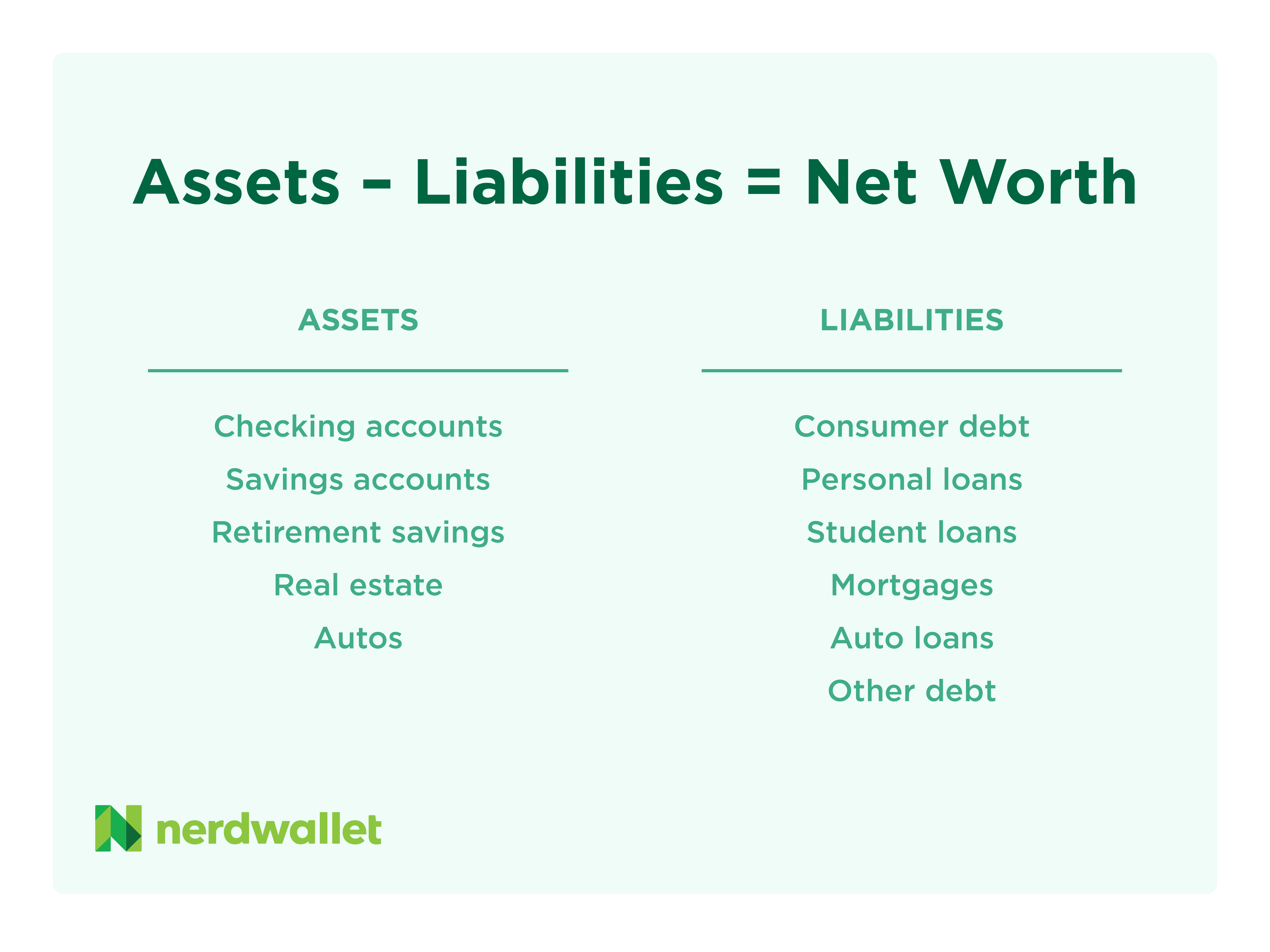
While the net total amount is transactional and periodic, worth (commonly referred to as net worth) is a structural measurement of wealth. It is a snapshot of an entity's total financial standing at a specific moment. The formula for worth is deceptively simple: Total Assets - Total Liabilities = Net Worth.
The Components of Assets in 2026
To determine worth, one must catalog all assets. These are items of value that can be converted into cash. In 2026, these are generally categorized into:
- Liquid Assets: Cash in checking and savings accounts, money market funds, and highly liquid stocks.
- Investments: Brokerage accounts, retirement funds (like a Roth IRA or 401(k)), and bond portfolios.
- Real Assets: Residential property, commercial real estate, and land.
- Personal Property: Vehicles, jewelry, and high-value collectibles.
- Digital Assets: In the current 2026 landscape, this increasingly includes verified cryptocurrency holdings and tokenized assets that have established market value.
The Weight of Liabilities
Worth cannot be calculated without an honest assessment of liabilities—everything you owe to others. This includes:
- Mortgages: The remaining principal on home or investment property loans.
- Consumer Debt: Credit card balances and personal loans.
- Student Loans: Remaining balances on educational financing.
- Business Debt: Any personal guarantees on corporate lines of credit or equipment leases.
Subtracting these liabilities from the total asset pool provides your "Worth." Unlike a net total amount on a paycheck, which resets every pay period, your worth is a running tally of your entire financial life.
Key Differences: Net Total Amount vs. Worth
Understanding the nuances between these two metrics prevents errors in financial planning. The following table highlights the primary distinctions across several categories.
| Feature | Net Total Amount | Worth (Net Worth) |
|---|---|---|
| Timeframe | Specific period (weekly, monthly, annually) or single event. | A single point in time (cumulative). |
| Calculation | Gross Revenue/Pay minus immediate deductions/expenses. | Total Assets minus Total Liabilities. |
| Primary Goal | Measures flow, performance, or cost of a transaction. | Measures overall wealth and financial stability. |
| Volatility | High; can fluctuate wildly between pay cycles or sales. | Moderate; changes based on asset appreciation/debt paydown. |
| Common Use Case | Budgeting, tax filing, and checking invoice accuracy. | Estate planning, loan applications, and retirement tracking. |
| Context | "My net pay this month was $5,000." | "My net worth reached $500,000 in 2026." |
Why the Distinction Matters for Your Financial Health
Mixing up these terms can lead to significant strategic errors. For instance, a person might have a high net total amount in terms of annual salary but a negative worth. This occurs when "high earners" carry massive debt loads or have no accumulated assets. Conversely, a retiree might have a low net total amount (low monthly income) but a very high worth due to a paid-off mortgage and a large investment portfolio.
Impact on Credit and Borrowing
Lenders look at both metrics but for different reasons. When you apply for a credit card or a small personal loan, the lender is primarily interested in your net total amount of income to ensure you can meet monthly payments. However, when applying for a mortgage or a large business loan in 2026, lenders scrutinize your worth. They want to see "skin in the game" and collateral that can back the loan if your income stream is interrupted.
Tax Implications
The net total amount of your income is the primary driver of your tax liability. The Internal Revenue Service (IRS) and state tax authorities tax the flow of money—wages, interest earned, and capital gains realized. Worth, on the other hand, is generally not taxed annually in the United States, except in the form of property taxes on real estate. However, for extremely high-net-worth individuals, estate taxes and potential wealth tax discussions (which remain a topic of legislative debate in 2026) focus specifically on "worth" rather than "net total" income.
Practical Calculation: A 2026 Example
To illustrate the difference, let’s look at a hypothetical professional, Sarah, in June 2026.
Scenario A: Sarah’s Net Total Amount (Monthly)
- Gross Salary: $10,000
- Tax Withholdings: -$2,200
- Health Insurance: -$400
- 401(k) Contribution: -$1,000
- Net Total Amount (Take-home pay): $6,400
Scenario B: Sarah’s Worth (Net Worth)
- Assets:
- Home Value: $450,000
- 401(k) Balance: $120,000
- Savings: $30,000
- Car Value: $25,000
- Total Assets: $625,000
- Liabilities:
- Mortgage: $310,000
- Student Loans: $15,000
- Credit Card Debt: $2,000
- Total Liabilities: $327,000
- Worth: $298,000 ($625,000 - $327,000)
In this example, Sarah’s "net total" helps her manage her monthly bills, while her "worth" determines her progress toward long-term goals like retirement or purchasing a second property.
Common Pitfalls and Misinterpretations
One of the most frequent mistakes is confusing Cash Flow (related to net total) with Wealth (worth). You cannot spend your "worth" to buy groceries unless you liquidate an asset. Similarly, having a high net income does not guarantee wealth if the money is not converted into assets.
Another pitfall involves the "Market Worth" of a business versus the "Net Total" profit. A startup may have a negative net total amount (it is losing money) but a high market worth because investors believe in its future potential. This is common in tech and biotech sectors, where the value of patents and market share outweighs current year-over-year earnings.
Frequently Asked Questions
Does my net total income affect my net worth?
Yes, but only if you save or invest the surplus. If your net total income exceeds your expenses, the remaining cash becomes an asset (savings), which increases your net worth. If you spend your entire net total income every month, your net worth will remain stagnant or decrease as your assets (like cars) depreciate.
Why do banks ask for my net worth instead of just my salary?
Banks ask for net worth to assess your total financial resilience. A salary can be lost due to job termination, but assets like real estate or stocks provide a safety net. Net worth shows a lender that you have managed your finances responsibly over time and have collateral to secure a loan.
Can a net total amount be negative?
In a business context, yes. If expenses and taxes exceed gross revenue, the net total (net income) is a loss. For an individual, a "net total" on a paycheck cannot be negative, but your monthly cash flow can be negative if your spending exceeds your take-home pay.
Is "Worth" the same as "Market Value"?
Not exactly. Market value refers to what an asset would sell for on the open market. "Worth" is a personal calculation that uses market values of assets but subtracts what you still owe on them. For example, your house might have a market value of $500,000, but its contribution to your "worth" is only the equity you have in it (Market Value minus Mortgage).
How often should I calculate these metrics?
It is a best practice to track your net total amount monthly to ensure your budget is on track. Worth should be calculated at least annually, or quarterly, to monitor long-term financial growth and to adjust your investment strategy as market conditions change in 2026.
Final Recommendation: Balancing the Two Metrics
To achieve long-term financial security, you must manage both metrics simultaneously. Use your net total amount to maintain a disciplined monthly budget, ensuring that your deductions and expenses never exceed your income. Simultaneously, focus on growing your worth by paying down high-interest liabilities and consistently acquiring appreciating assets. For precise guidance tailored to the 2026 tax year and economic climate, consider consulting a certified financial planner (CFP) or a tax professional to ensure your definitions and calculations align with current regulatory standards.
Image Gallery