What Constitutes Workers Compensation: A Guide to Coverage and Requirements
Workers compensation is a mandatory, state-regulated insurance program that provides wage replacement, medical care, and rehabilitation services to employees who suffer job-related injuries or illnesses. It functions as a "no-fault" sy...
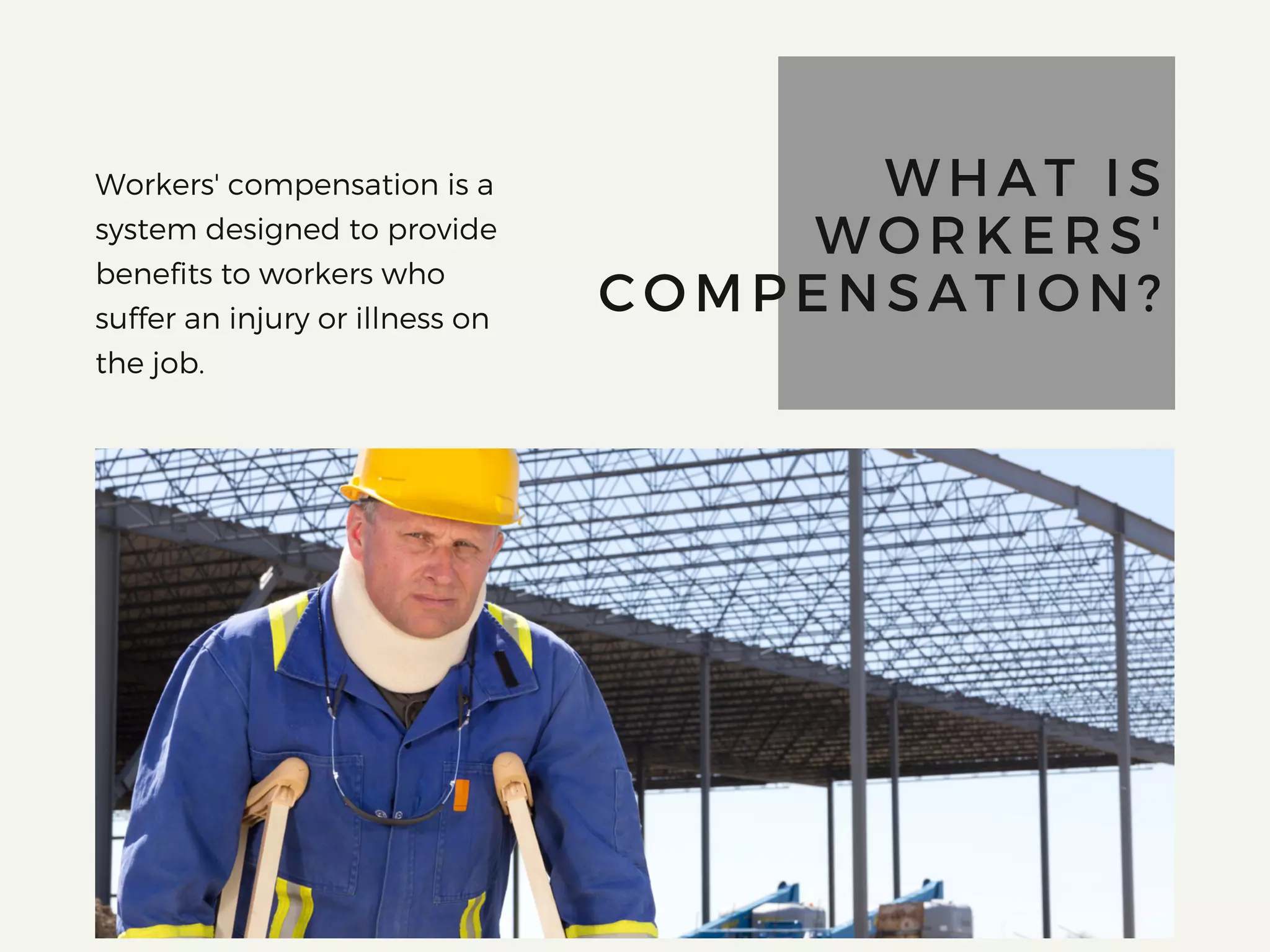
Workers compensation is a mandatory, state-regulated insurance program that provides wage replacement, medical care, and rehabilitation services to employees who suffer job-related injuries or illnesses. It functions as a "no-fault" system, meaning workers receive benefits regardless of who caused the accident, provided the incident occurred within the scope of their employment.
Contents
The Fundamental Purpose of Workers Compensation
At its core, workers compensation serves as a social compact between employers and employees. Employers are generally protected from being sued by their staff for workplace injuries, while employees gain a guaranteed path to compensation without the burden of proving legal negligence. In most jurisdictions, this is the "exclusive remedy," meaning an employee cannot file a standard personal injury lawsuit against their employer for an injury covered by the policy.
The system ensures that businesses remain functional by providing predictable costs and minimizing litigation, while workers avoid the financial ruin that could result from medical bills and lost wages following an accident.
Defining "Scope of Employment"
The primary threshold for eligibility is whether the incident arose "out of and in the course of" employment. This phrase is the legal cornerstone of the entire system.
- Arising out of employment: The injury must have a causal connection to the job tasks. For example, a warehouse worker lifting heavy boxes who sustains a back injury is covered because the task is essential to their duties.
- In the course of employment: The injury must occur within the parameters of time, place, and activity. This includes working hours at the job site, as well as business-related travel or company-sanctioned tasks performed off-site.
What Is Covered Under the Policy
Workers compensation policies are designed to handle both sudden traumatic events and long-term health issues linked to the work environment.
1. Medical Treatment
This includes all "reasonable and necessary" medical expenses. It covers emergency room visits, surgery, prescription medications, physical therapy, and diagnostic tests like X-rays or MRIs. Unlike private health insurance, there are typically no deductibles or copayments for the employee.
2. Wage Replacement (Indemnity Benefits)
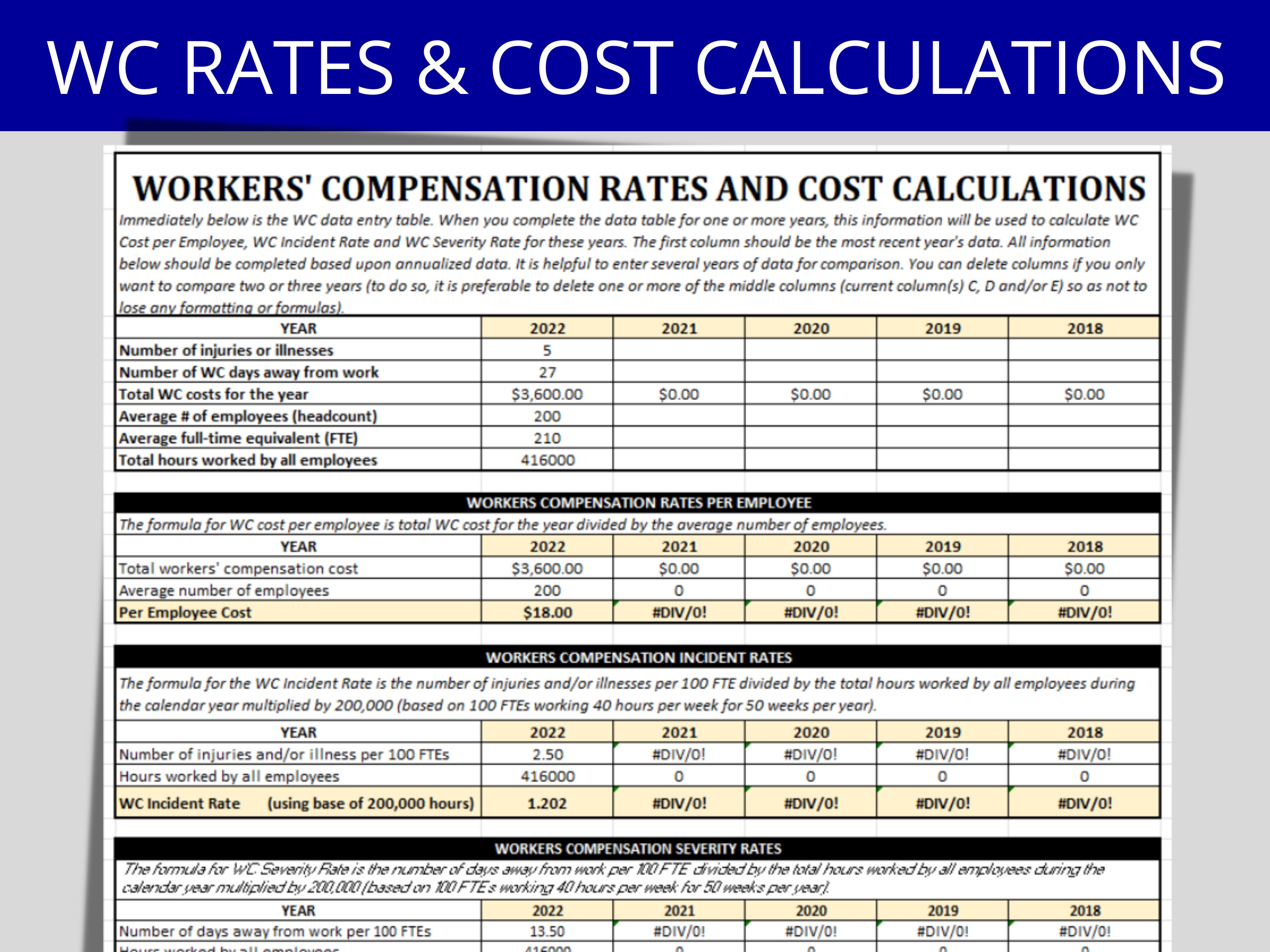
If a physician determines that an employee cannot perform their job duties, they are entitled to a portion of their lost wages. These payments are usually a percentage of the worker's average weekly wage—often two-thirds—up to a state-mandated maximum.
3. Rehabilitation Services
If an injury results in a permanent disability, the system often covers vocational rehabilitation. This assists the worker in learning new skills or finding a different job if they are unable to return to their previous position.
4. Death Benefits
In the tragic event of a workplace fatality, the policy provides death benefits to the employee’s dependents, covering funeral costs and providing ongoing financial support to the family.
Exclusions and Non-Covered Scenarios
While the system is broad, it is not universal. Certain scenarios frequently fall outside the scope of coverage:
- Commuting: Injuries sustained while traveling to or from work are generally not covered, as they are not considered part of the employment day.
- Intentional Acts: Injuries caused by the employee’s willful intent to harm themselves or others are excluded.
- Intoxication: If an injury is caused by the employee’s intoxication from drugs or alcohol, the claim may be denied.
- Independent Contractors: In most states, employers are not required to provide workers compensation for independent contractors. However, misclassifying employees as contractors is a frequent point of litigation and regulatory scrutiny.
Comparison of Benefits and Coverage Types
The following table summarizes the primary categories of benefits available under standard workers compensation frameworks.
| Benefit Category | Description | Scope of Coverage |
|---|---|---|
| Medical | Immediate and ongoing care | Hospital visits, meds, surgery, therapy |
| Temporary Disability | Wage replacement during recovery | Partial or total inability to work |
| Permanent Disability | Compensation for lasting impact | Partial or total loss of physical function |
| Vocational Rehab | Training for new employment | Costs for retraining or job placement |
| Death Benefits | Support for surviving dependents | Funeral expenses and income replacement |
Legal and Administrative Requirements
State laws dictate the nuances of workers compensation, including whether coverage is mandatory for all businesses or only those with a specific number of employees. Most states require employers to purchase insurance from private carriers or a state-run fund, while some large corporations may be permitted to "self-insure" if they can demonstrate significant financial reserves.
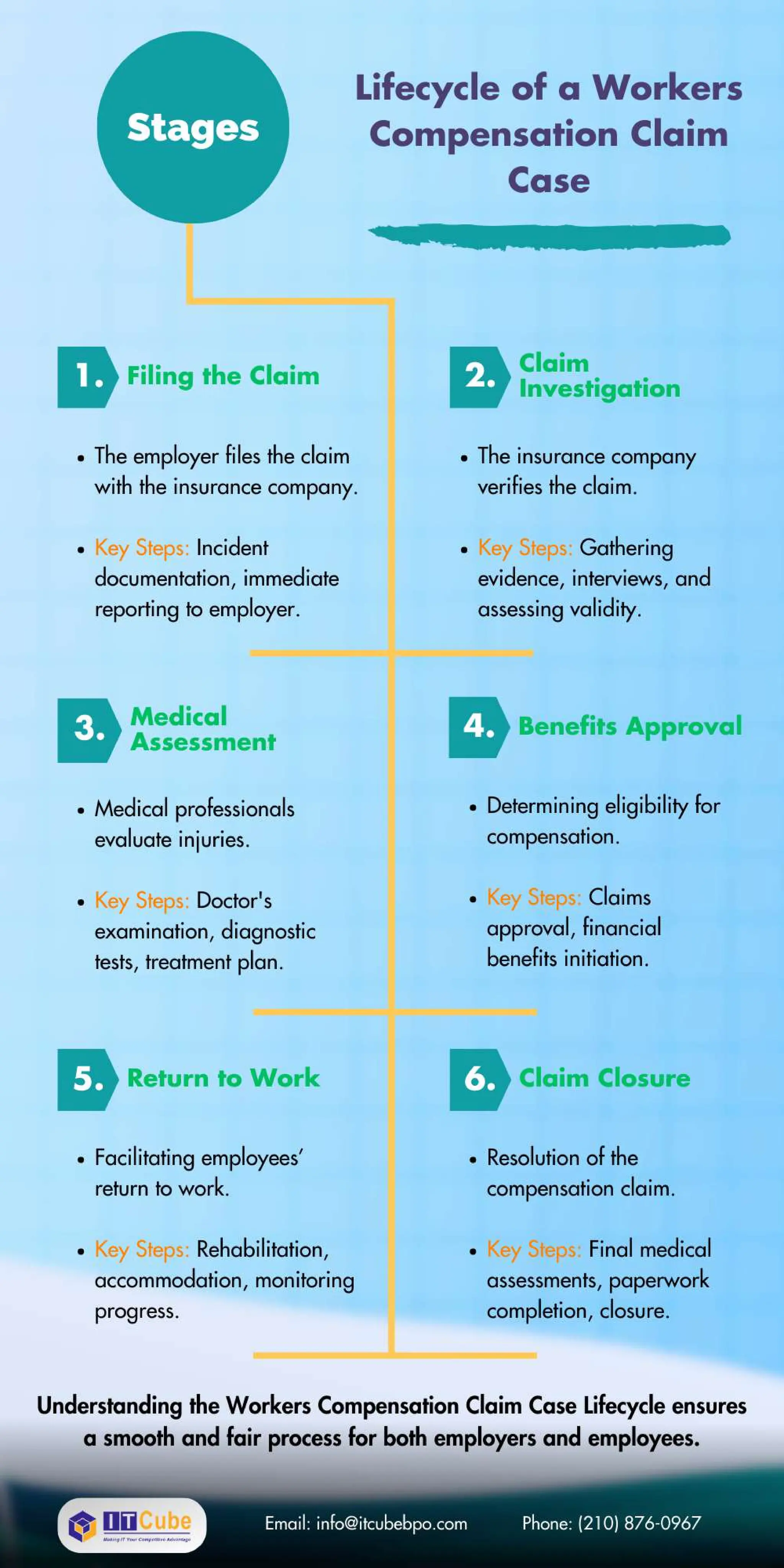
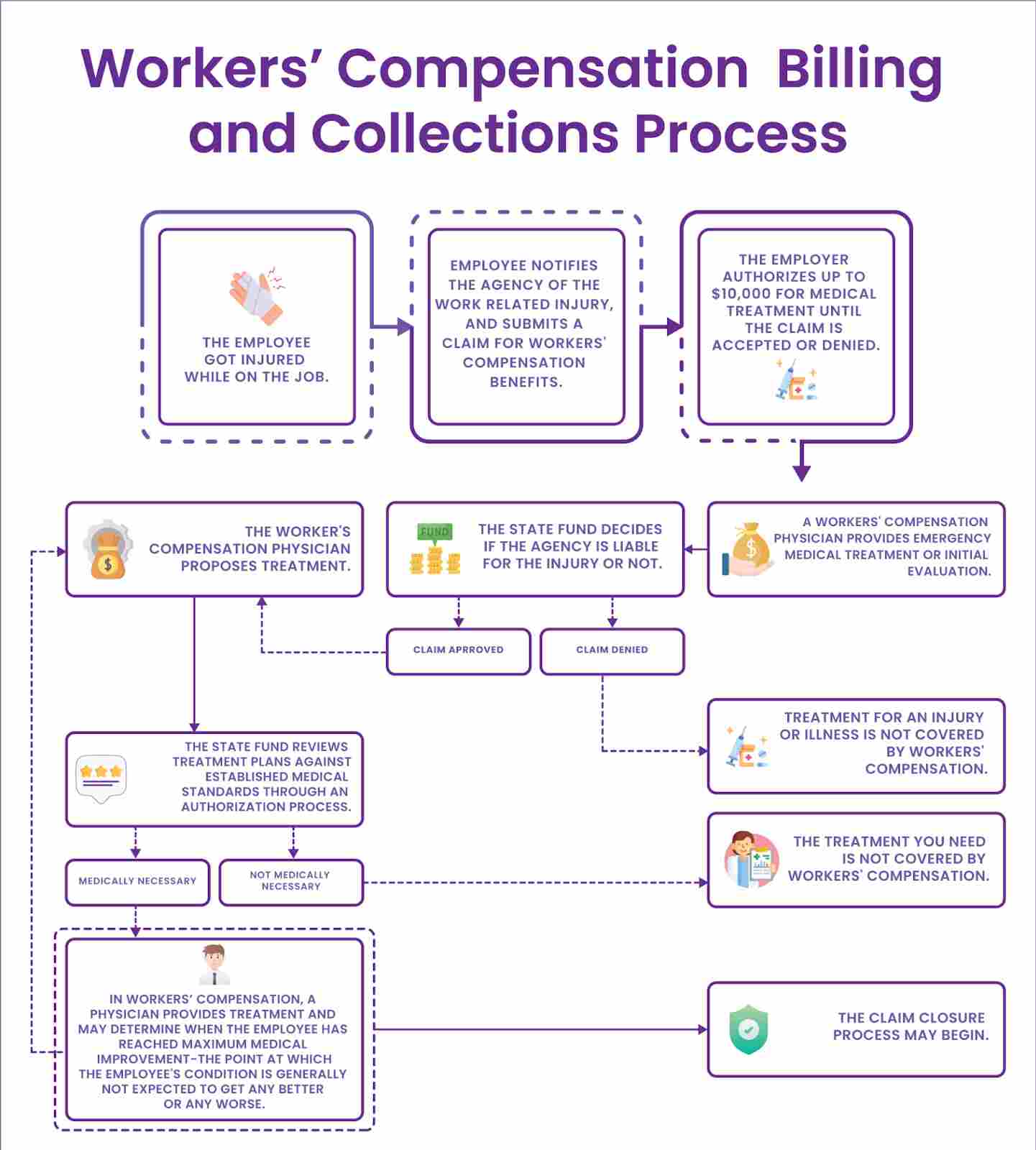
If an injury occurs, the employee must report the incident to their supervisor immediately. Failing to meet the employer's notification deadline—which can be as short as 30 days in some jurisdictions—can jeopardize the claim. Once reported, the employer is responsible for filing a formal claim with their insurance provider.
Common Misconceptions
One common mistake is the belief that an employee must be on the clock at a desk or factory floor to be covered. As of 2026, many states have expanded the interpretation of "workplace" to include remote work arrangements. If an employee is working from a home office and sustains an injury while performing a specific job task, they may be eligible for benefits. However, proving the injury was related to work rather than a domestic activity remains a high burden of proof for the claimant.
Resolving Disputes
If an insurance carrier denies a claim, the employee has the right to appeal. This usually involves:
- Administrative Review: Mediation or a hearing before a state board or commission.
- Medical Evaluation: An independent medical examination (IME) may be requested to verify the extent and cause of the injury.
- Legal Representation: In complex cases, particularly those involving permanent disability, many workers consult with attorneys who specialize in workers compensation law.
Frequently Asked Questions
Does workers compensation cover stress or mental health conditions? Coverage for mental health varies by state. While most states cover psychological conditions that result from a physical injury, fewer states provide benefits for "mental-mental" claims—those where the condition arises solely from workplace stress or harassment without an accompanying physical trauma.
Can I sue my employer if I receive workers compensation? Generally, no. The "exclusive remedy" rule prevents employees from suing their employers for negligence if they are covered by workers compensation. Exceptions exist only in rare cases, such as intentional harm caused by the employer or gross negligence.
What happens if my employer does not carry insurance? If an employer fails to maintain mandatory coverage, they face severe penalties, including fines and potential criminal charges. In such cases, many states have "Uninsured Employers Funds" that provide benefits to the worker, after which the state seeks reimbursement from the employer.
How is the amount of my benefit calculated? Your benefit is based on your "average weekly wage," which is typically calculated using your earnings from the 52 weeks preceding the injury. State laws establish minimum and maximum payment caps, regardless of how high or low your actual salary may have been.
Am I guaranteed my job back after I recover? Workers compensation is an insurance program, not a job-security program. While the Americans with Disabilities Act (ADA) may provide some protections against termination due to a disability, workers compensation laws themselves generally do not mandate that an employer keep your position open.
Next Steps for Injured Workers
If you have sustained a work-related injury, your priority should be obtaining medical attention. Once you have seen a healthcare provider, provide a written account of the incident to your employer immediately. Maintain thorough records of all correspondence, medical bills, and lost hours. If the claim is contested or you are facing long-term impairment, contact your state’s department of labor or workers compensation board to understand your rights and the specific filing deadlines applicable to your jurisdiction.
Disclaimer: This article is for informational purposes only and does not constitute legal or professional advice. Workers compensation laws vary significantly by state and country. Always consult with a qualified legal professional or your state's official labor department regarding your specific situation.
Image Gallery