Understanding the Insurance Health and Life Committee: Roles, Regulation, and Impact in 2026
An Insurance Health and Life Committee is a specialized regulatory or legislative body responsible for developing, reviewing, and implementing policies that govern the life insurance and health insurance sectors. These committees, prim...
An Insurance Health and Life Committee is a specialized regulatory or legislative body responsible for developing, reviewing, and implementing policies that govern the life insurance and health insurance sectors. These committees, primarily found within the National Association of Insurance Commissioners (NAIC) or state legislatures, ensure market solvency, consumer protection, and the standardization of insurance products across various jurisdictions.
Contents
The Dual Architecture of Health and Life Oversight
In the complex landscape of 2026 insurance regulation, "Health and Life Committees" typically operate through two distinct but interconnected frameworks: the regulatory framework (led by the NAIC) and the legislative framework (conducted by state-level committees). While the terminology may vary slightly by state—some jurisdictions combine them into a single "Life and Health" committee, while others separate them—their core mandate remains the stabilization of the private insurance market.
The NAIC Framework (Committees A and B)
The National Association of Insurance Commissioners (NAIC) serves as the primary standard-setting body in the United States. Its structure is the blueprint for most modern insurance regulation.
- Life Insurance and Annuities (A) Committee: This group focuses on the evolution of life products, mortality tables, and the solvency of life insurers. As of 2026, a major focus has been the refinement of Principle-Based Reserving (PBR) and the oversight of complex investment-oriented life products.
- Health Insurance and Managed Care (B) Committee: This committee addresses the shifting dynamics of the healthcare market, including the implementation of federal mandates (like the Affordable Care Act and subsequent 2020s reforms), the regulation of Pharmacy Benefit Managers (PBMs), and the expansion of telehealth standards.
The Legislative Framework
At the state level, the Insurance Health and Life Committee is often a standing committee in the House or Senate. These lawmakers are the "gatekeepers" for insurance statutes. They vet bills that mandate specific health coverages (such as autism services or fertility treatments) and establish the legal boundaries for how life insurance beneficiaries are protected during carrier insolvencies.
Core Functions of the Health and Life Committee
To understand the committee's impact, one must look at the specific mechanisms they use to manage the multi-trillion-dollar insurance industry. Their work is generally divided into four functional pillars: product regulation, solvency monitoring, market conduct, and consumer advocacy.
1. Development of Model Laws
One of the most critical tasks is the creation of "Model Laws." Since insurance is regulated at the state level rather than the federal level in the U.S., inconsistency can be a massive burden for carriers. The committee drafts model legislation that states can adopt to ensure a "uniform" experience for consumers. In 2026, the focus has shifted heavily toward the Artificial Intelligence in Underwriting Model Act, which sets boundaries on how life and health insurers use machine learning to price risk.
2. Solvency and Risk-Based Capital (RBC)
The committee oversees the financial health of insurance companies. They utilize Risk-Based Capital (RBC) formulas to determine the minimum amount of capital an insurer must hold to support its business operations. For the Life Committee, this involves analyzing long-term investment portfolios; for the Health Committee, it involves assessing the "Medical Loss Ratio" (MLR)—the percentage of premiums spent on actual medical care versus administrative costs.
3. Rate Review and Actuarial Standards
Insurance committees do not just look at the "what"; they look at the "how much." In the health sector, committees review annual rate filings to prevent "price gouging" while ensuring the insurer remains solvent. In the life sector, they oversee the implementation of updated mortality tables—which, in 2026, have been adjusted to account for post-pandemic longevity trends and advancements in precision medicine.
4. Market Conduct Examinations
The committee establishes the protocols for "Market Conduct Exams." These are audits where regulators investigate an insurer’s sales practices, claims handling, and policy disclosures. If a committee finds that a life insurer is unfairly delaying death benefit payouts, they have the authority to trigger multi-state settlements and reform the industry's operational standards.
Critical Priorities in the 2026 Insurance Landscape
By 2026, the Insurance Health and Life Committee has been forced to adapt to rapid technological and societal shifts. Several key "hot-button" issues now dominate their agendas.
AI and Algorithmic Bias in Underwriting
The use of "big data" has revolutionized how life insurance is priced. Committees are currently grappling with the ethical implications of using social media data, purchase history, and even genetic markers in underwriting. The 2026 guidelines require insurers to prove that their algorithms do not create "proxy discrimination" against protected classes, moving toward a "transparent box" model for AI.
Mental Health Parity Enforcement
While the Mental Health Parity and Addiction Equity Act (MHPAEA) has existed for years, the Health Committee's 2026 focus is on rigorous enforcement. This includes auditing how health plans manage "Non-Quantitative Treatment Limits" (NQTLs), such as prior authorization requirements for mental health services compared to medical/surgical services.
The Long-Term Care (LTC) Solvency Crisis
Life insurance committees are heavily involved in the ongoing crisis of legacy Long-Term Care policies. Many insurers underpriced these products decades ago. Committees are now tasked with balancing the need for premium increases to keep insurers solvent against the need to protect elderly policyholders from losing coverage they have paid into for 30 years.
Comparative Overview: Life vs. Health Committee Focus Areas
The following table outlines the distinct priorities and regulatory tools used by these committees in 2026.
| Feature | Life Insurance Committee (A) | Health Insurance Committee (B) |
|---|---|---|
| Primary Goal | Asset protection and long-term solvency. | Access to care and cost containment. |
| Key Metric | Principle-Based Reserving (PBR). | Medical Loss Ratio (MLR). |
| Primary Product | Whole/Term Life, Annuities, IUL. | HMO, PPO, Medicare Advantage. |
| 2026 Tech Focus | Accelerated Underwriting (AU). | Telehealth and Digital Therapeutics. |
| Consumer Risk | Inflation eroding death benefit value. | Network adequacy and "Ghost Networks." |
| Regulatory Tool | Standard Non-Forfeiture Law. | Essential Health Benefits (EHB) rules. |
How Stakeholders Interact with the Committee
The Insurance Health and Life Committee does not operate in a vacuum. It is a highly collaborative (and often contested) environment involving several key players.
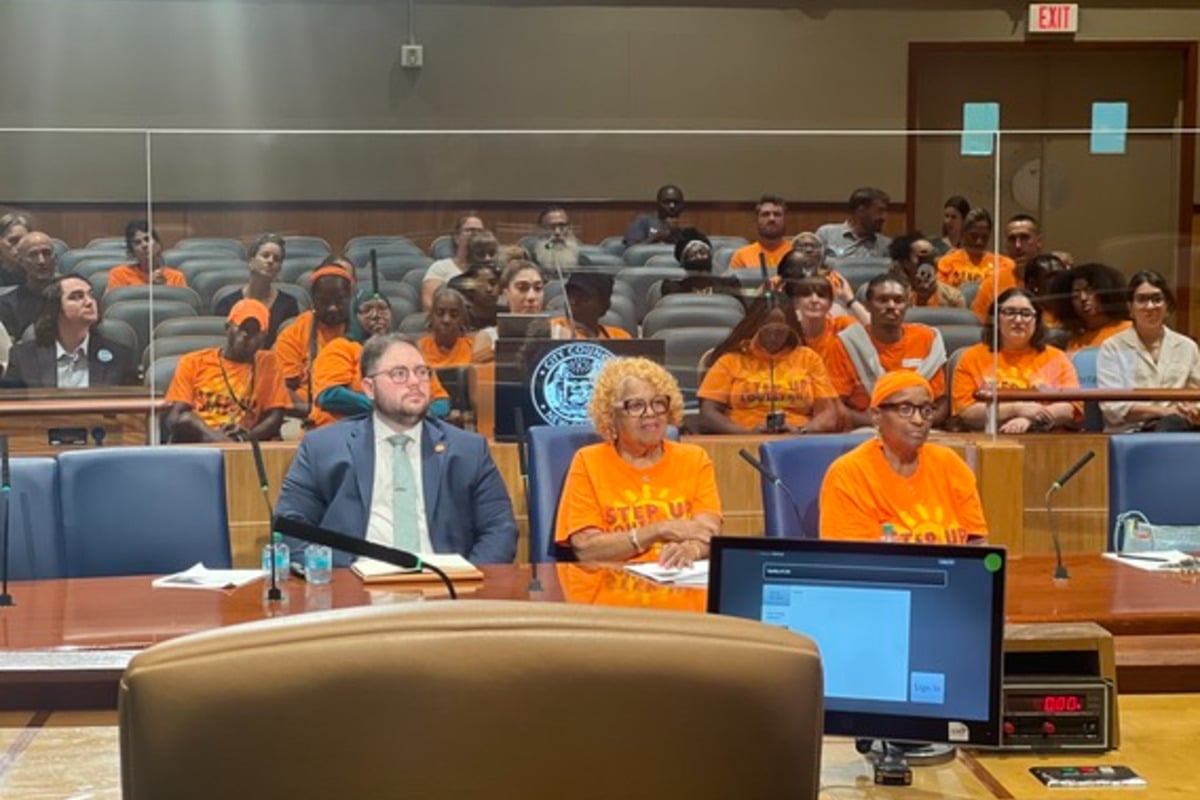
- Consumer Advocates: These groups testify before committees to ensure that policy language is readable and that "junk fees" are eliminated from health plans.
- Actuarial Boards: Organizations like the American Academy of Actuaries provide the mathematical data that committees use to set reserve requirements.
- Industry Lobbyists: Representing major carriers, these individuals argue for regulations that allow for innovation and competitive pricing while warning against over-regulation that could lead to market exits.
- Federal Liaisons: Because the Department of Health and Human Services (HHS) and the Department of Labor (DOL) have overlapping jurisdictions, committee members must constantly coordinate to avoid conflicting state and federal rules.
Requirements for Compliance and Participation
For insurance professionals and legal teams, staying compliant with committee mandates is a continuous process. In 2026, the requirements for engagement typically include:
- Annual Filing Certification: Carriers must certify that their policies meet the latest "Model Language" standards issued by the committee.
- Public Hearing Testimony: When major rate changes are proposed, the committee often holds public hearings where carriers must defend their actuarial assumptions.
- Data Reporting: Modern committees require granular data reporting on "Social Determinants of Health" (SDOH) to help shape future public health policy.
- Licensing Standards: The committee sets the educational and ethical standards for agents and brokers selling life and health products.
Frequently Asked Questions
What is the role of the Health and Life Committee in Medicare Advantage?
The committee (specifically the NAIC Health Committee) develops the guidelines for Medicare Supplement (Medigap) plans and provides recommendations to the federal government regarding the marketing and sales practices of Medicare Advantage plans. While Medicare is a federal program, state committees play a massive role in licensing the agents who sell these plans and investigating consumer complaints regarding misleading advertisements.
Can a state committee reject a life insurance rate increase?
For most traditional life insurance products, rates are "set" at the time of purchase and cannot be increased. However, for "adjustable" products or Long-Term Care (LTC) insurance, the committee (or the state insurance commissioner it oversees) has the authority to approve, modify, or deny rate increase requests based on whether they are "actuarially justified" and not "unfairly discriminatory."
How do committees handle "Suicide Clauses" in life insurance?
Insurance committees have standardized the "suicide clause" in most jurisdictions, typically limiting the exclusion to the first two years of the policy. The committee’s role is to ensure that after this period, the insurer cannot deny a claim based on the cause of death, thereby protecting the beneficiaries' financial security.
What is "Network Adequacy" and why does the Health Committee monitor it?
Network adequacy refers to the requirement that a health insurer must have enough doctors, specialists, and hospitals within a reasonable distance from a policyholder. In 2026, committees have implemented stricter "travel time and distance" standards to prevent "Ghost Networks"—lists of doctors who are technically in the network but are not actually accepting new patients or have left the area.
How are committees addressing climate change and health?
By 2026, Health Committees have begun integrating environmental risk data into their planning. This includes evaluating how extreme heat or poor air quality increases respiratory claims and ensuring that insurers have the capital reserves to handle "surge" events related to climate-driven health crises.
Practical Recommendation for 2026
If you are a policyholder or a professional in the industry, it is vital to monitor the NAIC Model Law tracker. The Insurance Health and Life Committee often introduces "Model Acts" that may not become state law for 12–24 months. By tracking these developments early, life insurance policyholders can better understand how new mortality tables might affect their dividends, and health insurance consumers can anticipate changes to their provider networks or covered benefits. For businesses, participating in the "Public Comment" periods of these committees is the most effective way to influence the regulatory environment before a bill reaches the legislative floor.
Image Gallery