Everyday Life in Colombia: A Practical Guide to Daily Routines, Living Costs, and Culture
Everyday life in Colombia combines early morning routines, a vibrant outdoor social culture, strong family ties, and modern urban conveniences. Residents navigate a structured socioeconomic neighborhood system, affordable fresh produce...
Everyday life in Colombia combines early morning routines, a vibrant outdoor social culture, strong family ties, and modern urban conveniences. Residents navigate a structured socioeconomic neighborhood system, affordable fresh produce, efficient private healthcare options, and varied regional climates ranging from tropical coastal areas to chilly mountain cities.
Contents
Socioeconomic Stratification: The Estrato System and Housing
Understanding residential life in Colombia requires familiarity with the national system of estratos socioeconómicos (socioeconomic strata). Established by the national government to distribute utility subsidies, residential properties are assigned a numerical tier from 1 to 6 based on neighborhood infrastructure, building quality, and urban development.
- Estratos 1 to 3: These lower-income residential areas receive subsidized rates on basic public utilities (electricity, water, natural gas, and landline telephone service). Neighborhoods in these brackets are typically denser, featuring traditional brick constructions, lively street markets, and local corner shops (tiendas de barrio).
- Estrato 4: This tier represents the economic baseline where residents pay the exact market cost for public utilities without subsidies or surcharges. Estrato 4 neighborhoods often attract middle-class professionals seeking secure apartment buildings, commercial convenience, and moderate living costs.
- Estratos 5 and 6: These upper-middle-class and upper-income areas pay a mandatory surcharge on public utilities to help fund the subsidies for Estratos 1 through 3. Housing in these tiers includes modern high-rises with security guards (portería 24/7), green space, private parking, and proximity to international dining, private clinics, and modern shopping centers.
For expatriates and newcomers choosing long-term housing, apartment leases (contratos de arrendamiento) typically require a one-year commitment. Traditional landlords often request a fianza (rental insurance guarantee) or a codeudor (a co-signer who owns local real estate). However, flexible furnished rentals through international platforms or direct property managers have become standard alternatives in urban centers like Medellín, Bogotá, Cali, and Barranquilla.
Work, Education, and Daily Schedule Rhythms
Daily life across Colombia begins early. Referred to locally as madrugar (rising early), the population starts morning routines early to avoid peak commute congestion and take advantage of morning weather window before afternoon rains, which are common in Andean cities.
Typical Daily Timeline in Urban Colombia:
- 05:30 AM – 06:30 AM | Rising early, preparing coffee (tinto), commuting begins
- 07:00 AM – 08:00 AM | School day starts; workday commences in offices/factories
- 12:00 PM – 02:00 PM | Two-hour block for mid-day meal (almuerzo ejecutivo)
- 05:00 PM – 07:00 PM | End of workday, evening transit rush, grocery shopping
- 07:30 PM – 09:00 PM | Dinner with family, evening social activities, resting
Morning Routines and Work Culture
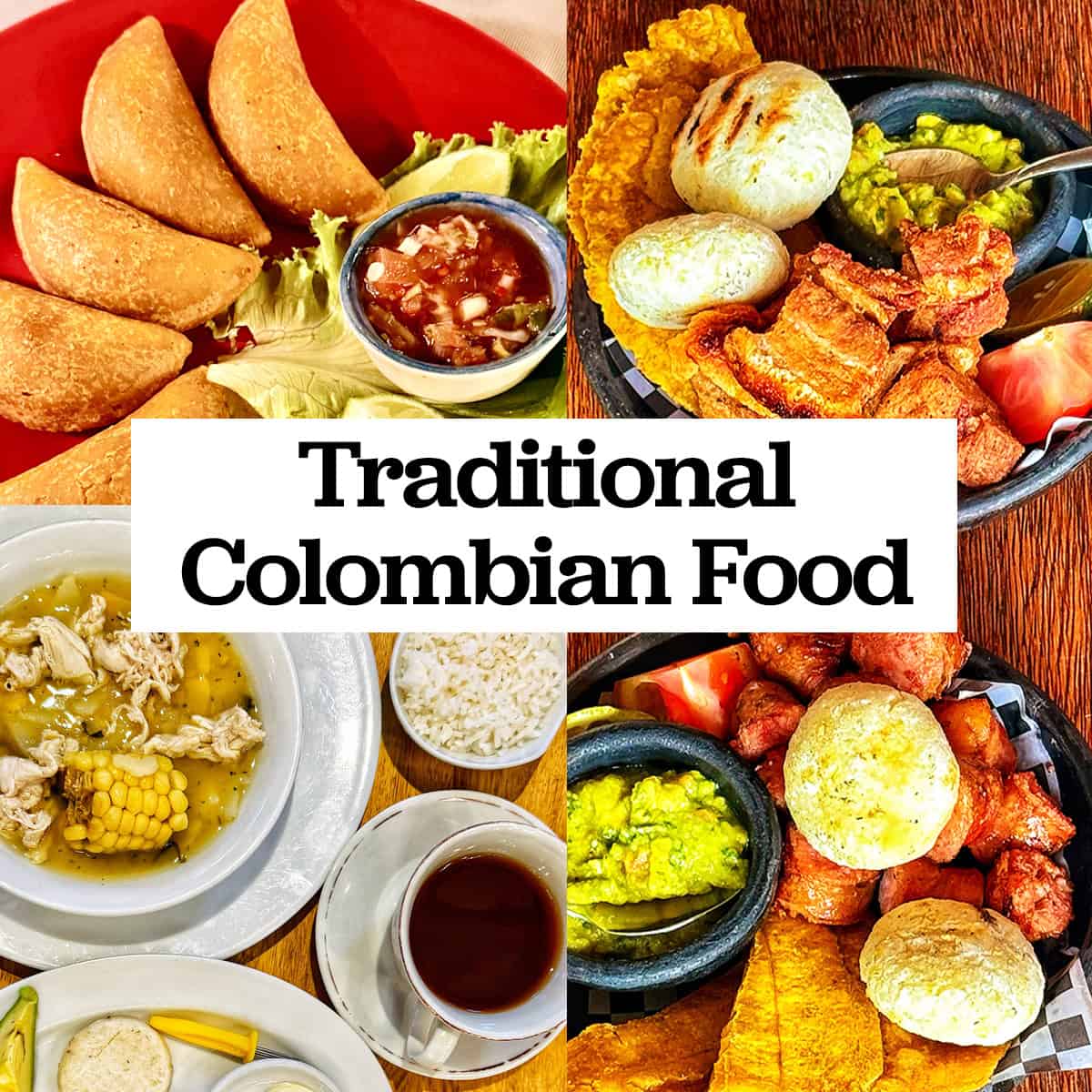
Workdays generally start between 7:00 AM and 8:00 AM for corporate, public, and manufacturing sectors. School buses (rutas escolares) begin picks-ups as early as 5:45 AM. The morning routine typically starts with a cup of tinto—a small, concentrated black coffee—often accompanied by regional breakfast items like arepas (corn cakes), almojábanas (cheese bread), or eggs.
Professional communication in Colombia emphasizes formality, politeness, and relationship building. Greetings such as "Buenos días" (Good morning) or "¿Cómo está?" (How are you?) precede any formal business discussion. Direct confrontation is culturally avoided; communication relies on indirect, gentle phrasing (gentileza and calidez) to preserve social harmony.
Lunchtime as a Core Social Pillar
Lunch (el almuerzo) remains the main meal of the day. Unlike quick desk lunches common in North America or Northern Europe, working professionals in Colombia take a dedicated hour or hour-and-a-half break between 12:00 PM and 2:00 PM.
Local restaurants serve an almuerzo ejecutivo or corrientazo—a fixed-price lunch menu designed for daily workers. This meal typically includes:
- A bowl of soup (such as sancocho, ajiaco, or bean soup).
- A main plate consisting of a protein (beef, chicken, or pork), white rice, beans or lentils, plantain (patacón or tajada), and a small salad.
- A fresh seasonal fruit juice (jugo natural made with water or milk) and a small sweet treat.
Social Life and Family Centricity
Family structure remains the primary foundation of social organization in Colombia. Multi-generational gatherings on weekends are standard, often revolving around Sunday family lunches, sporting events, or short trips (paseos) to warmer nearby towns (tierra caliente). Evening leisure revolves around local parks, cafes, neighborhood restaurants, and active outdoor routines.
Navigating Transportation: Urban Mobility Across Major Cities
Transport networks vary depending on topography, city size, and local infrastructure investments. Understanding transit options helps residents commute efficiently and safely.
Medellín's Integrated Transit Network
Medellín operates the country’s most comprehensive public transportation system, managed by the Metro de Medellín. The integrated network includes:
- Metro Train System: High-capacity urban rail connecting north to south and center to west.
- Metrocable: Cable car lines integrated into the metro tariff system, connecting mountain-slope neighborhoods to the valley floor.
- Tranvía: A modern electric tram line serving eastern districts.
- Metroplús: Dedicated bus rapid transit (BRT) lanes connected to rail stations.
Bogotá's Bus Rapid Transit and Commuting Realities
Bogotá, a high-altitude metropolis of over nearly eight million residents, relies on the TransMilenio system—a network of red, articulated buses running on dedicated center lanes. While highly efficient for bypassing general traffic congestion, TransMilenio experiences heavy overcrowding during peak rush hours (6:30 AM – 8:30 AM and 5:00 PM – 7:30 PM).
Supplementary transit in Bogotá includes the SITP (Sistema Integrado de Transporte Público) neighborhood feeder buses, yellow metered taxis, and an extensive network of protected bicycle paths (ciclorrutas). Every Sunday and public holiday, main avenues close to vehicular traffic from 7:00 AM to 2:00 PM for the Ciclovía, allowing hundreds of thousands of residents to walk, run, bike, and skate safely through the city.
Ride-Hailing Apps and Taxis
Traditional yellow taxis operate across all cities, equipped with meters (taxímetros) in Bogotá or fixed rate sheets in cities like Medellín and Cartagena. Mobile hailing platforms such as Uber, Cabify, InDrive, and DiDi are used for daily commutes due to upfront pricing and digital tracking features.
Accessing Healthcare and Essential Services
Colombia’s healthcare system is consistently ranked among the most effective in Latin America, featuring modern facilities, well-trained medical professionals, and affordable monthly premiums.
EPS vs. Medicina Prepagada
The system operates on a dual-layer structure:
COLOMBIAN HEALTHCARE SYSTEM:
EPS (Entidad Promotora de Salud)
- Mandatory basic health coverage
- Funded by monthly payroll contributions (~12.5%)
- Covers primary consultations, emergency care, generic meds
Medicina Prepagada (Private Voluntary Coverage)
- Optional private insurance top-up
- Direct access to specialists without GP referral
- Private hospital rooms and bilingual staff options
Entidades Promotoras de Salud (EPS): The mandatory basic health insurance plan. Legal residents and employees contribute a fixed percentage of their monthly income (typically 12.5% split between employer and employee, or paid fully by independent contractors) to access coverage. EPS handles general practitioner visits, emergency care, lab work, and prescribed medications through designated clinic networks.
Medicina Prepagada / Pólizas de Salud: Private voluntary insurance plans offered by providers like Sura, Coomeva, and Colsanitas. Prepagada allows policyholders to bypass general practitioner referrals, schedule direct appointments with specialists, utilize top-tier private clinics (such as Fundación Santa Fe in Bogotá or Clínica Las Américas in Medellín), and access private hospital rooms.
Banking and Financial Logistics
Opening a local bank account as a foreigner requires a valid legal residence permit (Cédula de Extranjería). Major financial institutions include Bancolombia, Banco de Bogotá, Davivienda, and BBVA Colombia. Digital wallets such as Nequi and DaviPlata are widely integrated into daily transactions, allowing users to pay for street food, groceries, rides, and peer-to-peer transfers using QR codes directly from a smartphone.
Cost of Living Breakdown
Living costs in Colombia vary based on location, household size, and neighborhood estrato. Cities like Bogotá, Medellín, and Cartagena feature higher costs for rent and entertainment than secondary cities such as Bucaramanga, Pereira, or Manizales.
The table below outlines average monthly expenditures for a single individual living in an Estrato 4 or 5 neighborhood across major metropolitan areas:
| Expense Category | Bogotá (USD / COP Equivalent) | Medellín (USD / COP Equivalent) | Cali / Eje Cafetero (USD / COP Equivalent) |
|---|---|---|---|
| 1-Bedroom Apartment Rent (Estrato 4/5) | $450 – $750 / ~1.8M – 3.0M COP | $500 – $850 / ~2.0M – 3.4M COP | $350 – $550 / ~1.4M – 2.2M COP |
| Utilities (Electricity, Water, Gas, Trash) | $50 – $90 / ~200k – 360k COP | $60 – $100 / ~240k – 400k COP | $40 – $70 / ~160k – 280k COP |
| High-Speed Home Internet (100–300 Mbps) | $18 – $25 / ~70k – 100k COP | $18 – $25 / ~70k – 100k COP | $15 – $22 / ~60k – 90k COP |
| Groceries (Local Markets + Supermarkets) | $150 – $250 / ~600k – 1.0M COP | $150 – $240 / ~600k – 960k COP | $120 – $200 / ~480k – 800k COP |
| Private Healthcare (Medicina Prepagada) | $70 – $140 / ~280k – 560k COP | $70 – $130 / ~280k – 520k COP | $60 – $110 / ~240k – 440k COP |
| Public Transit / Mobility Apps | $40 – $70 / ~160k – 280k COP | $35 – $65 / ~140k – 260k COP | $30 – $50 / ~120k – 200k COP |
| Dining Out & Leisure | $150 – $300 / ~600k – 1.2M COP | $160 – $320 / ~640k – 1.3M COP | $100 – $200 / ~400k – 800k COP |
| Total Estimated Monthly Budget | $928 – $1,625 USD | $993 – $1,730 USD | $715 – $1,192 USD |
Note: Foreign currency conversions fluctuate based on daily exchange rates. Figures reflect middle-class living standards in urban neighborhoods.
Safety Dynamics, Local Norms, and Security Etiquette
While Colombia’s safety conditions have improved dramatically over recent decades, urban security requires proactive awareness. Local security etiquette is best encapsulated by the widely recognized cultural phrase: "No dar papaya" (literally, "Don't give papaya"), which translates to: do not present unnecessary targets of opportunity for petty theft.
Practical Security Practices
- Mobile Devices: Avoid texting or holding expensive smartphones loosely while walking near busy streets, open bus windows, or unmonitored public spaces where snatch-and-grab thefts occur via passing motorcycles.
- ATM Usage: Use ATMs located inside secure shopping centers or bank branches rather than standalone outdoor street terminals.
- Taxis and Mobility: Avoid flagging unmetered street taxis at night in unfamiliar zones; use digital ride-hailing applications to track routes and driver credentials.
- Neighborhood Awareness: Inquire with trusted locals or building management regarding security boundaries when visiting unfamiliar sectors within major urban centers.
Cultural Etiquette and Communication Standards
- Formal vs. Informal Address: Use "Usted" when speaking to strangers, service staff, elders, or professional colleagues. In cities like Bogotá and Pasto, "usted" is used even among friends and family, whereas in Medellín (Paisa region) and the Caribbean coast (Costeño region), "tú" or "vos" are common in informal settings.
- Tipping Culture (La Propina): In restaurants, service staff will ask before printing the bill if you wish to include the voluntary tip ("¿Desea incluir el servicio?"). The standard voluntary gratuity is 10%, which is added directly to the total bill. Tipping taxi drivers is not customary, though rounding up the fare to the nearest thousand pesos is common practice.
- Punctuality Context: While formal corporate meetings and medical appointments strictly expect punctuality, casual social events often operate on flexible time frames (tiempo colombiano), where guests may arrive 15 to 30 minutes after the stated invitation time.
Frequently Asked Questions
What language skills are required for daily life in Colombia?
While English is spoken in high-end hotels, corporate settings, and tourist districts, basic to intermediate Spanish proficiency is essential for navigating daily life. Shopping at local markets, coordinating building maintenance, communicating with drivers, and accessing public services require operational Spanish.
How does the tap water quality vary across Colombia?
Tap water is safe to drink directly from the faucet in major metropolitan areas, including Bogotá, Medellín, Cali, and Bucaramanga. However, in rural areas, smaller towns, and coastal locations like Cartagena or Santa Marta, residents and visitors generally rely on filtered or bottled water for drinking and cooking.
What is the climate like year-round?
Colombia does not experience traditional four seasons; instead, temperature is determined by altitude (pisos térmicos). Bogotá sits at 2,640 meters (8,660 feet) above sea level, maintaining cool temperatures averaging 10°C to 19°C (50°F to 66°F). Medellín ("City of Eternal Spring") sits at 1,500 meters, offering warm year-round temperatures around 18°C to 28°C (64°F to 82°F). Coastal cities like Cartagena feature tropical heat averaging 26°C to 32°C (78°F to 90°F).
What are the main options for domestic travel within the country?
Colombia’s mountainous terrain makes highway travel long between major regions. Consequently, domestic air travel is the standard choice for long-distance transit. Airlines such as Avianca, Wingo, and LATAM connect major cities with short flights (typically 45 to 60 minutes between Bogotá, Medellín, and Cali). Intercity buses (flotas) operate extensively for shorter regional trips or travel between mountain towns.
Actionable Recommendations for Settling in Colombia
- Establish Legal Residency Early: Ensure your visa status (such as a Digital Nomad Visa, Student Visa, or Migrant/Work Visa) is properly registered with Migración Colombia within 15 days of entry to obtain your official Cédula de Extranjería.
- Select the Right Estrato for Your Needs: Choose housing in Estrato 4 or 5 neighborhoods when starting out to balance safety, modern infrastructure, convenient amenities, and predictable utility costs.
- Enroll in Private Healthcare Coverage: Supplement mandatory EPS registration with a voluntary Medicina Prepagada policy to ensure immediate access to specialists and top-tier private hospital networks.
- Set Up Local Digital Payments: Download and link mobile wallet applications like Nequi once you obtain your local ID, simplifying micro-payments for everyday transportation, small purchases, and food services.
Image Gallery