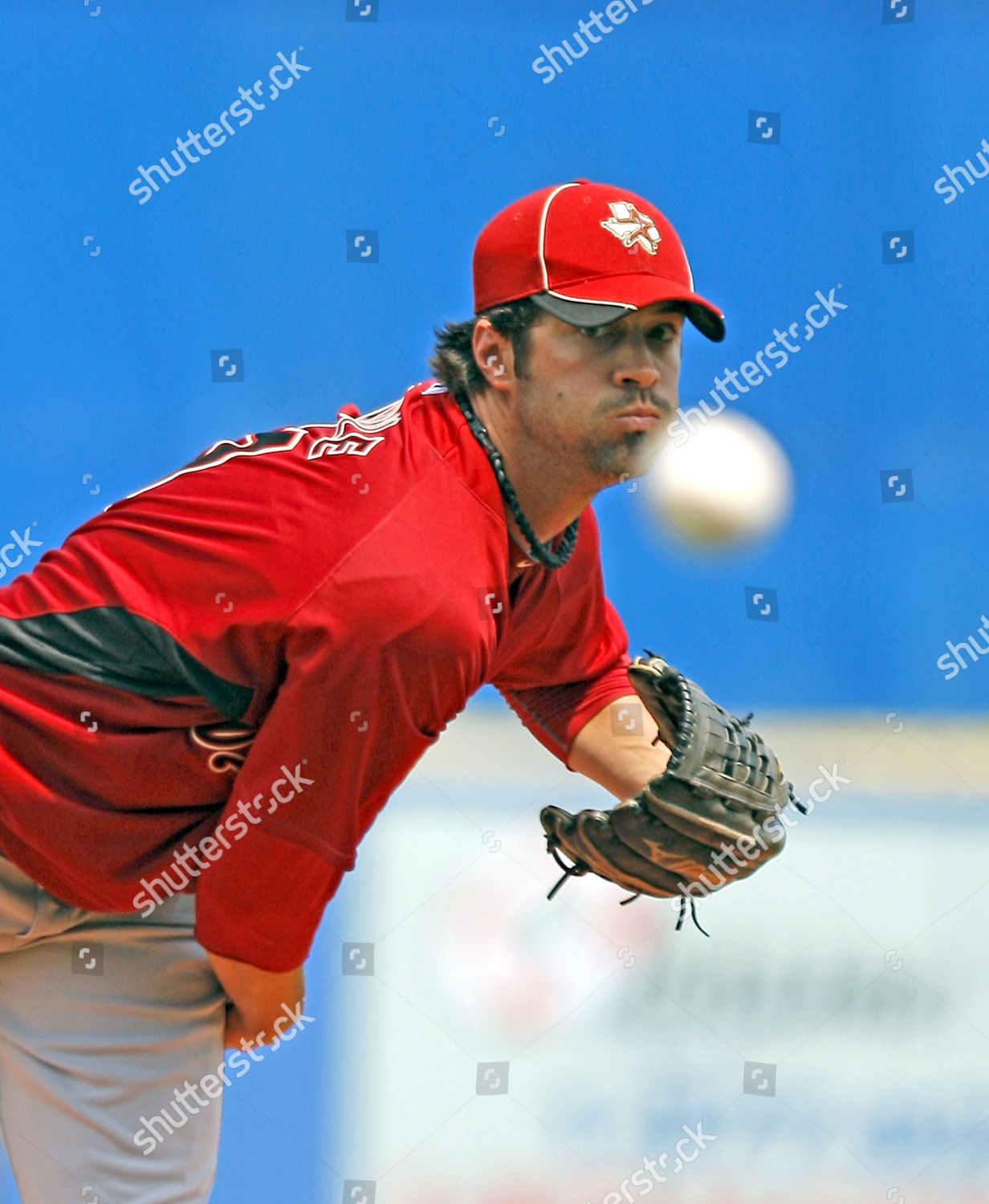
The Professional Career of Casey Daigle in Major League Baseball
The career of Casey Daigle in baseball is defined by his journey as a right-handed pitcher who navigated the complexities of professional scouting, minor league development, and the distinct challenges of reaching the Major League Base...
The career of Casey Daigle in baseball is defined by his journey as a right-handed pitcher who navigated the complexities of professional scouting, minor league development, and the distinct challenges of reaching the Major League Baseball (MLB) level. Drafted by the Arizona Diamondbacks in 1999, Daigle transitioned from a promising high school prospect to a pitcher who logged service time in the big leagues before navigating the demanding landscape of various organizations across several years of professional play.
Contents
Early Development and Scouting Prospects
Casey Daigle’s path into professional baseball began in the late 1990s, a period marked by intense scouting for high-ceiling talent in the amateur ranks. A product of Sulphur High School in Louisiana, Daigle emerged as a notable pitching prospect due to his physical stature and the velocity he demonstrated during his prep career. In the 1999 MLB June Amateur Draft, the Arizona Diamondbacks selected him in the second round (67th overall pick).
The transition from high school baseball to professional pitching is widely considered one of the most significant leaps in sports. For a pitcher, this involves adapting to the increased workload of a professional season, refining secondary pitches to complement a primary fastball, and learning the mental nuances of competitive professional play. Daigle’s early years in the Diamondbacks' farm system were focused on these fundamental adjustments, moving through the lower levels of the minor leagues to establish himself as a viable candidate for higher-level promotion.
The Professional Pipeline: Minor League Progression
To understand the career of a professional athlete, one must examine the structure of the Minor League Baseball system. Daigle spent several years developing within the Diamondbacks' organization. This period is critical for any pitcher; it is where mechanics are scrutinized and refined under the guidance of specialized pitching coaches, and where physical conditioning becomes a primary occupation rather than a secondary concern.
Progressing through the ranks—from Rookie ball and Short-Season A to High-A and Double-A—requires more than talent; it demands the ability to maintain consistency under pressure. Throughout the early 2000s, Daigle worked to elevate his profile within the Diamondbacks' system. His progression was not linear, as is common for many young pitchers who face injury concerns, fluctuating command, or the natural variance in performance that occurs when facing increasingly sophisticated hitters who are also fighting for roster spots.
Reaching the Major Leagues: 2004 Season
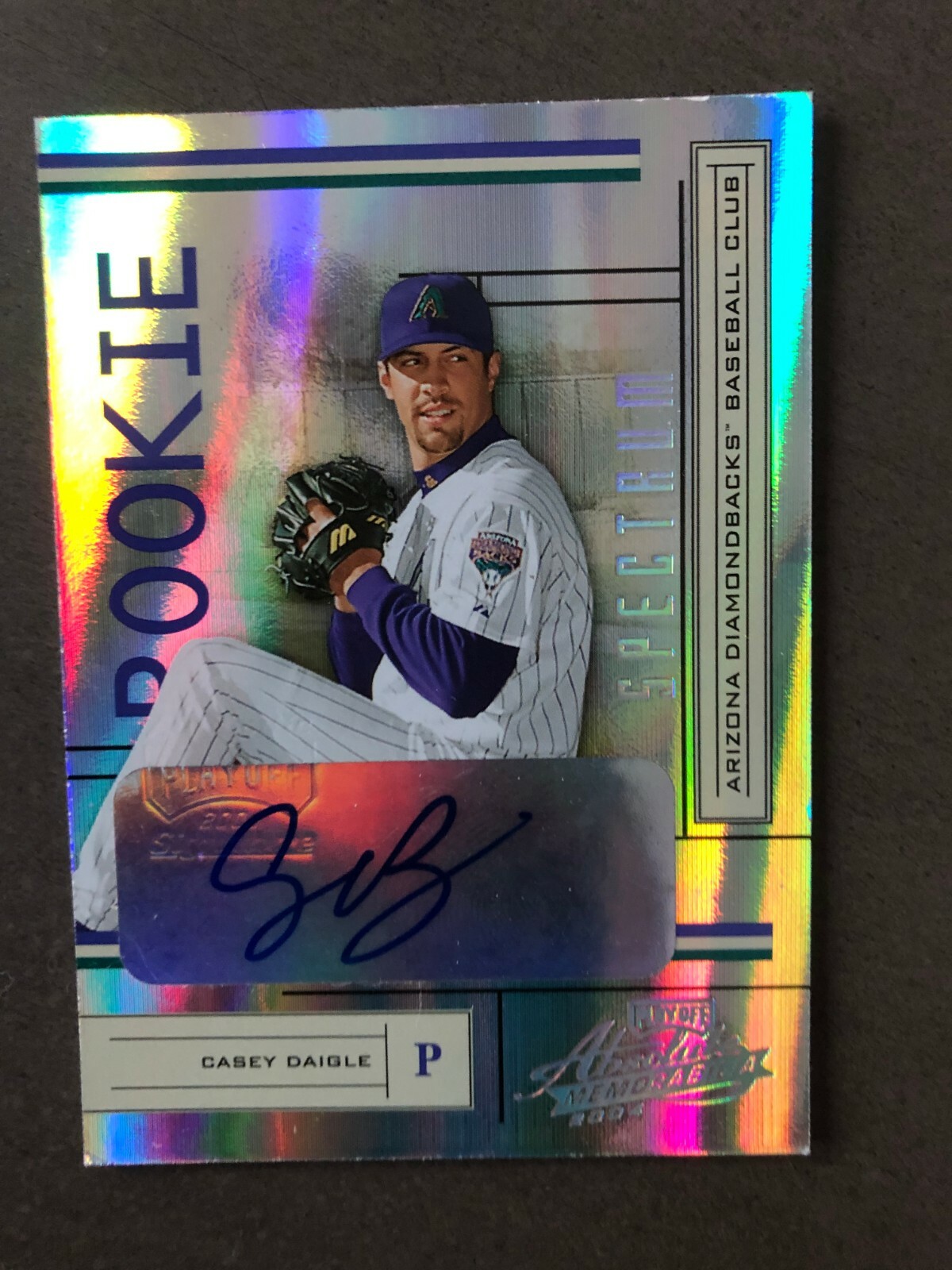
The pinnacle of a professional baseball career is the arrival at the Major League level. For Casey Daigle, this objective was realized during the 2004 season when he made his debut for the Arizona Diamondbacks. Making the transition from the Triple-A level to the MLB requires a pitcher to adjust to more disciplined hitters, a smaller margin for error, and the heightened public scrutiny associated with the highest level of professional sport.
In 2004, Daigle appeared in 24 games for the Diamondbacks. During this campaign, he pitched 36.2 innings, providing depth to the team's bullpen. This specific stretch of his career serves as a case study for the "replacement-level" utility that many professional pitchers provide: the ability to eat innings, provide relief in various game states, and prove that the player possesses the mental fortitude to perform at the highest stage. His work during this time was characterized by the effort to establish a permanent role in a professional pitching staff, a goal that remains the central focus for every player in the major league pipeline.
Post-Diamondbacks Career and Organizational Shifts
After his initial tenure with the Diamondbacks, Daigle’s career trajectory saw him move through several organizations. In the professional baseball market, player movement is often dictated by a combination of free agency, organizational trades, and the constant search for team depth. This phase of his career highlighted the transient nature of professional sports, where a player may need to adapt to different coaching philosophies, scouting departments, and team cultures on a frequent basis.
Throughout the mid-2000s, Daigle was associated with various clubs, including the Texas Rangers and the Minnesota Twins organizations, among others. These moves often reflect the strategic needs of front offices seeking bullpen depth or projectable arms that can be developed in the minor leagues. For the player, each new organization represents a fresh opportunity to prove that their specific skill set—whether it be a particular pitch mix, durability, or adaptability—fits the immediate roster requirements of a different major league club.
Comparative Overview of Career Stages
| Career Phase | Focus/Objective | Typical Requirements |
|---|---|---|
| Amateur/Draft | Prospect projection | Velocity, size, athleticism |
| Minor League Development | Mechanic refinement | Command, secondary pitches |
| MLB Debut (2004) | Performance consistency | Mental toughness, elite scouting |
| Post-MLB Tenure | Organizational utility | Adaptability, veteran presence |
The Mechanics and Demands of Relief Pitching
Casey Daigle’s role as a relief pitcher carries a distinct set of demands compared to those of a starting pitcher. Relief pitchers must be prepared to enter a game in any inning, often under high-stress conditions where runners are already on base. This requires a specific psychological profile: the ability to clear one's mind immediately upon stepping onto the mound and to execute pitches without the long-form rhythm of a starting pitcher who has already established a game-long cadence.
Technically, relief pitchers often focus on "short-burst" velocity and specialized pitch combinations designed to get one or two outs quickly. In the 2004 era of baseball, which preceded some of the more extreme analytical shifts in modern relief specialization, the role was primarily defined by middle relief and the ability to bridge the gap between a starter and the closer. Understanding this role requires acknowledging that a pitcher’s value is often measured by their strike-to-ball ratio, their ability to induce ground balls, and their capacity to prevent inherited runners from scoring.
Challenges and Longevity in Professional Baseball
The career of a professional pitcher is frequently punctuated by physical attrition. The arm, and specifically the shoulder and elbow, are under constant stress when throwing at a professional level. Many players find that their career longevity is directly proportional to their injury management and their ability to stay healthy throughout the rigors of a 162-game season. For Daigle, as for many others, navigating the professional landscape meant managing the physical toll of a sport that demands explosive movement on a near-daily basis.
Furthermore, the competitive nature of professional baseball means that even a successful stint in the major leagues does not guarantee a permanent roster spot. Organizations are perpetually cycling through talent, looking for younger, cheaper, or more effective options. Staying employed in the industry requires not only physical health but also the ability to accept changing roles, from being a top-tier prospect to a reliable organizational hand, and finally to a veteran leader in the clubhouse.
Frequently Asked Questions
What was the highlight of Casey Daigle’s professional career? The primary highlight was his promotion to the Arizona Diamondbacks in 2004, where he spent significant time pitching at the major league level, proving he could compete against the highest tier of talent in the world.
How does a player move between different MLB organizations? Players move through various mechanisms including trades, free agency, and "waver claims." Often, a team will acquire a player to fill a temporary void in their bullpen or pitching staff, providing the player with a new opportunity to demonstrate their value.
What are the biggest challenges for a relief pitcher? The primary challenge is the irregularity of the workload and the high-leverage nature of the situations they enter. They must maintain their arm strength without a set schedule and be ready to execute at 100% capacity from the moment they exit the bullpen.
Did Casey Daigle pitch for teams other than the Diamondbacks? Yes, during his professional career, he was part of several different organizations, as is common for pitchers navigating the minor league system and looking for opportunities to secure a roster spot at the major league level.
What skills are most important for a young pitcher? While velocity is often the most scouted attribute early on, the ability to command multiple pitches—specifically the fastball and at least one secondary "off-speed" pitch—is essential for long-term survival in the professional ranks.
Next Steps for Aspiring Pitchers
For those analyzing the career of a player like Casey Daigle to better understand the professional pipeline, the most valuable takeaway is the importance of perseverance. The difference between a professional career and an amateur one is often the ability to handle the "grind" of the minor leagues. Aspiring athletes should focus on individualized conditioning programs, consistent mechanical work with qualified pitching coaches, and the development of the mental toughness required to handle the high turnover rate of the professional game. Understanding that the path is rarely a straight line is the first step toward managing the expectations of a professional baseball journey.
Image Gallery