Is Employer-Provided Life Insurance Taxable to the Individual?
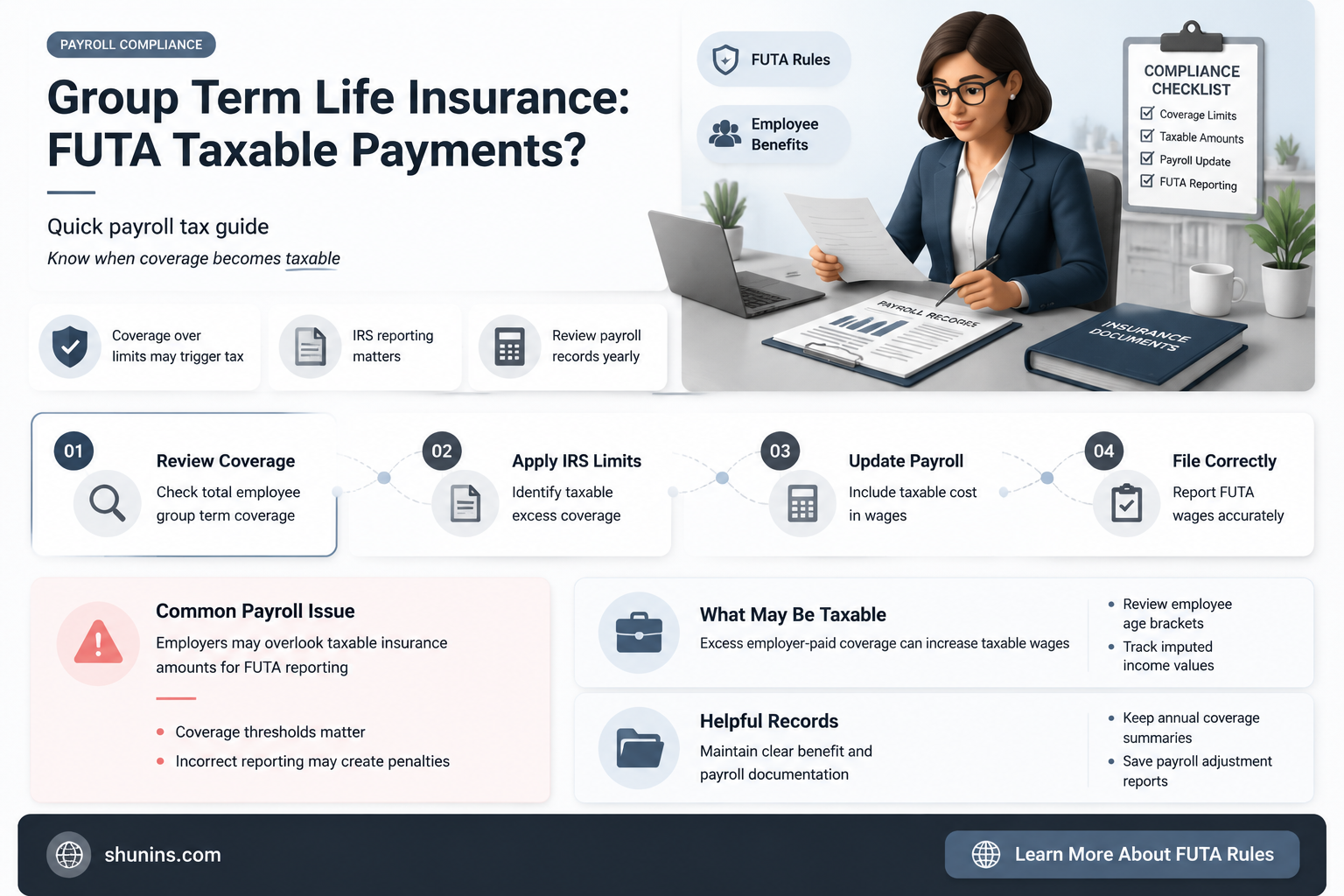
In most cases, the cost of the first $50,000 of employer-provided group-term life insurance is not taxable to the employee. However, the value of coverage exceeding $50,000 is considered taxable "imputed income." This amount must be re...
In most cases, the cost of the first $50,000 of employer-provided group-term life insurance is not taxable to the employee. However, the value of coverage exceeding $50,000 is considered taxable "imputed income." This amount must be reported on Form W-2 and is subject to Social Security and Medicare taxes, though it is typically exempt from federal income tax withholding.
Contents
Understanding the IRS Section 79 Framework
As of 2026, the taxation of employer-sponsored life insurance remains governed primarily by Internal Revenue Code Section 79. This section provides a specific exclusion for the cost of up to $50,000 of group-term life insurance carried directly or indirectly by an employer. This benefit is one of the most common "fringe benefits" provided to American workers, allowing employees to secure a baseline of financial protection for their families without increasing their annual tax liability.
The $50,000 threshold is a "cliff" in terms of taxability. If your employer provides exactly $50,000 or less in term life coverage, you generally do not need to report any of that benefit as income. However, if your coverage exceeds this limit—which is common in professional sectors where life insurance is often calculated as "two times annual salary"—the cost of the coverage above that $50,000 mark is treated as a taxable benefit.
It is important to distinguish between the premiums the employer pays and the imputed cost the employee is taxed on. The IRS does not care what the insurance company actually charges your employer for your specific policy. Instead, they use a standardized "Uniform Premium Table" (Table I) to determine the value of the benefit provided to you based on your age.
How Imputed Income is Calculated
The amount you are taxed on for coverage exceeding $50,000 is known as imputed income. This represents the economic value of the benefit you receive. Because the employer is paying for this coverage on your behalf, the IRS views it as a form of non-cash compensation.
To calculate the taxable amount, the IRS uses Table I: Uniform Premiums for $1,000 of Group-Term Life Insurance Protection. The rates in this table are based on five-year age brackets. As you get older, the imputed cost per $1,000 of coverage increases, reflecting the higher statistical risk of mortality.
Step-by-Step Calculation for 2026
If you are trying to determine how much will be added to your taxable income, follow these steps:
- Determine Total Coverage: Identify the total face value of your employer-provided group-term life insurance.
- Subtract the Exclusion: Subtract $50,000 from the total coverage amount.
- Divide by 1,000: Take the remaining coverage amount and divide it by 1,000 to find the number of "units" of coverage.
- Apply Table I Rates: Find the monthly rate for your age bracket in Table I.
- Calculate Monthly Cost: Multiply the number of units by the monthly rate.
- Calculate Annual Impact: Multiply the monthly cost by the number of months you had that level of coverage during the year.
- Subtract Employee Contributions: If you pay for a portion of the premium with after-tax dollars, you can subtract those payments from the final annual cost to arrive at the net taxable imputed income.
IRS Table I: Monthly Cost per $1,000 of Coverage (2026 Standards)
| Age Bracket (As of Last Day of Tax Year) | Monthly Cost per $1,000 |
|---|---|
| Under 25 | $0.05 |
| 25 to 29 | $0.06 |
| 30 to 34 | $0.08 |
| 35 to 39 | $0.09 |
| 40 to 44 | $0.10 |
| 45 to 49 | $0.15 |
| 50 to 54 | $0.23 |
| 55 to 59 | $0.43 |
| 60 to 64 | $0.66 |
| 65 to 69 | $1.27 |
| 70 and Above | $2.06 |
Source: Internal Revenue Service Publication 15-B
The Distinction Between Term and Permanent Life Insurance
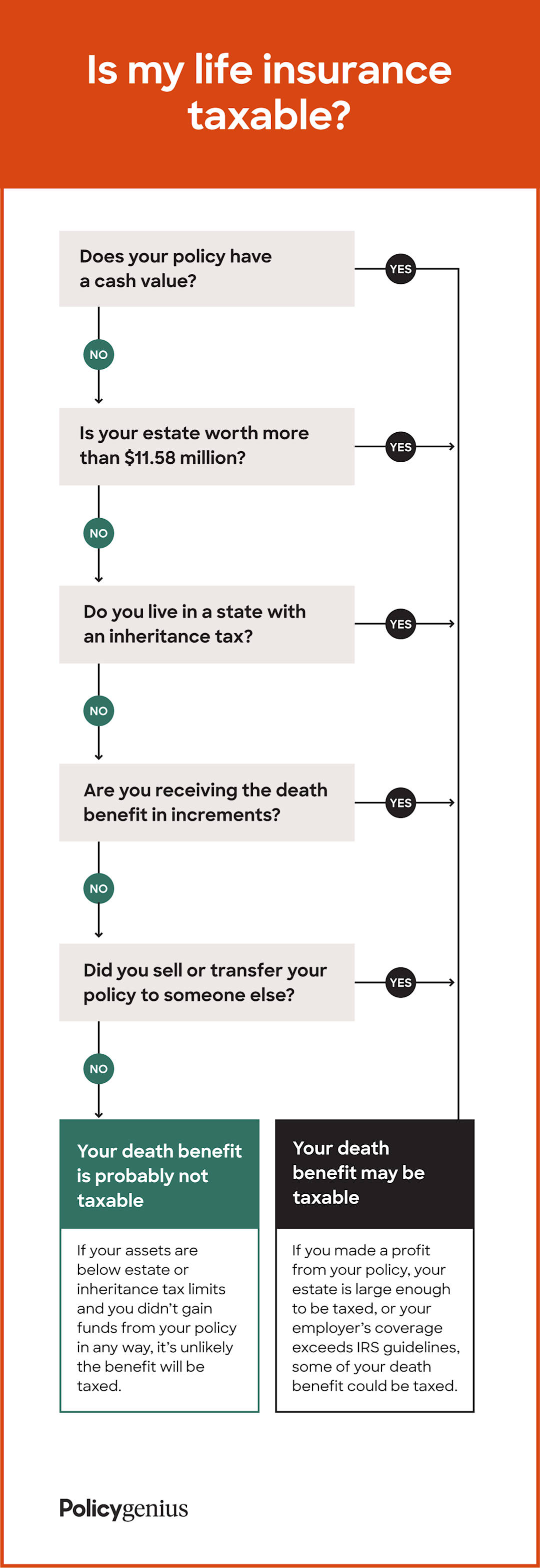
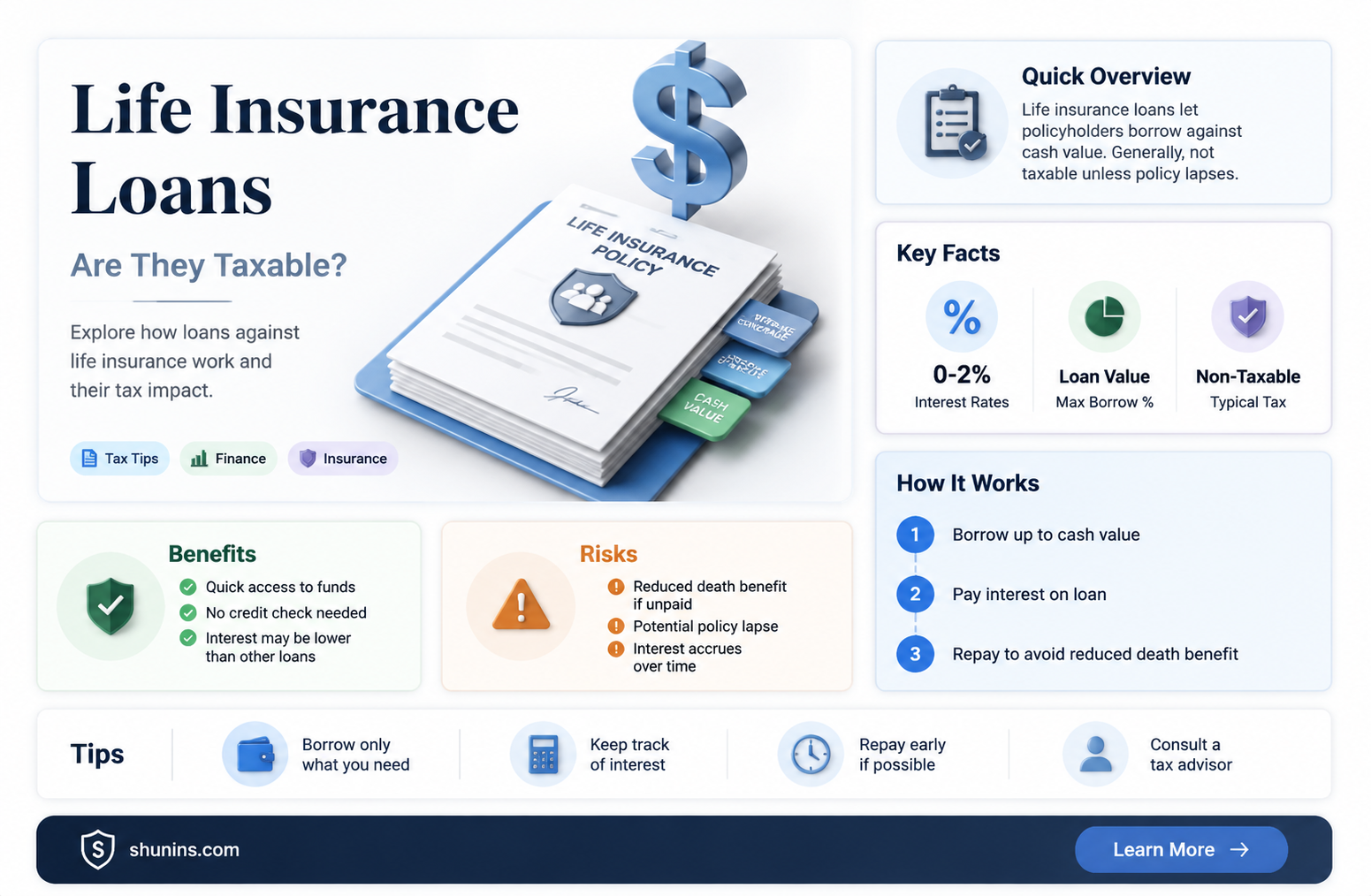
The $50,000 exclusion applies strictly to group-term life insurance. If your employer provides "permanent" or "whole life" insurance (policies that build cash value), the tax rules change significantly.
Generally, the entire cost of a permanent life insurance policy paid for by an employer is taxable to the individual. Because these policies provide a benefit that persists beyond employment and accumulates equity, the IRS treats the premium payments as direct compensation. Unlike term insurance, there is no $50,000 "free" zone for permanent policies unless the policy is structured specifically to meet Section 79 requirements, which often involves complex split-dollar arrangements or specific riders.
Furthermore, if an employer-provided policy allows the employee to name the beneficiary and the policy is not part of a qualified group-term plan, the employer’s premium payments are fully included in the employee's gross income in the year the premiums are paid.
Taxation of Dependent Life Insurance
Many employers offer the option to add life insurance coverage for spouses and children. The tax treatment for dependent coverage differs slightly from your own coverage.
According to the IRS, if the face amount of the life insurance for a spouse or dependent is $2,000 or less, it is considered a "de minimis" (minimal) fringe benefit. In this case, the cost of the coverage is not taxable to the employee.
However, if the coverage for a dependent exceeds $2,000, the entire cost of that coverage (not just the amount over $2,000) is considered taxable income to you. This value is also calculated using Table I rates based on the dependent's age. This is a common pitfall for employees who assume the $50,000 rule applies to their family members; it does not.
Withholding, Social Security, and Medicare Taxes
While imputed income from life insurance is "taxable," it does not always impact your take-home pay in the same way a bonus or a raise would.
- FICA Taxes: Imputed income is subject to Social Security and Medicare (FICA) taxes. Your employer must withhold these taxes from your regular pay throughout the year or at year-end.
- Federal Income Tax Withholding: Employers are generally not required to withhold federal income tax on the imputed cost of group-term life insurance. However, they may choose to do so, or you may find that you owe a small amount of tax at the end of the year because the income was reported on your W-2 but not withheld against.
- W-2 Reporting: The imputed income is reported in Box 12 of your Form W-2 using Code C. This amount is also included in your total wages in Box 1 (Wages, Tips, Other Compensation), Box 3 (Social Security Wages), and Box 5 (Medicare Wages).
Exceptions and Special Circumstances
There are several scenarios where the standard $50,000 exclusion rule might not apply or where the tax implications shift.
1. Discriminatory Plans
If an employer provides a life insurance plan that favors "key employees" (such as executives or highly compensated owners) in terms of eligibility or the amount of coverage, the plan may be considered discriminatory. In such cases, key employees lose the $50,000 exclusion. They must include the higher of the actual cost of the insurance or the Table I cost in their gross income for the entire amount of coverage provided to them.
2. Charitable Beneficiaries
If you name a charitable organization as the sole beneficiary of your employer-provided life insurance for the entire tax year, the cost of the coverage exceeding $50,000 is not taxable. This is a strategy sometimes used by high-net-worth individuals to reduce their taxable imputed income while supporting a cause.
3. Retired or Disabled Employees
Generally, if you are a former employee who has reached retirement age or is disabled, and your former employer continues to provide group-term life insurance, you may be exempt from paying taxes on the imputed income. The specific definitions of "retirement age" and "disability" must meet IRS standards to qualify for this exclusion.
4. Direct Payments by Employees
If you pay the entire premium for your life insurance coverage through after-tax payroll deductions, there is no imputed income. If you pay a portion of the cost, that amount is subtracted from the Table I calculation, potentially reducing your taxable benefit to zero.
Common Mistakes to Avoid
Understanding the nuances of life insurance taxation can prevent surprises during tax season.
- Ignoring the Age Bracket Shift: Because Table I is age-based, your taxable income will naturally increase as you enter a new five-year age bracket (e.g., turning 45 or 50). Employees are often surprised to see their "Wages" on their W-2 increase even if their salary remained the same.
- Assuming Beneficiary Benefits are Taxed: It is vital to remember that while the cost of the coverage (the premium/imputed income) is taxable to the employee, the death benefit paid to beneficiaries upon the employee's passing is generally tax-free under federal law.
- Confusing Group-Term with Voluntary Life: Voluntary life insurance (coverage you buy entirely on your own through your employer’s platform) is usually paid with after-tax dollars. Since you are paying the full fair market value of the policy, there is no "imputed income" to report. The tax issues arise primarily with "Employer-Paid" (Basic) life insurance.
Final Recommendations for Employees
If your employer provides life insurance as a benefit, you should review your pay stubs or annual benefits statement to determine the total face value of the policy. If the amount is significantly higher than $50,000, prepare for a modest increase in your reported taxable income.
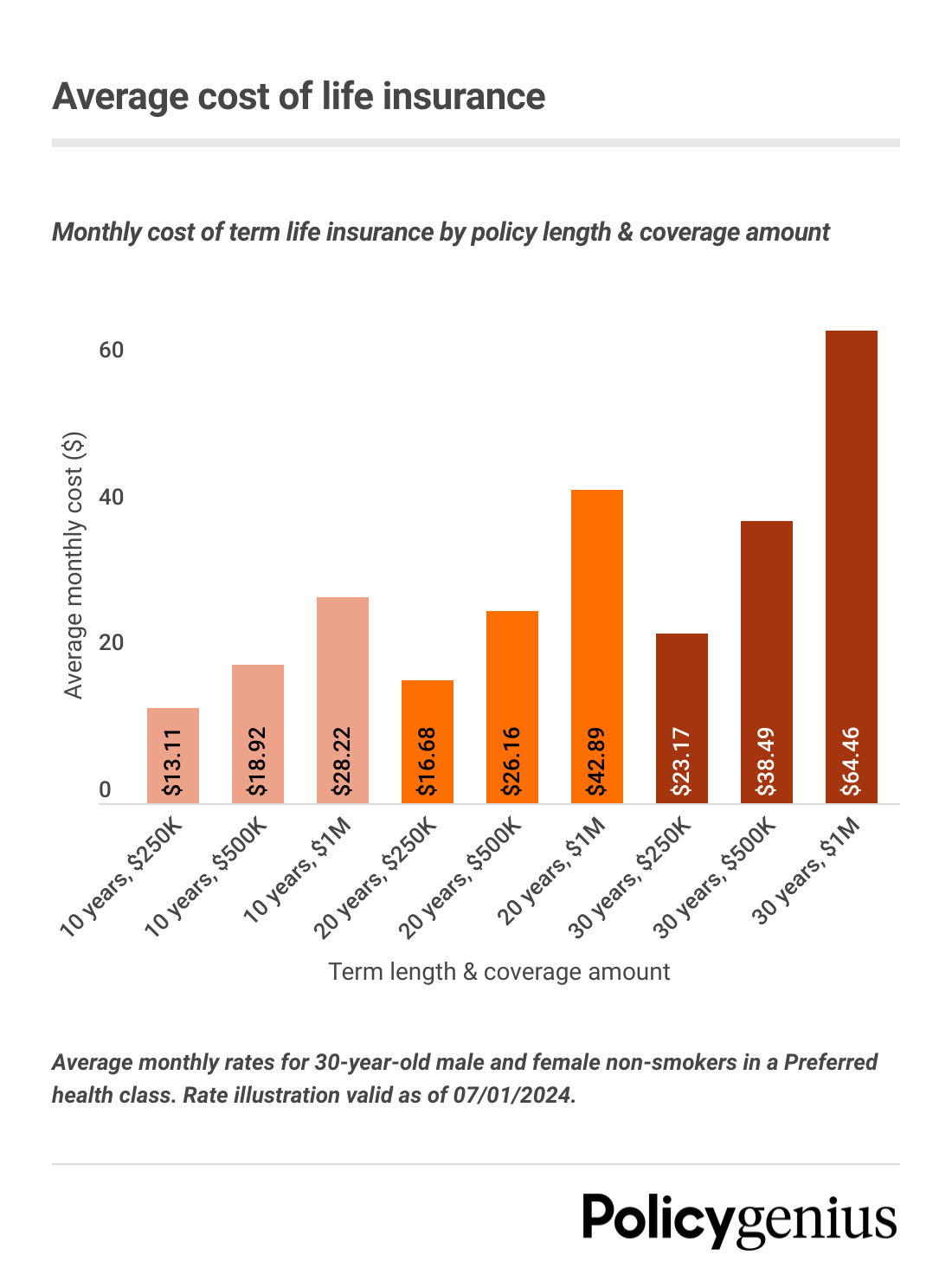
For high earners with substantial employer-paid coverage (e.g., $500,000 or more), the imputed income can amount to thousands of dollars annually, especially for those in older age brackets. In these cases, it may be worth consulting with a tax advisor to determine if the "imputed income" cost is more expensive than simply purchasing a private term life policy with after-tax dollars.
Frequently Asked Questions
Does the $50,000 limit apply to all types of insurance?No. The $50,000 exclusion applies only to group-term life insurance provided by an employer. It does not apply to accidental death and dismemberment (AD&D) insurance, which is generally not taxable, or to permanent life insurance, which is usually fully taxable.
How do I find out how much imputed income I have?You can find this on your end-of-year Form W-2. Look for Box 12 and find the amount next to Code C. This number represents the taxable cost of your group-term life insurance over $50,000.
Is imputed income subject to state taxes?Most states follow federal guidelines regarding fringe benefits and imputed income. If the amount is taxable at the federal level and included in your adjusted gross income, it will likely be taxable at the state level as well.
What happens if I work for two employers?The $50,000 exclusion is a "per-person" limit, not a "per-employer" limit. if you have two employers providing $40,000 in coverage each, you have a total of $80,000 in coverage. You will owe taxes on the imputed cost of the $30,000 that exceeds the $50,000 individual limit.
Image Gallery