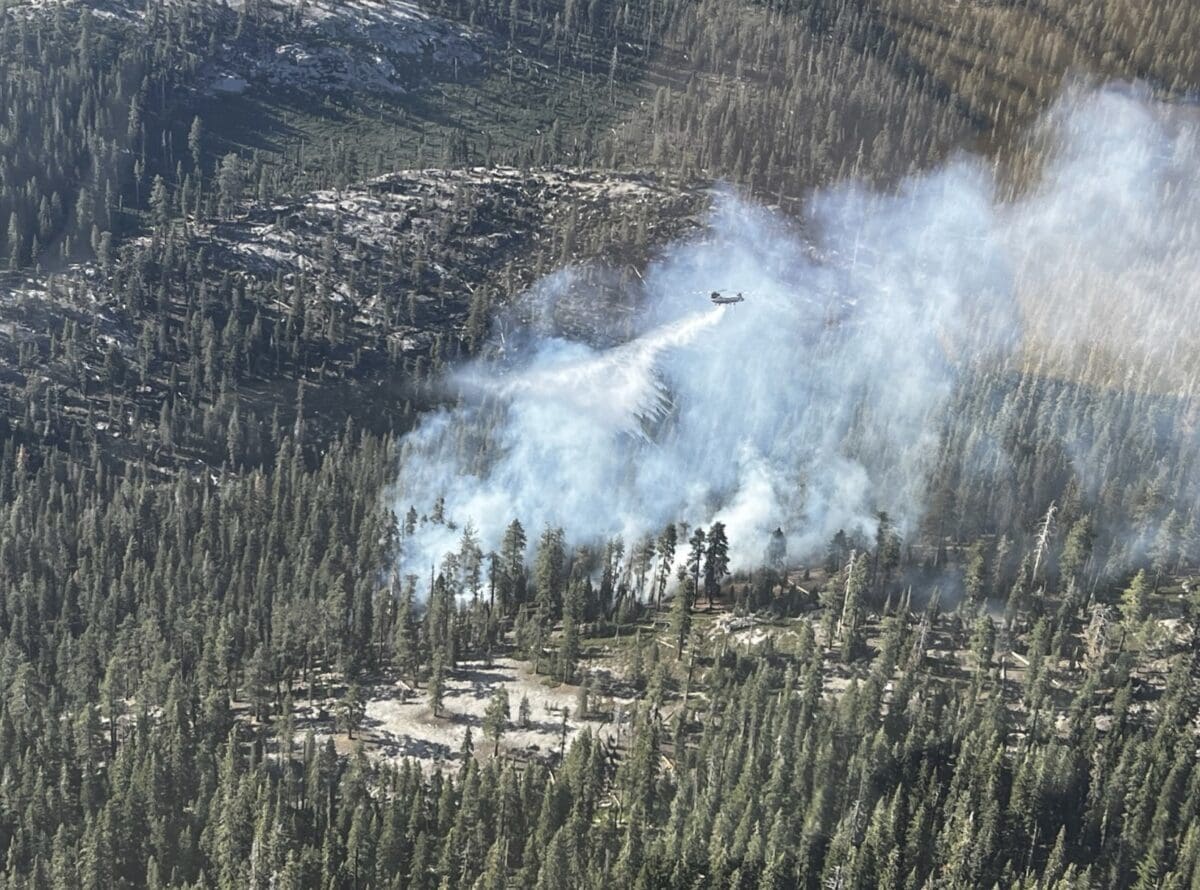
Are Fires in Yosemite Park Safe for Hikers?
Determining whether fire conditions in Yosemite National Park are safe for hikers requires a continuous assessment of air quality, active wildfire proximity, and official National Park Service (NPS) restrictions. While fire is a natura...
Determining whether fire conditions in Yosemite National Park are safe for hikers requires a continuous assessment of air quality, active wildfire proximity, and official National Park Service (NPS) restrictions. While fire is a natural ecological component of the Sierra Nevada, smoke and active blazes pose significant health risks and logistical challenges for visitors, making real-time verification of conditions mandatory before any trek.
Contents
Understanding Fire Ecology vs. Fire Hazards
Yosemite National Park manages fire as a natural process to maintain forest health. However, there is a critical distinction between "prescribed burns"—planned, controlled ignitions managed by park rangers—and "wildfires," which are unplanned, dangerous, and unpredictable.
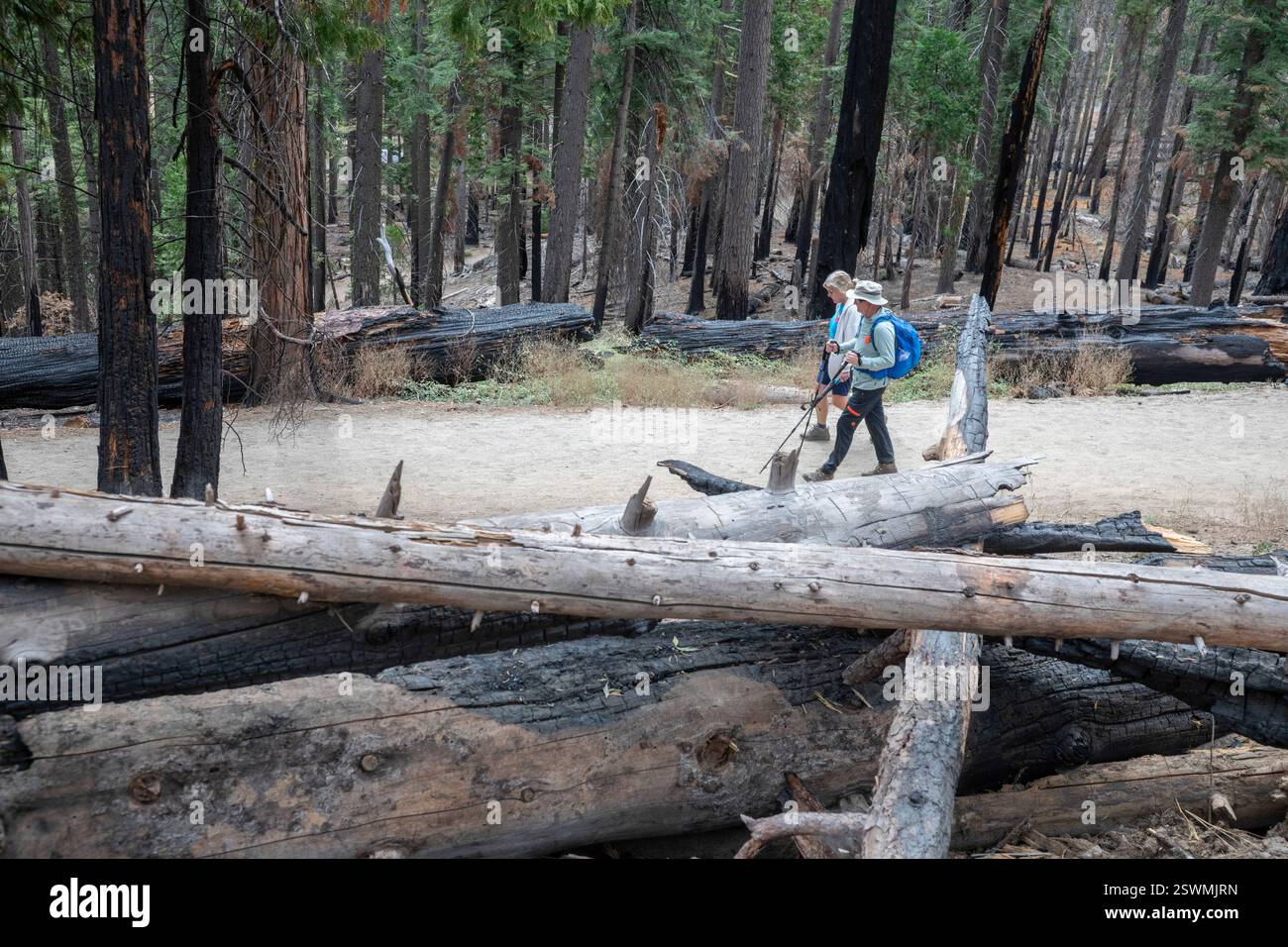
Hikers often encounter the remnants of past fires or active prescribed burns. While prescribed fires are designed to be contained, they can still produce localized smoke, close specific trails, and reduce visibility. In contrast, wildfires present immediate threats, including rapid spread, falling debris from charred trees (often called "widow-makers"), and compromised air quality that can turn a manageable hike into a medical emergency.
The Primary Safety Concern: Air Quality
The most significant danger to the average hiker is not the proximity of flames, but the presence of particulate matter (PM2.5) in the air. Even if a fire is burning miles away, prevailing winds can funnel heavy smoke into Yosemite Valley or high-country drainages.
Inhaling smoke-heavy air during strenuous physical exertion is hazardous, particularly for hikers with asthma, cardiovascular issues, or respiratory sensitivities. As of 2026, the National Park Service emphasizes that air quality can deteriorate rapidly. Hikers should not rely on visual observations alone, as invisible fine particles can cause long-term respiratory distress even when the horizon appears clear.
Verifying Conditions Before Your Departure
Safety in Yosemite depends on accessing the most recent data. You should never assume conditions remain consistent from one day to the next.
- Check the Current Air Quality Index (AQI): Use official sources such as AirNow.gov to check the specific AQI for the region of the park you intend to visit. An AQI above 100 is generally considered unhealthy for sensitive groups; above 150, the general public may experience health effects.
- Review the Official Yosemite National Park Website: The NPS "Current Conditions" page serves as the primary source for trail closures, permit suspensions, and active fire alerts.
- Consult the Wilderness Center: If you are planning a backcountry trip, always speak to a ranger at the Wilderness Center. They have access to internal radio communications regarding fire activity that may not yet be reflected on public websites.
- Monitor Regional Fire Maps: Platforms like the InciWeb incident information system provide mapping of active wildfires in the California region.
Comparing Safety Risks for Different Trail Types
| Trail Type | Primary Risk | Mitigation Strategy |
|---|---|---|
| Valley Floor | Smoke accumulation/trapping | Remain indoors if AQI exceeds 100; avoid intense exercise. |
| High Country | Rapid weather shifts/smoke drift | Carry a satellite communication device; check winds daily. |
| Backcountry | Escape routes and isolation | Have an "exit strategy" that does not rely on a single trail. |
| Wilderness | Unknown fire starts/lack of signal | Maintain awareness of fire starts in surrounding forests. |
Essential Safety Protocols for Hikers
If you decide to hike during fire season—which typically runs from late spring through late autumn—you must adhere to stricter safety protocols than during a standard trip.
Carry Reliable Communication
Cellular service in Yosemite is notoriously unreliable. In the event of a rapid fire spread, you may not be able to call for help. Carrying a satellite messenger, such as a Garmin inReach or a Zoleo device, allows you to receive weather updates and reach emergency services regardless of the lack of cellular towers.
Understand the "Exit Strategy"
Every hiker should know at least two ways off the trail. If your primary path is compromised by smoke or active fire, you should know where the nearest road access or major trailhead is located. If you are in the deep backcountry, understand that fire can move faster than a human can hike, especially on steep, wind-exposed slopes.
Respect Fire Restrictions
Yosemite frequently imposes fire restrictions to prevent accidental ignitions. This often means a complete ban on wood and charcoal fires, and sometimes even a ban on gas-powered stoves in specific areas. Ignoring these rules is not only a legal violation but a direct threat to the safety of every other person in the park. Always check the current "Fire Restrictions" page before packing your gear.
Recognizing the Signs of Imminent Danger
Hikers must be trained to recognize the sensory indicators of a wildfire. If you observe any of the following, move to a safe, low-fuel area immediately:
- The Smell of Smoke: If the smell is pungent or shifting from a faint haze to a thick, acrid odor.
- Falling Ash: Even small flakes of ash suggest a fire is moving toward your location.
- Erratic Wildlife Behavior: Animals moving rapidly away from a specific direction can indicate an approaching fire front.
- Changing Winds: Sudden gusts, particularly those that feel warm or dry, can signal an approaching fire front.
When to Cancel or Postpone
There is no "safe" way to hike through a wildfire. If an active fire is within or near the park, the most professional decision is often to postpone your trip. No views, summits, or miles are worth the risk of being trapped by fire. If the park service advises against travel to certain areas, respect these closures. They are implemented based on fire behavior models and the safety of the search and rescue teams who would be required to extract you if you became trapped.
Frequently Asked Questions
Is it safe to use a camping stove during fire season?
It depends on the current stage of fire restrictions. During high-risk periods, the NPS may restrict stoves to specific locations or ban them entirely. Check the "Fire Restrictions" section of the park website before your visit. If allowed, always use a stove on a non-flammable surface, never leave it unattended, and keep a water source nearby.
Does smoke in the park mean I should cancel my trip?
Not necessarily, but it requires risk assessment. If you have respiratory health issues, any amount of smoke can be dangerous. For healthy individuals, an AQI between 50 and 100 is generally manageable, but you should limit exertion. If the AQI is in the "Unhealthy" range (150+), the park becomes unsafe for hiking.
How do I find out if a specific trail is closed due to fire?
The Yosemite National Park "Current Conditions" website maintains an updated list of trail closures. Additionally, when you pick up your wilderness permit, the ranger station will provide the most current warnings regarding fire activity in your specific destination area.
Can I get a refund on my wilderness permit if fires break out?
Policies vary, but generally, if the park closes an area due to fire danger, the NPS will assist in canceling your permit. You should contact the Wilderness Permit office directly to discuss options if your chosen route becomes inaccessible due to emergency conditions.
Are there areas of Yosemite that are "fire-proof"?
No area of the park is fire-proof. While high-elevation granite regions have less fuel and are less likely to sustain high-intensity fire, they can still be affected by heavy smoke or fire-induced trail closures. Always maintain a flexible itinerary.
What should I do if I see smoke while on a trail?
Do not attempt to investigate. Note your location on a map, gather your gear, and begin heading toward the nearest trailhead or established base area. If you have a satellite communication device, send a message to local emergency contacts or the park dispatch to inform them of the fire’s location and direction.
Final Recommendation
Your safety in Yosemite during fire season is entirely dependent on your ability to remain informed and flexible. Before starting your hike, confirm the air quality, check for fire restrictions, and have a clear, pre-planned exit route. If at any point your senses or environmental data suggest increased risk, prioritize your safety and choose to turn back.
Image Gallery