Navigating the History and Evolution of the Chicago Housing Projects List
The Chicago housing projects list represents the evolution of public housing in the United States, transitioning from mid-century high-rise developments managed by the Chicago Housing Authority (CHA) to modern mixed-income communities...
The Chicago housing projects list represents the evolution of public housing in the United States, transitioning from mid-century high-rise developments managed by the Chicago Housing Authority (CHA) to modern mixed-income communities under the Plan for Transformation. This overview provides context on historical developments, redevelopment initiatives, and current structural approaches to subsidized housing in Chicago.
Contents
The Origins and Expansion of Public Housing in Chicago
Public housing in Chicago grew rapidly during the mid-20th century, driven by federal legislation such as the Housing Act of 1949 and local municipal policies. The Chicago Housing Authority (CHA), established in 1937, was tasked with clearing perceived slum areas and constructing modern, affordable housing for low-income working families. During this era, planners envisioned public housing as a temporary stepping stone for upwardly mobile residents, rather than permanent housing.
However, political pressures, systemic racial segregation, and urban renewal strategies deeply shaped where and how these properties were built. Rather than scattering smaller developments across various neighborhoods, municipal leaders frequently concentrated high-density family developments within distinct geographical boundaries, primarily on the city’s South and West Sides. This concentration laid the groundwork for severe socio-economic challenges in later decades.
As federal funding shifts occurred and industrial jobs left the city, these developments faced mounting maintenance deficits, structural neglect, and rising crime rates. The architectural model of massive, multi-story slab and high-rise buildings—replicated across dozens of sites—ultimately proved difficult to manage and isolate from broader municipal decline.
Major Developments on the Historical Chicago Housing Projects List
The historical landscape of Chicago public housing was characterized by several massive developments that housed tens of thousands of residents at their peak. These complexes operated almost as cities within a city, featuring their own distinct subcultures, institutional networks, and community dynamics.
Robert Taylor Homes and State Street Gardens
Stretching along State Street from 31st to 54th Streets, the Robert Taylor Homes consisted of 28 sixteen-story high-rise buildings comprising over 4,400 apartments. Opened in 1962, it was the largest public housing development in the United States at the time. Despite initial optimism, the concentration of extreme poverty and lack of supportive infrastructure led to severe physical deterioration and social isolation.
Cabrini-Green Homes
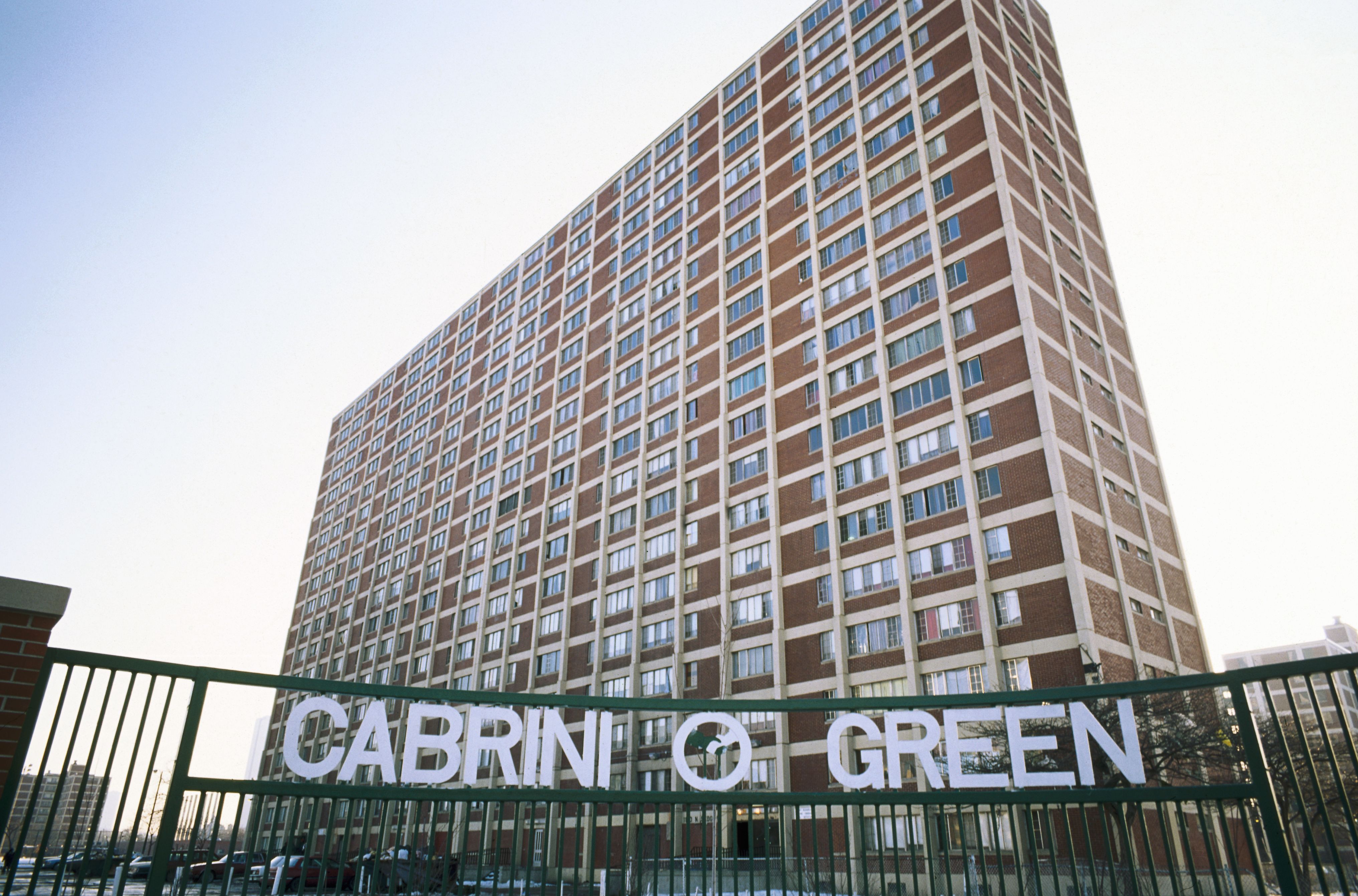
Located on Chicago's Near North Side, Cabrini-Green was a complex of low-rise row houses and high-rise buildings. Initially built in the 1940s and 1950s, the development became a national symbol of the systemic failures of high-density public housing. Its location adjacent to rapidly gentrifying neighborhoods made it a focal point for urban redevelopment debates in the late 20th century.
Ida B. Wells Homes, Darrow Homes, and Madden Park
Situated in the Bronzeville neighborhood on the South Side, the Ida B. Wells Homes were completed in 1941 and named after the prominent civil rights activist and journalist. Alongside the adjacent Clarence Darrow Homes and Madden Park, this complex represented some of the earliest family public housing projects in the city before falling into severe disinvestment.
Major Chicago Public Housing Complexes
| Development Name | Neighborhood / Area | Construction Era | Architectural Style | Redevelopment Status |
|---|---|---|---|---|
| Robert Taylor Homes | Grand Boulevard (South Side) | 1962 | 16-Story High-Rises | Demolished; Replaced by mixed-income housing |
| Cabrini-Green | Near North Side | 1942–1962 | Row Houses & High-Rises | Largely Demolished; Redeveloped into mixed-income communities |
| Ida B. Wells Homes | Bronzeville (South Side) | 1941 | Garden Apartments & High-Rises | Demolished; Redeveloped under Oakwood Bronzeville |
| Maplewood Courts | Near West Side | 1950s | Low-Rise Apartments | Demolished and reconfigured |
| Brooks Homes | Near West Side | 1955 | Multi-Story Buildings | Partially redeveloped and managed under current CHA programs |
The Plan for Transformation and Modernization
By the late 1990s, the physical and social conditions of Chicago's traditional housing projects prompted federal intervention and local overhaul. In 1999, the CHA and the City of Chicago launched the Plan for Transformation, one of the most ambitious public housing redevelopment initiatives in United States history.
The core objective of the Plan for Transformation was to demolish the distressed high-rise estates and replace them with contemporary, low-density, mixed-income communities. This strategy aimed to deconcentrate poverty by integrating public housing units with market-rate and affordable rental and for-sale housing. The transition involved relocating thousands of families, providing them with housing choice vouchers, or offering them the right to return to newly constructed developments upon completion.
While proponents argued that mixed-income developments reduced crime, improved municipal service delivery, and fostered economic integration, critics raised concerns about the net loss of traditional public housing units, the disruption of established social networks, and the challenges displaced residents faced during relocation.
Current Housing Options and Administration by the Chicago Housing Authority
Today, the Chicago Housing Authority no longer operates the vast, isolated high-rise complexes of the past. Instead, the agency administers affordable housing through several decentralized programs designed to meet varied demographic and economic needs.
- Mixed-Income Communities: Modern developments managed through private property management firms where public housing, affordable, and market-rate units exist side by side.
- Housing Choice Voucher Program (Section 8): A tenant-based assistance program allowing eligible low-income households to rent private market housing across the city and suburban Cook County.
- Senior Housing Portfolio: Dedicated buildings designated specifically for elderly and disabled residents, subject to age-eligibility guidelines and supportive service coordination.
- Project-Based Vouchers: Subsidies tied directly to specific properties owned by private or non-profit developers, ensuring long-term affordability within designated buildings.
Frequently Asked Questions
What happened to the old Chicago housing project high-rises?
Most of the traditional high-rise public housing developments, such as the Robert Taylor Homes and Cabrini-Green, were demolished between the late 1990s and the 2010s under the Chicago Housing Authority's Plan for Transformation. They were largely replaced by mixed-income communities or left as vacant land slated for future neighborhood redevelopment.
How does someone apply for public housing in Chicago today?
Applicants must apply directly through the Chicago Housing Authority portal when waiting lists are open. Eligibility is determined based on household income limits established by the U.S. Department of Housing and Urban Development (HUD), background screening, and local preference guidelines.
Are there still traditional public housing developments in Chicago?
Yes, the CHA continues to operate low-rise family developments, scattered-site housing units, and designated senior buildings across various Chicago neighborhoods, though the operational model emphasizes smaller-scale property management rather than massive high-rise complexes.
What is a mixed-income housing community?
A mixed-income community is a residential development that blends public housing, affordable housing, and market-rate housing within the same neighborhood or building structure. These communities are designed to promote economic integration and reduce the social isolation historically associated with concentrated public housing.
Where can official records and historical data on Chicago public housing be found?
Official records, historical reports, and current administrative policies are maintained by the Chicago Housing Authority archives, the Chicago Public Library, and federal oversight documents provided by HUD.
Next Actions and Resource Verification
Individuals seeking current affordable housing assistance, application status updates, or eligibility guidelines should consult the official Chicago Housing Authority website directly. Researchers and historians looking into the structural history of Chicago's urban development can access municipal archives, university urban planning collections, and federal housing databases for comprehensive documentation.
Image Gallery