Understanding How Auto Appearance Plus Insurance Claims Work
An Auto Appearance Plus insurance claim is a specialized process for resolving claims related to cosmetic vehicle protections, such as paintless dent repair, interior fabric protection, or exterior finish coatings. These policies typic...
An Auto Appearance Plus insurance claim is a specialized process for resolving claims related to cosmetic vehicle protections, such as paintless dent repair, interior fabric protection, or exterior finish coatings. These policies typically operate as supplemental coverage, requiring policyholders to document damage, verify coverage eligibility via their contract terms, and coordinate repairs through authorized service providers rather than standard collision centers.
Contents
The Scope of Auto Appearance Plus Protection
Auto Appearance Plus, often offered as an add-on or a standalone "appearance protection package" at the point of vehicle sale, is fundamentally different from traditional collision or comprehensive auto insurance. While standard auto insurance focuses on mechanical integrity, roadworthiness, and major accident recovery, appearance protection is designed to maintain the aesthetic value and curb appeal of the vehicle.
These programs usually cover specific minor damage scenarios that would not justify the high deductible of a primary auto insurance policy. Typical covered items include:
- Paintless Dent Repair (PDR): Removing minor dents and dings on body panels without affecting the original factory finish.
- Exterior Paint/Clear Coat Protection: Coverage for environmental damage such as oxidation, tree sap, or bird droppings.
- Interior Protection: Repair or replacement services for ripped upholstery, stained carpeting, or cracked leather surfaces.
- Wheel and Tire Cosmetic Care: Refinishing alloy wheels damaged by curb rash.
Understanding that this is a "cosmetic" policy is the first step in successfully navigating the claims process. Because these programs are frequently administered by third-party warranty companies or underwriters rather than the vehicle manufacturer itself, the claims workflow often deviates from the standard insurance experience.
Eligibility and Documentation Requirements
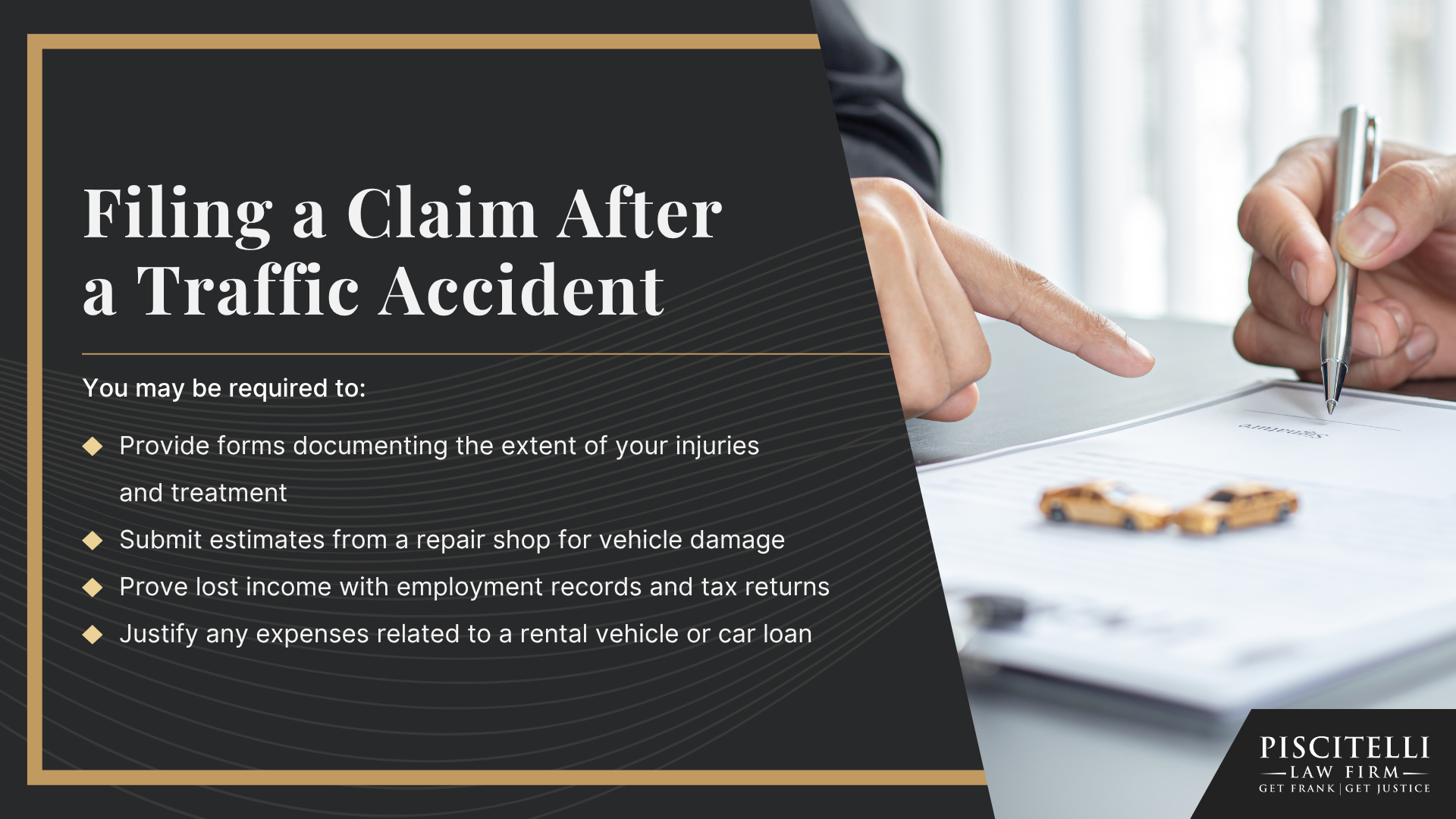
Before initiating a claim, a policyholder must confirm that the specific damage falls within the "Terms and Conditions" of the service contract. Many of these policies contain strict limitations regarding the size of a dent (e.g., must be smaller than a credit card) or the nature of the stain (e.g., accidental liquid spills vs. wear and tear).
To ensure a smooth approval, you must prepare the following documentation:
- Contract/Policy Number: Locate the specific identification number provided when the coverage was purchased.
- Date of Incident: While cosmetic damage is often discovered over time, many contracts require you to report damage within a specific window of discovery.
- Photographic Evidence: High-resolution photos taken in good lighting are mandatory. The adjuster needs to verify the depth, size, and location of the damage to determine if it meets the contractual criteria for repair.
- Proof of Ownership/Mileage: Some plans have mileage caps or ownership limitations. Having your odometer reading and original purchase agreement ready will expedite verification.
Step-by-Step Claims Procedure
Unlike primary insurance, where you might simply take your car to a preferred shop, Auto Appearance Plus plans often mandate the use of a "contractor network." Follow this sequence to maintain your claim validity:
- Review the Service Contract: Identify the toll-free number or the online claims portal designated by your specific administrator. Do not visit a body shop before contacting them, as unauthorized repairs are rarely reimbursed.
- Report the Claim: Contact the claims administrator to open a file. Provide your policy number and a description of the damage. They will likely send an email or text link for you to upload your photographs.
- Verification and Approval: An examiner will review your submission. They will determine if the damage qualifies under the defined "covered perils." If approved, they will authorize a repair cost or assign a mobile technician.
- Repair Authorization: You will be directed to an approved service provider. In the case of Paintless Dent Repair (PDR), this is often a mobile service that travels to your home or office, whereas interior repairs might require a drop-off at a specialty facility.
- Final Inspection: Once the work is performed, ensure the repair meets your expectations before signing any completion document. The service provider will then bill the warranty administrator directly, often leaving you with little to no out-of-pocket expense beyond any applicable small deductible specified in your plan.
Comparison: Traditional Insurance vs. Appearance Protection
| Feature | Primary Auto Insurance | Auto Appearance Plus |
|---|---|---|
| Primary Focus | Accident/Collision/Theft | Cosmetic/Aesthetic Maintenance |
| Deductible | Generally High ($500–$2,000) | Usually Low or $0 |
| Claim Impact | Often Increases Premiums | Typically No Impact on Premiums |
| Repair Method | Collision Center/Body Shop | Mobile/Specialty Technician |
| Coverage Scope | Broad (Frame/Mechanical/Total) | Narrow (Surface/Interior/Finish) |
Common Troubleshooting and Pitfalls
The most frequent point of failure in these claims is the "wear and tear" exclusion. If an interior seat tear is determined to be the result of years of daily use rather than a sudden, accidental incident, the claim will likely be denied. Always frame the description of the damage as an accidental event if applicable.
Another common issue is seeking repairs from a non-network shop. Even if a local body shop claims they can fix the dent, if they are not in the administrator’s approved network, the insurance provider is under no obligation to cover the invoice. Always confirm the repair facility's status before allowing them to touch your vehicle.
If a claim is denied, you have the right to request a formal explanation in writing. Review the denial against your contract’s "Exclusions" section. If the denial appears inconsistent with the contract terms, many administrators provide an internal appeals process where you can submit additional evidence or clarify the nature of the damage.
Frequently Asked Questions (FAQ)
Does filing an Auto Appearance Plus claim affect my primary insurance rates? No. These programs are generally handled by separate administrative entities. Because they are not tied to your primary liability or collision policy, filing a claim for a dent or stain will not trigger a surcharge on your regular auto insurance premium.
What if the damage is too large for the PDR coverage? If a dent is too large or the paint is broken, it falls outside the scope of Paintless Dent Repair and likely enters the territory of traditional collision repair. In this case, your Appearance Plus policy may not provide coverage, and you would need to use your standard auto insurance, subject to your primary deductible.
Can I get a cash payout instead of a repair? Most service contracts are written as "service agreements," meaning the administrator covers the cost of the repair performed by a designated professional. You are generally not entitled to a cash payout for damages; the goal of the policy is to restore the vehicle to its original aesthetic condition.
What happens if I sell my vehicle? Check your contract transferability clause. Many Auto Appearance Plus plans can be transferred to a new owner for a small fee, which can be an attractive selling point. If it is not transferable, the coverage terminates when you sell the vehicle.
Are there limits on the number of claims I can file? Yes. Every policy has a "liability limit" or a maximum number of repair incidents per contract term. Review your summary of benefits to see your total allowance for the life of the agreement.
Final Recommendation
To maximize your Auto Appearance Plus coverage, keep your vehicle records organized and report damage promptly after it occurs. Do not wait until you are ready to sell your car to report months of accumulated dings, as some policies have time-sensitive reporting requirements. Always confirm the "in-network" status of any repair technician before work begins to ensure the administrator settles the bill on your behalf.
Image Gallery