Comprehensive Athenahealth Reviews 2026: Performance, Cost, and EHR Effectiveness
Athenahealth reviews in 2026 indicate that the platform remains a premier cloud-based solution for medical practices seeking integrated EHR, revenue cycle management, and patient engagement. While users praise its intuitive interface a...
Athenahealth reviews in 2026 indicate that the platform remains a premier cloud-based solution for medical practices seeking integrated EHR, revenue cycle management, and patient engagement. While users praise its intuitive interface and automated billing updates, some criticize the percentage-based pricing model, which can become expensive for high-revenue specialty clinics and larger healthcare organizations.
Contents
The AthenaOne Ecosystem: A Unified Approach to Practice Management
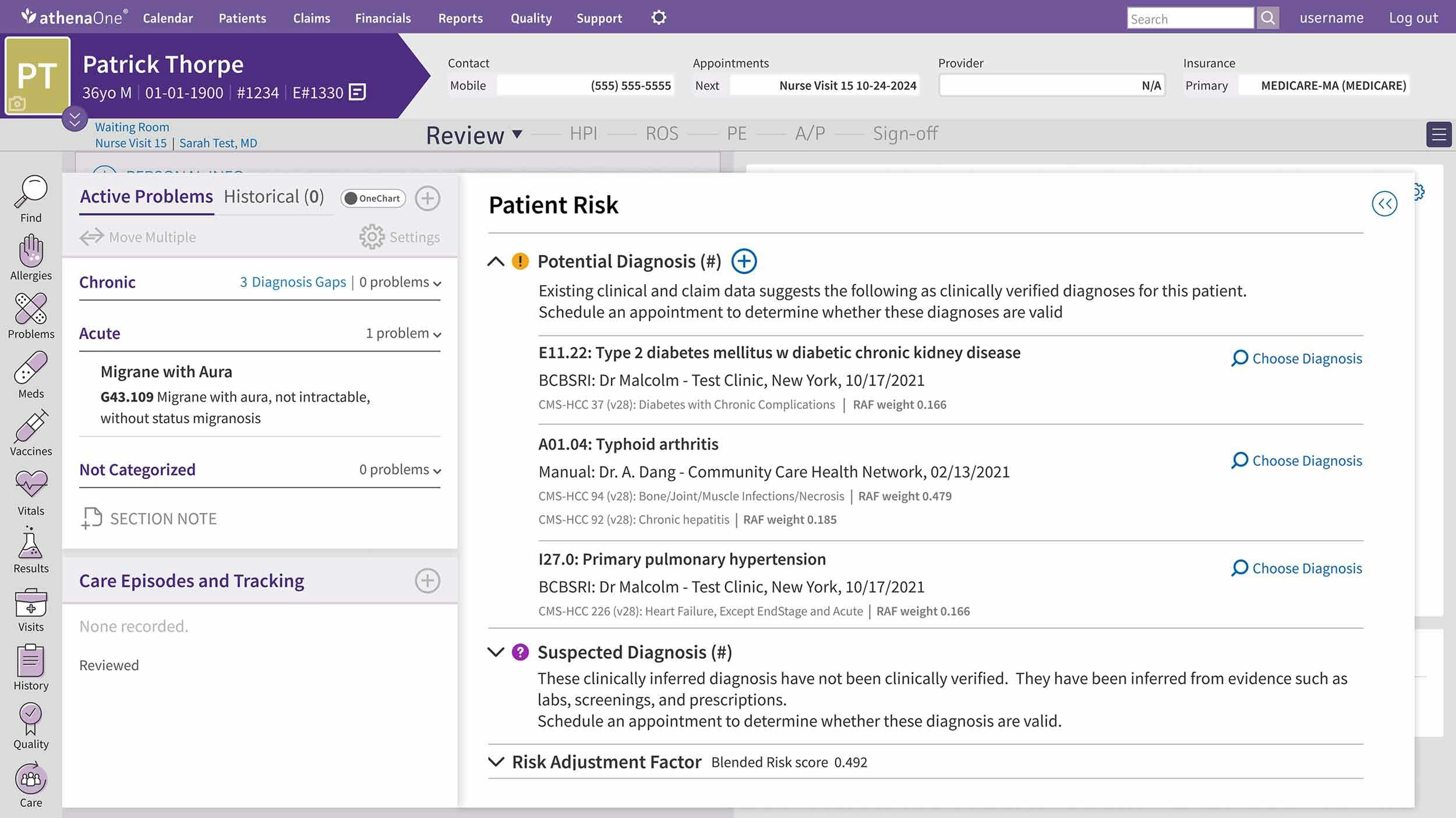
In 2026, the flagship product, athenaOne, continues to dominate the cloud-native electronic health record (EHR) market. Unlike legacy systems that require local servers or complex VPNs, Athenahealth operates as a single-instance, multi-tenant platform. This means every provider on the network uses the same version of the software, allowing for real-time updates to clinical guidelines, payer rules, and federal regulations.
The core of the Athenahealth value proposition is its "network-enabled" service. By aggregating data from thousands of providers, the system identifies patterns in claim denials and clinical documentation gaps. When a payer changes a billing requirement, Athenahealth updates its global rules engine, effectively preventing similar denials for all other users on the platform. This proactive approach to administrative tasks is a recurring theme in positive user reviews.
The platform is divided into three primary modules:
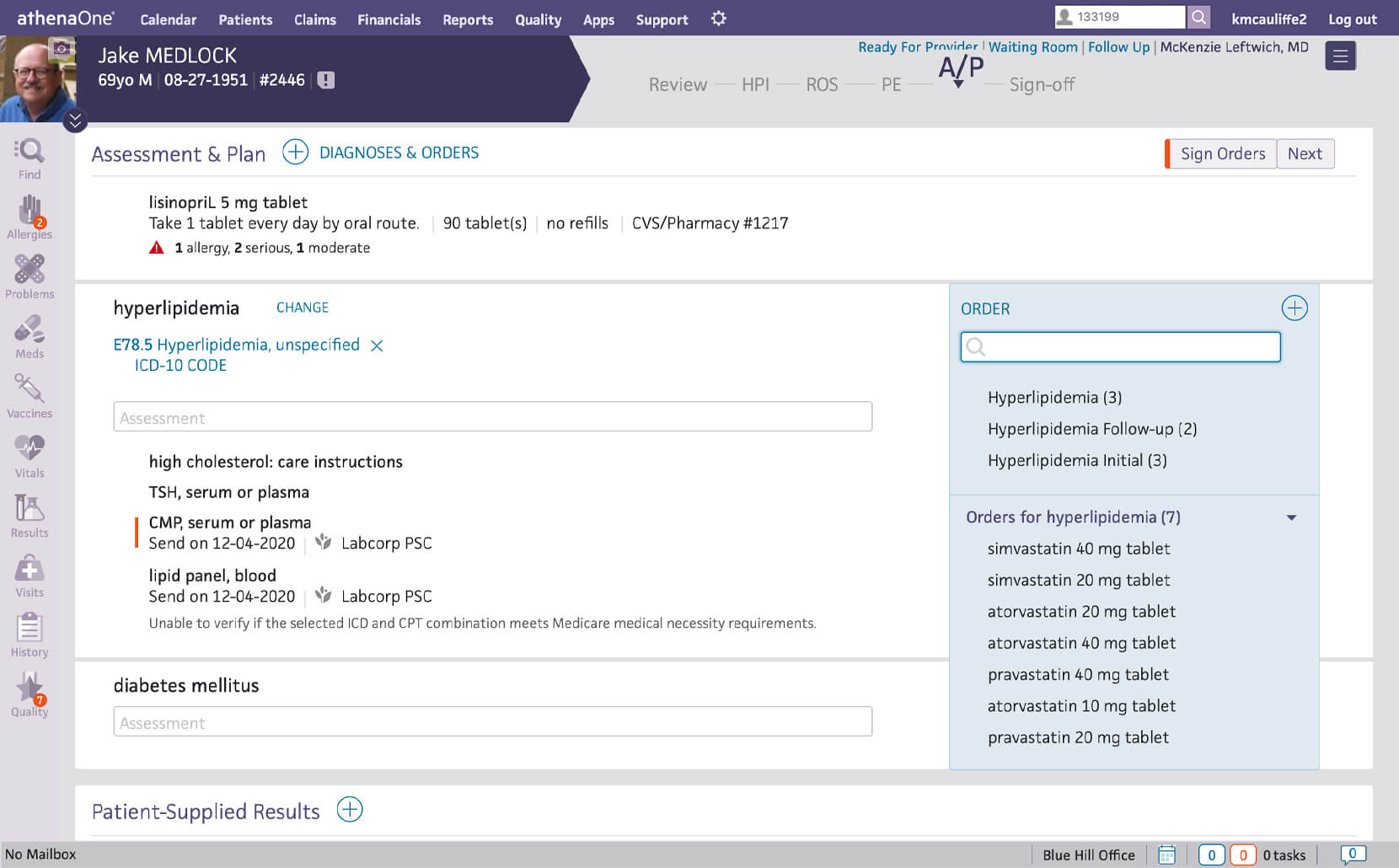
- athenaClinicals: The EHR component focused on clinical documentation and order management.
- athenaCollector: The revenue cycle management (RCM) and billing service.
- athenaCommunicator: The patient engagement and portal toolset.
Analysis of User Feedback on athenaClinicals (EHR)
Clinical staff frequently cite the athenaClinicals interface as one of the most user-friendly in the industry. In an era where clinician burnout is a primary concern, the platform’s layout is designed to minimize clicks and streamline the documentation process.
Documentation and Charting
Reviews from 2026 highlight the maturity of the platform’s "athenaNet" documentation templates. Providers can customize "Macros" and "Text Templates" to speed up repetitive entries. The mobile application, athenaTouch, allows physicians to review charts, sign off on labs, and document basic encounters from a tablet or smartphone, which many reviewers identify as a significant benefit for rounding or after-hours care.
Interoperability and Data Sharing
Athenahealth has long been a leader in the CommonWell Health Alliance and Carequality frameworks. Users report that the "Patient Record Sharing" feature is exceptionally robust, automatically pulling in outside records from local hospitals or other clinics using compatible EHRs. This reduces the need for manual faxing and paper-based record requests, a major pain point for medical assistants.
Revenue Cycle Management: The Impact of athenaCollector
The most distinct aspect of Athenahealth, according to long-term reviews, is its billing service. athenaCollector is not merely software; it is a managed service where Athenahealth staff take an active role in claim scrubbing, submission, and follow-up.
The Rules Engine and Claim Scrubbing
The system boasts a massive library of payer-specific rules. Before a claim is ever submitted, it passes through an automated "scrubber" that checks for coding errors, missing modifiers, or eligibility issues. Users frequently report that their Days in Accounts Receivable (DAR) decrease significantly after migrating to Athenahealth because the system catches errors that human billers might overlook.
Back-Office Support
A common sentiment in 2026 reviews is the relief practitioners feel regarding "back-office" tasks. Athenahealth manages the mailing of patient statements and handles a significant portion of the insurance follow-up process. However, some reviews note that while the automated system is efficient, resolving complex, "one-off" billing disputes can sometimes require persistent communication with Athenahealth’s support teams.
Patient Engagement and athenaCommunicator
Patient expectations for digital access have reached an all-time high in 2026. athenaCommunicator addresses this through an integrated patient portal and automated messaging system.
- Self-Scheduling: Patients can book appointments directly through the portal, which syncs with the practice’s live schedule.
- Automated Reminders: The system sends out text, email, or voice reminders, significantly reducing "no-show" rates.
- Online Payments: Reviews from administrative staff often highlight the ease of collecting co-pays and outstanding balances through the portal’s integrated payment processor.
While the patient experience is generally rated highly, some reviewers suggest that the portal’s customization options are somewhat limited compared to standalone patient engagement platforms. Practices that want a highly branded, bespoke patient experience may find the standard Athenahealth template too rigid.
Pricing Structure and Contractual Considerations
One of the most debated topics in Athenahealth reviews is the pricing model. Unlike many competitors that charge a flat monthly fee per provider, Athenahealth typically charges a percentage of total collections.
| Feature | Performance-Based Model | Flat-Fee Competitors |
|---|---|---|
| Initial Cost | Usually lower; minimal upfront licensing. | Can be high due to licensing and server setup. |
| Monthly Cost | Fluctuates with practice revenue (typically 4% - 7%). | Predictable monthly or annual fee. |
| Incentives | Athenahealth makes more when the practice makes more. | Vendor revenue is decoupled from practice success. |
| Updates | Included in the percentage; no "version" fees. | May require paid upgrades for major releases. |
| Suitability | Best for growing practices or those with high volume. | Best for high-dollar, low-volume specialty surgery. |
For a primary care practice with high volume, the percentage model is often seen as fair because it aligns the vendor's incentives with the practice's financial health. However, high-revenue specialists (such as neurosurgeons or high-end plastic surgeons) may find that a 5% or 6% fee results in a much higher dollar amount than they would pay for a flat-fee system like eClinicalWorks or NextGen.
Implementation and Professional Support
The transition to a new EHR is notoriously difficult. Athenahealth reviews regarding implementation are mixed, reflecting the inherent complexity of data migration.
The "athenaCoach" model provides practices with a dedicated implementation manager. Most successful reviews point to the importance of the onboarding phase, where staff must learn the "Athena way" of handling workflows. Because the software is designed around standardized best practices, clinics that try to force their old, inefficient paper workflows into the digital system often report higher levels of frustration.
Customer support in 2026 has transitioned toward more AI-assisted "self-help" portals. While the Athenahealth Success Community is a valuable resource for troubleshooting, some users express a desire for faster access to live, human technical support for urgent clinical issues.
Technical Specifications and Compatibility
As a browser-based SaaS (Software as a Service) platform, the technical requirements for Athenahealth are relatively modest compared to on-premise installations.
- Browser Support: Optimized for the latest versions of Google Chrome and Microsoft Edge.
- Hardware: Requires high-speed internet. While it can run on most modern PCs and Macs, specialized hardware like document scanners and card readers must be on the Athenahealth "Certified Hardware" list to ensure seamless integration.
- Security: As of 2026, Athenahealth maintains high-level compliance with HIPAA and SOC2 standards. Because data is stored in the cloud, the risk of data loss due to local hardware failure or office theft is virtually eliminated.
Common Criticisms and Limitations
No software is perfect, and Athenahealth reviews often highlight specific drawbacks:
- Rigidity: To maintain the "network effect," Athenahealth limits certain customizations. If a practice has a very specific, non-standard way of documenting a visit, they may find the system restrictive.
- Cost Transparency: While the percentage model is simple, additional fees for third-party integrations via the "athenahealth Marketplace" can add up.
- Reporting Complexity: While the "Report Center" is powerful, some users find the learning curve for building custom reports to be steep.
Frequently Asked Questions
Does Athenahealth work for small practices?
Yes, many solo practitioners use Athenahealth because it handles the billing and administrative tasks that would otherwise require a full-time billing employee. The percentage-based pricing also makes the entry cost more manageable for a new practice with low initial volume.
Is Athenahealth a "Cloud-Native" platform?
Yes. Athenahealth was built specifically for the web. It is not an old "Legacy" system that has been moved to a remote server. This cloud-native architecture allows for much faster updates and better data sharing capabilities across its entire user base.
How does Athenahealth handle specialty-specific documentation?
Athenahealth provides templates for over 50 specialties. While it is widely considered a leader in Primary Care, OB/GYN, and Pediatrics, some highly specialized surgical sub-specialties may find they need to spend more time customizing their clinical workflows than generalists.
Can I use my own billing team with Athenahealth?
While you can keep your internal billing staff, the athenaCollector service is designed to handle much of the heavy lifting. Most practices transition their billing staff to "revenue cycle managers" who focus on high-level denials and patient financial counseling rather than manual data entry and claim submission.
What happens to my data if I leave Athenahealth?
Athenahealth provides data export options, typically in standard formats like CCDA (Consolidated Clinical Document Architecture). However, like any EHR transition, moving historical data to a new system is a complex technical process that usually involves additional costs.
Final Recommendation: Is Athenahealth Right for You?
Choosing an EHR is a decade-long commitment. Based on current 2026 market data and user reviews, Athenahealth is an ideal choice for practices that prioritize billing efficiency and ease of use over total customization. It is particularly effective for multi-site practices and those looking to outsource the most tedious aspects of the revenue cycle.
Before signing a contract, practices should conduct a thorough cost-benefit analysis of the percentage-based pricing compared to their current overhead. For most, the reduction in denied claims and the elimination of local IT maintenance costs more than justify the fees. However, clinics should ensure their internal champions are prepared to adapt to the standardized workflows that make the Athenahealth network so effective.
Image Gallery