Understanding the Uses and Benefits of Estriol for Menopausal Health
Estriol (E3) is a naturally occurring estrogen primarily used to treat the symptoms of genitourinary syndrome of menopause (GSM), including vaginal dryness, irritation, and painful intercourse. Unlike more potent estrogens, estriol pro...
Estriol (E3) is a naturally occurring estrogen primarily used to treat the symptoms of genitourinary syndrome of menopause (GSM), including vaginal dryness, irritation, and painful intercourse. Unlike more potent estrogens, estriol provides targeted, localized relief with lower systemic absorption, making it a preferred option for managing urogenital health and reducing recurrent urinary tract infections in postmenopausal women.
Contents
What is Estriol? The Science Behind the "Weak" Estrogen
To understand what estriol is used for, it is essential to distinguish it from the other primary estrogens produced by the human body. Estrogen is not a single hormone but a class of steroid hormones. The three major forms are estrone (E1), estradiol (E2), and estriol (E3).
While estradiol is the most potent and prevalent estrogen during a woman's reproductive years, estriol is often referred to as the "weakest" estrogen. This label refers to its binding affinity; estriol binds to estrogen receptors for a shorter duration and with less intensity than estradiol. However, in the context of medical treatment, "weak" does not equate to "ineffective." During pregnancy, the placenta produces massive amounts of estriol, which is vital for fetal development and maternal health. In non-pregnant women, estriol is produced in much smaller quantities as a metabolic byproduct of estradiol.
By 2026, clinical practice has increasingly recognized estriol’s unique affinity for estrogen receptor beta (ER-β) over estrogen receptor alpha (ER-α). Because ER-α is more associated with the proliferative (growth-promoting) effects in the breast and uterus, estriol’s preference for ER-β is a key reason why it is often selected for patients seeking a more focused hormonal intervention.
Primary Medical Uses of Estriol
The therapeutic application of estriol is almost exclusively centered on hormone replacement therapy (HRT), specifically targeting the localized effects of estrogen deficiency after menopause.
Treatment of Genitourinary Syndrome of Menopause (GSM)
The most common use for estriol is the management of GSM, a term that encompasses what was formerly known as vaginal atrophy or atrophic vaginitis. As estrogen levels drop during menopause, the tissues of the vulva, vagina, and urethra undergo significant changes. The vaginal lining thins (becomes atrophic), loses elasticity, and produces less lubrication.
Estriol is highly effective at reversing these changes. When applied topically, it helps:
- Restore Vaginal Epithelium: It stimulates the growth of the cells lining the vaginal wall, increasing thickness and durability.
- Improve Lubrication: It enhances blood flow to the pelvic region, promoting natural moisture.
- Balance pH Levels: It helps restore the acidic environment of the vagina, which is necessary for a healthy microbiome.
Prevention of Recurrent Urinary Tract Infections (UTIs)
Many postmenopausal women suffer from frequent UTIs due to the loss of lactobacilli in the vaginal flora, which normally prevents the overgrowth of pathogens like E. coli. Because the urinary tract and the vagina share the same embryonic origin, both are highly sensitive to estrogen. Estriol therapy helps maintain the health of the urethral lining and supports the beneficial bacteria that protect the urinary system, significantly reducing the frequency of infections.
Bioidentical Hormone Replacement Therapy (BHRT)
In the realm of functional and integrative medicine, estriol is frequently used as a component of "Bi-est" (a combination of estradiol and estriol). Proponents of BHRT argue that including estriol provides a more balanced hormonal profile that mimics the natural ratios found in the body. While estradiol provides the systemic benefits for bone density and cardiovascular health, estriol is added to provide localized tissue support and potentially mitigate some of the stronger stimulatory effects of E2.
Administration and Dosage Forms
The way estriol is used depends largely on the severity of the symptoms and the regulatory environment of the patient’s region. In 2026, the most common delivery methods include:
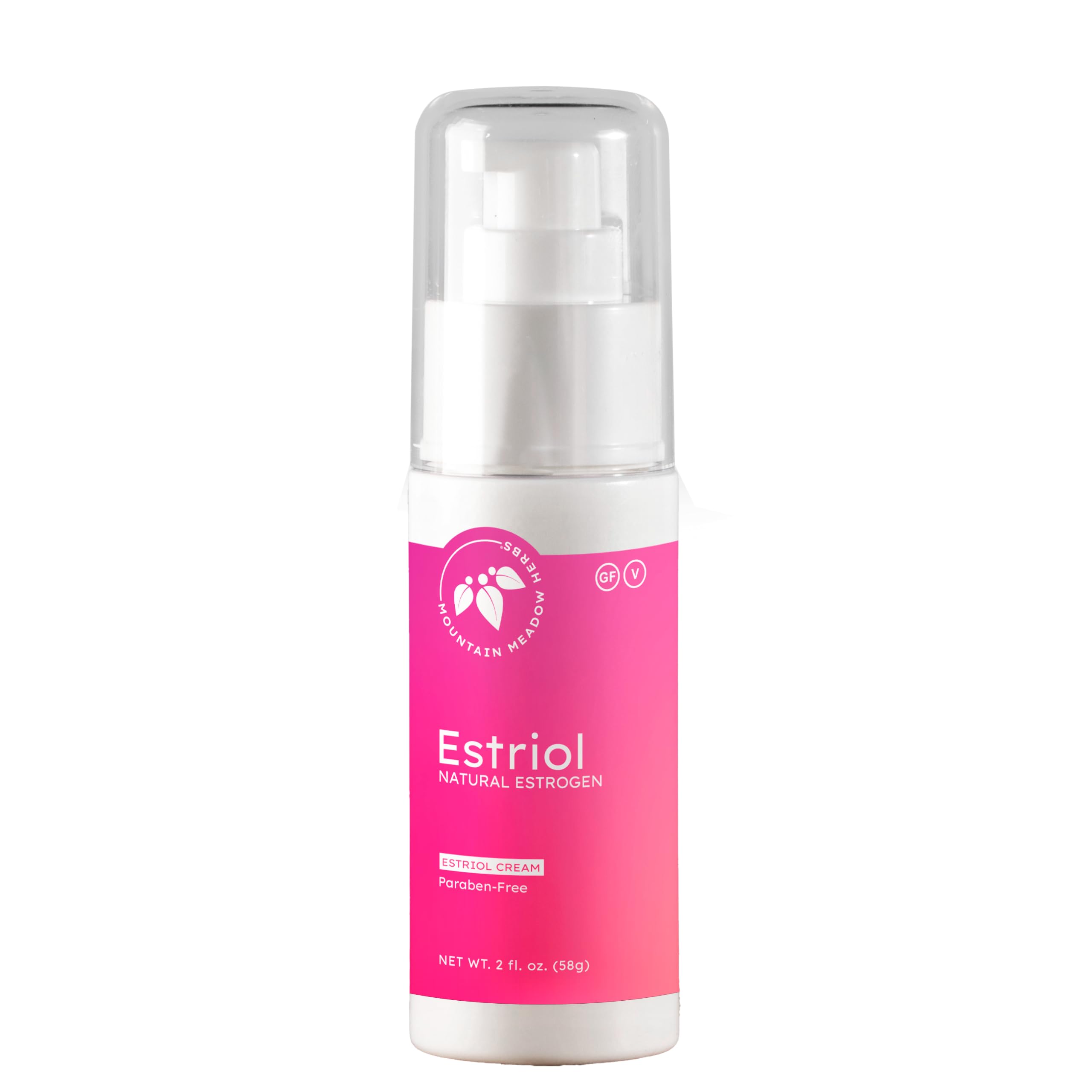
- Vaginal Creams: Often used with an applicator, these allow for precise dosing. They are typically applied daily for a "loading phase" (usually 1–2 weeks) and then reduced to twice-weekly for maintenance.
- Suppositories (Pessaries): These are small, solid inserts that dissolve at body temperature. They are often preferred for their convenience and lack of mess compared to creams.
- Oral Tablets: While oral estriol is available in some European and Asian markets, it is less common in North America because the liver metabolizes it very quickly, requiring higher doses to achieve clinical effects.
- Topical Gels or Oils: These are sometimes used in compounded preparations for broader skin application, though this is less standardized than vaginal delivery.
Comparing the Three Primary Estrogens
| Feature | Estrone (E1) | Estradiol (E2) | Estriol (E3) |
|---|---|---|---|
| Potency | Moderate | High | Low |
| Primary Source | Fat tissue (Post-menopause) | Ovaries (Pre-menopause) | Placenta (Pregnancy) |
| Primary Use | Generally not used alone | Systemic HRT, bone health | Localized GSM relief |
| Receptor Affinity | ER-α biased | Balanced (α and β) | ER-β biased |
| Duration of Action | Medium | Long | Short |
The Safety Profile of Estriol
One of the primary reasons patients and clinicians choose estriol is its safety profile. Because it is a short-acting estrogen with low systemic absorption when used vaginally, it does not typically cause the significant increase in blood estrogen levels associated with oral estradiol.
Breast and Endometrial Health
A major concern with traditional HRT is the potential stimulation of breast and uterine tissue, which can increase the risk of hyperplasia or cancer. Research, including long-term observational studies, suggests that low-dose vaginal estriol does not significantly increase the risk of endometrial thickening in most women.
Furthermore, the "Estriol Hypothesis"—a concept originating in the late 20th century and still discussed in 2026—posits that because estriol occupies estrogen receptors briefly and has a preference for the "protective" ER-β, it may have a neutral or even potentially protective effect on breast tissue compared to stronger estrogens. However, women with a history of hormone-sensitive cancers should still consult an oncologist before using any form of estrogen.
Side Effects
While generally well-tolerated, some users may experience:
- Local irritation or itching upon application.
- Mild breast tenderness (rare with low-dose vaginal use).
- Changes in vaginal discharge as the tissue heals.
- Occasional spotting (this should always be reported to a physician).
Experimental and Emerging Uses
In 2026, research continues into expanded uses for estriol beyond menopausal health. One area of interest is its role in autoimmune modulation. During pregnancy, when estriol levels are at their peak, many women with multiple sclerosis (MS) experience a significant reduction in symptoms. Clinical trials have explored the use of estriol as a neuroprotective agent to mimic this effect, though it remains an off-label use.
Additionally, estriol is occasionally used in dermatological preparations to combat "estrogen-deficient skin." Topical application to the face and neck may help increase collagen production and skin thickness in postmenopausal women, though specialized estriol-based skincare products are more common in compounding pharmacy circles than in mainstream retail.
Regulatory Status and Access
The availability of estriol varies significantly by geography. In the United Kingdom and much of Europe, estriol is a standard, licensed pharmaceutical product (common brand names include Ovestin or Gynest). It is widely prescribed by general practitioners as a first-line treatment for vaginal atrophy.
In the United States, the FDA has approved various estradiol-based vaginal products, but estriol itself is primarily available through compounding pharmacies. These pharmacies create customized formulations based on a doctor’s prescription. While the North American Menopause Society (NAMS) and the FDA emphasize the use of approved products for safety and consistency, many patients continue to use compounded estriol for its perceived "bioidentical" benefits and lower potency.
FAQs
Is estriol safer than estradiol?
Estriol is often considered "safer" for localized symptoms because it is less potent and stays attached to estrogen receptors for a shorter time. When used vaginally at low doses, it has minimal systemic absorption, meaning it is less likely to affect other parts of the body like the liver or the blood-clotting system. However, "safer" depends on the individual's health history and the condition being treated.
Can estriol be used by women who have had breast cancer?
This is a complex medical decision. While vaginal estriol has very low systemic absorption, most clinical guidelines recommend non-hormonal lubricants and moisturizers as the first line of defense for breast cancer survivors. If those fail, some oncologists permit the use of low-dose vaginal estriol, but it must be managed under strict medical supervision.
Do I need to take progesterone with estriol?
When using standard systemic estrogen (like an estradiol patch), progesterone is required for women with an intact uterus to prevent endometrial cancer. However, with low-dose vaginal estriol, the systemic absorption is so low that the American College of Obstetricians and Gynecologists (ACOG) and other bodies generally state that a progestogen is not required, as the risk of endometrial hyperplasia is extremely low.
How long does it take for estriol to work?
For vaginal dryness and discomfort, most women notice an improvement within 2 to 4 weeks of consistent use. Maximum benefits for tissue structural changes and the reduction of UTIs may take up to 3 months of maintenance therapy.
Can I use estriol for hot flashes?
Estriol is generally not the first choice for systemic symptoms like hot flashes or night sweats. Because it is a weak estrogen, it would require very high oral doses to suppress vasomotor symptoms, which defeats its primary advantage of localized action. Estradiol (E2) is the standard treatment for hot flashes.
Summary and Next Steps
Estriol is a targeted hormonal tool primarily used to restore urogenital health in postmenopausal women. By addressing the root cause of vaginal atrophy and recurrent UTIs, it significantly improves quality of life with a favorable safety profile.
If you are experiencing symptoms of vaginal dryness, pain during intercourse, or frequent urinary tract infections, you should consult a healthcare provider specializing in menopause. They can help determine if a localized estriol cream or suppository is appropriate for you or if a systemic hormone replacement strategy is required. Always ensure that any hormonal treatment is part of a comprehensive health plan that includes regular screenings and monitoring.
Image Gallery