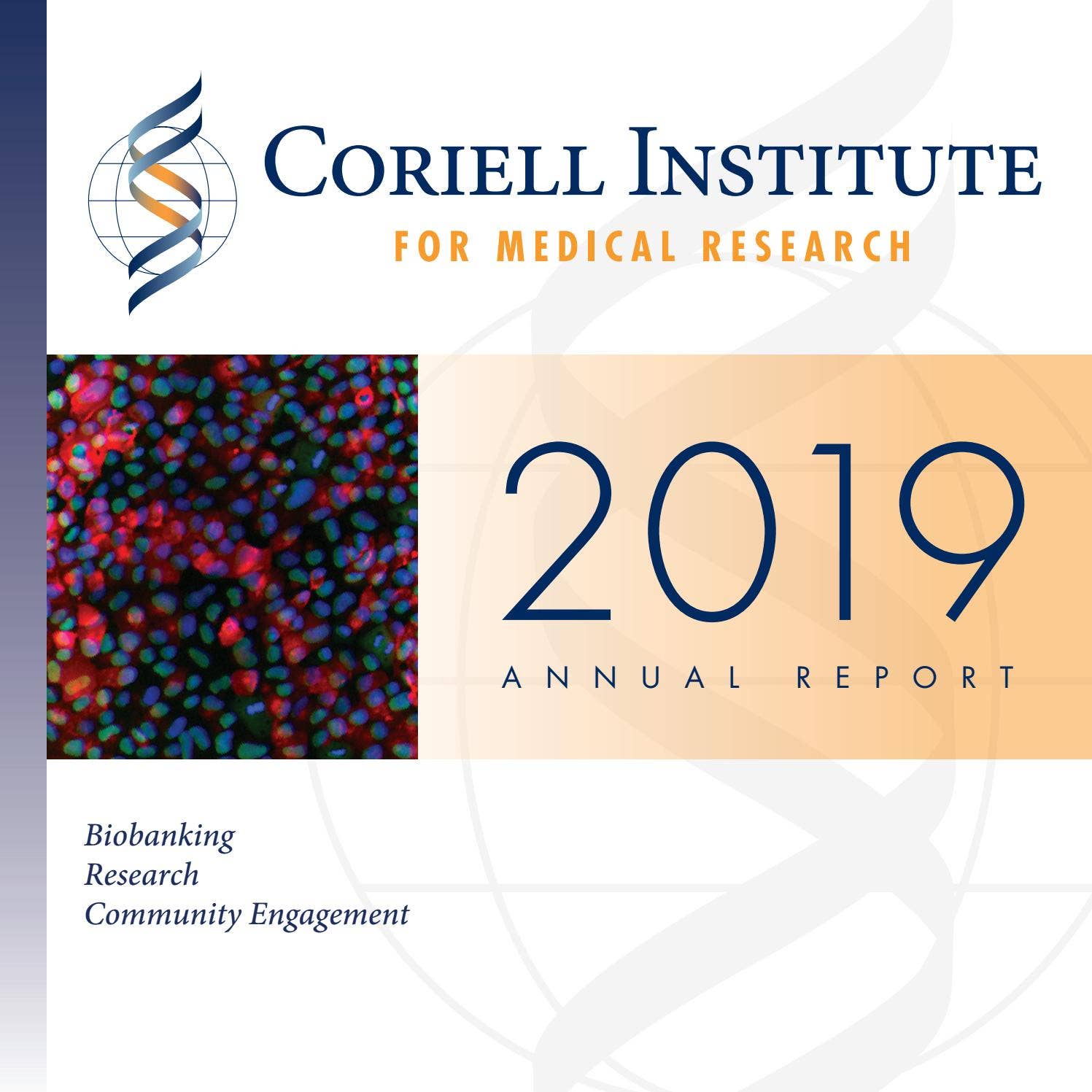
The Coriell Institute for Medical Research: Infrastructure, Biobanking Standards, and Global Genomic Impact
The Coriell Institute for Medical Research is an independent, non-profit biomedical facility based in Camden, New Jersey, recognized globally as a foundational leader in biobanking, cell culture technology, and genomic resources. Corie...
The Coriell Institute for Medical Research is an independent, non-profit biomedical facility based in Camden, New Jersey, recognized globally as a foundational leader in biobanking, cell culture technology, and genomic resources. Coriell maintains and distributes authenticated cell lines, high-purity DNA samples, and induced pluripotent stem cells (iPSCs) to researchers across more than 80 countries, accelerating breakthroughs in rare genetic diseases, population genetics, and personalized medicine.
Contents
History and Mission of the Coriell Institute
Founded in 1953 by Dr. Lewis L. Coriell, the institution was established to combat infectious diseases, specifically poliomyelitis. During the mid-20th century, tissue culture was fraught with contamination and instability, making long-term cellular studies unreliable. Dr. Coriell pioneered critical techniques in contamination control, including the application of laminar flow hoods, controlled antibiotic use, and standardized cryopreservation protocols. These innovations turned cell culture from an unpredictable laboratory experiment into a reliable, reproducible scientific standard.
Over the decades, the institute evolved from a localized virus research center into a world-renowned biobanking repository and research center. Today, Coriell operates at the intersection of bioresource management and translational research. Its mission centers on three core pillars:
- Bioresource Stewardship: Curating, validating, and distributing biological specimens under rigorous quality control standards.
- Biomedical Research: Conducting independent research in epigenomics, cellular aging, neurodegenerative conditions, and cancer biology.
- Service and Infrastructure: Providing custom cell lines, stem cell differentiation protocols, and contract research services to academic, governmental, and commercial organizations worldwide.
By maintaining high standards of biological authenticity and donor privacy, Coriell provides the scientific community with reliable cellular and genetic reagents that ensure experimental reproducibility across laboratories globally.
Key Managed Biorepositories
Coriell operates several of the world's most significant biological repositories through partnerships with federal agencies, medical foundations, and private research initiatives. Each repository serves specific research domains, providing customized sample types accompanied by rich phenotypic and clinical metadata.
Coriell Bioresource Architecture:
- NIGMS Human Genetic Cell Repository
- NHGRI Sample Repository
- NINDS Human Cell & Data Repository
- Stem Cell & Biomaterial Services (iPSCs, Fibroblasts, DNA Samples)
1. The NIGMS Human Genetic Cell Repository
Sponsored by the National Institute of General Medical Sciences (NIGMS), this repository is one of the largest collections of human cell lines and DNA in existence. Established at Coriell in 1972, the NIGMS Repository contains tens of thousands of biological samples representing thousands of distinct inherited genetic conditions, chromosomal aberrations, and healthy reference control populations. It serves as an essential global resource for researchers mapping rare inherited diseases, validating diagnostic assays, and studying human genetic variation.
2. The NHGRI Sample Repository
Supported by the National Human Genome Research Institute (NHGRI), this repository hosts genomic samples used in major international reference initiatives. It provided the baseline DNA and cell line resources for global projects such as:
- The International HapMap Project, which cataloged common genetic variation across diverse global populations.
- The 1000 Genomes Project, which established a detailed map of human genetic variation using high-throughput sequencing.
- Diversity panels used by geneticists to establish baseline allele frequencies across varied geographic populations.
3. The NINDS Human Cell and Data Repository
Managed for the National Institute of Neurological Disorders and Stroke (NINDS), this specialized collection focuses on neurodegenerative and neurological diseases. It provides investigators with validated fibroblast lines, induced pluripotent stem cells (iPSCs), and clinical data derived from patients with conditions such as Parkinson’s disease, Amyotrophic Lateral Sclerosis (ALS), Alzheimer’s disease, Huntington’s disease, and stroke.
4. Induced Pluripotent Stem Cell (iPSC) Lines and Services
Coriell has established advanced stem cell processing facilities to reprogram somatic cells (such as skin fibroblasts or blood cells) into iPSCs. These pluripotency-verified lines allow scientists to differentiate patient-specific stem cells into neuronal, cardiac, or hepatic cells in vitro, offering functional models of human disease without requiring invasive tissue biopsies.
Global Impact on Genomic Research and Precision Medicine
The availability of authenticated, disease-specific cell lines and DNA from Coriell has contributed to key milestones in modern genetics and precision healthcare.
Enabling the Human Genome Project and Post-Genomic Initiatives
During the Human Genome Project, consistent reference DNA samples were required to assemble the first reference sequence of human DNA. Coriell provided high-molecular-weight DNA and well-characterized lymphoblastoid cell lines that allowed global consortia to align sequence reads accurately. Subsequent genomic initiatives continue to rely on Coriell panels to benchmark new next-generation sequencing (NGS) platforms, bioinformatics pipelines, and structural variant detectors.
Accelerating Rare Disease Target Discovery
Rare diseases frequently suffer from a shortage of patient biological samples, stalling therapeutic development. Coriell addresses this bottleneck by aggregating samples from patients with rare conditions worldwide, establishing stable cell lines (such as immortalized lymphoblastoid lines), and distributing them to researchers. This open-access biobanking model has accelerated gene discovery for conditions such as Cystic Fibrosis, Huntington's disease, and Spinal Muscular Atrophy.
Standardizing Biobank Quality Control
Cross-contamination and cell line misidentification remain persistent challenges in cell biology, often leading to unrepeatable experimental results. Coriell established rigorous authentication standards that set baseline protocols for biobanks globally:
- Short Tandem Repeat (STR) Profiling: Verifies human cell line identity against established reference profiles to prevent cross-contamination (such as HeLa cell overgrowth).
- Cytogenetic Analysis: High-resolution G-banding and Fluorescence In Situ Hybridization (FISH) to verify chromosomal stability and karyotypic integrity.
- Mycoplasma Screening: Comprehensive testing via PCR and culture assays to confirm freedom from occult microbial contamination.
- High-Throughput Genotyping: SNP microarrays and digital PCR to verify sequence integrity and targeted mutations.
The Coriell Personalized Medicine Collaborative (CPMC)
Launched as an evidence-based research study, the CPMC investigated the clinical utility of incorporating genomic risk data into routine healthcare. The project evaluated how complex genetic risk factors, family history, and lifestyle data influenced physician decisions and patient behavior regarding disease prevention. Findings from the CPMC provided foundational evidence for integrating pharmacogenomics and polygenic risk scores into modern health systems.
Operational Guidelines: How Researchers Access Coriell Bioresources
Acquiring materials from the Coriell Institute requires compliance with institutional, ethical, and biosecurity regulations to ensure that biomaterials are used safely and legally.
Coriell Sample Acquisition Workflow:
- Registration & Verification: Verify PI Credentials & Institution
- Sample Selection: Search Catalog & Check Mutation Data
- Compliance & Agreement: Execute Institutional MTA & IRB Docs
- Order Processing & Logistics: Cold-Chain Shipping & Customs Approval
Step 1: Institutional Account Setup and Credentialing
Before ordering samples, an investigator must register an institutional account. Orders cannot be shipped to residential addresses or unverified private entities.
- Principal Investigator (PI) Status: The ordering individual must be a qualified scientist affiliated with a recognized university, hospital, pharmaceutical company, or research institute.
- Institutional Verification: Coriell validates the legal standing and biosafety capabilities of the requesting institution.
Step 2: Catalog Navigation and Sample Selection
Researchers utilize the online search interface to filter samples by:
- Gene Symbol or Variant: e.g., BRCA1, CFTR, HTT.
- Disease Category or ICD Code: Search by clinical diagnosis.
- Repository Identifier: Specific catalog numbers assigned under NIGMS, NHGRI, or NINDS collections.
- Demographic Parameters: Age, sex, ethnicity, and population group.
Step 3: Material Transfer Agreement (MTA) and Ethical Approval
Due to the human origin of these bioresources, strict legal and ethical boundaries apply:
- Assurance Form Completion: The institutional official and PI must sign a repository-specific MTA.
- Prohibition of Re-Identification: Customers agree not to attempt to re-identify anonymous donors or contact donor families.
- Restrictions on Redistribution: Samples acquired from Coriell cannot be resold or transferred to third-party labs without written authorization.
- IRB Review: Certain collections (especially those involving sensitive clinical phenotypes or embryonic/stem cell lines) require approval or an exemption from the receiving institution's Institutional Review Board (IRB).
Step 4: Biosafety Compliance and Cold-Chain Logistics
- Biosafety Level (BSL): Most human cell lines from Coriell are classified as BSL-1 or BSL-2. Institutions must possess appropriate containment facilities (such as Biosafety Cabinets and biosafety handling procedures).
- Shipping Protocols: Frozen cell vials and liquid DNA preparations are shipped using dry ice containers or liquid nitrogen dewars to maintain chain-of-custody thermal control. International shipments require specific import permits, customs declarations, and compliance with CITES or Nagoya Protocol provisions where applicable.
Comparison of Major Repositories at Coriell
The following table highlights the operational focus, sample types, and intended research applications across Coriell's primary managed biorepositories:
| Repository Name | Primary Sponsoring Entity | Representative Sample Types | Key Research Applications |
|---|---|---|---|
| NIGMS Human Genetic Cell Repository | National Institute of General Medical Sciences | Fibroblasts, Lymphoblastoid Cell Lines (LCLs), DNA | Rare single-gene disorders, chromosomal abnormalities, structural variant mapping. |
| NHGRI Sample Repository | National Human Genome Research Institute | Purified DNA, LCLs, High-Molecular-Weight DNA | Population genetics, high-throughput sequencing benchmarks, HapMap/1000 Genomes research. |
| NINDS Human Cell & Data Repository | National Institute of Neurological Disorders & Stroke | iPSCs, Differentiated Neuronal Progenitors, Fibroblasts | Neurodegenerative disease modeling (Parkinson's, ALS, Alzheimer's), neuro-pharmacology screening. |
| Coriell Custom Biobank Services | Private Foundations / Commercial Enterprise | Custom iPSCs, Biopsy Specimens, Cryopreserved PBMCs | Proprietary drug discovery pipelines, rare disease registry storage, specialized clinical trials. |
Quality Assurance and Ethical Governance Standards
Biobanks operating at a global scale must navigate complex ethical and technical standards to maintain scientific integrity and public trust.
Coriell Quality Control Pipeline:
- Donor Sample
- Cell Expansion & Cryopreservation
- STR Profiling (Identity Verification)
- Mycoplasma & Sterility Testing (Safety Clearance)
- Cytogenetic Karyotyping (Genomic Stability Verification)
- SNP / Sequencing Validation (Variant Confirmation)
- Authenticated Repository Catalog Distribution
Ethical Consent and Donor Anonymity
All samples deposited in Coriell repositories are collected under informed consent protocols approved by local IRBs. Donors consent to the distribution of their biological material to academic and commercial scientists worldwide for biomedical research. Coriell enforces strict de-identification procedures:
- Samples receive unique alphanumeric catalog identifiers.
- Personally Identifiable Information (PII), such as names, dates of birth, and precise geographic locations, is stripped prior to catalog inclusion.
- Open-access genomic datasets linked to Coriell samples are audited regularly to prevent donor re-identification via genealogical databases.
Standardized Cryogenic Storage Infrastructure
To prevent sample loss from natural disasters or mechanical failures, Coriell utilizes redundant storage systems:
- Liquid Nitrogen (LN2) Vapor Phase Freezers: Biological samples are kept below -130°C to preserve cellular viability indefinitely.
- Automated Monitoring: Continuous telemetry tracks freezer temperatures and liquid nitrogen levels, triggering immediate backup measures in the event of variance.
- Geographic Dispersal: Critical reference collections are divided across independent storage facilities to protect against catastrophic facility failure.
Frequently Asked Questions
What is the main mission of the Coriell Institute for Medical Research?
The Coriell Institute is an independent, non-profit organization dedicated to facilitating scientific discovery through biobanking, high-quality bioresource distribution, and independent research in genetics, epigenetics, and stem cell biology.
How do academic or corporate investigators request biological samples from Coriell?
Investigators must create an verified institutional account, select the desired sample from the online catalog, complete a Material Transfer Agreement (MTA) signed by an authorized institutional official, and provide any required IRB documentation prior to shipment.
What role did Coriell play in the Human Genome Project?
Coriell provided baseline human DNA samples and well-characterized lymphoblastoid cell lines used by international sequencing consortia to map, sequence, and assemble the reference human genome. Its collections continue to serve as gold standards for benchmarking modern sequencing platforms.
Does Coriell distribute induced pluripotent stem cells (iPSCs)?
Yes. Coriell maintains extensive collections of iPSCs, particularly through the NINDS repository and custom services. These include lines derived from healthy donors as well as patients with neurodegenerative and rare genetic conditions.
How does Coriell prevent cross-contamination in its cell lines?
Coriell employs a multi-tier quality control protocol that includes Short Tandem Repeat (STR) profiling for human cell identity verification, high-resolution karyotyping for chromosomal stability, and PCR-based screening to rule out mycoplasma and other adventitious agents.
Actionable Next Steps for Research Institutions
If your organization plans to incorporate cell lines or DNA controls from the Coriell Institute into upcoming experimental protocols:
- Verify Institutional Eligibility: Ensure your institution has an active institutional account and that your biosafety committee has cleared your facility for Biosafety Level 1 or 2 operations depending on the target cell line.
- Review MTA Requirements Early: Coordinate with your university's or company's Technology Transfer Office (TTO) or legal team to review Coriell's standard Material Transfer Agreement terms before submitting an order to prevent administrative delays.
- Cross-Reference Variant Annotations: Before selecting disease-specific lines, cross-reference the Coriell sample ID with databases like ClinVar or Ensembl to confirm that specific single nucleotide variations (SNVs) or structural alterations align with your experimental hypotheses.
- Prepare Storage and Recovery Protocols: Ensure your laboratory possesses liquid nitrogen storage capabilities and specialized cell culture media required for thawing and maintaining fastidious lines, such as primary fibroblasts or iPSCs.
Image Gallery