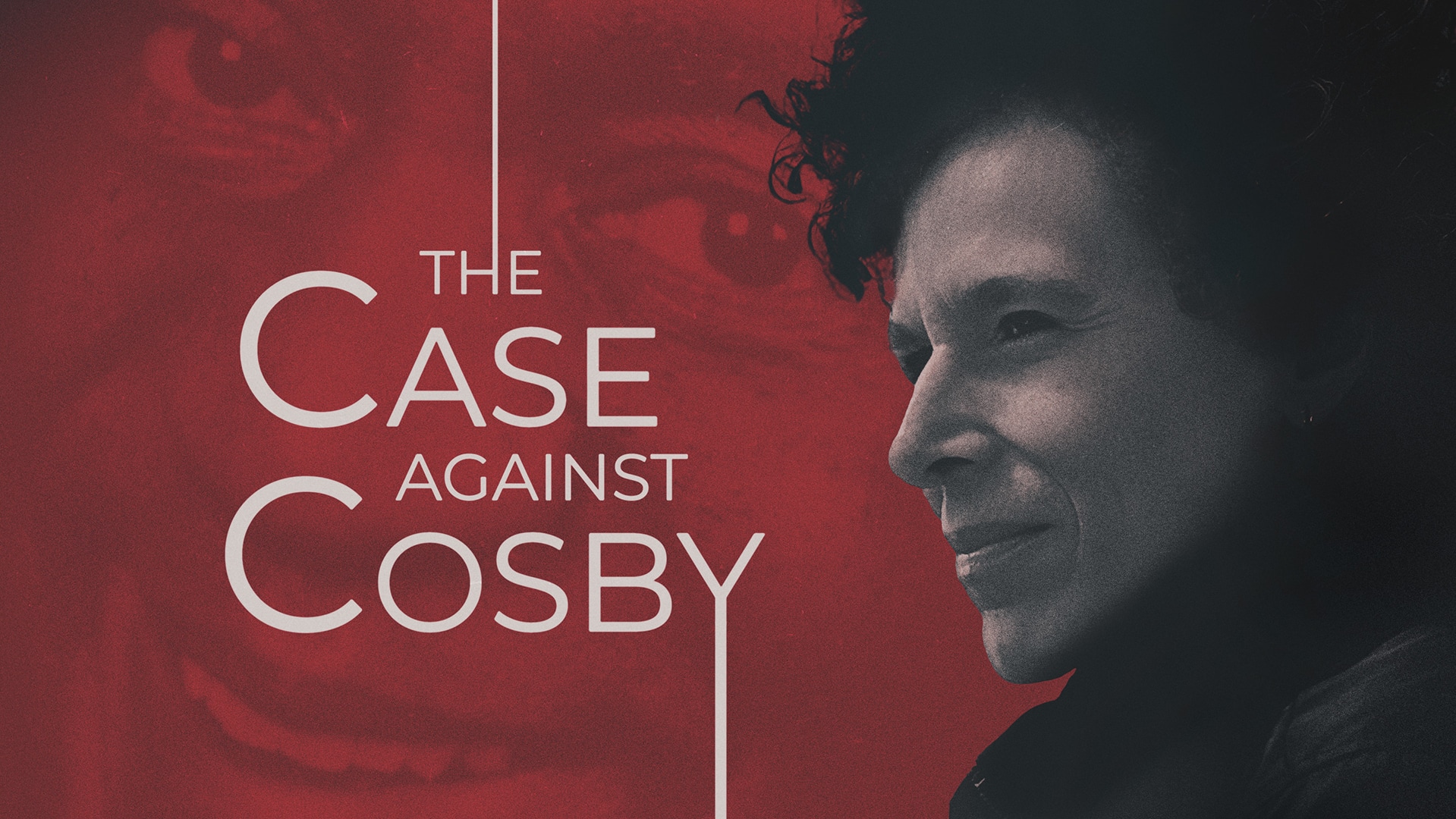
The Bill Cosby Sexual Assault Case Explained: A Definitive Timeline and Legal Analysis
The Bill Cosby sexual assault case remains one of the most significant legal events in modern American history, centering on the 2004 drugging and molestation of Andrea Constand. Although convicted in 2018, Cosby was released in 2021 a...
The Bill Cosby sexual assault case remains one of the most significant legal events in modern American history, centering on the 2004 drugging and molestation of Andrea Constand. Although convicted in 2018, Cosby was released in 2021 after the Pennsylvania Supreme Court vacated his conviction due to a due process violation involving a previous non-prosecution agreement.
Contents
As of 2026, the case continues to serve as a landmark study in the intersection of celebrity, criminal procedure, and the evolution of victims' rights. To understand how one of the world’s most beloved entertainers, once dubbed "America’s Dad," became a convicted felon—only to have that conviction overturned on a technicality—it is necessary to examine the complex interplay of civil depositions, prosecutorial discretion, and the "Me Too" movement.
The Foundation of the Case: Andrea Constand and the 2004 Incident
The legal trajectory of Bill Cosby began with Andrea Constand, a former Director of Operations for the women's basketball team at Temple University. In January 2004, Constand visited Cosby at his home in Cheltenham, Pennsylvania, seeking career advice. According to her testimony, Cosby provided her with three blue pills he identified as "herbal" supplements to help her relax.
Constand testified that the pills left her paralyzed and unable to resist when Cosby sexually assaulted her. It was not until early 2005 that Constand reported the incident to the police. This delay, common in sexual assault cases, became a central theme in Cosby’s defense strategy for years to come.
The 2005 Decision by Bruce Castor
In 2005, the Montgomery County District Attorney, Bruce Castor, reviewed the evidence provided by Constand. Castor ultimately declined to bring criminal charges, citing "insufficient credible and admissible evidence." However, Castor’s decision came with a unique condition that would later dictate the outcome of the entire case.
To ensure Constand could seek justice in a civil forum, Castor issued a press release stating he would not prosecute Cosby. His intent was to strip Cosby of his Fifth Amendment right against self-incrimination. If Cosby could not be criminally charged, he could not refuse to testify in a civil deposition. Relying on this perceived immunity, Cosby sat for four depositions in 2005 and 2006, during which he admitted to obtaining Quaaludes with the intent of giving them to women he wanted to have sex with.
The 2014 Cultural Resurgence and New Allegations
For nearly a decade, the case largely faded from public view after Cosby settled Constand’s civil suit for $3.38 million in 2006. The turning point arrived in October 2014, when comedian Hannibal Buress referred to Cosby as a "rapist" during a stand-up set in Philadelphia. A video of the performance went viral, prompting dozens of women to come forward with strikingly similar stories of being drugged and assaulted by Cosby dating back to the 1960s.
The sheer volume of accusers—eventually totaling more than 60 women—shifted public perception and put immense pressure on law enforcement to re-examine old files. While most of these allegations were outside the statute of limitations for criminal prosecution, the Andrea Constand case was nearing its 12-year limit.
The Criminal Trials: 2017 and 2018
In December 2015, just days before the statute of limitations expired, new Montgomery County District Attorney Kevin Steele charged Bill Cosby with three counts of aggravated indecent assault. The prosecution argued that the newly unsealed 2005 deposition testimony constituted "new evidence" that allowed them to bypass Castor’s earlier decision.
The First Trial (2017)
The first trial in June 2017 ended in a mistrial. The jury deliberated for more than 50 hours but was unable to reach a unanimous verdict. At the time, the judge allowed only one other accuser (a "prior bad acts" witness) to testify alongside Constand. This limitation was seen by many legal analysts as a significant hurdle for the prosecution.
The Second Trial (2018)
The second trial, held in April 2018, saw a major tactical shift. Judge Steven O'Neill allowed five "prior bad acts" witnesses to testify, establishing a pattern of behavior that the prosecution argued proved Cosby’s modus operandi. The inclusion of these witnesses was pivotal. On April 26, 2018, the jury found Cosby guilty on all three counts.
Cosby was sentenced to three to ten years in state prison and was classified as a "sexually violent predator." He served nearly three years at SCI Phoenix, a maximum-security prison in Pennsylvania.
| Trial Feature | 2017 Trial (Mistrial) | 2018 Trial (Conviction) |
|---|---|---|
| Primary Accuser | Andrea Constand | Andrea Constand |
| Supporting Witnesses | 1 (Kelly Johnson) | 5 (Prior Bad Acts Witnesses) |
| Key Evidence | 2005 Deposition | 2005 Deposition + Patterns |
| Verdict | Hung Jury / Mistrial | Guilty on 3 Counts |
| Sentence | N/A | 3 to 10 Years |
The 2021 Pennsylvania Supreme Court Ruling
The most controversial chapter of the Cosby case occurred on June 30, 2021, when the Pennsylvania Supreme Court vacated Cosby’s conviction in a 79-page opinion. The court did not rule on Cosby’s innocence or the validity of the testimony. Instead, the ruling focused entirely on the 2005 agreement made by Bruce Castor.
The court found that Cosby had relied on Castor's promise of non-prosecution when he agreed to testify in the civil deposition. By using that self-incriminating testimony against him in a later criminal trial, the prosecution violated Cosby’s Fourteenth Amendment rights regarding due process and fundamental fairness.
The court's decision was absolute: they didn't just grant a new trial; they vacated the conviction and barred any further prosecution of Cosby on these specific charges. This "vacated with prejudice" status meant that the Constand case was legally over, and Cosby was released from prison that same day.
Post-Release and Continuing Civil Litigation
While Bill Cosby was freed from the criminal charges in Pennsylvania, his legal battles did not end in 2021. As we look at the status of things in 2026, the case has shifted almost entirely to the civil courts.
The Judy Huth Case (2022)
In June 2022, a California jury found Cosby liable for the sexual assault of Judy Huth at the Playboy Mansion in 1975, when she was 16 years old. Because California had extended or eliminated the statute of limitations for childhood sexual abuse, Huth was able to seek damages decades later. The jury awarded her $500,000.
Lookback Windows and New Legislation
In recent years, several states, including New York and New Jersey, passed "lookback" legislation (such as the Adult Survivors Act). These laws created temporary windows during which survivors of sexual assault could file civil lawsuits regardless of how long ago the incident occurred. Consequently, Cosby faced a fresh wave of civil litigation in the mid-2020s from accusers like Janice Dickinson and others who had previously been barred by time limits.
Legal and Societal Impact
The Cosby case is frequently cited as a catalyst for the "Me Too" movement, demonstrating that even the most powerful figures in entertainment could face a courtroom. However, his eventual release highlighted the rigid—and sometimes frustrating—nature of procedural law.
- Prosecutorial Discretion: The case underscored the power of a District Attorney's informal promises. Even without a signed immunity agreement, a public statement of intent not to prosecute can create an enforceable "contract" under the Due Process Clause.
- Prior Bad Acts (Molineux Evidence): The case sparked nationwide debate over how many additional accusers should be allowed to testify in a case involving a single victim. While it helps establish a pattern, defense attorneys argue it can prejudice a jury by putting a defendant's character on trial rather than the specific act.
- Victim Advocacy: Despite the vacated conviction, Andrea Constand has become a leading advocate for sexual assault survivors, founding the Hope Healing and Resilience foundation.
FAQs: Understanding the Nuances
Why was Bill Cosby released if he was found guilty?
Cosby was released because the Pennsylvania Supreme Court ruled that his due process rights were violated. The court found that a 2005 agreement not to prosecute him—which induced him to give a self-incriminating civil deposition—was legally binding. The prosecution's decision to use that deposition against him in 2018 was deemed fundamentally unfair by the high court.
Was Bill Cosby found innocent?
No. The Pennsylvania Supreme Court did not weigh in on the facts of the assault or Cosby’s guilt. Their ruling was based on a procedural violation regarding the state's promise not to prosecute. In legal terms, the conviction was vacated, but it does not constitute a finding of innocence.
Can Bill Cosby be charged again for the same crime?
No. The Pennsylvania Supreme Court vacated the conviction "with prejudice," which legally bars any future prosecution for the charges involving Andrea Constand in that jurisdiction. This is a permanent bar to ensure the state cannot benefit from the due process violation again.
What is the difference between his criminal and civil cases?
Criminal cases are brought by the state and can result in prison time; the burden of proof is "beyond a reasonable doubt." Civil cases are brought by individuals seeking financial compensation; the burden of proof is lower ("preponderance of the evidence"). Even after his criminal conviction was vacated, Cosby remained liable in civil court, as seen in the Judy Huth verdict.
How did the statute of limitations affect the case?
Most of the 60+ allegations against Cosby could not be prosecuted because they occurred decades ago, exceeding the time limits set by state laws. Andrea Constand’s case was one of the few that fell within the 12-year window (at the time) in Pennsylvania, which is why it became the primary criminal vehicle.
Final Recommendation for Researching Legal Precedents
For those seeking to understand the deeper legal mechanics of this case, it is recommended to read the full opinion of Commonwealth v. Cosby, 252 A.3d 1092 (Pa. 2021). This document provides an exhaustive look at how the court balances the rights of the accused against the powers of the state. Additionally, monitoring the outcomes of civil "lookback" cases provides a clearer picture of how modern legislation is attempting to provide a path to justice for survivors whose criminal windows have long since closed.
Image Gallery