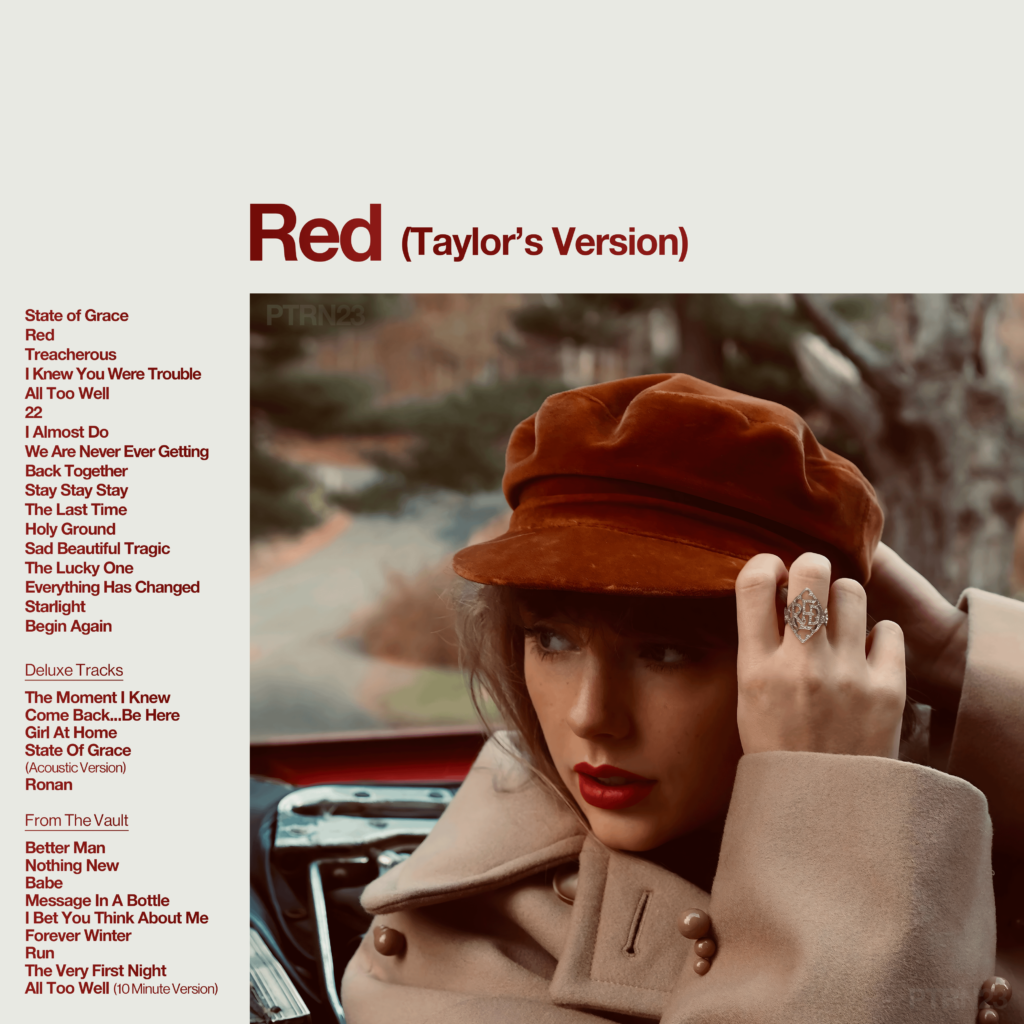
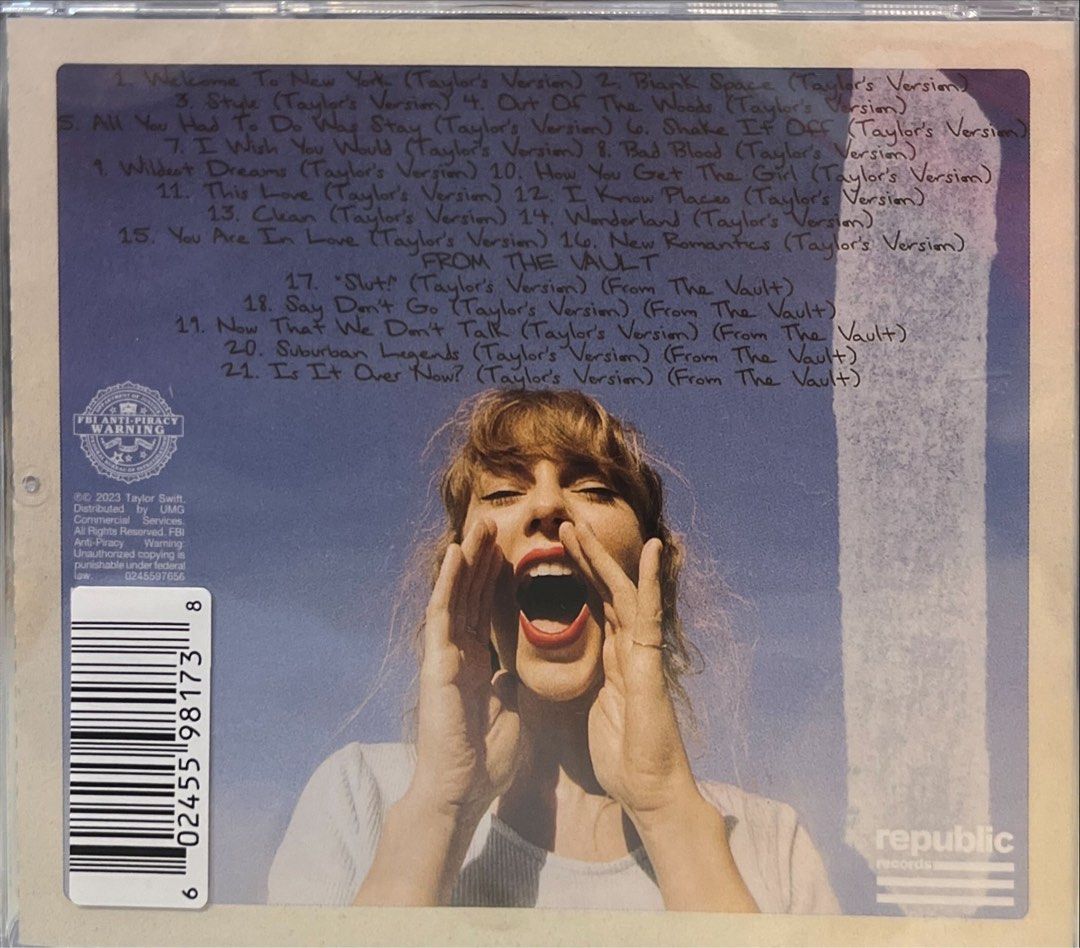
Understanding the Taylor Swift Track by Track Version
A Taylor Swift track by track version refers to the specialized album presentations, companion audio streams, or commentary editions where every song on a record is individually discussed, analyzed, or highlighted in sequence. These re...
A Taylor Swift track by track version refers to the specialized album presentations, companion audio streams, or commentary editions where every song on a record is individually discussed, analyzed, or highlighted in sequence. These releases provide fans and musicologists with a structural breakdown of the songwriting process, thematic development, and production choices behind each track on an album.
Contents
The Evolution of Track by Track Audio and Commentary Editions
The concept of a track by track presentation in contemporary pop music has roots in both traditional liner notes and modern streaming-era marketing. As Taylor Swift transitioned from a traditional country singer-songwriter into a global pop and alternative powerhouse, the depth of her lyricism generated an immense culture of textual analysis. Listeners no longer consumed albums as passive background noise; they treated every bridge, lyric change, and sonic cue as a clue in an interconnected narrative.
Historically, artists offered insight through physical CD liner notes, secret messages hidden in capitalization, or promotional interview cycles. In the streaming era, platforms such as Spotify, Apple Music, and Amazon Music introduced specialized formats. These included "Behind the Song" additions, "Director's Cut" style commentary tracks, and curated track by track playlists where the artist speaks directly to the listener between or during the music.
For a meticulous catalog like Taylor Swift’s—spanning autobiographical confessionals, fictional narrative arcs in folklore and evermore, and massive re-recording campaigns like Taylor’s Version—the track by track format offers vital context. It bridges the gap between the creator's original intent and the listener's personal interpretation, establishing a structured roadmap through complex double albums and re-released vaults.
Categorizing Track by Track Formats in Swift's Discography
When exploring a Taylor Swift track by track version, it is essential to distinguish between official audio commentaries, platform-exclusive director editions, and comprehensive critical breakdowns. Understanding these categories ensures that listeners access the precise type of content they seek, whether it is direct artist commentary or structured musicological analysis.
| Format Type | Primary Source | Content Characteristics | Availability |
|---|---|---|---|
| Artist Commentary Editions | Official streaming releases / Special editions | The artist speaks directly about the inspiration, writing room environment, and production choices for each song. | Variable (Platform-specific or physical release bundles) |
| Video Track by Track Series | YouTube Originals / Promotional specials | Visual presentations featuring acoustic performances, behind-the-scenes footage, and explanatory interviews. | Video streaming platforms and official archives |
| Interactive Streaming Playlists | Curated platform features | Sequential song ordering paired with curated text notes, pop-up trivia, or artist voice notes per track. | Major streaming services (Spotify, Apple Music) |
| Critical & Journalistic Breakdowns | Music publications and media outlets | Track-by-track reviews, lyric analyses, and structural critiques written by professional music critics. | Independent publishing websites and print media |
Navigating these formats requires checking the specific digital storefront or streaming service library, as exclusivity windows often govern where and how artist-narrated track by track versions appear.
The Importance of Track by Track Editions for Re-Recordings
A major catalyst for track by track digital content has been Taylor Swift's ongoing project to re-record her first six studio albums. Projects like Fearless (Taylor's Version), Red (Taylor's Version), Speak Now (Taylor's Version), and 1989 (Taylor's Version) introduce a unique structural challenge: balancing archival fidelity with mature vocal delivery and modern production standards.
Track by track comparisons became an essential consumption habit for the fanbase upon the release of each re-recorded album. Listeners and critics systematically evaluated every track side-by-side with the 2008–2014 originals to assess:
- Vocal Maturation: How the artist's richer, more controlled vocal register changes the emotional weight of teenage or early-twenties anthems.
- Instrumental Fidelity: The recreation of specific acoustic or electronic arrangements, down to the exact mixing choices of classic hooks and backing harmonies.
- Vault Tracks: Unreleased songs written during the original album sessions that are finally introduced in sequential order or as a distinct bonus section, expanding the narrative of that specific era.
This systematic examination turned every re-release rollout into an event, where tracking changes song-by-song allowed the audience to appreciate both the nostalgia of the original era and the technical triumph of artistic ownership.
Methodologies for Analyzing an Album Track by Track
Engaging with a track by track version—whether through an official commentary or an analytical listening session—relies on specific structural elements. Musicologists, critics, and dedicated fans typically examine each track through four primary lenses:
1. Lyrical Themes and Narrative Placement
Where does the song sit within the broader emotional arc of the album? An opening track establishes tone and expectation, while track five traditionally holds the most emotionally vulnerable or devastating confession in Swift's discography. Analyzing a track by track means understanding why a specific story is told at that exact moment in the tracklist.
2. Sonic Architecture and Production
Every era of Taylor Swift's career features a distinct sonic palette—from the banjo-infused country pop of her early years to the synth-heavy production of 1989 and the organic, acoustic instrumentation of Aaron Dessner and Jack Antonoff collaborations. A track by track review notes shifts in tempo, key signatures, vocal processing, and instrumentation choices that define the atmosphere of individual songs.
3. Intertextuality and Callbacks
Taylor Swift is known for an intricate web of lyrical motifs, recurring colors, seasonal imagery, and numerical significance across her discography. A thorough track by track exploration highlights how a specific line or chord progression references older work, rewarding long-term listeners who track the evolution of her artistic themes over two decades.
4. Cultural and Biographical Context
While Swift has frequently cautioned against reducing her art strictly to a game of identifying real-life subjects, understanding the cultural environment, press cycles, or personal milestones surrounding an album's creation provides valuable context for the material being presented track by track.
Common Questions About Taylor Swift Track by Track Versions
Where can I find official Taylor Swift track by track commentary?
Official track by track audio or video commentary is typically released alongside major album rollouts via exclusive partnerships with streaming platforms like Spotify or Apple Music, or packaged within special deluxe video editions on platforms like YouTube. Availability can vary by region and streaming platform licensing agreements.
Are vault tracks included in official track by track releases?
Yes. When Taylor Swift releases commentary or deep-dive features for her Taylor’s Version re-recordings, the discussion usually extends to the "From the Vault" tracks. These segments explain when the vault songs were written, why they were originally left off the standard tracklist, and how they fit into the thematic world of that specific album era.
How do track by track reviews differ from standard album reviews?
While a standard album review summarizes the overall quality, cohesion, and cultural impact of a record in a few paragraphs, a track by track review or version provides an exhaustive, song-by-song evaluation. It allows critics and creators to dissect outliers, transition tracks, and deep cuts that might otherwise be overshadowed by promotional singles.
Do streaming platforms automatically generate track by track experiences?
Major platforms frequently deploy automated or editorially curated features—such as enhanced albums, story-behind-the-song modules, and lyric pop-ups—that update dynamically. However, these differ from artist-narrated track by track editions, which require direct participation from the creator to provide firsthand commentary.
Can track by track analysis change the perception of an album?
Sequential track analysis often rescues misunderstood deep cuts or divisive stylistic shifts by placing them in their proper narrative context. By understanding why a song is positioned between two specific tracks, listeners frequently develop a deeper appreciation for album sequencing and cohesiveness.
Conclusion and Next Actions
Engaging with a Taylor Swift track by track version transforms passive listening into an active, analytical experience. Whether exploring the intimate confessionals of folklore, the pop mastery of 1989, or the historical reclamation of the re-recorded vault tracks, examining an album song-by-song reveals the meticulous craftsmanship behind modern pop songwriting. To get the most out of your next listening session, select an album of choice, pair it with an official commentary stream or a comprehensive lyric breakdown, and listen to the record from start to finish while noting how each song builds upon the last.
Image Gallery