Bank of America Money Market IRA: A Practical Overview
A Bank of America Money Market IRA is a specialized individual retirement account that combines the tax-advantaged growth of an IRA with the liquidity and stability of a money market savings product. It serves as a conservative holding...
A Bank of America Money Market IRA is a specialized individual retirement account that combines the tax-advantaged growth of an IRA with the liquidity and stability of a money market savings product. It serves as a conservative holding vehicle for retirement savers who wish to earn interest on cash balances while maintaining FDIC insurance protection, rather than relying on market-based investments like stocks or mutual funds.
Contents
Understanding the Money Market IRA Concept
To grasp the mechanics of a Bank of America Money Market IRA, one must first distinguish between the IRA structure and the underlying investment asset. An Individual Retirement Account (IRA) is a tax-advantaged financial vehicle designed to help individuals save for retirement. The "Money Market" component refers to the underlying asset—a savings instrument that generally pays interest based on current market rates while providing a high degree of capital preservation.
Unlike a brokerage-based IRA, which might hold a diverse portfolio of volatile equities or bonds, a Money Market IRA at a traditional retail bank like Bank of America functions similarly to a high-yield savings account encased within a legal retirement structure. This setup is particularly attractive for risk-averse investors who are nearing retirement and seek to minimize their exposure to stock market volatility or for individuals who want to park their retirement funds in a safe harbor while waiting for different investment opportunities.
Eligibility and Account Prerequisites
Establishing a retirement account with a major financial institution requires adherence to specific federal regulations and internal bank requirements. In 2026, the baseline requirements for opening or managing such an account include:
- Earned Income: You must have earned income to contribute to an IRA (Traditional or Roth).
- Age Requirements: There is no maximum age for contributing to a Traditional IRA, provided you have qualifying earned income.
- Account Structure: You must choose between a Traditional IRA, which offers potential tax-deferred growth, or a Roth IRA, which offers potential tax-free withdrawals in retirement. The Money Market product can usually be applied to either structure.
- Relationship with the Bank: As a major retail institution, Bank of America often integrates its IRA products within its broader Preferred Rewards or digital banking ecosystems. While the account can be opened via online portals or at physical branches, users should ensure they are accessing the correct "retirement" product, as standard savings accounts do not carry the tax-advantaged status of an IRA.
Operational Mechanics: Interest, Fees, and Access
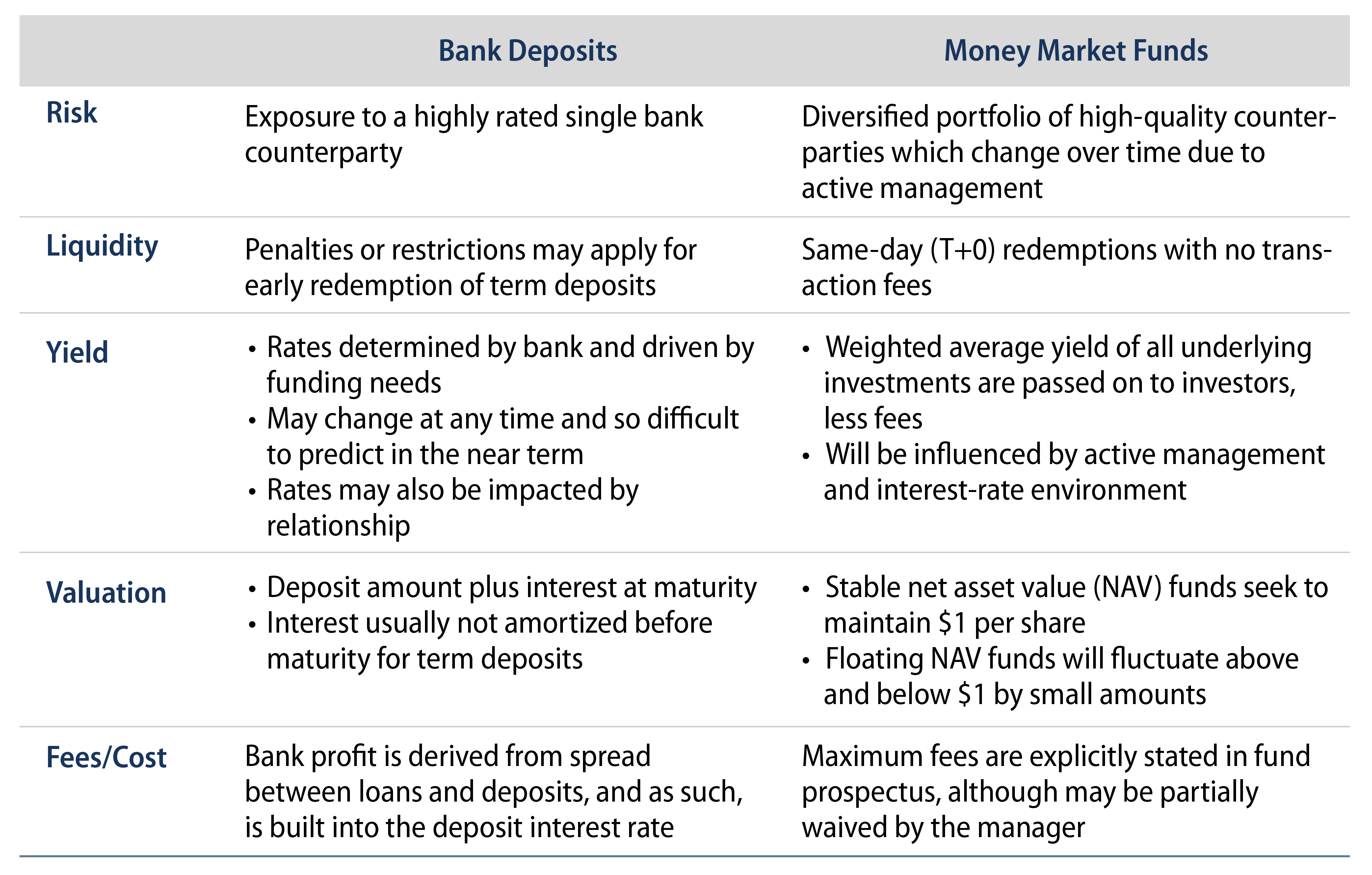
When you place funds into a Money Market IRA, the performance of your account is primarily driven by the Annual Percentage Yield (APY) offered by the institution. Because these accounts are designed for safety, the interest rates are generally lower than potential long-term returns in the stock market but higher than traditional basic savings accounts.
Interest Rate Fluctuations
Interest rates on these accounts are variable. In 2026, the rates are influenced by the federal funds rate set by the Federal Reserve. Investors should monitor these shifts, as the bank reserves the right to change the interest rate at any time. It is not uncommon for rates to adjust monthly or quarterly based on the economic environment.
Liquidity and Limitations
While Money Market IRAs are more liquid than a Certificate of Deposit (CD), which locks your money for a specific term, they are still retirement vehicles. If you are under the age of 59½, withdrawing funds from an IRA before the maturity of the tax advantage can result in a 10% IRS early withdrawal penalty, in addition to any applicable income taxes. Furthermore, while these accounts often allow for electronic transfers, federal regulations (such as the legacy Regulation D) and bank-specific policies may limit certain types of withdrawals or transfers to maintain the account's status.
Cost Considerations
Investors should verify the fee schedule associated with their specific IRA product. Common fees include:
- Annual Maintenance Fees: Some institutions charge a flat fee for the administration of the IRA.
- Early Withdrawal Fees: Applied if funds are removed outside of IRS-compliant distributions.
- Low Balance Fees: Charged if the account balance falls below a specified minimum threshold.
Comparative Overview: Money Market IRA vs. Other Retirement Vehicles
Choosing the right vehicle depends on your time horizon and risk tolerance. The following table illustrates how a Money Market IRA compares to other common retirement holdings.
| Feature | Money Market IRA | Brokerage IRA (Stocks/ETFs) | Certificate of Deposit (CD) IRA |
|---|---|---|---|
| Risk Level | Low | High | Very Low |
| Growth Potential | Moderate (Interest-based) | High (Market-based) | Low (Fixed rate) |
| Liquidity | High (with penalty risks) | Moderate | Low (Term-locked) |
| FDIC Insurance | Yes | No (Investment risk) | Yes |
Note: FDIC insurance coverage applies to deposit accounts up to the maximum amount permitted by law, currently $250,000 per depositor, per insured bank, for each account ownership category.
Strategic Use Cases: When to Choose This Option
The Money Market IRA is rarely intended to be the sole vehicle in an investment portfolio for a young professional. Instead, it serves specific roles in a comprehensive financial plan:
- The "Waiting Room" Strategy: Investors who have sold stocks in a taxable account or are in the process of rebalancing their portfolios often move funds into a Money Market IRA to preserve capital while deciding on the next long-term allocation.
- Short-Term Retirement Goals: If you are within 1–3 years of retirement, shifting a portion of your portfolio to a Money Market IRA can protect your principal from a market downturn during a sensitive time in your life.
- Risk-Off Environments: During periods of high economic uncertainty, some investors choose to move a larger portion of their retirement funds into guaranteed, interest-bearing accounts to avoid the volatility of the equity markets.
Troubleshooting Common Account Issues
Navigating a large banking interface can occasionally present challenges. If you encounter issues with your Bank of America IRA, consider these steps:
- Digital Banking Synchronization: If your IRA does not appear in your primary online banking dashboard, it may be due to a separate login requirement for retirement products. Ensure your accounts are linked properly via the "Profile & Settings" menu.
- Tax Reporting Inquiries: If you have questions regarding 1099-INT or 5498 forms, these are typically available in the "Statements & Documents" section. If documents are missing, contact the bank’s dedicated retirement services department rather than general customer service, as IRAs fall under specific regulatory reporting requirements.
- Transfer Delays: When moving money from an existing 401(k) or another IRA to a new Money Market IRA, remember that "direct rollovers" (trustee-to-trustee) are preferred to avoid triggering taxable events or withholding taxes.
Frequently Asked Questions
1. Is the interest earned in a Money Market IRA taxable annually? No. One of the primary benefits of an IRA (Traditional or Roth) is that the interest earned within the account grows on a tax-deferred or tax-free basis. You generally do not pay taxes on interest in the year it is earned; taxes are either paid when you withdraw the money in retirement (Traditional) or not at all upon qualified distribution (Roth).
2. Does Bank of America provide financial advice for my IRA? Bank of America offers various tiers of service, including self-directed accounts and access to advisors through Merrill. A basic Money Market IRA is typically a self-directed product. For personalized advice, you should request a consultation with a registered financial advisor who can assess your overall retirement needs.
3. What happens to my money if the bank fails? Bank of America is a member of the FDIC. Deposits held in your Money Market IRA are insured up to the standard maximum deposit insurance amount of $250,000 per depositor, for each account ownership category. This protection covers the principal and any accrued interest up to the date of a bank failure.
4. Can I contribute to a Money Market IRA and a 401(k) at the same time? Yes. You are generally allowed to contribute to both an employer-sponsored 401(k) and a personal IRA simultaneously. However, your ability to deduct Traditional IRA contributions from your taxes may be limited by your income level and your participation in an employer-sponsored plan. Consult a tax professional regarding current 2026 IRS contribution limits.
5. Is there a minimum balance required to open an IRA? Minimum balance requirements can change. While some accounts require an initial deposit to open, others may waive this for specific customer tiers. Always check the current fee disclosure provided during the account opening process for the most accurate information.
Next Actions and Recommendations
Before opening a Money Market IRA, conduct a thorough review of your current retirement strategy. If you currently hold all your assets in a single, high-risk portfolio, evaluate how a shift to a more conservative, cash-based product aligns with your timeline to retirement.
To proceed, gather your personal identification, your Social Security number, and information regarding your existing retirement accounts if you are planning a rollover. Log in to your banking portal or visit a branch to review the current interest rates and the specific fee schedule. Always ensure that the account you are opening is categorized correctly as an IRA to receive the intended tax benefits. For complex tax situations, coordinate your move with a CPA or financial planner to ensure you stay within IRS annual contribution limits and eligibility guidelines.
Image Gallery