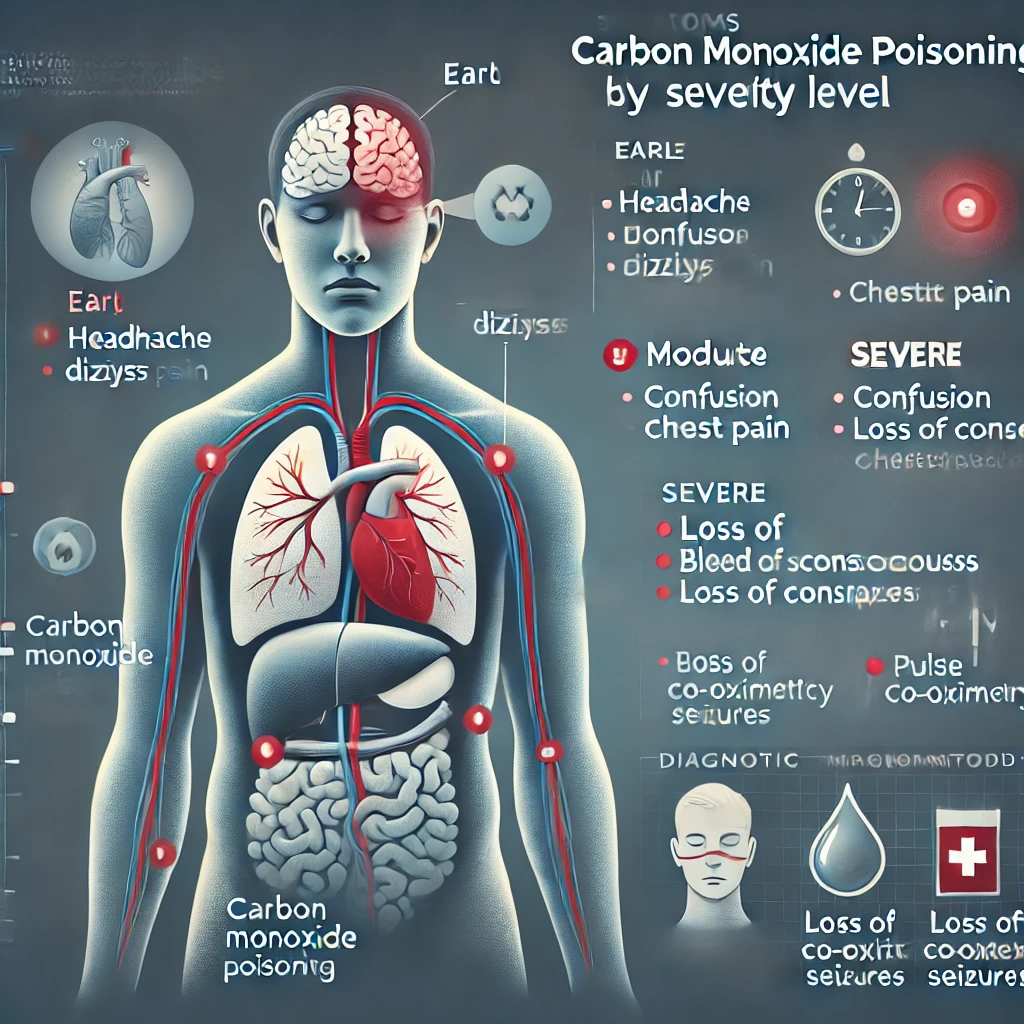
Understanding Life Insurance Coverage for Carbon Monoxide Poisoning
Life insurance generally covers death resulting from carbon monoxide poisoning, provided the policy is active and the death does not fall under specific exclusions like suicide during the contestability period or illegal acts. Because...
Life insurance generally covers death resulting from carbon monoxide poisoning, provided the policy is active and the death does not fall under specific exclusions like suicide during the contestability period or illegal acts. Because carbon monoxide poisoning is typically classified as an "accidental death," beneficiaries may also be eligible for additional payouts if the deceased held an accidental death benefit rider.
Contents
Carbon monoxide (CO) is often referred to as the "silent killer" because it is colorless, odorless, and tasteless. In 2026, despite advancements in smart home technology and integrated sensor systems, accidental CO poisoning remains a significant risk due to faulty heating systems, poorly ventilated generators, and motor vehicle exhaust. For policyholders and their beneficiaries, understanding how life insurance companies view these claims is essential for financial planning and the claims process.
How Life Insurance Policies Categorize Carbon Monoxide Poisoning
Life insurance is designed to pay out a death benefit regardless of whether the insured dies from natural causes (like a heart attack) or accidental causes (like a car crash or CO poisoning). When a claim is filed for a death involving carbon monoxide, the insurance company first looks at the type of policy in place: Term Life, Whole Life, or Universal Life.
In most cases, these standard policies provide comprehensive coverage. However, the insurer will categorize the cause of death based on the official coroner’s report or death certificate. Carbon monoxide deaths are usually categorized in one of three ways:
- Accidental: The most common scenario involves faulty appliances, blocked chimneys, or running a vehicle in a closed garage without realization.
- Intentional (Suicide): If the evidence suggests the insured intentionally inhaled the gas to end their life, the claim may be scrutinized under the policy’s suicide clause.
- Occupational: If the exposure occurred in a high-risk work environment, such as a mine or chemical plant, the insurer may look into whether the insured’s occupation was accurately disclosed during the application process.
The distinction between these categories is vital because it determines not only if the base death benefit is paid but also if supplementary riders, such as Accidental Death and Dismemberment (AD&D), are triggered.
The Role of the Contestability Period
As of 2026, most life insurance policies in the United States and many other jurisdictions include a contestability period, which typically lasts for the first two years of the policy’s life. If a policyholder dies from carbon monoxide poisoning within this window, the insurance company has the legal right to investigate the claim more thoroughly than they would for a long-standing policy.
During this investigation, the insurer is looking for two primary things:
Material Misrepresentation
The company will review the original application to see if the policyholder lied about their health, lifestyle, or occupation. For example, if the insured failed to disclose that they worked in an industrial setting with high CO risk, or if they failed to disclose a history of clinical depression (which could relate to an intentional CO poisoning event), the insurer might deny the claim or adjust the payout.
The Suicide Clause
Almost all life insurance policies contain a suicide clause that remains in effect during the contestability period. If the coroner rules the carbon monoxide poisoning as a suicide within this two-year timeframe, the insurer will typically deny the death benefit and only refund the premiums paid to the beneficiary. If the death occurs after the two-year mark, even a suicide is usually covered by standard life insurance policies.
Accidental Death Benefit (ADB) Riders and CO Poisoning
Many policyholders enhance their base coverage with an Accidental Death Benefit (ADB) rider, often called "double indemnity." If the carbon monoxide poisoning is strictly accidental—such as a leak from a furnace—this rider can double the amount paid to the beneficiaries.
However, obtaining an ADB payout is often more difficult than a standard claim. The burden of proof is higher. The beneficiary must prove that the death was solely the result of an accident and not contributed to by an underlying illness. For instance, if a person fainted due to a heart condition and then inhaled carbon monoxide, the insurer might argue the heart condition was a contributing factor, potentially complicating the ADB claim even if the base death benefit is paid.
Carbon Monoxide and AD&D Insurance
It is important to distinguish between a standard life insurance policy and an Accidental Death and Dismemberment (AD&D) policy. Many people hold AD&D through their employers. Unlike standard life insurance, AD&D only pays out if the death is accidental.
If an individual dies from carbon monoxide poisoning and only has AD&D insurance:
- If the death is ruled a pure accident, the full benefit is paid.
- If the death is ruled a suicide or the result of natural causes (even if CO was present), the policy will likely pay nothing.
- If the death occurred while the insured was under the influence of non-prescribed drugs or alcohol (which can happen in some CO scenarios involving parties or substance use), the AD&D policy may have an exclusion that prevents payout.
Comparing Coverage Scenarios for Carbon Monoxide Poisoning
The following table outlines how different policy types and scenarios affect the payout for a carbon monoxide-related death.
| Scenario | Standard Life (Term/Whole) | ADB Rider Payout | AD&D-Only Policy |
|---|---|---|---|
| Accidental Leak (Home) | Full Benefit Paid | Yes (Double Payout) | Full Benefit Paid |
| Intentional (Within 2 Yrs) | Premiums Refunded Only | No | No Payout |
| Intentional (After 2 Yrs) | Full Benefit Paid | No | No Payout |
| Work-Related Accident | Full Benefit Paid* | Yes | Full Benefit Paid |
| Criminal Act (e.g., DUI) | Often Denied | No | Denied |
| Misrepresented Occupation | Possible Denial/Adjustment | No | Possible Denial |
*Subject to accurate occupational disclosure at the time of application.
Common Exclusions and Challenges in CO Claims
While coverage is generally reliable, there are several hurdles that beneficiaries might face when claiming a death benefit for carbon monoxide poisoning.
Illegal Acts Exclusion
Most policies contain language stating that the insurer will not pay the benefit if the death occurred while the insured was committing a felony. If, for example, an individual was operating an illegal laboratory or was trespassing in a building where they were exposed to CO, the insurer might invoke the "illegal acts" exclusion to deny the claim.
Toxicology and Autopsy Reports
Insurers will almost always require a toxicology report and a formal autopsy for CO poisoning deaths. These reports measure carboxyhemoglobin levels in the blood. If the levels indicate high concentrations consistent with prolonged accidental exposure, the claim proceeds smoothly. However, if the reports show high levels of other substances, the insurer may investigate whether those substances contributed to the inability of the insured to escape the environment, potentially triggering "self-inflicted injury" or "substance" exclusions in AD&D riders.
Maintenance and Negligence
In some jurisdictions, insurers have attempted to argue "gross negligence" if a homeowner intentionally bypassed safety mechanisms on a furnace or used a charcoal grill indoors. However, in the vast majority of standard life insurance contracts, simple negligence (forgetting to service a heater) does not invalidate a claim. Life insurance is designed to protect against human error.
The Importance of the Death Certificate
For a beneficiary, the most critical document in a carbon monoxide claim is the death certificate. The "Manner of Death" section must be clearly filled out by the medical examiner. There are typically five options: Natural, Accident, Suicide, Homicide, or Undetermined.
If the death certificate lists the manner as "Undetermined," the life insurance company will likely conduct its own investigation, which can delay the payout for months. Beneficiaries should work closely with the coroner's office to ensure that all evidence of an accidental leak is documented to avoid the "undetermined" label.
Step-by-Step: Filing a Claim for CO Poisoning
If you are a beneficiary filing a claim, following a structured process can help expedite the payout:
- Secure the Official Death Certificate: Ensure it specifies "Carbon Monoxide Poisoning" and the manner of death (Accident).
- Gather Supporting Evidence: Keep copies of fire department reports, utility company findings (confirming a leak), or technician reports regarding faulty appliances.
- Review the Policy for Riders: Check if the deceased had an ADB or "double indemnity" rider.
- Submit the Claim Forms: Provide the insurance company with the policy number, death certificate, and any required claimant statements.
- Prepare for the Contestability Review: If the policy was purchased less than two years ago, be prepared to provide medical records or background information to the insurer's investigators.
Frequently Asked Questions
Does life insurance cover carbon monoxide poisoning from a car?
Yes, deaths from car exhaust in a garage are generally covered. If it was an accident (e.g., warming up the car with the garage door closed), it is covered by standard life insurance and usually by AD&D riders. If it is ruled a suicide, coverage depends on whether the policy has passed the contestability and suicide clause period (usually two years).
What happens if the CO poisoning was caused by my own negligence?
Standard life insurance policies cover deaths caused by the insured’s own negligence, such as forgetting to turn off a generator or failing to repair a chimney. Unlike some types of liability insurance, life insurance does not have a "fault" requirement for the base death benefit.
Will an accidental death rider pay for CO poisoning in 2026?
Yes, most ADB riders specifically include carbon monoxide poisoning as an accidental cause of death, provided it was not self-inflicted. By 2026, most insurers have standardized these definitions to include CO exposure from faulty home systems or vehicle malfunctions.
Can the insurer deny a claim if there were no CO detectors in the home?
No. While local building codes may require carbon monoxide detectors, life insurance policies do not typically include a "maintenance of safety equipment" clause. Failure to have a working detector may be negligent, but it does not void a life insurance contract unless the policy explicitly states otherwise (which is extremely rare).
How long does it take to get a payout for a CO poisoning claim?
Standard claims are usually paid within 30 to 60 days. However, because CO poisoning requires a toxicology report, which can take several weeks to process in many jurisdictions, the initial filing may be delayed until the coroner finalizes the cause of death.
Practical Recommendation
To ensure your family is protected against the financial consequences of carbon monoxide poisoning, you should verify that your life insurance policy is updated and that your beneficiaries know where to find the documents. If you work in an industry with CO risks or live in an older home, consider adding an Accidental Death Benefit (ADB) rider to your policy for 2026. This relatively low-cost addition can significantly increase the financial support provided to your family in the event of a tragic accident. Most importantly, ensure your home is equipped with modern, interconnected CO detectors; while they don't affect your insurance eligibility, they are the most effective way to prevent a claim from ever being necessary.
Disclaimer: This article provides general information and does not constitute legal or financial advice. Insurance laws and policy terms vary by jurisdiction and provider. Always consult with a licensed insurance professional or legal advisor regarding specific policy language and claims.
Image Gallery