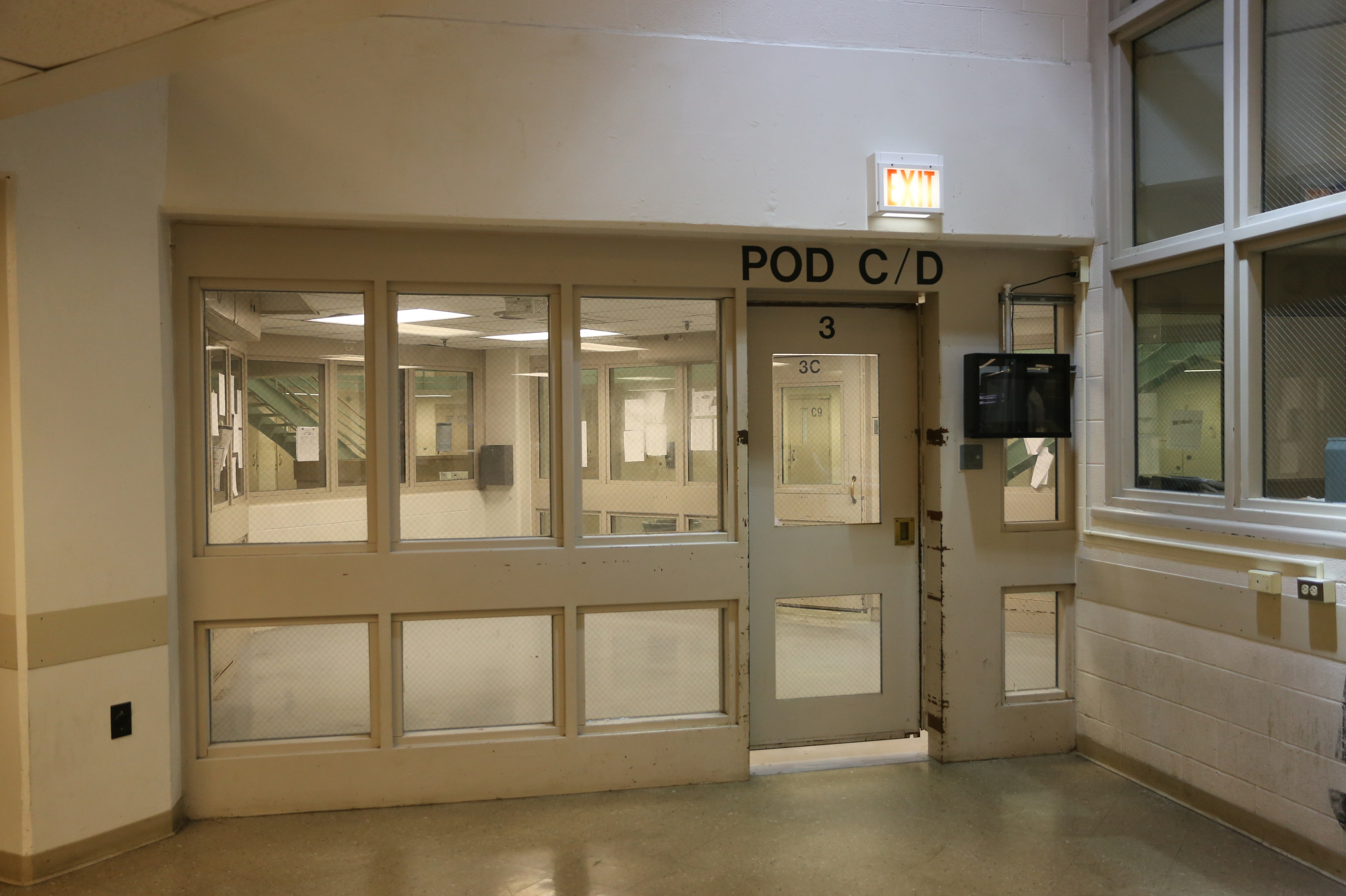
Understanding the Cleveland County Lockup: Procedures, Inmate Information, and Legal Resources
Navigating the system of a county lockup requires understanding local procedures, inmate search mechanisms, and jail regulations. Cleveland County maintains specific intake protocols, visitation rules, and bond guidelines managed by lo...
Navigating the system of a county lockup requires understanding local procedures, inmate search mechanisms, and jail regulations. Cleveland County maintains specific intake protocols, visitation rules, and bond guidelines managed by local law enforcement agencies to ensure public safety and due process for individuals in custody.
Contents
Overview of Cleveland County Detention Facilities
Law enforcement operations and correctional facilities within Cleveland County are primarily structured to manage individuals who have been recently arrested, those awaiting trial, and inmates serving short-term misdemeanor sentences. Knowing which facility holds an individual is the first and most critical step for family members, legal counsel, and bondsmen.
The primary detention center operates under the jurisdiction of the county sheriff's department. It serves as the central booking hub for municipal police departments and county deputies alike.
Facility Operations and Security County lockup facilities maintain strict security protocols 24 hours a day, 365 days a year. Intake procedures involve mandatory fingerprinting, background checks, medical screenings, and property inventory to catalog personal belongings securely until release or transfer.
Jurisdictional Differences: City Jails vs. County Lockups
- Municipal Police Hold / City Jails: Typically hold individuals for minor municipal ordinance violations or very brief holding periods before transfer to the county facility.
- Cleveland County Detention Center: Handles major felony and misdemeanor bookings, long-term pretrial detention, and coordinated court appearances.
How to Perform a Cleveland County Inmate Search
Locating someone detained in the county lockup involves utilizing official public records and authorized digital lookup tools. When performing an inmate search, having accurate information—such as the legal full name and date of birth—reduces errors caused by common names.
Steps to Locate an Inmate
- Gather Identifiers: Obtain the correct spelling of the individual's full legal name, date of birth, and, if available, their booking or jacket number.
- Access Official Channels: Utilize the official Cleveland County Sheriff's Office online inmate roster or call the booking division directly.
- Review Booking Details: Examine charges, bond amounts, court dates, and housing assignments associated with the record.
- Confirm Status Changes: Inmates undergoing initial intake, medical isolation, or court transport may temporarily show restricted status updates until processing concludes.
| Search Method | Accuracy Level | Response Time | Best Used For |
|---|---|---|---|
| Official Sheriff Website | High | Instant (24/7) | Initial lookup and checking bond amounts |
| Phone Inquiry | High | Varies by call volume | Clarifying complex status questions or holds |
| In-Person Lobby Check | Absolute | Immediate during business hours | Final confirmation before visitation or bond posting |
Bond, Bail, and Release Procedures
Once an individual is booked into the Cleveland County lockup, determining their release eligibility is the primary concern for families. Bond schedules dictate the financial conditions required for pretrial release, though certain charges may require a formal bond hearing before a judge.
Types of Bonds Recognized
- Cash Bond: The full bail amount must be paid in cash to the court clerk to secure release. This money is typically refundable minus court fees upon case completion.
- Surety Bond (Bail Bondsman): A licensed bail bondsman pays the court on behalf of the defendant, charging a non-refundable percentage fee (typically 10%) and often requiring collateral.
- Personal Recognizance (ROR): Release based on the defendant's promise to appear in court without requiring financial payment, usually granted for low-level, non-violent offenses.
- Hold Without Bond: Applied in cases involving probation violations, warrants from other jurisdictions, or severe violent felonies where a judge has denied pretrial release.
Visitation, Communication, and Commissary Guidelines
Maintaining contact with an individual inside the Cleveland County lockup is subject to strict facility regulations. Rules are designed to protect staff and inmates alike while allowing orderly communication.
Inmate Communication Options
- Telephone Services: Inmates cannot receive incoming calls, but approved telephone service providers allow outgoing collect calls or prepaid debit accounts funded by family members.
- Video Visitation: Many modern county facilities utilize video kiosks or remote web platforms to facilitate visits, reducing physical contraband risks.
- Mail Correspondence: Letters must be sent via standard postal mail, clearly listing the inmate's full name and booking identification number. Contradictory items, such as polaroids, cash, or unapproved publications, are strictly prohibited and discarded.
Legal Rights and Resources for Families
Navigating the criminal justice system can be overwhelming. Understanding the legal protections afforded to defendants ensures that constitutional rights are preserved throughout the judicial process.
- Right to Counsel: Every defendant has the right to an attorney. If they cannot afford private legal representation, a public defender can be appointed during the initial court appearance.
- Arraignment Timelines: Individuals must be brought before a magistrate or judge within a specified statutory timeframe following arrest to hear charges and have conditions of release set.
- Access to Medical Care: County lockup facilities are legally obligated to provide necessary medical and mental health screening during intake and ongoing treatment for urgent health conditions.
Frequently Asked Questions
How can I find out if someone is currently in the Cleveland County lockup?
You can search the official online roster provided by the Cleveland County Sheriff's Office or contact the jail booking desk directly by phone with the individual's full name and date of birth. Online rosters update continuously as new bookings and releases occur.
What payment methods are accepted for posting bond?
Accepted payment methods vary depending on whether you are paying through the court clerk or utilizing a licensed bail bondsman. Cash, certified cashier's checks, and major credit cards are frequently accepted at court payment windows, while bondsmen handle private financial arrangements.
Are in-person visits allowed at the Cleveland County lockup?
In-person visitation policies change periodically depending on facility security levels, staffing, and health guidelines. Many facilities transition to video-only visitation or require scheduling appointments days in advance through third-party vendors.
What items can I drop off for an inmate at the facility?
Most county lockup facilities do not accept clothing, food, or personal items dropped off at the lobby, with rare exceptions for prescribed life-saving medications approved by medical staff. Inmates may purchase approved hygiene items and snacks through commissary accounts.
How long does the booking process take after an arrest?
The intake and booking process typically takes anywhere from 4 to 12 hours depending on facility volume, medical clearance requirements, fingerprint verification, and whether multiple law enforcement agencies are processing arrestees simultaneously.
What should I do if an inmate has a medical emergency inside the lockup?
Notify the jail administration or medical staff immediately if you have specific medical information regarding an inmate. Correctional facilities have on-site nursing staff and protocols to transport individuals to regional medical centers for emergency care when necessary.
Conclusion and Next Steps
Securing information or managing the release of someone inside the Cleveland County lockup requires patience and strict adherence to facility rules. Start by verifying their location and current status through official sheriff databases, consult with a qualified legal professional or licensed bail bondsman if posting bond, and respect all communication and visitation guidelines to maintain contact throughout the legal process.
Image Gallery