Best Recruiting Apps for Athletes: Navigating Digital Platforms for College Exposure
The best recruiting apps for athletes serve as centralized digital hubs that streamline communication between student-athletes and college coaches, facilitate the management of athletic highlights, and provide data-driven insights into...
The best recruiting apps for athletes serve as centralized digital hubs that streamline communication between student-athletes and college coaches, facilitate the management of athletic highlights, and provide data-driven insights into the collegiate recruitment landscape. By digitizing the scouting process, these platforms allow athletes to curate professional profiles, track interest from university programs, and ensure compliance with institutional and association guidelines.
Contents
Understanding the Athletic Recruitment Ecosystem
In 2026, the recruitment process for collegiate athletics is predominantly digital. Coaches at NCAA, NAIA, and NJCAA levels use centralized databases to filter prospects based on physical metrics, academic standing, and video performance. For an athlete, relying on a dedicated recruiting app is no longer just an advantage; it is often a prerequisite for visibility in a competitive landscape where thousands of prospects vie for limited roster spots.
These apps function as a bridge. An athlete uploads their verified statistics, game film, and transcripts, while coaches access these profiles to assess fit. The primary value of these platforms lies in the removal of geographic barriers, allowing a coach in one state to evaluate a high school athlete in another without immediate, costly travel.
Essential Features to Evaluate in Recruitment Apps
When selecting a recruiting platform, athletes and parents should look for specific technical and functional capabilities. Not all apps are created equal, and their utility often depends on the specific sport and the level of competition the athlete is targeting.
- Verified Data Integration: The most reputable apps integrate with official statistics providers. A profile showing verified times or game statistics holds significantly more weight with a coach than self-reported data.
- Video Management Tools: High-quality video is the currency of the recruitment process. Apps that allow for the hosting, editing, and sharing of highlight reels directly to coach-facing portals are essential.
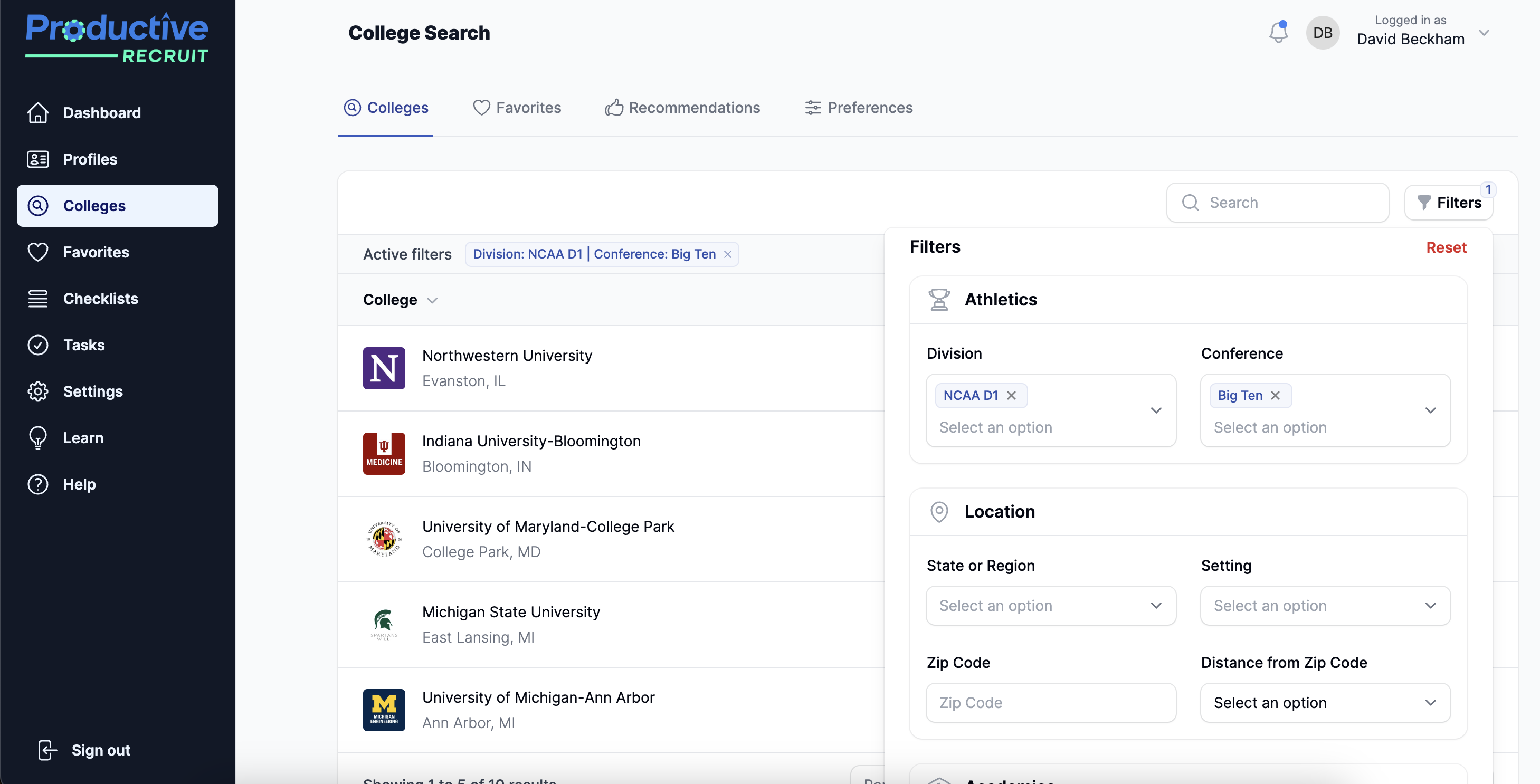
- Coaching Database and Direct Messaging: Platforms should provide access to an updated directory of collegiate coaches. Furthermore, integrated communication tools often include tracking features that notify the athlete when a coach has opened an email or viewed a video.
- Compliance and Eligibility Tracking: With the complexities of NCAA Clearinghouse requirements, apps that provide checklists or reminders for academic eligibility, standardized testing deadlines, and recruitment periods are vital for staying on track.
Comparison of Primary Recruitment Platforms
While the market includes numerous niche tools, the following platforms have established significant industry footprints. Understanding their primary use cases helps in determining which service aligns with an athlete’s specific needs.
| Platform | Primary Focus | Best For | Technical Advantage |
|---|---|---|---|
| Hudl | Video Analysis | Team-based film sharing | Professional-grade breakdown tools |
| NCSA | Exposure & Guidance | End-to-end recruitment support | Massive coaching network reach |
| FieldLevel | Network-based | Direct team/coach connection | Social networking for recruitment |
| BeRecruited | Direct Exposure | Self-managed profiles | User-friendly coach search interface |
Integrating Video Evidence into Profiles
Video evidence is arguably the most critical component of a digital recruiting profile. Coaches often spend less than two minutes reviewing a prospect’s initial highlight reel. Therefore, the technical quality and content structure of these videos are paramount.
Apps like Hudl have transformed this space by allowing for "telestration"—the ability to draw on the screen to highlight the athlete's movement during a play. When using a recruiting app, ensure that your video is not merely a collection of clips but a curated narrative. The first 30 seconds should capture the athlete's most impressive skills. Following the opening, include game footage that demonstrates technical proficiency, tactical awareness, and sportsmanship. Avoid excessive visual effects or distracting music, as these diminish the professional perception of the profile.
Managing Privacy and Communication
A critical technical consideration in the digital recruitment age is the security of personal data. Athletes must provide information such as transcripts, contact details, and physical measurements. It is imperative to use established, reputable platforms that have clear privacy policies regarding how personal information is shared with third-party recruiters.
Communication via these apps should always remain professional. Many platforms provide pre-written templates for emails to coaches. While these templates are useful starting points, personalizing communication is key. Coaches are inundated with automated emails; a message that references a specific aspect of their team's recent performance or a particular reason why the athlete is interested in their program will stand out significantly more than a generic inquiry.
Common Pitfalls and Troubleshooting
One of the most frequent mistakes is the "set it and forget it" mentality. Creating a profile is only the first step. Recruitment apps require active management, including:
- Stale Profiles: Coaches often ignore profiles that have not been updated with recent stats or video footage within the last three to six months. Treat the app like a living resume.
- Ignoring Academic Deadlines: Many athletes prioritize athletic metrics over academic ones. Use the scheduling features within recruiting apps to set alerts for NCAA eligibility center registrations and SAT/ACT testing dates.
- Over-communication: While persistence is key, sending multiple messages per day can be perceived as unprofessional. Utilize the read-receipt features found in many premium versions of these apps to determine if your previous correspondence has been acknowledged before sending a follow-up.
If you encounter technical issues, such as video upload failures or errors in statistical syncing, reach out to the platform’s support team before attempting to manually input complex data. Many platforms have automated verification processes; manual overrides can sometimes trigger flags that delay your profile from being searchable by coaches.
Navigating Institutional Rules and Compliance
Recruitment is governed by strict regulatory frameworks. Depending on the sport and division, there are specific "dead periods" or "quiet periods" during which coaches cannot interact with recruits. The best recruiting apps are programmed with these calendars in mind.
If you are a student-athlete, you must ensure that your profile is compliant with the regulations of the governing body associated with your target institutions. In 2026, software providers increasingly incorporate automated updates for these regulations. However, always double-check against official sites like the NCAA Eligibility Center to ensure that the settings in your recruiting app match the current regulatory status of your sport.
Choosing the Right Path Forward
Selecting the right app depends heavily on the athlete's sport, age, and individual goals. For a high school freshman, a platform with strong educational resources and planning features might be the best starting point. For a junior or senior closer to the final decision, a platform with a direct, verified coaching database is more beneficial.
To begin, audit your current digital footprint. Determine which platforms your specific sport's coaches utilize most frequently. Speak with high school or club coaches about which systems they use to share film and verify statistics. Once you have identified the primary platform for your sport, commit to maintaining that profile with updated, high-definition footage and accurate academic records. The goal is to make the coach’s job as easy as possible: provide the data they need in the format they use most often.
Frequently Asked Questions
Are paid tiers on recruitment apps worth the investment? The value depends on the level of guidance required. Free tiers offer basic exposure, but paid tiers often unlock premium features like unlimited video hosting, priority placement in coach search results, and access to sophisticated college matching tools. If you are aiming for a specific scholarship level, the added visibility provided by premium features is often justifiable.
Does a profile on a recruiting app replace the need for direct email? No. While these apps facilitate the connection, personal email remains a standard communication tool. Use the app as your professional portfolio, but consider it a supplement to—not a replacement for—direct, professional correspondence with coaching staffs.
How can I verify if a coach has actually seen my profile? Many platforms include "view tracking" or "activity logs." If your platform provides this, check it periodically. If you notice a particular school has viewed your profile multiple times without reaching out, it may be an appropriate time for you to initiate contact through the platform's messaging system.
What happens to my data after I am recruited? Most platforms allow you to set your profile to "archived" or "committed" status once you have signed with a university. It is recommended to maintain your academic and athletic data as a personal record of your high school achievements, as this may be useful for future internship or professional applications.
Should I use multiple recruiting apps at once? Using two platforms is manageable, but spreading your efforts across too many sites leads to fragmented data. Focus on one or two high-quality platforms that are well-regarded in your specific sport to ensure that your information remains consistent and updated.
Is there an age at which I should start using these apps? While you can create profiles earlier, the most critical period for utilizing these apps is typically the start of your freshman or sophomore year of high school. Starting during these years allows you to build a comprehensive history of academic and athletic development that coaches find highly attractive during the final evaluation phases.
Recommendation for Immediate Action
For the most effective recruitment experience, start by documenting your current statistics and selecting your three best game clips. Register for a single, reputable platform that aligns with your sport's primary recruitment network. Spend the first weekend fully populating your profile with accurate data, ensuring that your video file sizes and resolutions meet the platform's requirements. By establishing a professional, high-quality digital presence now, you position yourself to be easily discoverable by collegiate programs, moving beyond passive searching to proactive opportunity management.
Image Gallery