Understanding Prudential Life Insurance Access Riders and Policy Enhancements
Prudential life insurance access riders provide policyholders with optional provisions that allow them to tap into their policy's cash value or death benefit early under specific circumstances, such as chronic, critical, or terminal il...
Prudential life insurance access riders provide policyholders with optional provisions that allow them to tap into their policy's cash value or death benefit early under specific circumstances, such as chronic, critical, or terminal illness, while maintaining baseline protection.
Contents
Navigating the landscape of permanent and term life insurance requires a firm grasp of how policy enhancements—commonly referred to as riders—can shape your financial security. When examining major carriers, Prudential Financial structures various optional provisions designed to customize coverage according to individual life trajectories. Among these options, access riders stand out because they bridge the gap between long-term legacy planning and short-term liquidity needs.
Understanding how these mechanisms work involves evaluating their operational rules, qualification criteria, associated costs, and potential trade-offs. Whether you are building a new financial plan or reviewing an existing portfolio, evaluating these contractual add-ons requires careful attention to detail.
The Core Concept of Life Insurance Riders
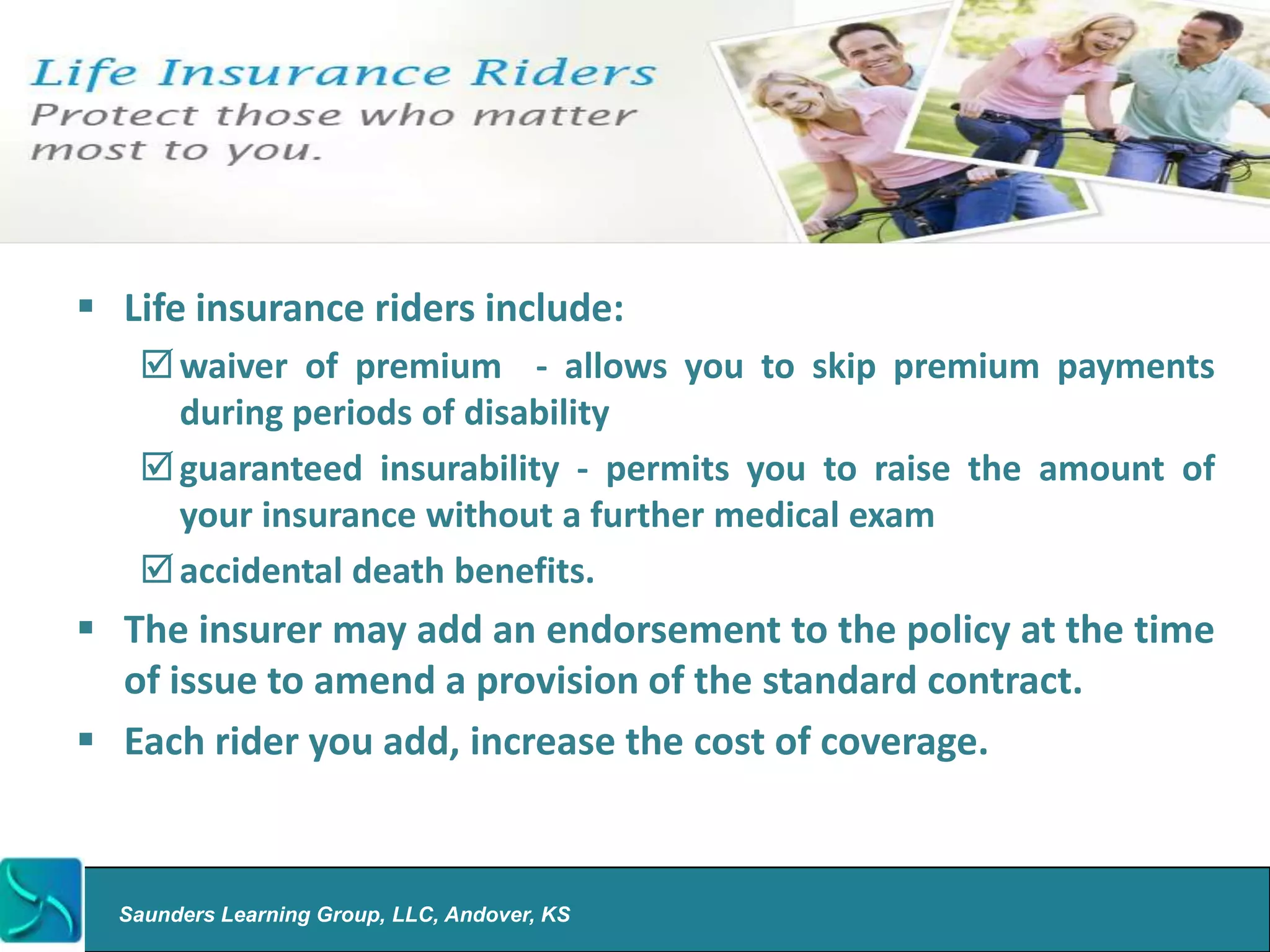
At its foundational level, a life insurance rider is an optional contractual provision that modifies the terms, coverage, or benefits of a base insurance policy. While a standard policy focuses strictly on paying a death benefit to designated beneficiaries upon the insured's passing, riders introduce flexibility. They can expand coverage, lock in insurability for future purchases, or accelerate a portion of the death benefit while the insured is still alive.
Access riders, specifically, focus on unlocking the financial value stored within a policy before death occurs. This functional capability transforms a life insurance contract from a purely reactive instrument—designed solely for post-mortem protection—into an active financial resource. Policyholders can utilize these provisions to manage unforeseen health crises, liquidity demands, or lifestyle adjustments without entirely surrendering their underlying coverage.
Types of Access Riders Offered Through Prudential Policies
Prudential integrates several distinct acceleration and access provisions across its portfolio of term, universal, and variable life insurance offerings. Each variant addresses a unique scenario, categorized primarily by medical need or financial liquidity.
Accelerated Death Benefit Riders (ADBR)
Accelerated Death Benefit Riders are among the most common access provisions available. They allow a policyholder diagnosed with a qualifying terminal illness to receive a significant percentage of the policy’s death benefit early.
- Triggering Event: A medical professional must diagnose the insured with a terminal condition, typically defined as a life expectancy of 12 to 24 months or less depending on state regulations and contract terms.
- Payout Structure: The funds are generally paid out as a lump sum or in installments. This money can be used for any purpose, including experimental medical treatments, settling outstanding debts, or covering everyday living expenses.
Chronic and Critical Illness Riders
Beyond terminal diagnoses, modern insurance structures accommodate non-terminal yet severe health events through chronic and critical illness riders.
- Critical Illness: This provision triggers a partial acceleration of the death benefit if the insured suffers a specific qualifying event, such as a heart attack, stroke, invasive cancer, or major organ transplant.
- Chronic Illness: This rider applies when the insured becomes chronically ill, defined as being unable to perform a certain number of Activities of Daily Living (ADLs) without substantial assistance—such as bathing, dressing, eating, and transferring—or requiring substantial supervision due to severe cognitive impairment.
Living Needs Benefit
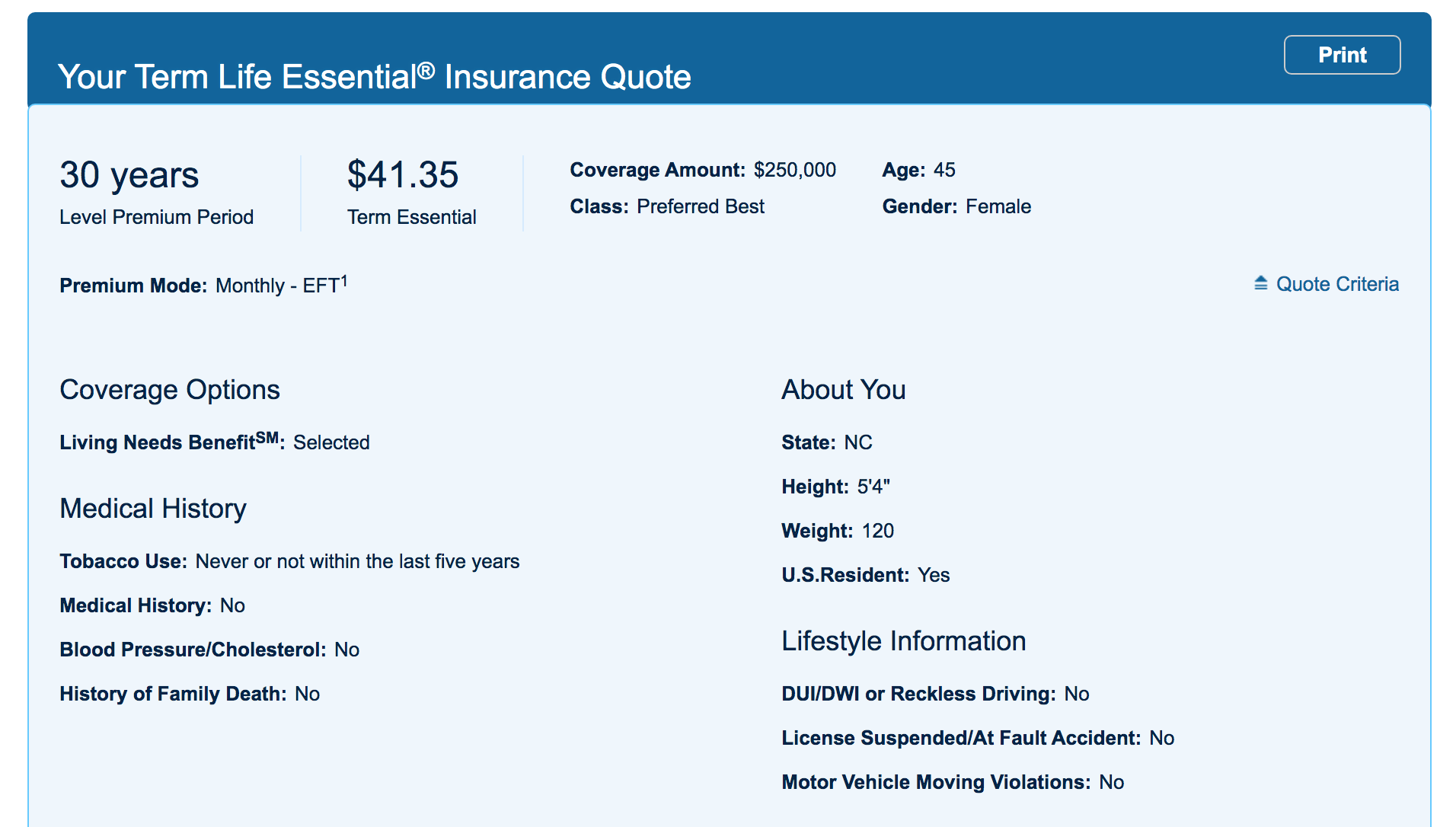
Prudential historically incorporates versions of living benefits into many of its baseline contracts or as optional riders. The Living Needs Benefit permits the acceleration of a portion of the death benefit under qualifying medical duress. Unlike traditional long-term care insurance, these riders often operate on an indemnity or expense-incurred basis, meaning the carrier evaluates eligibility based strictly on medical definitions outlined in the contract rather than receipts for specific services.
| Rider Type | Primary Triggering Event | Access Limit | Impact on Base Policy |
|---|---|---|---|
| Terminal Illness (ADBR) | Life expectancy of 12–24 months or less | Up to a specified percentage (e.g., 50% to 90%) of the death benefit | Reduces death benefit and cash value proportionately |
| Critical Illness | Qualifying medical event (e.g., stroke, heart attack, invasive cancer) | Specified percentage of face amount based on severity tier | Reduces death benefit by the amount accelerated |
| Chronic Illness | Inability to perform ADLs or severe cognitive impairment | Periodic or lump-sum advances up to statutory and contractual maximums | Reduces death benefit and associated policy values |
| Overloan Protection Rider | Excessive policy loans threatening policy lapse | Freezes loan balance and locks policy in force | Alters cash surrender value dynamics to prevent taxable lapse |
Eligibility Requirements and Underwriting Criteria
Adding or utilizing an access rider is not automatic; it requires strict adherence to underwriting standards and contractual guidelines.
Initial Underwriting vs. Exercise Eligibility
When purchasing a policy, selecting riders often requires passing the carrier's medical and lifestyle underwriting. While some riders can be added at the time of application, others are built directly into the policy contract automatically at no upfront premium cost, with fees assessed only at the time of exercise.
When the time comes to actually use an access rider—such as filing a claim for a chronic illness—the policyholder must submit formal proof of eligibility. This process typically demands:
- Attending physician statements (APS) documenting the exact medical diagnosis.
- Clinical assessments verifying the loss of specific ADLs or cognitive function.
- Verification that the policy is active, in good standing, and not subject to exclusionary riders that might bar the claim.
Jurisdictional Variations
Insurance regulations are governed at the state level. Consequently, the availability, exact terminology, pricing, and maximum acceleration limits of Prudential access riders can vary depending on the state where the policy is issued. Certain states impose strict caps on the percentage of the death benefit that can be accelerated or mandate specific waiting periods before a claim can be validated.
Financial Implications and Trade-Offs
Utilizing an access rider introduces profound financial consequences that policyholders and their beneficiaries must weigh carefully. While immediate liquidity offers vital relief during a crisis, it permanently alters the structure of the insurance contract.
Reduction of the Death Benefit
The most direct impact of accelerating a death benefit is the reduction of the amount paid to beneficiaries upon the insured's passing. If a policyholder accelerates $100,000 from a $500,000 policy, the remaining death benefit drops to $400,000 (minus any applicable administrative fees, actuarial discounts, or loan repayments). This reduction directly impacts the legacy or income replacement goals the policy was originally designed to achieve.
Impact on Cash Value
For permanent life insurance policies (such as Universal Life or Variable Life), exercising an access rider or maintaining certain riders can affect the policy's cash value growth.
- Administrative and Actuarial Adjustments: Insurance carriers discount accelerated lump sums to account for the time value of money, meaning the amount received today is worth less than the nominal face value reduction.
- Loan Interplay: If a policy has existing outstanding loans, activating an accelerated benefit may trigger complex interaction rules, potentially forcing a paydown of the loan balance to ensure the remaining policy remains solvent.
Tax Considerations
Under federal tax law (specifically Section 7702(B) and Section 101(g) of the Internal Revenue Code), qualified accelerated death benefits paid out due to terminal or chronic illness are generally received income-tax-free. However, tax laws surrounding insurance are intricate, and thresholds change based on the per diem limits established annually by the IRS. Policyholders should consult a qualified tax professional before executing a large acceleration to verify compliance with current federal and state tax codes.
Step-by-Step Process to Access and Utilize Prudential Riders
When a qualifying event occurs, navigating the claim process requires a systematic approach to ensure timely disbursement of funds.
Step 1: Review the Policy Contract
Locate the original policy schedule and rider endorsements. Identify the specific names of the riders attached to your contract, the maximum acceleration limits, and any elimination or waiting periods that apply before benefits can be drawn.
Step 2: Contact Prudential Customer Service or a Financial Professional
Reach out to Prudential directly through their official policyholder portal or via a licensed financial professional who understands the carrier's administrative procedures. Request the specific claim packets corresponding to the type of illness or access need.
Step 3: Complete Medical and Administrative Documentation
Submit the required claim forms alongside comprehensive medical records. For chronic or critical illness claims, ensure that attending physicians complete all certification paperwork accurately, detailing the exact clinical criteria met under the policy definitions.
Step 4: Undergo Carrier Review and Evaluation
Prudential’s claims department reviews the submitted documentation against the contractual definitions. This phase may involve independent medical evaluations or requests for clarification from treating physicians.
Step 5: Receive Payout and Monitor Policy Adjustments
Once approved, select the desired payout structure (lump sum or periodic payments where permissible). Review the revised policy statement provided by the carrier to understand the exact adjustments made to the remaining death benefit, premium obligations, and cash value.
Common Misconceptions Regarding Life Insurance Access Riders
Misunderstandings about how access riders function often lead to unrealistic expectations during financial or medical emergencies. Clarifying these points helps ensure proper planning.
- Misconception 1: Access riders function identically to traditional long-term care insurance. While both provide funds for medical or personal care, accelerated death benefit riders draw directly from a finite pool of life insurance death benefits. Once the accelerated funds are used, the death benefit is permanently reduced, whereas a standalone long-term care policy operates independently of life insurance benefits.
- Misconception 2: Using an access rider is entirely free of charge. Even if a rider does not carry an ongoing premium, carriers frequently assess administrative fees, actuarial discount charges, or processing fees at the time the benefit is accelerated.
- Misconception 3: Any medical diagnosis qualifies. Policies maintain rigorous definitions. For instance, a chronic illness claim typically requires inability to perform multiple ADLs expected to last for a prolonged duration (often 90 days or longer), rather than a temporary injury or short-term illness.
Alternatives to Life Insurance Access Riders
If a policyholder determines that Prudential's access riders do not completely align with their current goals, several alternative financial strategies exist:
- Policy Loans and Withdrawals: For permanent policies with accumulated cash value, policyholders can take a policy loan or withdraw basis amounts directly without needing to trigger a medical rider. However, unpaid loans accrue interest and can cause the policy to lapse if cash values fall too low.
- Life Settlements: Selling the life insurance policy to a third-party investor for a lump sum (a life settlement) is an option for older individuals or those with severe health conditions, though it entirely terminates the policy and its death benefit.
- Standalone Health and Disability Coverage: Utilizing specialized disability income insurance or standalone long-term care plans separates health-related risks from estate planning objectives.
Frequently Asked Questions
What triggers the payout of a Prudential accelerated death benefit rider?
Payouts are typically triggered by a qualifying medical event defined in the contract, such as a terminal illness diagnosis with a life expectancy of 12 to 24 months, or meeting specific criteria for chronic or critical illnesses.
Does adding an access rider increase my life insurance premium?
It depends on the specific rider. Some access riders are built into the policy at no additional cost, while others require an optional premium rider charge added to the base policy rate.
How does accelerating a death benefit affect my beneficiaries?
Accelerating a death benefit permanently reduces the total amount paid to your beneficiaries when you pass away, as the funds are advanced to you while you are alive.
Are payouts from life insurance access riders taxable?
Under current federal tax laws, qualified accelerated death benefits for terminal or chronic illnesses are generally income-tax-free, subject to IRS per diem limits and specific statutory guidelines.
Can I cancel an access rider after purchasing the policy?
Many optional riders can be removed upon written request to the carrier, which stops any ongoing rider-specific premium charges, though doing so permanently forfeits access to those specific provisions.
Conclusion and Next Actions
Prudential life insurance access riders offer versatile tools for integrating living benefits into traditional death-benefit-focused policies. By bridging the gap between estate protection and sudden medical or liquidity needs, these provisions provide valuable financial security. To determine the most effective path forward, review your current policy contract documents, evaluate your long-term health and financial objectives, and consult with a licensed insurance professional or financial advisor who can provide tailored guidance based on your specific situation.
Image Gallery