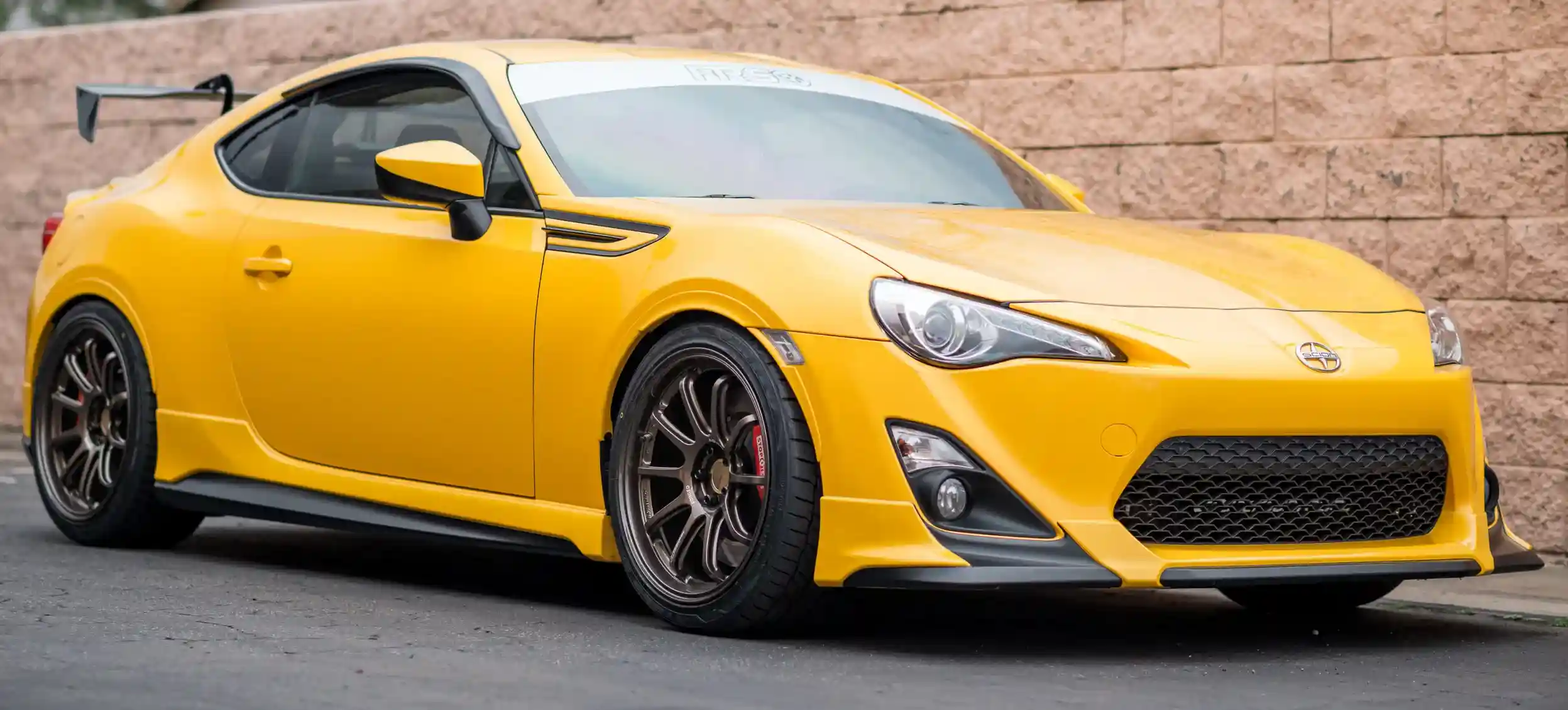
Scion FR-S Coupe: Comprehensive Technical Review, Specifications, and Ownership Guide for 2026
The Scion FR-S coupe is a rear-wheel-drive sports car jointly developed by Toyota and Subaru, featuring a 2.0-liter horizontally opposed boxer engine, a low center of gravity, and lightweight handling dynamics. Enthusiasts value this p...
The Scion FR-S coupe is a rear-wheel-drive sports car jointly developed by Toyota and Subaru, featuring a 2.0-liter horizontally opposed boxer engine, a low center of gravity, and lightweight handling dynamics. Enthusiasts value this platform for its balanced chassis, rear-wheel-drive layout, and extensive aftermarket support.
Contents
Evolution and Core Engineering of the FR-S Platform
The genesis of the Scion FR-S (Front-engine, Rear-wheel drive, Sport) lies in a collaborative engineering effort between Toyota and Subaru to revive a pure, driver-focused sports car experience without the excessive weight and high costs typically associated with modern performance vehicles. Released for the 2013 model year under Toyota's youth-oriented Scion brand—which was later integrated into Toyota following the brand's discontinuation in 2016—the FR-S shared its platform, mechanical architecture, and assembly line in Gunma, Japan, with the Subaru BRZ and later the Toyota 86.
At the heart of the vehicle's engineering is the Subaru-sourced FA20 engine, a 2.0-liter naturally aspirated flat-four (boxer) engine. By utilizing a horizontally opposed configuration, engineers achieved an exceptionally low center of gravity—even lower than that of the Porsche Cayman—which drastically reduces body roll during aggressive cornering. The vehicle utilizes Toyota's D-4S direct and port injection system, which optimizes air-fuel mixing across the RPM range to balance efficiency and throttle response.
| Technical Specification | Value / Detail |
|---|---|
| Engine Type | 2.0L Naturally Aspirated Flat-4 (Boxer FA20) |
| Horsepower | 200 hp at 7,000 RPM |
| Torque | 151 lb-ft at 6,400–6,600 RPM |
| Transmission | 6-speed manual / 6-speed automatic with paddle shifters |
| Curb Weight | ~2,758 lbs (Manual) / ~2,806 lbs (Automatic) |
| Layout | Front-engine, Rear-wheel drive (FR) |
| Front Suspension | MacPherson strut with lower L-arm |
| Rear Suspension | Double wishbone |
| Braking System | Ventilated discs front and rear |
Performance Dynamics and Handling Characteristics
Driving dynamics define the character of the FR-S coupe. Rather than relying on brute horsepower or forced induction, the vehicle emphasizes momentum driving, precise steering feedback, and chassis communication. The electric power steering (EPS) system is calibrated to provide immediate turn-in response, allowing drivers to place the car precisely on an autocross course or canyon road.
The suspension setup relies on a MacPherson strut front end and a multi-link rear setup tuned for responsiveness. Factory alignment specifications feature neutral camber out of the box, though enthusiasts frequently dial in additional negative front camber to combat understeer at the limit. The rear tires are intentionally sized at 215/45R17 on relatively narrow 7-inch wide wheels—the same tires used on the contemporary Toyota Prius during early model years—to encourage break-away traction at lower, safer speeds. This engineering choice makes the car inherently playful, allowing drivers to explore vehicle rotation and throttle steering without requiring track-level velocities.
Transmission choices significantly impact the driving experience. The 6-speed manual transmission features short, mechanical throws and a direct linkage feel, though it requires rev-matching on downshifts. The 6-speed automatic transmission includes aggressive lock-up torque converter technology and steering wheel-mounted paddle shifters, executing rapid downshifts in Sport mode, though purists consistently favor the manual variant for engagement and resale value.
Common Mechanical Issues and Maintenance Realities
While the FA20 engine is mechanically robust when properly maintained, high-mileage examples and tracked vehicles exhibit specific failure points that require proactive monitoring. Understanding these mechanical tendencies is essential for long-term reliability.
Valve Spring Recall (Campaign J02): Early 2013 and 2014 models were subject to a mandatory safety recall regarding valve springs that could fracture under high-load conditions. Prospective buyers and current owners must verify via the NHTSA database or a local Toyota/Subaru dealership whether this engine-out service was successfully completed. Improperly executed dealer repairs during this recall historically led to premature engine failure from excess RTV silicone sealant clogging the oil pickup tube.
Key maintenance items and known vulnerabilities include:
- Direct and Port Injection Carbon Buildup: Because the FA20 utilizes both direct and port injection, carbon accumulation on the intake valves is reduced compared to direct-injection-only powerplants, but high-idle city driving still necessitates periodic intake valve cleaning around every 60,000 to 80,000 miles.
- Throw-Out Bearing Wear: Manual transmission models are known for premature throw-out bearing failure, resulting in a chirping noise when the clutch pedal is depressed. Upgraded aftermarket heavy-duty bearings resolve this permanently.
- Oil Consumption and Leaks: The timing chain cover seal is prone to slow oil weeping over time due to thermal cycling. Monitoring oil levels between standard 5,000-mile synthetic oil change intervals is mandatory, as boxer engines consume oil naturally under aggressive sustained loads.
- Differential and Transmission Fluid Health: Manual gearboxes and Torsen limited-slip differentials (LSD) require high-grade gear oil changes every 30,000 miles to prevent notchiness in cold-weather shifting and premature gear wear.
Modifications and Aftermarket Ecosystem
The FR-S boasts one of the most comprehensive aftermarket support networks in the automotive enthusiast community. Because the vehicle shares architectural DNA with the Subaru BRZ and Toyota 86, suspension components, exhaust systems, and cosmetic enhancements are widely accessible.
Upgrades typically follow a staged progression based on owner goals:
- Handling and Wheels: Upgrading to wider 17x8 or 17x9 wheels wrapped in 225- or 245-section 200-treadwear endurance tires dramatically increases grip. Adding coilover suspension and adjustable control arms dials in ride height and camber.
- Exhaust and Header Tuning: The factory exhaust system features a distinct torque dip in the mid-range (around 3,500 to 4,500 RPM) caused by factory emissions compliance. Installing an aftermarket equal-length or unequal-length header combined with a tune via an ECU flash tool eliminates this dip and smooths the power delivery curve.
- Power Adders: For drivers seeking higher output, supercharger kits (such as centrifugal or roots-type systems) and turbocharger kits are popular. Because the factory compression ratio is high (12.5:1), forced induction requires careful tuning, low boost levels, or built internals to maintain engine reliability.
Buying Guide: Assessing a Used FR-S Coupe
Purchasing a pre-owned Scion FR-S requires careful evaluation, as a high percentage of these vehicles have been modified, tracked, or driven hard by enthusiastic owners.
Inspection Checklist
- Chassis and Frame Inspection: Inspect the front core support, frame rails, and suspension mounting points for evidence of prior structural repair or track off-road excursions.
- Modification History: Verify whether the engine tuning is stock or modified. Avoid vehicles with aggressive tunes from unknown sources unless accompanied by dyno sheets and professional installation records.
- Service Records: Confirm consistent oil changes every 5,000 miles using high-quality 0W-20 synthetic oil. Neglected oil changes lead to rapid camshaft and rocker arm wear in boxer engines.
- Interior Wear: Check the Alcantara and cloth bolsters on the heavily bolstered front sport seats, as the driver-side bolster is prone to premature fraying and foam breakdown.
Frequently Asked Questions
What is the difference between a Scion FR-S and a Subaru BRZ?
While both cars share the exact same chassis, engine, and interior architecture, they differ in front bumper styling, spring and damper tuning rates, and standard equipment packages. Subaru models often featured higher-trim interior touches like leather seats and dual-zone climate control earlier in production, whereas Scion focused on a single, well-equipped mono-spec trim.
Does the Scion FR-S have a Toyota or Subaru engine?
The engine is manufactured by Subaru. It is a 2.0-liter naturally aspirated flat-four boxer engine designated as the FA20, integrated with Toyota's D-4S direct and port fuel injection technology.
How can I fix the mid-range torque dip on an FR-S?
The factory torque dip is primarily caused by exhaust header geometry designed to pass strict emissions standards. Installing an aftermarket performance exhaust header paired with an ECU calibration tune effectively flattens out this dip and restores linear power progression.
Is the Scion FR-S a reliable daily driver?
Yes, the FR-S is mechanically reliable as a daily driver provided routine maintenance schedules are strictly followed. However, its low ride height, stiff suspension, limited rear passenger legroom, and rear-wheel-drive traction in snow require adjustments for year-round commuting.
What fuel octane does the FR-S engine require?
The high compression ratio of 12.5:1 mandates the use of premium unleaded gasoline with an octane rating of 91 or higher to prevent engine knock and ensure optimal performance and fuel efficiency.
Conclusion and Ownership Verdict
The Scion FR-S coupe stands out as an increasingly desirable modern classic for drivers prioritizing tactile feedback, mechanical purity, and chassis balance over straight-line acceleration figures. Whether kept in factory condition or built into a dedicated track machine, its analog driving dynamics provide an authentic sports car experience that is increasingly rare in the modern automotive landscape. Prospective owners should prioritize clean service histories, verify recall completion, and budget for proper maintenance to enjoy years of reliable, engaging motoring.
Image Gallery