Is Ice Cream Good for Stomach Ulcers? What Science Says About Dairy and Relief
While ice cream provides immediate, temporary relief by cooling the stomach lining, it is ultimately bad for stomach ulcers. Ice cream’s high fat, calcium, and protein content trigger the stomach to produce excess gastric acid shortly...
While ice cream provides immediate, temporary relief by cooling the stomach lining, it is ultimately bad for stomach ulcers. Ice cream’s high fat, calcium, and protein content trigger the stomach to produce excess gastric acid shortly after consumption. This "acid rebound" worsens mucosal irritation, prolonging pain and slowing down ulcer healing.
Contents
Understanding Stomach Ulcers and the Role of Diet
A stomach ulcer, medically known as a gastric ulcer, is an open sore that develops on the inner lining of the stomach. Gastric ulcers are a subgroup of peptic ulcer disease, which also includes duodenal ulcers occurring in the upper section of the small intestine.
The stomach relies on a thick layer of mucus to shield its tissue from digestive fluids. When this protective layer is eroded or weakened, digestive acid burns the underlying tissue, leading to burning abdominal pain, bloating, nausea, and indigestion.
Primary Causes of Stomach Ulcers
For many decades, dietary habits were incorrectly blamed as the primary root cause of ulcers. Modern gastroenterology has established that dietary factors do not cause peptic ulcers directly. Instead, the vast majority of cases stem from two major causes:
- Helicobacter pylori (H. pylori) Infection: This bacterial infection weakens the stomach's protective mucus layer, allowing stomach acid to reach the vulnerable tissue underneath.
- Long-Term Use of NSAIDs: Nonsteroidal anti-inflammatory drugs (such as ibuprofen, naproxen, and high-dose aspirin) inhibit the production of prostaglandins—compounds that maintain the protective mucosal lining of the stomach.
While diet does not cause stomach ulcers, what you eat directly impacts symptom severity and healing speed. Certain foods can soothe inflamed stomach tissue, while others stimulate excessive gastric acid production or slow down digestion, aggravating open sores.
The Myth of the Dairy Cure: Why Ice Cream Seems to Help
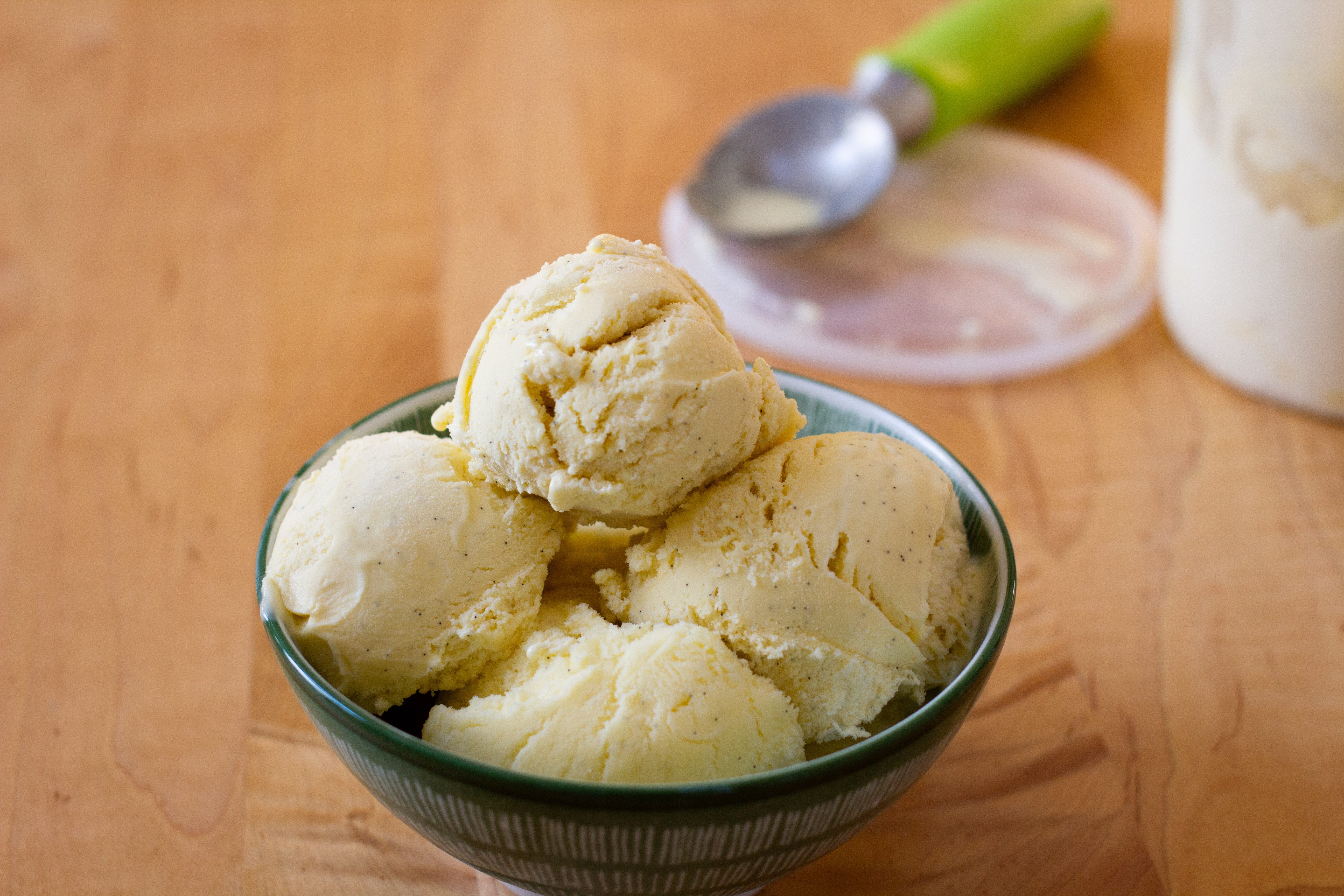
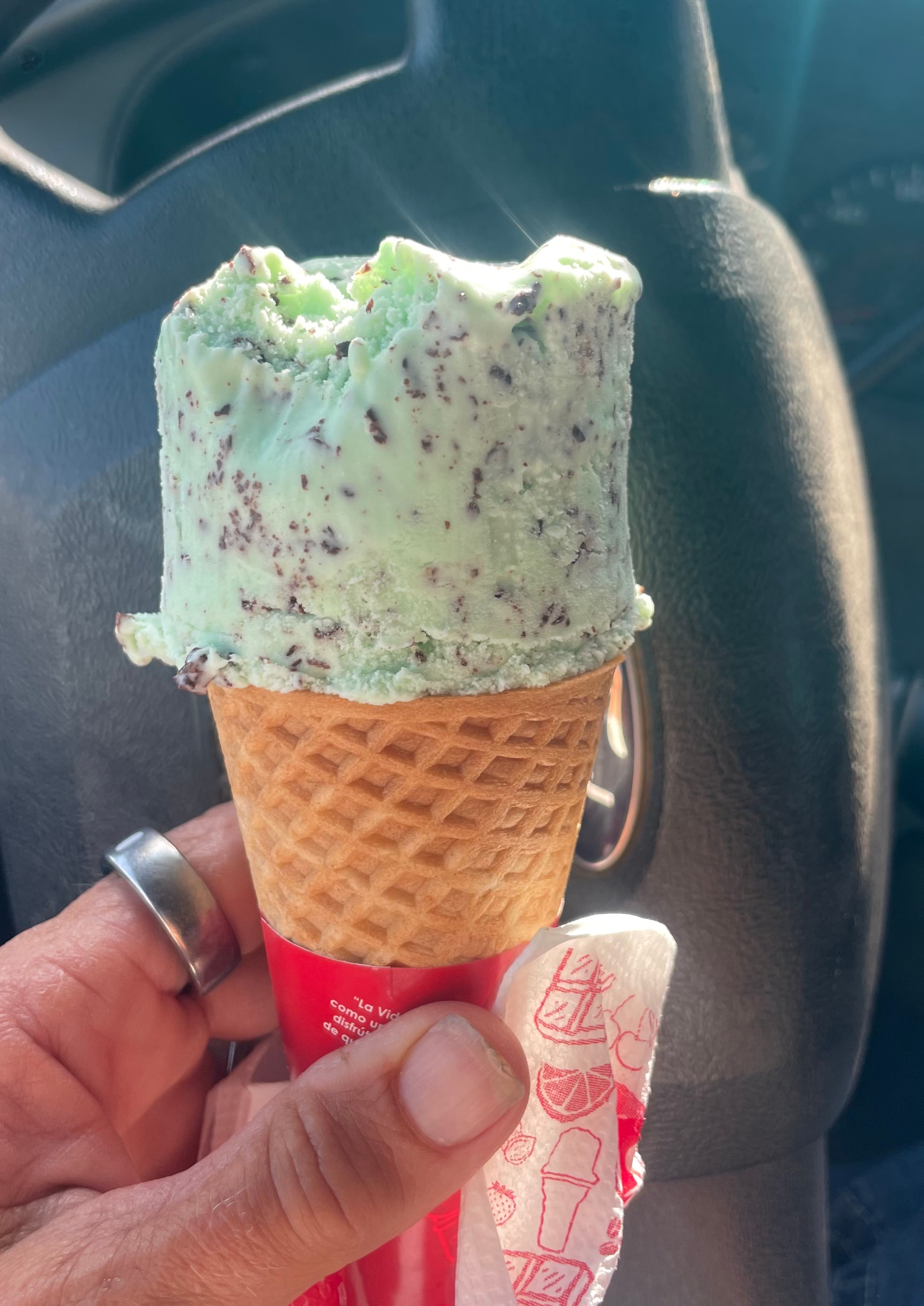
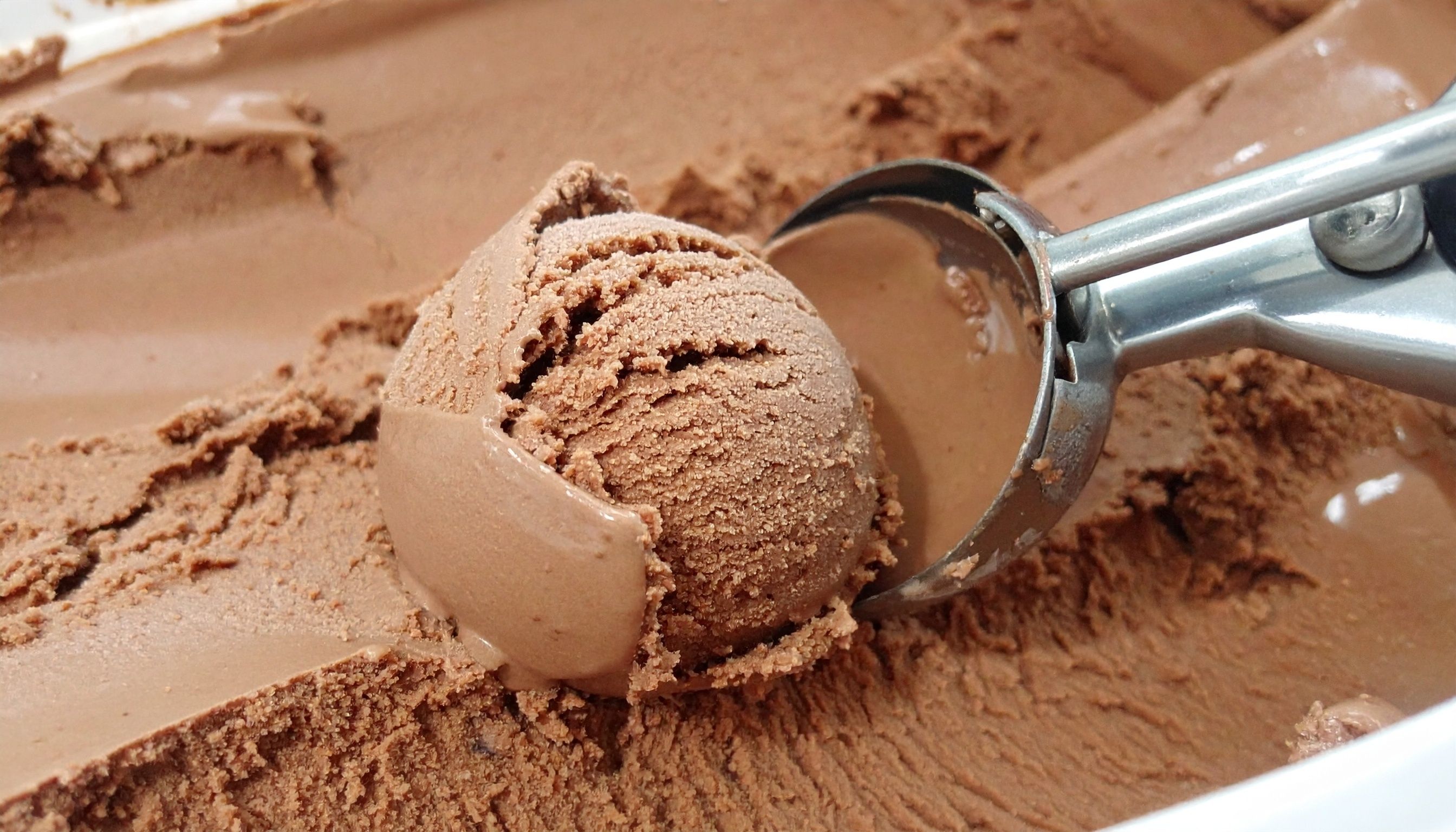
Many people believe that eating a bowl of ice cream or drinking a glass of cold milk cures ulcer pain. This belief is understandable because ice cream offers brief, immediate relief when swallowed.
The Temporary Relief Mechanism
When cold ice cream travels down the esophagus and enters the stomach, two things happen immediately:
- Thermal Cooling: The cold temperature provides a numbing effect on contact with the raw, inflamed gastric tissue, briefly dulling local pain signals.
- Physical Coating: The thick, creamy texture temporarily forms a physical coating over the stomach mucosa, creating a temporary buffer between gastric acid and the open sore.
The Historical Misconception
The idea that dairy treats ulcers has deep historical roots. In the early 20th century, physician Bertram Sippy introduced the "Sippy Diet," which treated peptic ulcers using frequent doses of milk and cream combined with antacids. For decades, this approach was standard medical advice.
However, medical researchers in the latter half of the 20th century discovered that while milk products offer short-term neutralization of acid, they ultimately trigger a compensatory surge in gastric acid output. Consequently, the Sippy Diet was abandoned by modern medical guidelines.
How Ice Cream Can Worsen Ulcer Symptoms
While ice cream feels soothing for the first 10 to 20 minutes, its digestion process creates several physiological physiological physiological physiological challenges that exacerbate ulcer symptoms.
THE ACID REBOUND CYCLE
- Ice cream is ingested: Temp coating & relief of stomach lining
- Calcium & protein trigger gastrin hormone release in stomach
- Parietal cells secrete surplus gastric acid (Acid Rebound Effect)
- High fat slows gastric emptying: Acid remains in stomach longer
- Result: Increased mucosal irritation and burning pain post-digestion
1. The Acid Rebound Effect
The primary reason ice cream is counterproductive for ulcer management is the acid rebound effect. Ice cream contains significant concentrations of dairy protein (casein and whey) and calcium.
When calcium and proteins enter the stomach, they act as potent triggers for the release of gastrin, a hormone that signals the stomach's parietal cells to secrete hydrochloric acid. As the stomach works to break down the proteins and fats in the ice cream, it produces a surplus of stomach acid—often higher than the volume present before eating. Once the initial coating washes away, this elevated acid concentration contacts the open ulcer, causing intense burning pain hours after consumption.
2. High Saturated Fat Content and Delayed Gastric Emptying
Full-fat ice cream is high in saturated fat. Fat digestion requires substantial time and resources, slowing the rate at which the stomach empties its contents into the small intestine (gastric emptying).
When food remains in the stomach for an extended period:
- Gastric acid is secreted continuously to digest the remaining fat.
- Intragastric pressure increases, increasing the risk of acid reflux into the esophagus.
- The raw ulcer surface is exposed to aggressive stomach acid and digestive enzymes for a longer duration.
3. Refined Sugars and Intestinal Fermentation
Commercial ice creams are laden with refined sugar, high-fructose corn syrup, and artificial additives. High sugar intake can cause osmotic shifts in the digestive tract, pulling excess water into the gut and provoking gas, bloating, and abdominal distension. This physical stretch puts additional tension on an already sensitive, ulcerated stomach wall.
Furthermore, excess refined sugar can alter the balance of the gut microbiome, potentially impairing the immune response and delaying tissue repair along the gastrointestinal tract.
4. Lactose Intolerance and Digestive Distress
A significant portion of the global adult population has varying degrees of hypolactasia (lactose intolerance), lacking sufficient lactase enzymes to digest milk sugars. If an individual with an ulcer also has lactose intolerance, consuming ice cream leads to bacterial fermentation of unabsorbed lactose in the intestines. This produces hydrogen gas, methane, and short-chain fatty acids, resulting in severe cramps, gas, and diarrhea, which exacerbate overall abdominal distress.
Breakdown of Ice Cream Ingredients on Ulcer Health
To understand why ice cream is problematic for gastric healing, consider how its primary components interact with gastrointestinal physiology:
| Component | Immediate Symptom Effect | Long-Term Impact on Ulcer Mucosa | Overall Recommendation |
|---|---|---|---|
| Saturated Fat | Viscous texture temporarily coats raw stomach tissue. | Delays gastric emptying; prolongs acid exposure to tissue. | Avoid high-fat dairy during flare-ups. |
| Dairy Calcium & Protein | Weakly buffers existing acid for 10–15 minutes. | Triggers gastrin release, causing severe acid rebound. | Restrict concentrated dairy intake. |
| Refined Sugars | Tastes pleasant; no immediate thermal impact. | Promotes gut inflammation; leads to gas and abdominal pressure. | Minimize processed sugars. |
| Cold Temperature | Provides brief numbing of localized abdominal pain. | May cause temporary stomach contractions or spasms in sensitive individuals. | Use caution with frozen foods. |
| Emulsifiers & Additives | Improves smooth mouthfeel. | Can disrupt the protective mucosal barrier in the gut lining. | Avoid synthetic additives when healing. |
Better Alternatives for Soothing Ulcer Pain
If you are looking for soothing foods that do not trigger acid rebound or delay digestion, several nutrient-dense, low-fat options can nourish the body while encouraging mucosal healing.
| SOOTHING ALTERNATIVE | BENEFIT TO GASTROINTESTINAL TRACT |
|---|---|
| Blended Frozen Bananas | Natural mucilage coats tissue; low-fat |
| Plain Fermented Kefir/Yogurt | Probiotics suppress H. pylori bacteria |
| Oatmeal with Plant Milk | Soluble fiber protects gastric mucosa |
| Cabbage & Carrot Juice | Rich in glutamine to support healing |
Blended Frozen Bananas ("Nice Cream")
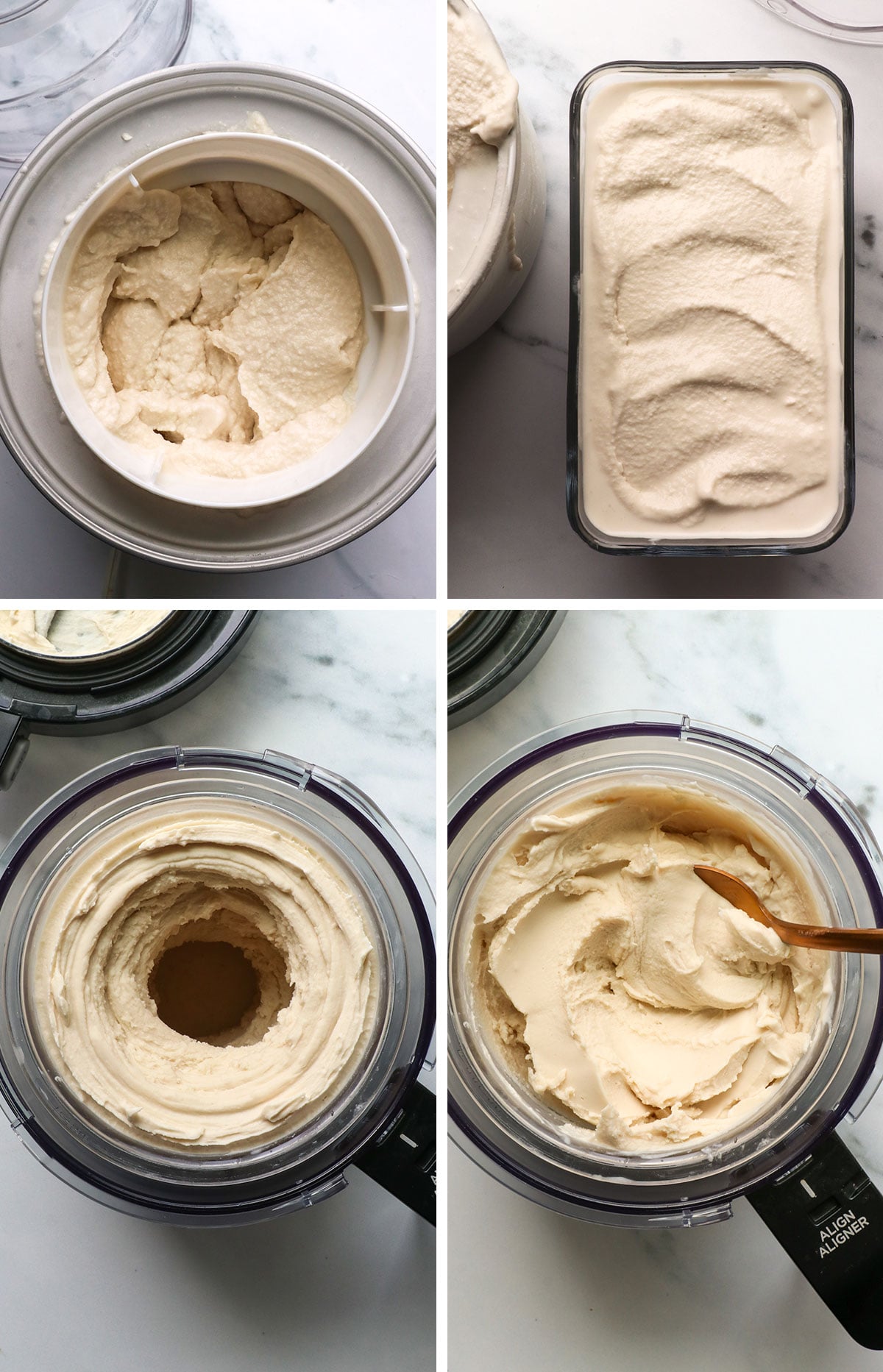
Ripe bananas frozen and blended into a soft-serve consistency offer a texture similar to traditional ice cream without high levels of saturated fat or refined sugar. Bananas contain leucocyanidin, a natural flavonoid that has been shown to help increase the thickness of the stomach's mucous layer. Additionally, bananas act as a gentle, non-acidic bulk food that is easy on digestion.
Fermented Dairy (Yogurt and Kefir) in Moderation
While heavy cream and full-fat milk irritate ulcers due to acid rebound, plain low-fat yogurt or kefir can be beneficial. Fermented dairy contains probiotics such as Lactobacillus and Bifidobacterium strains.
According to clinical research published by the National Center for Biotechnology Information (NCBI), probiotic cultures help inhibit H. pylori colonization, balance gut flora, and reduce the side effects associated with standard antibiotic therapy for ulcers. Opt for plain, unsweetened, low-fat versions to avoid excess fat and sugar.
Non-Dairy Milk Alternatives
Plant-based milk alternatives—such as oat milk, almond milk, or rice milk—are naturally free of lactose and contain far less saturated fat than heavy dairy cream.
- Oat milk contains soluble fibers (beta-glucan) that form a gentle, soothing coating in the digestive tract.
- Unsweetened almond milk is slightly alkaline, which can help neutralize small amounts of stomach acid without triggering a major gastrin response.
Soluble Fiber and Cooked Grains
Incorporating foods high in soluble fiber helps regulate digestive speed and protects the stomach lining. Excellent choices include:
- Warm oatmeal prepared with water or plant milk.
- Pureed sweet potatoes (rich in vitamin A, which supports epithelial tissue integrity).
- Steamed carrots or squash.
Evidence-Based Medical Management for Ulcers
While adjusting your diet helps control symptoms, diet alone rarely cures a stomach ulcer. Medical intervention is necessary to resolve the root cause and prevent serious complications such as internal bleeding or gastric perforation.
STANDARD ULCER TREATMENT PATHWAY
- Clinical Diagnosis: Endoscopy or H. pylori Breath/Stool Test
- Eradication Therapy: Dual/Triple Antibiotics (if H. pylori positive)
- Acid Suppression: PPIs (e.g., Omeprazole) or H2 Blockers
- Mucosal Protection: Sucralfate or Bismuth Subsalicylate
- Dietary Care: Low-fat, non-irritating, smaller meal sizing
Diagnostic Procedures
If you experience persistent stomach pain, a medical professional will typically perform one of the following diagnostic assessments:
- Endoscopy (EGD): A thin, flexible tube equipped with a camera is passed down the throat to inspect the stomach and duodenal lining directly.
- H. pylori Testing: Performed via a urea breath test, stool antigen test, or endoscopic biopsy.
Medical Therapies
Depending on the underlying cause identified during diagnosis, standard medical therapies include:
- Proton Pump Inhibitors (PPIs): Medications such as omeprazole, lansoprazole, or esomeprazole block acid production in parietal cells, creating an environment that allows the mucosal tissue to heal.
- H2-Receptor Blockers: Medications like famotidine reduce the amount of acid released into the digestive tract.
- Antibiotic Regimens: If H. pylori is present, doctors prescribe a combination of two or more antibiotics alongside an acid suppressor for 10 to 14 days.
- Cytoprotective Agents: Medications such as sucralfate or bismuth subsalicylate help coat and protect the ulcer site from acid damage.
Disclaimer: This information is for educational purposes and should not replace professional medical advice. Always consult a qualified healthcare provider, such as a board-certified gastroenterologist, for diagnosis and treatment plans tailored to your condition.
Practical Dietary Guidelines for Ulcer Management
To support recovery while managing ulcer pain, adopt these evidence-based dietary strategies:
- Eat Smaller, Frequent Meals: Consuming large meals distends the stomach and stimulates large releases of acid. Eating 5 to 6 small, balanced meals keeps food in the stomach to absorb acid without triggering excess gastric secretion.
- Avoid Known Gastric Irritants: Eliminate or strictly limit alcohol, caffeinated beverages (coffee, energy drinks, strong teas), highly acidic foods (citrus fruits, tomato products), carbonated beverages, and extremely spicy dishes.
- Do Not Eat Close to Bedtime: Stop eating at least 2 to 3 hours before lying down to prevent gastric juice from pooling against the stomach lining or flowing up into the esophagus.
- Discontinue Non-Essential NSAID Use: Consult your doctor about replacing NSAID pain relievers with safer alternatives like acetaminophen when managing minor pain.
- Stay Well-Hydrated: Drink plain water throughout the day to help dilute stomach acid and support healthy digestive motility.
Frequently Asked Questions
Can non-dairy ice cream help a stomach ulcer?
Non-dairy ice cream made from almond, oat, or coconut milk is easier to digest for lactose-intolerant individuals and avoids dairy-induced gastrin triggers. However, many commercial non-dairy options remain high in saturated fat (especially coconut-based products) and refined sugar. High fat and sugar can still delay gastric emptying and provoke digestive distress, so consume non-dairy alternatives in strict moderation.
Does warm milk work better than ice cream for peptic ulcers?
No. Warm milk presents the exact same physiological problems as cold ice cream. The calcium and casein protein in milk trigger acid rebound shortly after ingestion. While warm milk lacks the freezing temperature of ice cream, it still stimulates excess stomach acid production within 1 to 2 hours of drinking it.
What foods quickly neutralize stomach acid for ulcer pain?
Foods that gently buffer acid without causing rebound include plain oatmeal, ripe bananas, low-sodium vegetable broths, and unsweetened plant milks like almond milk. Over-the-counter antacids containing aluminum hydroxide or magnesium hydroxide neutralize existing stomach acid much more effectively than food without stimulating excess acid production.
Can the sugar in ice cream make a stomach ulcer worse?
Yes, high concentrations of refined sugar can worsen ulcer symptoms indirectly. Sugar can promote gastrointestinal inflammation, draw excess water into the bowel (causing cramps and bloating), and alter beneficial gut microbiota. Increased gas and bloating place mechanical pressure on the stomach wall, aggravating ulcer pain.
What should I do if eating ice cream causes intense stomach pain?
If eating ice cream causes severe, sharp, or burning pain, stop consuming dairy immediately. Sip small amounts of room-temperature water or plain almond milk, and take an over-the-counter antacid if appropriate. Seek urgent medical attention if your stomach pain is accompanied by vomiting blood, dark tarry stools, sudden severe abdominal tightness, or dizziness.
Summary Actions for Lasting Relief
If you suspect you have a stomach ulcer, relying on ice cream or dairy for comfort provides only brief relief while ultimately exacerbating your condition.
To manage your symptoms effectively and promote long-term healing:
- Replace high-fat ice cream with gentler alternatives like blended frozen bananas, low-fat plain kefir, or oat-milk desserts.
- Avoid dairy-driven acid rebound by keeping total meal sizes small and limiting saturated fat intake.
- Schedule a consultation with a healthcare professional to test for H. pylori or review your medication history.
- Follow a prescribed acid-suppression treatment plan (such as PPIs) alongside a balanced, non-irritating diet to heal the stomach lining safely.
EDITORIAL CATEGORY METADATA:
Image Gallery