PSG Art: A Vibrant Fusion of Football and Creativity in 2026
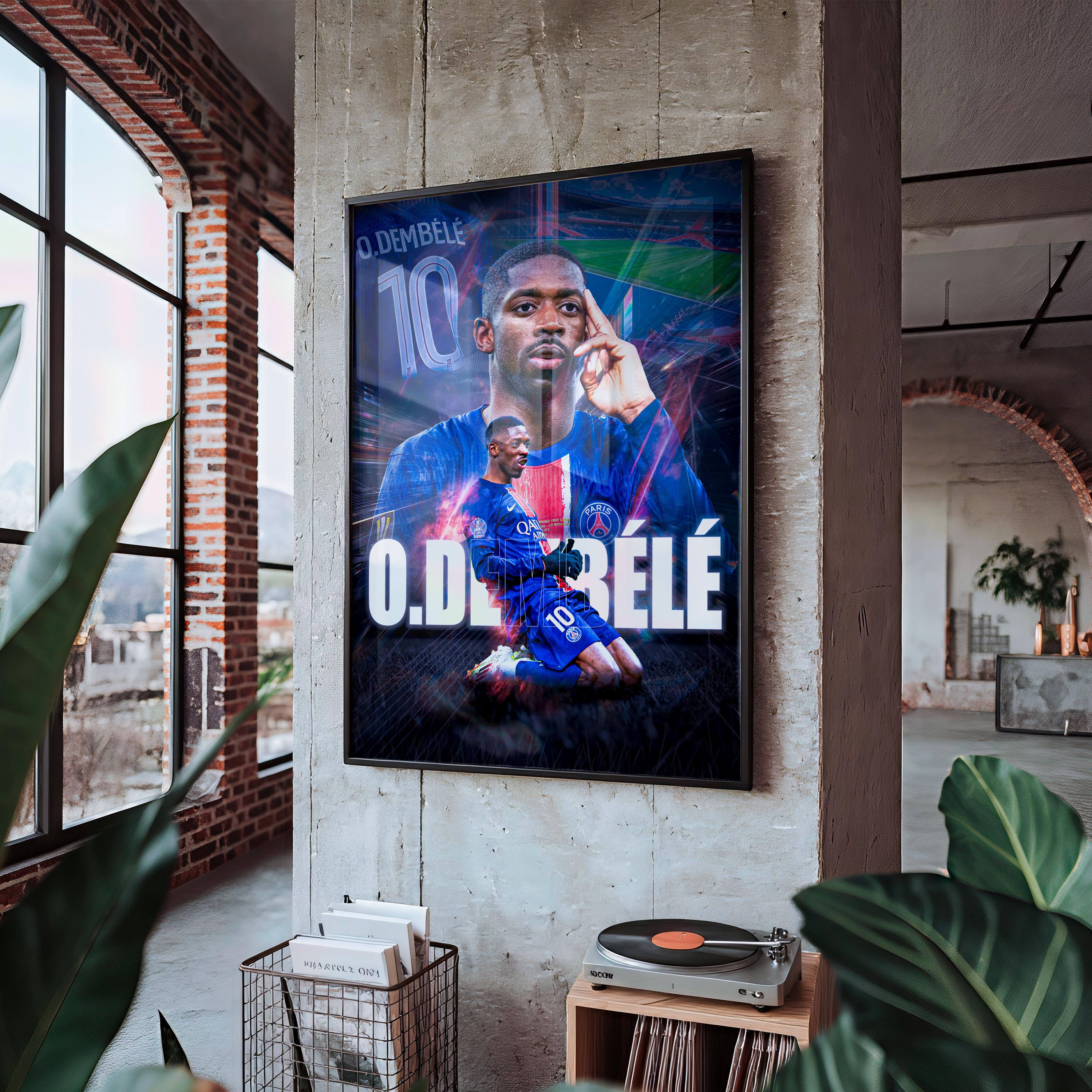
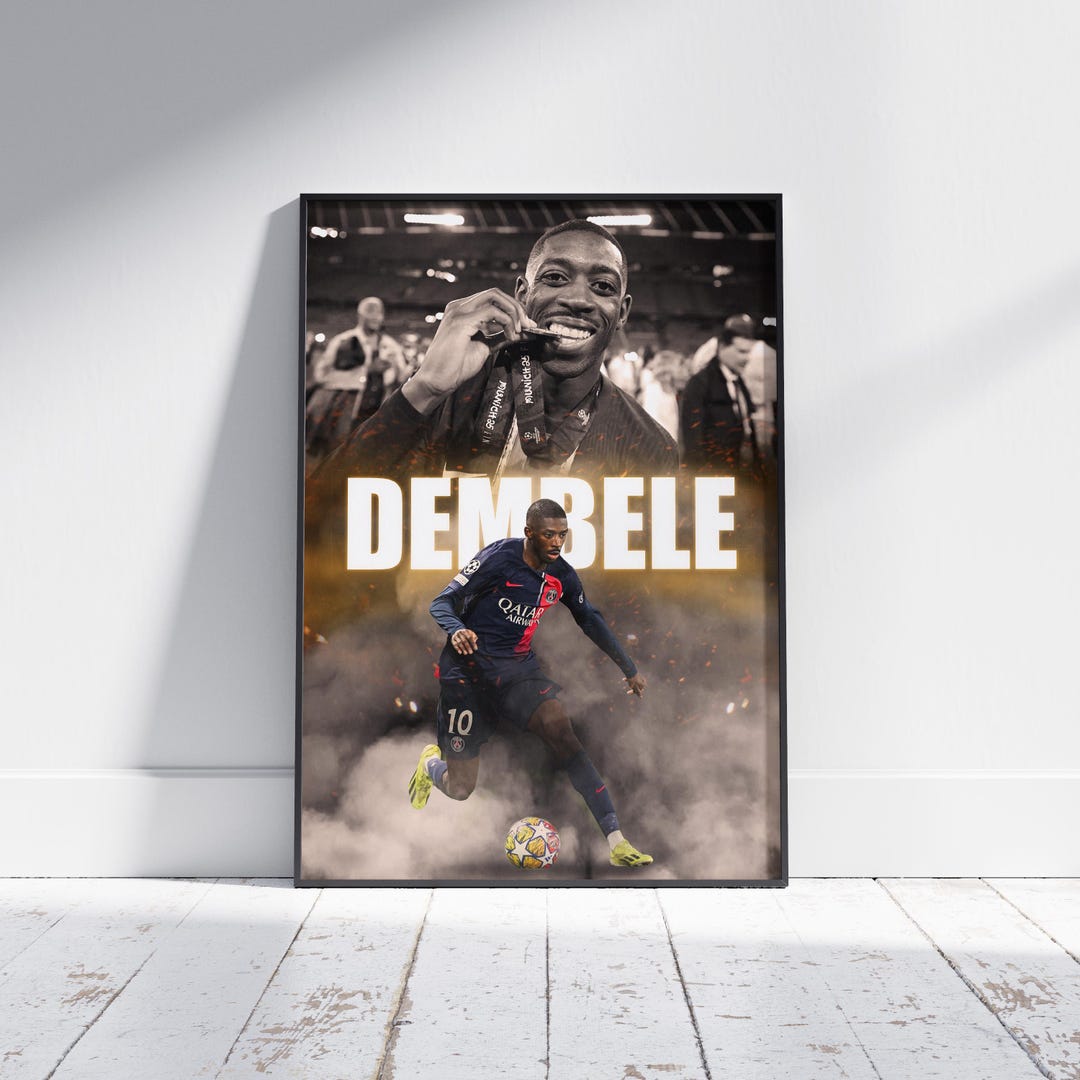
Paris Saint-Germain (PSG) has redefined the traditional boundaries of a sports organization by systematically integrating contemporary art, high fashion, and urban culture into its core identity. This "PSG Art" movement elevates the cl...
Paris Saint-Germain (PSG) has redefined the traditional boundaries of a sports organization by systematically integrating contemporary art, high fashion, and urban culture into its core identity. This "PSG Art" movement elevates the club from a standard football team to a premier global lifestyle brand, leveraging the cultural prestige of Paris to merge athletic performance with sophisticated creative expression.
Contents
The evolution of Paris Saint-Germain over the last decade has been characterized by a strategic pivot. While the primary objective remains success on the pitch, the secondary objective—and arguably the more influential one in terms of global market share—is the cultivation of a unique aesthetic identity. By 2026, this fusion has become a blueprint for sports franchises worldwide, demonstrating that a football club can serve as a canvas for world-renowned artists, a runway for luxury fashion houses, and a laboratory for digital innovation.
The Strategic Evolution: From Football Club to Cultural Institution
The transformation of PSG into a creative powerhouse was not accidental. Following the acquisition by Qatar Sports Investments (QSI) in 2011, the club's leadership recognized that the "Paris" brand was its most valuable asset. Paris is synonymous with art, fashion, and luxury. By aligning the football club with these local values, PSG successfully differentiated itself from other elite European clubs that rely solely on historical sporting merit.
In 2026, this strategy has matured into a multi-dimensional artistic ecosystem. The club no longer merely participates in collaborations; it initiates cultural movements. This involves a rigorous selection process for artistic partners, ensuring that every collaboration—whether it is a limited-edition kit, a stadium mural, or a digital collectible—resonates with the "Grand Paris" vision. This vision encompasses both the heritage of the city and its future as a hub of modern diversity and street culture.
The integration of art has served a practical business purpose: diversifying revenue streams and expanding the fan base. A significant portion of the PSG audience in 2026 consists of "lifestyle fans"—individuals who may not watch every match but who consume the club's artistic outputs, wear its fashion collaborations, and engage with its creative media.
Iconic Artistic Collaborations: Defining the "Parisien" Aesthetic
The cornerstone of PSG's creative identity is its history of high-profile collaborations. These partnerships are designed to blend the gritty energy of football with the refined aesthetics of the art world.
The Jordan Brand Synergy
Perhaps the most significant turning point in the history of PSG art was the partnership with Jordan Brand, a subsidiary of Nike. Launched in 2018 and expanded significantly by 2026, this collaboration was the first of its kind in football. It introduced the Jumpman logo to the football pitch, signaling a permanent bridge between basketball's "cool" factor and football's global reach.
The Jordan x PSG collections are more than just sportswear; they are exercises in color theory and graphic design. By utilizing palettes such as "Infrared," "Bordeaux," and the iconic "Space Purple," the club moved away from traditional red and blue, embracing a more versatile, street-ready look. In 2026, these designs are staples in global street fashion, frequently seen in cities like Tokyo, New York, and London, far beyond the confines of the Parc des Princes.
High-Fashion and Luxury Alliances
PSG's relationship with the fashion house Dior further solidified its status as an artistic entity. Since the partnership began, Dior’s Artistic Director of Men’s Collections has designed formal wardrobes for the team, blending tailoring with athletic silhouettes. This collaboration emphasizes the "art of dressing," positioning the players as ambassadors of French elegance.
Beyond formal wear, PSG has engaged with brands like Stüssy, BAPE, and Edifice, creating limited-run capsules that are treated as collectible art pieces. These items often feature reinterpreted club crests, custom typography, and unique prints that challenge the traditional aesthetics of sports merchandise.
| Collaboration Type | Key Partner | Creative Medium | Impact on Brand Identity |
|---|---|---|---|
| Sportswear/Lifestyle | Jordan Brand | Performance & Streetwear | Merged basketball culture with European football. |
| Luxury Fashion | Dior | Formal Wardrobe & Accessories | Established PSG as a symbol of Parisian elegance and luxury. |
| Street Art | Futura / L'Atlas | Limited Kits & Stadium Murals | Integrated urban grit and legendary graffiti aesthetics. |
| Digital/Modern Art | Various NFT Artists | Blockchain Collectibles | Pioneered the intersection of sport, art, and digital ownership. |
| Collectibles | Bearbrick (Medicom Toy) | Vinyl Figures/Sculptures | Positioned the club crest within the designer toy market. |
Street Art and the Parc des Princes
The physical home of the club, the Parc des Princes, has become a rotating gallery for street art. PSG has consistently commissioned local and international street artists to adorn the stadium's tunnels, VIP lounges, and exterior walls.
Artists like Futura, a pioneer of the NYC graffiti scene, have collaborated on jersey lettering and stadium graphics, bringing an abstract, kinetic energy to the club's visual language. Similarly, French artist L'Atlas has applied his signature geometric, maze-like patterns to the club's branding, symbolizing the complex, interconnected nature of the city and the team.
These artistic interventions serve to root the club in the contemporary culture of Paris. By celebrating street art, PSG acknowledges the diverse backgrounds of its supporters and the vibrant, often rebellious, creativity found in the city’s suburban banlieues. In 2026, the stadium experience is as much about the visual art on display as it is about the action on the pitch.
Digital Innovation: The Virtual Canvas of 2026
As of 2026, PSG art has expanded into the digital realm with unprecedented sophistication. The club has embraced Generative Art and Web3 technologies to offer fans new ways to experience the fusion of football and creativity.
Digital art drops and limited-edition NFTs (Non-Fungible Tokens) are no longer mere novelties; they are integrated components of the club's membership tiers. These digital pieces often feature 3D renderings of iconic moments, reimagined by digital artists using motion graphics and augmented reality (AR). Fans can view these "living" art pieces through the official PSG app, which uses AR to overlay digital murals onto physical spaces around the world.
Furthermore, the club has experimented with AI-driven design, allowing fans to participate in the creative process. Using club-sanctioned AI tools, supporters can generate their own PSG-inspired artworks based on historical data, player movements, and club colors. This democratization of creativity ensures that "PSG Art" is not just a top-down corporate initiative but a living, breathing community dialogue.
The Impact on Fan Culture and Global Identity
The fusion of art and football has fundamentally changed the demographics of the PSG fanbase. The club now attracts creatives, designers, and fashion enthusiasts who may have previously felt alienated by traditional sports culture. This "cultural inclusivity" has made PSG one of the most visible brands in the world.
For the traditional supporter, this artistic focus provides a sense of pride. The club is seen as a vanguard of modernism, representing the best of French culture on a global stage. The creative initiatives are not seen as distractions from the sport, but rather as reinforcements of the club's motto, "Ici c'est Paris" (This is Paris). If Paris is the city of light and art, then its football club must be an extension of that brilliance.
Technical Specifications of PSG Creative Projects
When PSG undertakes an artistic project, the technical execution is held to the standards of high-end art galleries or luxury manufacturers.
- Fabric Technology: Fashion collaborations often utilize bespoke materials, such as high-density jacquard knits for jerseys or recycled ocean plastics for "sustainable art" collections.
- Color Accuracy: The club maintains a strict proprietary color palette, ensuring that the "PSG Blue" and "PSG Red" are rendered perfectly across different mediums, from digital screens to physical textiles.
- Curation: The club employs dedicated creative directors and curators who oversee these projects, ensuring they align with the historical context of the club while pushing futuristic boundaries.
Frequently Asked Questions
What is the primary goal of PSG's artistic collaborations?
The primary goal is to transform Paris Saint-Germain into a global lifestyle brand. By merging football with art and fashion, the club reaches a wider audience, diversifies its revenue, and leverages the cultural prestige of Paris to build a unique identity that transcends sport.
How can fans purchase PSG art pieces?
Most physical art collaborations, such as limited-edition kits or designer toys (like Bearbricks), are sold through the official PSG online store, the club’s flagship boutiques in Paris, New York, and Tokyo, or through high-end retailers like GOAT or StockX. Digital art is typically available through the club's official Web3 portal.
Are these artistic kits worn during actual matches?
Yes, many of the artistic collaborations, particularly the Jordan Brand fourth kits or special edition "Artist Series" jerseys, are worn by the team during official Ligue 1 or UEFA Champions League matches. However, some hyper-limited collaborations are intended strictly for lifestyle wear.
Does the focus on art detract from the club's football performance?
There is no evidence to suggest a negative impact. The artistic and commercial operations of the club are handled by separate departments from the sporting staff. In 2026, the club's financial success through creative ventures actually provides more resources for player acquisitions and training infrastructure.
Who are some of the most famous artists who have worked with PSG?
Notable artists include Futura (graffiti/abstract art), L'Atlas (geometric/optical art), Parra (illustrative art), and various designers from major houses like Dior and Koché. The club continues to seek out both established legends and emerging local talent.
Recommended Next Actions for Fans and Collectors
To fully engage with the "PSG Art" ecosystem in 2026, fans should consider the following steps:
- Visit the Flagship Stores: If in Paris, visit the Champs-Élysées store, which often features rotating art installations and exclusive drops not available elsewhere.
- Monitor Digital Drops: Join the club’s official digital community to receive notifications about limited-edition NFT art releases and AR experiences.
- Explore the Archives: Look into previous collaborations with artists like Futura to understand the evolution of the club's visual language.
- Attend Matchday Early: For those attending games at the Parc des Princes, arrive early to explore the stadium’s murals and artistic installations that are part of the matchday experience.
Image Gallery