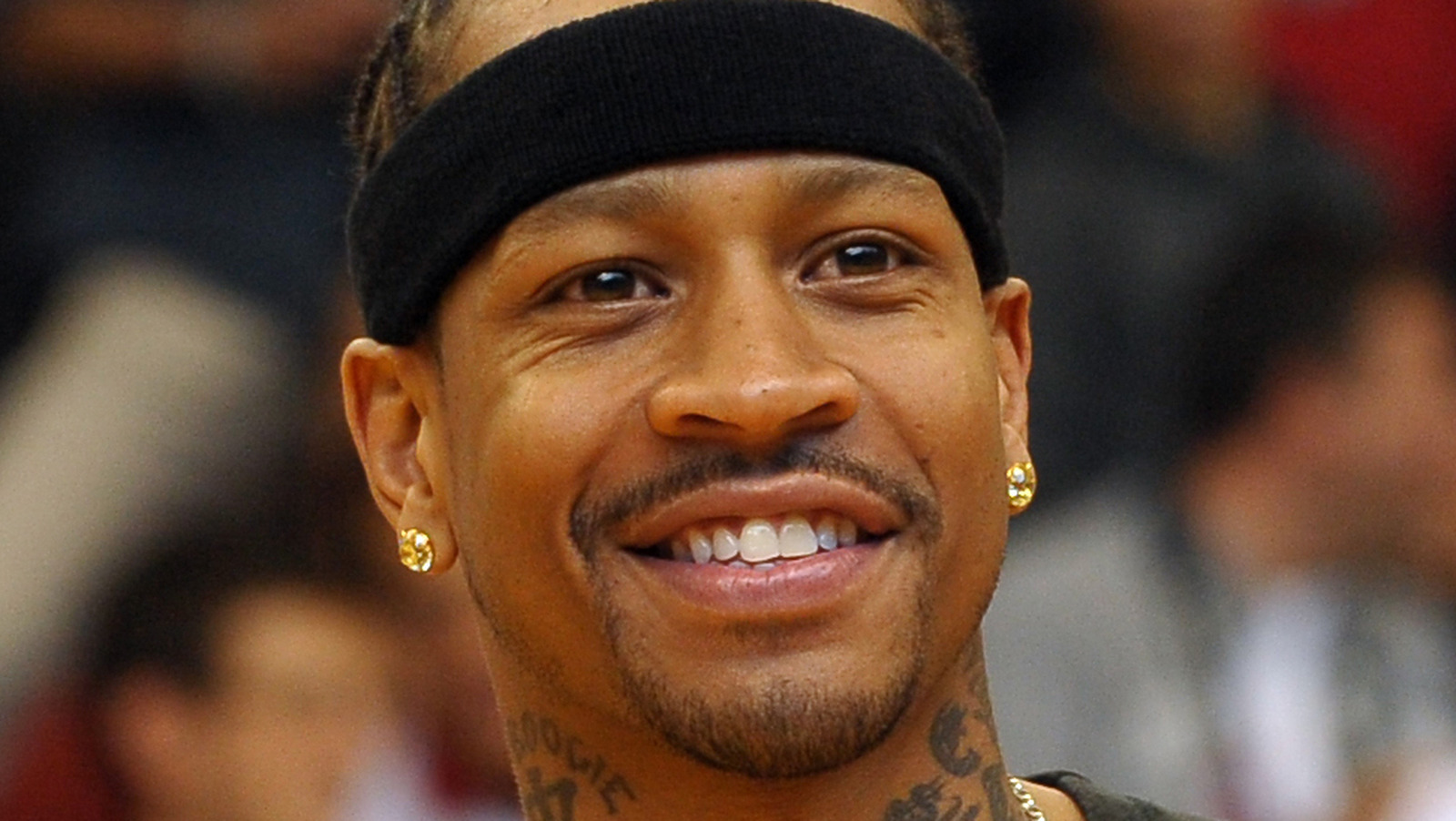
Allen Iverson: Analyzing the Basketball Legend’s Age and Historical Legacy in 2026
Allen Iverson, the iconic NBA Most Valuable Player and cultural pioneer, is 51 years old in 2026. Born on June 7, 1975, in Hampton, Virginia, Iverson has transitioned from his storied career as a prolific scorer and relentless competit...
Allen Iverson, the iconic NBA Most Valuable Player and cultural pioneer, is 51 years old in 2026. Born on June 7, 1975, in Hampton, Virginia, Iverson has transitioned from his storied career as a prolific scorer and relentless competitor into his sixth decade of life, maintaining a lasting influence on the landscape of professional basketball and global sports culture.
Contents
The Chronology of an NBA Icon
Understanding the timeline of Allen Iverson’s life requires a look at his birth date, June 7, 1975. As of the current year, 2026, he has reached the age of 51. This milestone serves as a focal point for fans and historians alike to reflect on the passage of time since he first dominated the hardwood in the late 1990s and early 2000s.
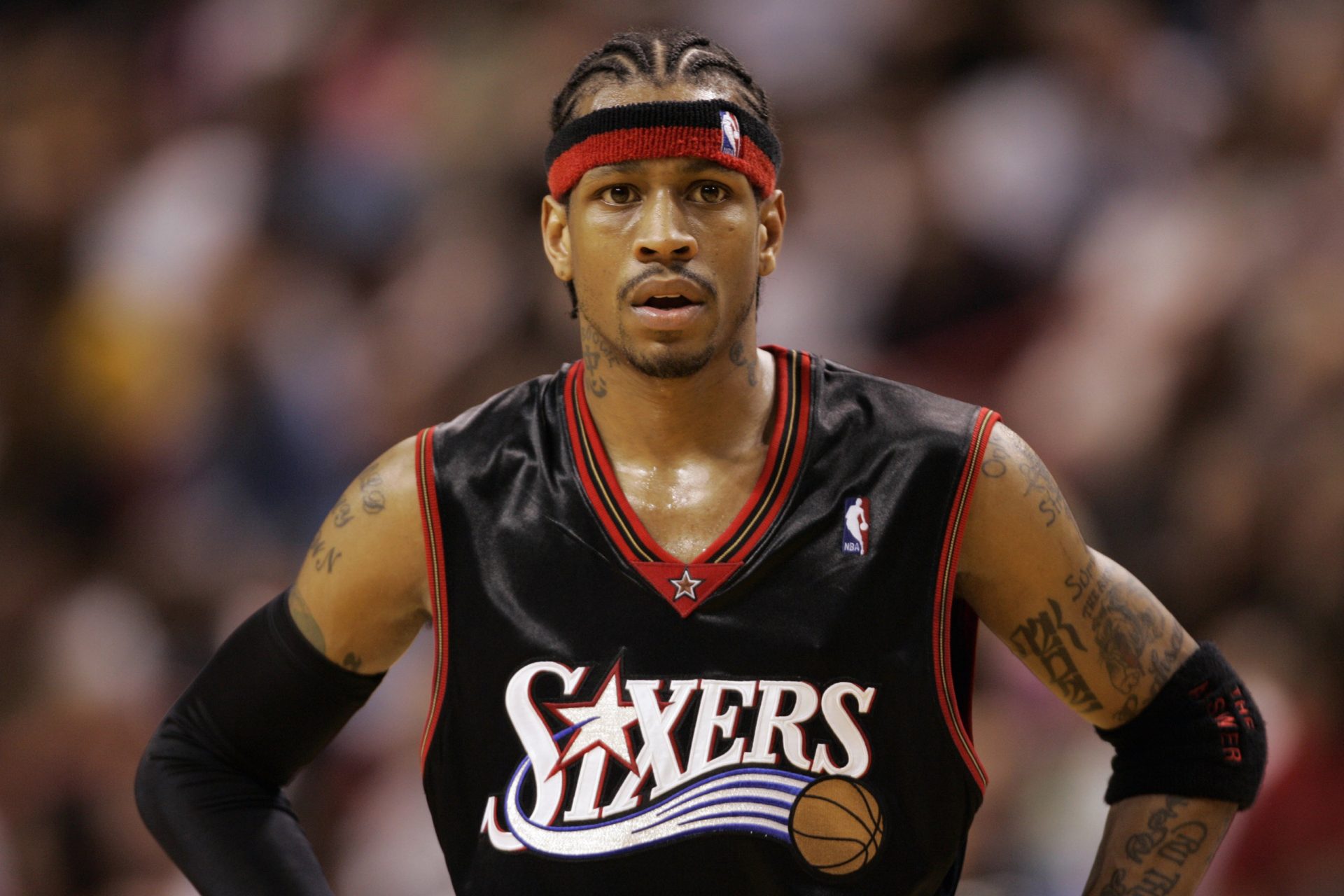
Iverson’s entry into the professional realm occurred when he was drafted first overall by the Philadelphia 76ers in the 1996 NBA Draft. His rookie season immediately solidified his status as a transformative talent. Over the next two decades, his playing style—characterized by elite speed, ball-handling prowess, and a fearless attitude against taller opponents—redefined the shooting guard position for a generation of players.
Age and Career Milestones
To contextualize his age, it is helpful to review the progression of his career milestones relative to his current age.
| Milestone | Year | Iverson's Age |
|---|---|---|
| NBA Draft (First Overall) | 1996 | 21 |
| NBA Rookie of the Year | 1997 | 22 |
| NBA Most Valuable Player (MVP) | 2001 | 26 |
| NBA Finals Appearance | 2001 | 26 |
| Final NBA Season | 2010 | 35 |
| Naismith Memorial Basketball Hall of Fame Induction | 2016 | 41 |
By reaching 51 in 2026, Iverson is now more than a decade removed from his formal induction into the Hall of Fame. This temporal distance provides a vantage point for assessing his contribution to the sport, not merely as an athlete, but as a cultural icon who challenged the status quo.
Cultural Impact and Influence on the NBA
Allen Iverson’s impact extends far beyond his statistical achievements. He is widely credited with bringing hip-hop culture into the NBA mainstream, influencing everything from player fashion to the league’s marketing approach. His signature aesthetic—including cornrows, tattoos, and loose-fitting athletic wear—eventually became a defining look for a specific era of professional sports.
In 2026, many active NBA players still cite Iverson as their primary inspiration. His influence is evident in the modern “small guard” archetype, where players of shorter stature are encouraged to play with the same aggressive, paint-attacking style that Iverson pioneered. His “crossover” move remains one of the most studied and emulated technical skills in basketball training manuals and amateur practice sessions across the globe.
Bridging Generations
As Iverson hits 51, he occupies a unique space in the basketball community. He is old enough to have played against legends of the 1990s like Michael Jordan and Reggie Miller, yet he remains contemporary enough to connect with the current generation of superstars. This ability to bridge decades of basketball history has solidified his role as an elder statesman of the game.
Challenges and Longevity in Professional Sports
The career of a high-usage player like Iverson, who played with unparalleled intensity, often takes a physical toll that becomes more apparent as athletes reach their 50s. Iverson’s playstyle—constantly colliding with larger rim protectors and absorbing significant contact—was inherently high-risk.
Physical Toll and Post-Career Health
While modern advancements in sports medicine and recovery science have improved outcomes for retired athletes, Iverson played in an era where the focus was primarily on immediate performance rather than long-term wellness. Reaching 51 years of age is a benchmark for many former NBA stars, often prompting discussions regarding the management of chronic injuries sustained during high-impact years.
Experts in sports physiology note that former guards often face specific challenges related to joint health, particularly in the knees, ankles, and lower back. Maintaining an active lifestyle in one's 50s after such a demanding career requires rigorous physical therapy and lifestyle management, a reality that Iverson and his peers continue to navigate.
The Evolution of the Point Guard
When analyzing the arc of Iverson’s life and career, it is impossible to ignore the evolution of the position he mastered. While Iverson was officially listed as a shooting guard for much of his career due to his primary role as a scorer, his size (6’0”) was revolutionary for a leading scoring option.
In 2026, the NBA is dominated by playmaking guards who also shoulder heavy scoring loads. The modern game—which emphasizes efficiency, three-point shooting, and pace—is a direct descendant of the freedom that Iverson’s popularity afforded to perimeter players. He proved that a smaller guard could command a team, lead the league in scoring, and carry a franchise to the NBA Finals.
Frequently Asked Questions
Is Allen Iverson still involved with the NBA in 2026? Yes, Allen Iverson maintains an active presence in the basketball world. He serves as an ambassador for the Philadelphia 76ers and frequently appears at major NBA events, including the All-Star Weekend and the playoffs, where he provides commentary and serves as a mentor to younger players.
What is the significance of Iverson turning 51 in 2026? Turning 51 is a personal milestone that marks a full decade since his Hall of Fame induction. It serves as a reminder of his enduring relevance in sports culture and allows fans to appreciate the long-term impact of his playing career on modern basketball strategy.
Did Allen Iverson ever win an NBA Championship? No, Iverson did not win an NBA Championship. His closest opportunity came in the 2001 NBA Finals, where his 76ers faced the Los Angeles Lakers. Despite an iconic performance in Game 1, the 76ers eventually fell to the Lakers in five games.
How does Iverson's playstyle compare to current players? Iverson’s style is often compared to modern dynamic guards like Ja Morant or Kyrie Irving. These players share his aggressive, paint-touching mentality, his elite ball-handling skills, and his ability to finish at the rim despite defensive pressure, all traits that Iverson popularized.
Why was Iverson so influential to NBA culture? Iverson was influential because he refused to conform to the league’s traditional expectations of “professionalism” regarding dress code and personal style. By staying authentic to his background and personal interests, he forced the league and its audience to embrace a more diverse and contemporary identity.
Next Steps for Fans and Researchers
For those interested in exploring the legacy of Allen Iverson further, official resources such as the Naismith Memorial Basketball Hall of Fame archives provide comprehensive records of his statistical achievements and impact. Additionally, archival footage from the 2001 NBA season remains the primary source for understanding the technical evolution of his playing style. As he moves forward in his 50s, Iverson’s trajectory continues to be a subject of interest for those tracking the lives of legendary athletes after the conclusion of their professional careers.
Image Gallery