What Makes Good Project Management: Core Pillars, Frameworks, and Operational Success
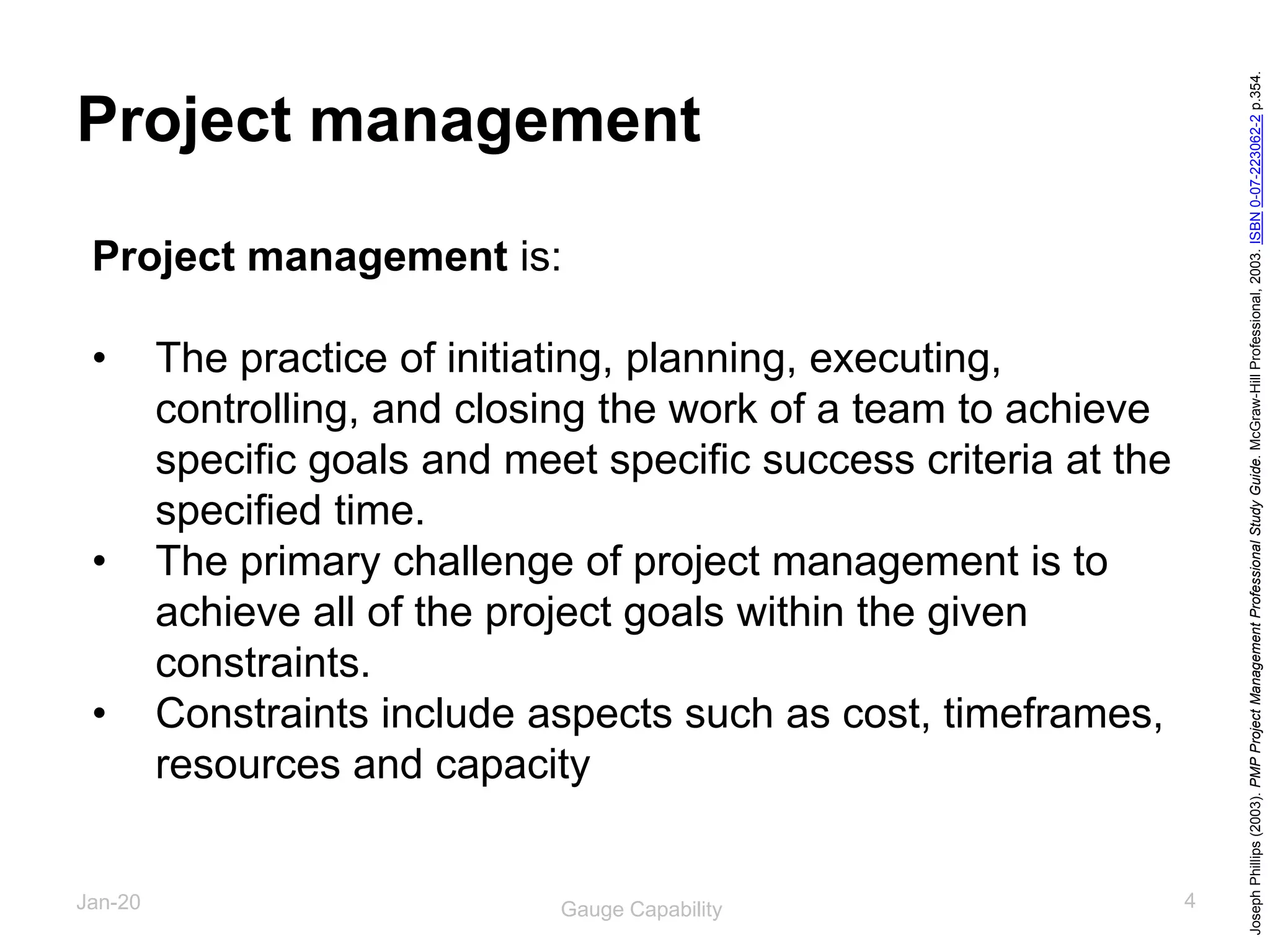
Good project management is defined by the alignment of clear strategic objectives, disciplined execution, proactive risk management, transparent communication, and adaptable leadership. It ensures that initiatives deliver tangible busi...
Good project management is defined by the alignment of clear strategic objectives, disciplined execution, proactive risk management, transparent communication, and adaptable leadership. It ensures that initiatives deliver tangible business value on time and within budget while optimizing resource allocation, maintaining quality standards, and fostering team collaboration across every phase of the project lifecycle.
Contents
The Core Elements of Effective Project Management
Achieving consistent success in managing complex initiatives requires moving beyond simple task tracking. High-performing project management integrates several core disciplines that keep teams aligned, risks minimized, and deliverables acceptable to organizational stakeholders.
| Strategic Vision & Scope Control | Transparent Comm. & Governance | Proactive Risk Control & Resource Stewardship |
|---|
Strategic Alignment and Scope Definition
Every successful project begins with an unambiguous purpose tied directly to broader organizational goals. Defining what is included—and explicitly what is excluded—prevents the misalignment that frequently leads to wasted effort.
- SMART Objectives: Goals must be Specific, Measurable, Achievable, Relevant, and Time-bound. Establishing these parameters early sets clear benchmarks for evaluation.
- Work Breakdown Structure (WBS): Deconstructing large deliverables into manageable work packages ensures that every task contributes directly to the project outcomes.
- Baseline Establishment: Scope, schedule, and cost baselines provide an empirical foundation against which performance and progress can be objectively evaluated.
Transparent Communication and Stakeholder Governance
Poor communication remains one of the primary drivers of project failure. Effective management builds robust governance frameworks to maintain open, predictable dialogue across all organizational levels.
Establishing dedicated communication channels, clear reporting cadences, and defined escalation paths prevents confusion. Stakeholder management matrixes classify team members and executives based on their interest and influence, ensuring that operational updates reach the appropriate audiences with the necessary level of detail.
Proactive Risk Identification and Mitigation
Good project management anticipates challenges rather than reacting to crises. Risk management must operate as a continuous process integrated into daily decision-making.
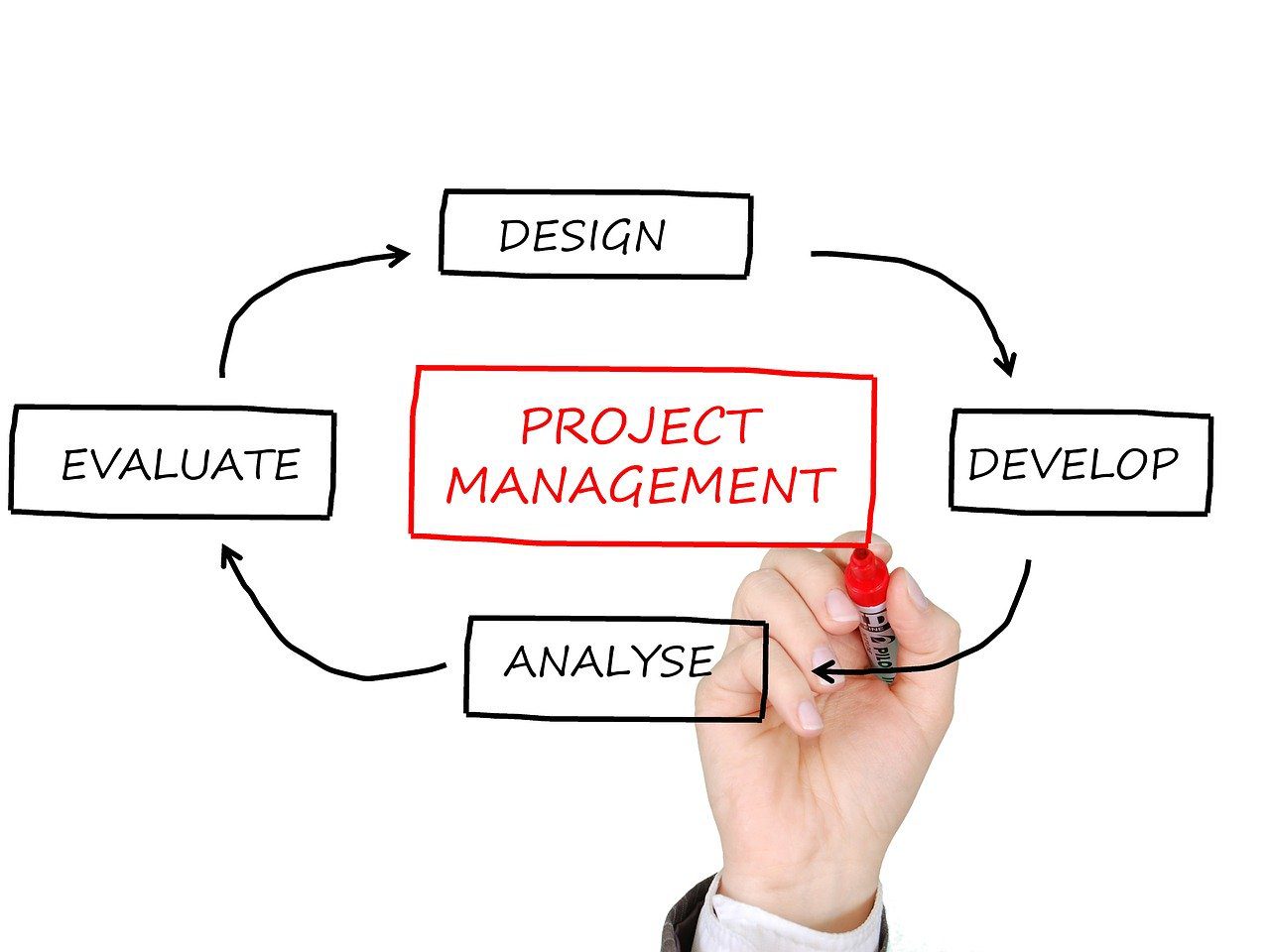
- Identify Risks
- Evaluate Impact
- Develop Contingencies
- Monitor & Adjust
By maintaining a dynamic risk register, project managers categorize threats by likelihood and operational impact. Developing mitigation plans prior to task execution minimizes project downtime, budget overruns, and quality compromises when unforeseen impediments occur.
Resource Stewardship and Capacity Planning
Managing resources effectively involves balancing team workloads, technical dependencies, and financial constraints. Overallocating staff leads to burnout and defective deliverables, whereas underutilizing specialists inflates overhead costs. Modern practitioners use baseline estimates and real-time tracking to ensure workloads remain sustainable throughout the execution cycle.
Project Management Methodologies: Choosing the Right Framework
Selecting an appropriate delivery framework is vital. The optimal methodology depends on project complexity, environmental volatility, team maturity, and stakeholder requirements.
| Low Volatility / Fixed Scope | High Volatility / Evolving Scope |
|---|---|
| Waterfall / Sequential | Agile / Scrum / Kanban |
Predictive Frameworks (Waterfall)
Traditional sequential frameworks function best when project requirements are fully understood, regulatory compliance is stringent, and physical constraints prevent iterative alterations—such as in civil engineering or infrastructure deployment.
- Sequential Gates: Phase reviews must be formally approved before work advances to the subsequent stage.
- Predictability: Comprehensive upfront documentation enables precise long-term budgeting and scheduling.
- Change Control: Modifications undergo formal change request reviews to evaluate scope, cost, and schedule impacts.
Adaptive Frameworks (Agile, Scrum, and Kanban)
Agile frameworks prioritize rapid delivery cycles, continuous feedback, and adaptive planning. They are exceptionally well-suited for software development, research initiatives, and rapidly shifting market environments.
- Scrum: Operates on fixed-duration iterations (sprints) designed to deliver functional increments of work, evaluated through regular retrospectives and sprint reviews.
- Kanban: Focuses on continuous delivery and visual workflow management, enforcing Work-In-Progress (WIP) limits to eliminate operational bottlenecks.
- Agile Values: Prioritize customer collaboration, functional deliverables, and responsiveness to change over rigid contract negotiations and exhaustive initial planning, as detailed by the Agile Alliance.
Hybrid Frameworks
Many enterprise organizations combine predictive and adaptive models. A hybrid approach often utilizes Waterfall for high-level governance, budgeting, and milestone planning, while leveraging Agile mechanics for daily execution and team delivery.
Methodology Comparison Matrix
| Framework | Best Suited For | Primary Advantages | Operational Challenges | Key Governance Focus |
|---|---|---|---|---|
| Waterfall | Clear, fixed requirements; physical construction; regulatory compliance. | Clear milestones, robust documentation, upfront cost certainty. | Inflexible to changing requirements; late customer testing. | Formal phase-gate approvals and strict change control. |
| Scrum | Complex products; volatile market requirements; software projects. | Fast iteration cycles, early value delivery, continuous adaptation. | Scope instability; requires high stakeholder participation. | Sprint goal achievement and velocity tracking. |
| Kanban | Continuous maintenance; operational support; dynamic task queues. | Smooth workflow, visual bottleneck identification, low overhead. | Risk of unfocused prioritization without explicit targets. | Throughput rates, lead time, and WIP limits. |
| Hybrid | Enterprise digital transformations; hardware-software integration. | Balances executive control with execution flexibility. | Cultural friction between sequential and iterative teams. | Strategic milestone tracking alongside sprint metrics. |
Essential Skills of Outstanding Project Managers
Successful project execution relies heavily on the balanced competencies of the project manager. Exceptional leaders blend technical discipline with sophisticated interpersonal attributes.
- Technical Skills: Budgeting, WBS, Scheduling, EVM, Tool Proficiency
- Soft Skills: Negotiation, Active Listening, Conflict Management, Leadership
Technical Capabilities (Hard Skills)
- Schedule and Critical Path Analysis: Understanding dependencies ensures that delay risks along the critical path are mitigated before delivery dates are compromised.
- Earned Value Management (EVM): Combining cost, schedule, and scope measurements allows project leaders to objectively calculate Cost Performance Index (CPI) and Schedule Performance Index (SPI). Standard bodies such as the Project Management Institute (PMI) emphasize EVM as a gold standard for performance measurement.
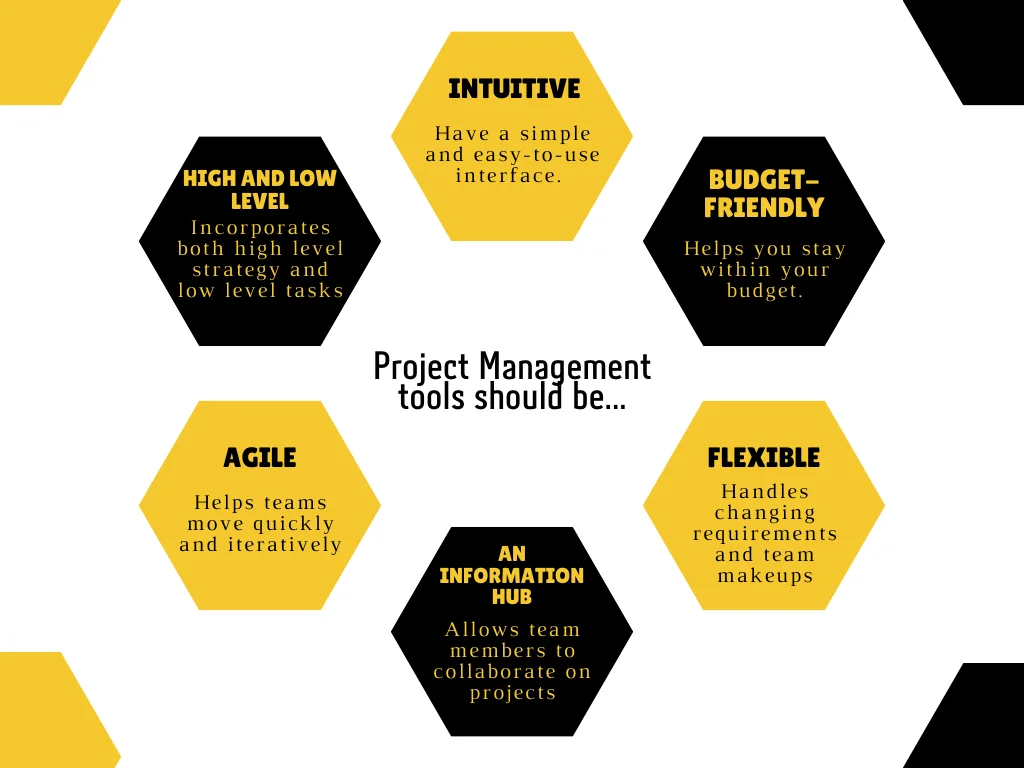
- Tool Fluency: Expert use of modern enterprise software—including Jira, Microsoft Project, Asana, or Smartsheet—enables accurate data consolidation and transparent status reporting.
Leadership and Interpersonal Competencies (Soft Skills)
- Active Listening and Empathy: Understanding underlying team challenges and stakeholder concerns builds organizational trust and surfaces hidden risks early.
- Conflict Resolution: Navigating competing priorities between functional departments requires balanced negotiation without compromising core project goals.
- Decisiveness Under Uncertainty: Strong managers make sound, timely decisions using available data, communicating rationale clearly to maintain team momentum.
Preventing Common Project Pitfalls
Identifying operational vulnerabilities before they derail performance is a hallmark of good project management.
| Common Pitfall | Primary Root Cause | Management Prevention Strategy |
|---|---|---|
| Scope Creep | Vague early requirements | Enforce strict baseline change control |
| Stakeholder Friction | Irregular communication | Maintain structured engagement matrix |
| Team Burnout | Flawed velocity/capacity tracking | Enforce capacity limits and WIP caps |
Scope Creep
Scope creep occurs when unapproved feature requests or functional adjustments are introduced without adjusting budget, time, or resource baselines. Good management combats this by enforcing formal change-control processes: every request must be evaluated for schedule impact, cost variance, and technical feasibility before sign-off.
Misaligned Expectations
Misalignment often arises when stakeholders assume deliverables that were never formally committed. Establishing a clear Project Charter and regular demonstration sessions ensures that stakeholder perceptions remain synchronized with technical outputs.
Resource Overallocation
Pushing teams beyond realistic capacity leads to high turnover, defect spikes, and missed deadlines. Modern resource loading tools and iterative capacity management ensure that workload distribution accounts for administrative overhead, leave, and unforeseen operational disruptions.
Key Performance Indicators (KPIs) for Project Evaluation
Evaluating project performance requires measuring outcomes across operational and business dimensions. Relying strictly on whether a project finished on time is an incomplete assessment of success.
Financial and Schedule KPIs
- Cost Variance (CV): The earned value minus actual cost ($CV = EV - AC$). A positive value indicates budget efficiency.
- Schedule Variance (SV): The earned value minus planned value ($SV = EV - PV$). Measures whether the project is ahead of or behind schedule.
- Return on Investment (ROI): Validates whether the delivered initiative yields the expected financial return relative to capital expenditure.
Quality and Operational Metrics
- Defect Density: The volume of tracked bugs or errors relative to the deliverable size (e.g., lines of code or components manufactured).
- Throughput and Cycle Time: Evaluates how rapidly work items transition from initiation to completed deployment.
- Escalation Frequency: Tracks how often risks must be escalated to executive sponsors, reflecting the operational autonomy of the project team.
A Four-Phase Execution Framework
To apply these principles, organizations should implement a structured end-to-end framework across all project life cycles.
| Phase 1: Initiation & Feasibility | Phase 2: Planning & Baselining | Phase 3: Execution & Monitoring | Phase 4: Closure & Knowledge Transfer |
|---|
Phase 1: Initiation and Feasibility Assessment
- Define the Business Case: Identify the strategic problem, baseline requirements, and target financial or operational benefits.
- Formulate Project Charter: Draft a formal charter detailing the project scope, designated project manager authority, executive sponsorship, and core milestones.
- Identify Key Stakeholders: Complete a preliminary stakeholder mapping exercise to establish communication channels.
Phase 2: Planning and Baselining
- Deconstruct Work Components: Create a comprehensive Work Breakdown Structure (WBS) down to actionable work packages.
- Sequence Dependencies: Map task relationships to identify the critical path and construct a reliable schedule.
- Develop Risk Response Plan: Document potential risks, assign risk owners, and set contingent financial and schedule reserves.
Phase 3: Execution and Performance Monitoring
- Coordinate Delivery Teams: Kick off execution by distributing work packages based on verified capacity.
- Track Quantitative Status: Conduct regular stand-ups and milestone reviews, measuring progress against baseline cost and schedule models via EVM.
- Manage Changes Rigorously: Process all scope alterations through established change boards before technical work begins.
Phase 4: Closure and Knowledge Transfer
- Validate Deliverables: Obtain formal sign-off from project sponsors confirming that acceptance criteria have been fully satisfied.
- Conduct Retrospective Reviews: Host structured post-project reviews to analyze successes, challenges, and process bottlenecks.
- Archive Project Assets: Document lessons learned and archive code, architectural drawings, and financials into enterprise repositories for future reference.
Frequently Asked Questions
What is the most critical factor for project management success?
While technical tools and methodologies are essential, clear alignment on project goals combined with transparent communication among stakeholders is widely considered the single most critical factor. Without explicit scope definition and strong leadership commitment, even sophisticated tools cannot keep a project on track.
How do I choose between Agile and Waterfall frameworks?
Choose Waterfall when your project requirements are fixed, tightly regulated, and unlikely to change, and where changes late in the lifecycle carry prohibitive costs. Select Agile when requirements are evolving, user feedback must guide development, and rapid time-to-market is critical.
What is scope creep, and how can it be prevented?
Scope creep is the unmanaged growth of project requirements without corresponding adjustments to time, cost, and resource baselines. It is best controlled by establishing a rigorous change management workflow, ensuring all modifications are formally evaluated and approved before implementation.
What software tools are required for effective project management?
No single tool fits every scenario. Enterprise software like Microsoft Project or Primavera P6 excels at complex scheduling and critical path management in Waterfall environments. Jira, Trello, and Asana provide visual tracking and backlogs suited for Agile and hybrid approaches.
How is Earned Value Management (EVM) used to measure progress?
Earned Value Management integrates project scope, schedule, and cost metrics into a unified measurement system. By comparing Planned Value (PV), Earned Value (EV), and Actual Cost (AC), project managers can calculate variance indices (CPI and SPI) that accurately forecast final delivery timeframes and expenditures.
Actionable Next Steps for Project Leaders
To immediately elevate project management practices within an organization, start with targeted improvements to operational governance:
- Audit Existing Governance: Evaluate your current portfolio against standard baseline frameworks. Identify whether budget overruns or delays stem from vague initial scopes or flawed execution.
- Standardize Templates: Deploy consistent Project Charters, Risk Registers, and Change Request Forms across all active initiatives to ensure reporting transparency.
- Invest in Competency Building: Align internal teams with recognized standards, such as those provided by the Project Management Institute or Agile Alliance, to create a common operational lexicon.
- Implement Continuous Feedback: Institute mandatory retrospectives at project closures or sprint boundaries, immediately applying key learnings to refine upcoming execution cycles.
Image Gallery