What Are the Best Fan Films: A Definitive Guide to Unofficial Cinema
The best fan films are non-commercial productions that demonstrate professional-grade cinematography, faithful character interpretations, and innovative storytelling within established franchises like Star Wars, Star Trek, and DC Comic...
The best fan films are non-commercial productions that demonstrate professional-grade cinematography, faithful character interpretations, and innovative storytelling within established franchises like Star Wars, Star Trek, and DC Comics. Modern standouts include SC 38 Reimagined, Star Trek Continues, and Never Hike Alone, which often rival official studio releases in technical execution and emotional depth.
Contents
The Evolution of the Fan Film Medium
Fan films have transitioned from amateur home-video homages to sophisticated digital productions that often serve as calling cards for aspiring directors. In 2026, the barrier to entry for high-quality filmmaking has dropped significantly due to the accessibility of 8K cameras, real-time rendering engines like Unreal Engine 5, and sophisticated AI-assisted rotoscoping. However, the "best" films are rarely judged by technology alone; they are defined by their ability to fill narrative gaps left by official canon.
Historically, fan films existed in a legal gray area. While most studios ignored them as long as they remained non-profit, the mid-2010s saw a shift in enforcement. This led to the establishment of specific guidelines—most notably by Paramount and CBS—that redefined the scope of these projects. Understanding what makes a fan film "the best" requires looking at how creators navigate these creative and legal constraints to deliver experiences that resonate with global audiences.
Top Star Wars Fan Films: Redefining the Force
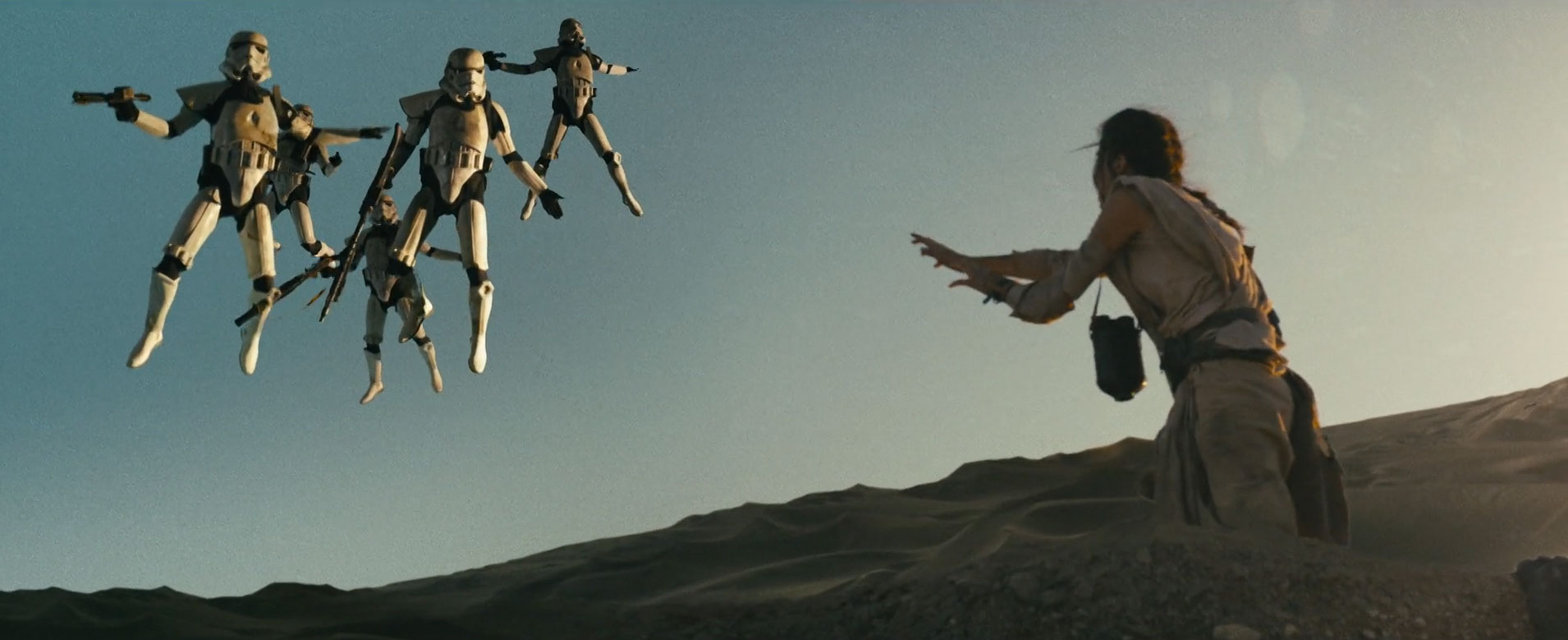
Star Wars has arguably the most robust fan film community. Lucasfilm’s historically lenient stance (and their annual fan film awards) encouraged a generation of creators to explore the galaxy far, far away.
SC 38 Reimagined (2019)
While not a full-length feature, SC 38 Reimagined is frequently cited as the pinnacle of Star Wars fan content. This project reimagines the final duel between Obi-Wan Kenobi and Darth Vader from A New Hope. The original 1977 choreography was limited by the technology and physical constraints of the era. The fan-led team spent over two years using modern VFX to inject the scene with the intensity seen in the prequel trilogy and Rogue One. The result is a seamless integration of new footage with the original film, providing an emotional weight that many fans feel was missing from the original cut.
Darth Maul: Apprentice (2016)
Directed by Shawn Bu, this film focuses on the training of the iconic Sith apprentice. It is lauded for its stunt coordination and practical makeup effects. Unlike many fan films that rely heavily on static dialogue, Darth Maul: Apprentice uses visual storytelling and high-octane martial arts to convey Maul’s lethal efficiency. It remains a masterclass in how to handle a high-profile character with limited resources while maintaining the "Star Wars aesthetic."
TIE Fighter (2015)
Animation is a significant sub-genre within fan cinema. TIE Fighter, created by Paul Johnson (OtaKing77077), is a short film drawn in the style of 1980s space-combat anime. It provides a rare perspective from the Imperial side, focusing on the mechanical precision of the TIE pilots. The hand-drawn aesthetic and meticulous attention to detail regarding ship systems make it one of the most unique entries in the genre.
The Gold Standard for Star Trek Fan Productions
Star Trek fan films are unique because they often aim to provide a "lost episode" experience, recreating the specific look and feel of the original series (TOS) or the Next Generation (TNG).
Star Trek Continues (2013–2017)
Star Trek Continues is widely considered the definitive fan-led continuation of the original 1960s series. Produced by Vic Mignogna, the series features meticulously recreated sets, period-accurate lighting, and a cast that captures the essence of Shatner, Nimoy, and Kelley without descending into parody. The production value was so high that several original Star Trek guest stars and writers contributed to the project. It successfully completed the "five-year mission" that was famously cut short by NBC's cancellation in 1969.
Axanar (The "Pre-War" Era)
While Axanar became famous for a high-profile legal battle with Paramount and CBS, its "Prelude to Axanar" short remains a landmark in fan cinema. It utilized a documentary-style format to tell the history of the Federation-Klingon War. Its professional cast—including Tony Todd and Richard Hatch—and cinematic CGI set a new bar for what fan funding could achieve, ultimately leading to the "Fan Film Guidelines" that now govern the Star Trek universe.
Superhero Fan Films: Darker and Grittier Visions
Superhero fan films often serve as a reaction to the family-friendly tone of mainstream cinematic universes, leaning into the "R-rated" potential of characters like Batman or The Punisher.
Batman: Dead End (2003)
Directed by Sandy Collora, Batman: Dead End debuted at San Diego Comic-Con and immediately went viral in an era before YouTube was dominant. The film is famous for its practical suits (which many fans preferred over the rubber suits of the contemporary studio films) and a surprising crossover with the Predator and Alien franchises. It proved that a fan film could achieve a cinematic "look" on a fraction of a Hollywood budget.
The Punisher: Dirty Laundry (2012)
Though technically an "unofficial short" produced by Adi Shankar and starring professional actor Thomas Jane (reprising his role from the 2004 film), Dirty Laundry is celebrated as the ultimate Punisher story. It captures the brutal, uncompromising nature of Frank Castle in a self-contained narrative that requires no prior knowledge of the MCU or the comics. It helped spark a trend of "Bootleg Universe" films that prioritize character over brand synergy.
Comparison of Top-Rated Fan Films
The following table compares key attributes of the most influential fan films across different genres.
| Film Title | Franchise | Primary Strength | Notable Technique |
|---|---|---|---|
| SC 38 Reimagined | Star Wars | Visual Effects | Integration with 1977 footage |
| Star Trek Continues | Star Trek | Narrative Fidelity | Period-accurate set construction |
| Never Hike Alone | Friday the 13th | Cinematography | "Found footage" and drone shots |
| Darth Maul: Apprentice | Star Wars | Action Choreography | Practical makeup and stunt work |
| Batman: Dead End | DC / Batman | Costume Design | Comic-accurate practical suits |
| Spider-Man: Lotus | Marvel | Visual Fidelity | High-end CGI web-swinging |
Horror and Niche Franchise Adaptations
Beyond the "Big Three" franchises, horror fans have created some of the most atmospheric unofficial sequels in the industry.
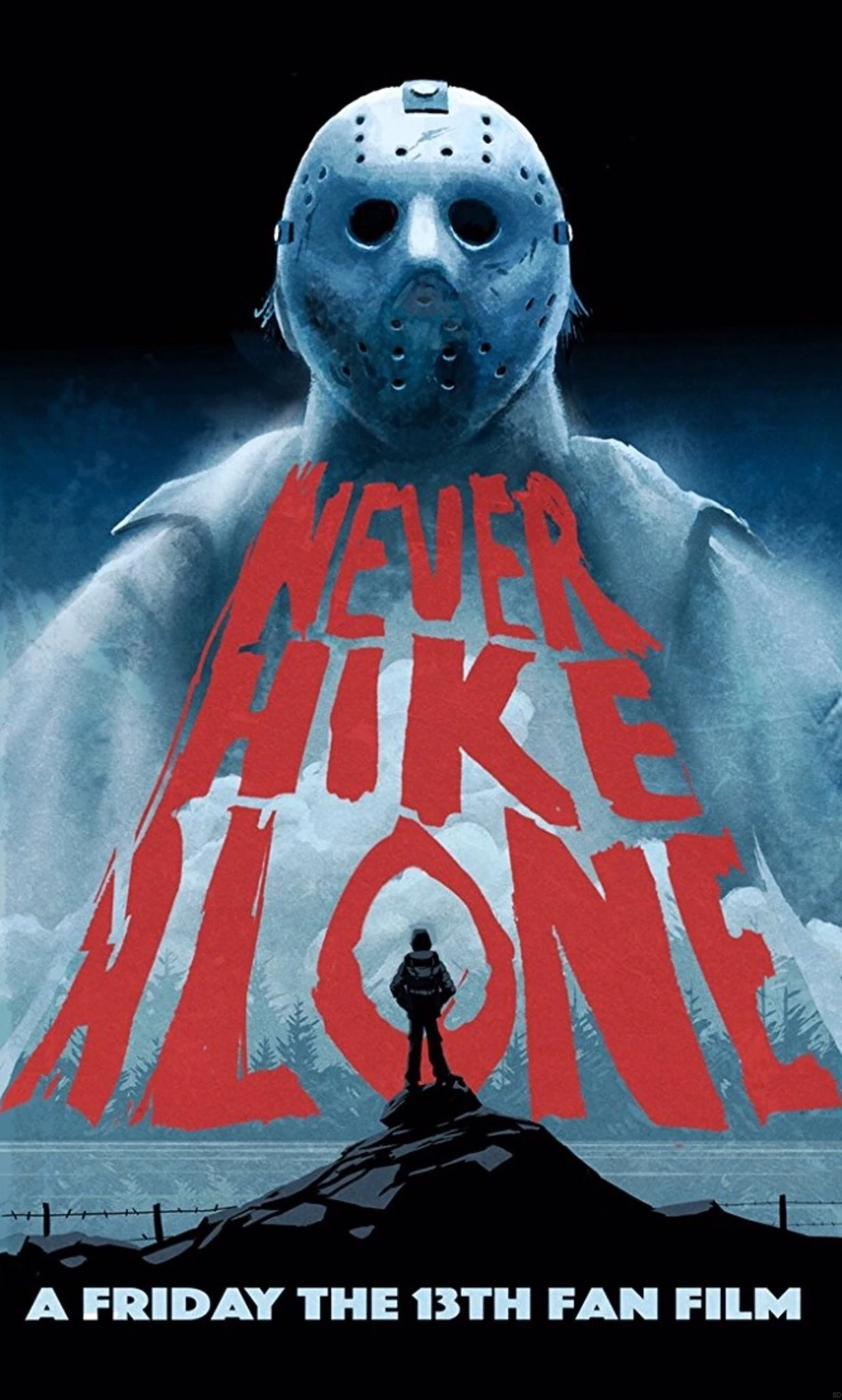
Never Hike Alone (2017)
In the midst of legal battles over the Friday the 13th franchise rights, Womp Stomp Films released Never Hike Alone. This film introduced a "Ghost Jason" concept and utilized high-end cinematography to revitalize the slasher genre. It is often cited as being superior to many of the official sequels due to its focus on suspense rather than just body count. The film was so well-received that it spawned a multi-part saga that concluded years later, maintaining a consistent professional standard throughout.
In Service of Nothing (2015)
For James Bond fans, In Service of Nothing offers a "noir" animated look at an aging 007 in the 1970s. It serves as a critique of the character’s relevance in a changing world. The animation style is reminiscent of a digital storyboard, proving that compelling writing and voice acting can compensate for a lack of traditional "action movie" resources.
Technical Achievement and Distribution in 2026
The technical depth of fan films in 2026 is bolstered by community-driven assets. Platforms like GitHub and ArtStation allow creators to share screen-accurate 3D models of X-Wings or Enterprise bridges, ensuring that even small-budget creators can achieve visual consistency with the source material.
Furthermore, distribution has moved beyond YouTube. While YouTube remains the primary hub, many creators now utilize decentralized platforms and private screening events to avoid automated copyright takedowns. The use of Spatial Audio and HDR10+ mastering has also become standard for "the best" productions, allowing them to be viewed on home theater systems without a noticeable drop in quality compared to streaming giants like Netflix or Disney+.
Legal Considerations for Fan Filmmakers
Any discussion of the best fan films must address the legal framework that allows them to exist. Under U.S. law, "Fair Use" is a complex defense, and most fan films actually operate under "implied license."
- Non-Commerciality: The film must not generate direct profit. Crowdfunding is generally allowed for production costs but not for personal gain.
- No Market Substitution: A fan film must not compete with the official product. This is why many studios prohibit "feature-length" (over 30-40 minute) productions.
- Disclaimer Usage: Explicitly stating that the project is unofficial and not endorsed by the IP holder is a mandatory prerequisite.
- Professional Constraints: Guidelines often prohibit the hiring of professional actors who have previously worked on the official franchise to prevent consumer confusion.
FAQ
Can fan films be monetized?
No, fan films cannot be directly monetized through ticket sales or ad revenue. Doing so almost always results in a Cease and Desist (C&D) order from the intellectual property owner. Creators usually benefit indirectly through portfolio exposure or by using the film as a proof-of-concept for original, monetizable work.
Why do some fan films look better than big-budget movies?
Fan films often have the luxury of time and singular focus. While a studio film must adhere to strict release windows and corporate mandates, a fan creator can spend five years perfecting a 10-minute sequence. Additionally, they are made by people with a deep, encyclopedic knowledge of the specific visual "language" of that franchise.
Are fan films canon?
Generally, no. Fan films are considered "Legends" or "Apocrypha" and are not recognized as part of the official timeline by the studios. However, some elements of fan films have been known to influence official creators, and in rare cases, fan-film directors have been hired to work on official projects.
How do fan films get funded?
Most high-quality fan films are funded through platforms like Kickstarter or Indiegogo. Some are entirely self-funded by the directors. In 2026, many creators also use Patreon to sustain long-term production cycles for web series or episodic fan content.
What is the best way to watch these films?
Most are available for free on YouTube or Vimeo. For the best experience, look for channels that offer "4K UHD" versions and high-bitrate audio. Some larger projects also offer "Director's Cuts" or "Behind the Scenes" documentaries on their official websites.
Practical Recommendation for Viewers
If you are new to the world of fan cinema, start with SC 38 Reimagined for its visual impact and Star Trek Continues for its narrative depth. These two represent the dual paths of fan filmmaking: one focused on enhancing the technical spectacle and the other on preserving the soul of the original storytelling. When watching, pay attention to the "credits" and "making-of" segments; these often provide invaluable insight into how independent artists overcome massive technical hurdles to honor the stories they love.
Image Gallery