The Strategic Path to the Top 1% Net Worth in 2026
To reach the top 1% of net worth in 2026, the primary path is the strategic acquisition and scaling of equity-heavy assets. This involves transitioning from selling labor for a salary to owning scalable business interests or concentrat...
To reach the top 1% of net worth in 2026, the primary path is the strategic acquisition and scaling of equity-heavy assets. This involves transitioning from selling labor for a salary to owning scalable business interests or concentrated investment positions that benefit from compounding value and favorable tax treatment.
Contents
The journey to the upper echelons of wealth is often misunderstood as a product of extreme saving or high-salary professional work. While these are foundational for the middle class, the "top 1" status—specifically the top 1% of households—requires a fundamental shift in how capital is generated and retained. In 2026, the threshold for entering the top 1% in the United States has climbed to approximately $16.5 million, driven by asset inflation and the continued outperformance of private equity and technology-driven markets.
Defining the "Top 1" Threshold in 2026
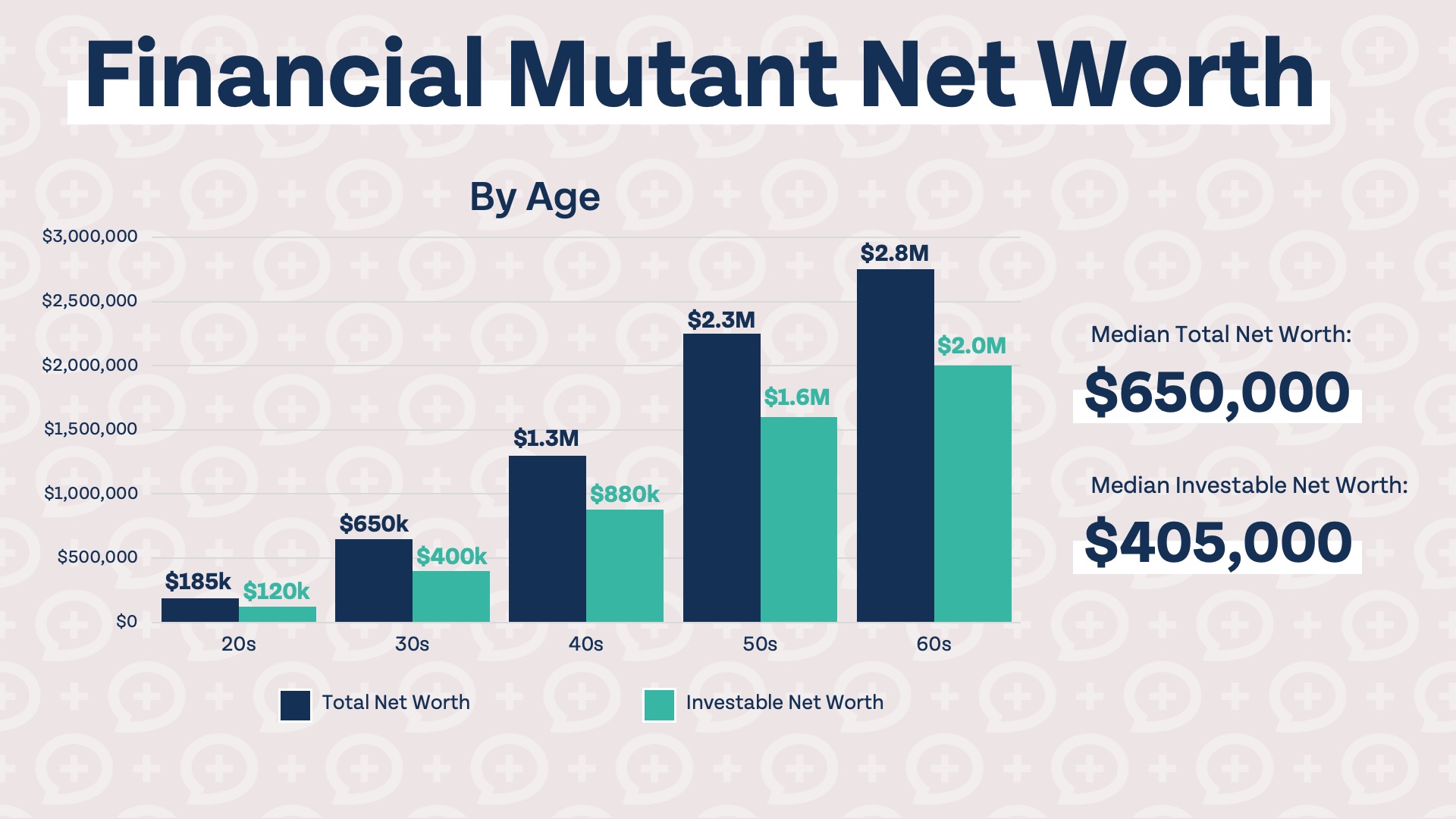
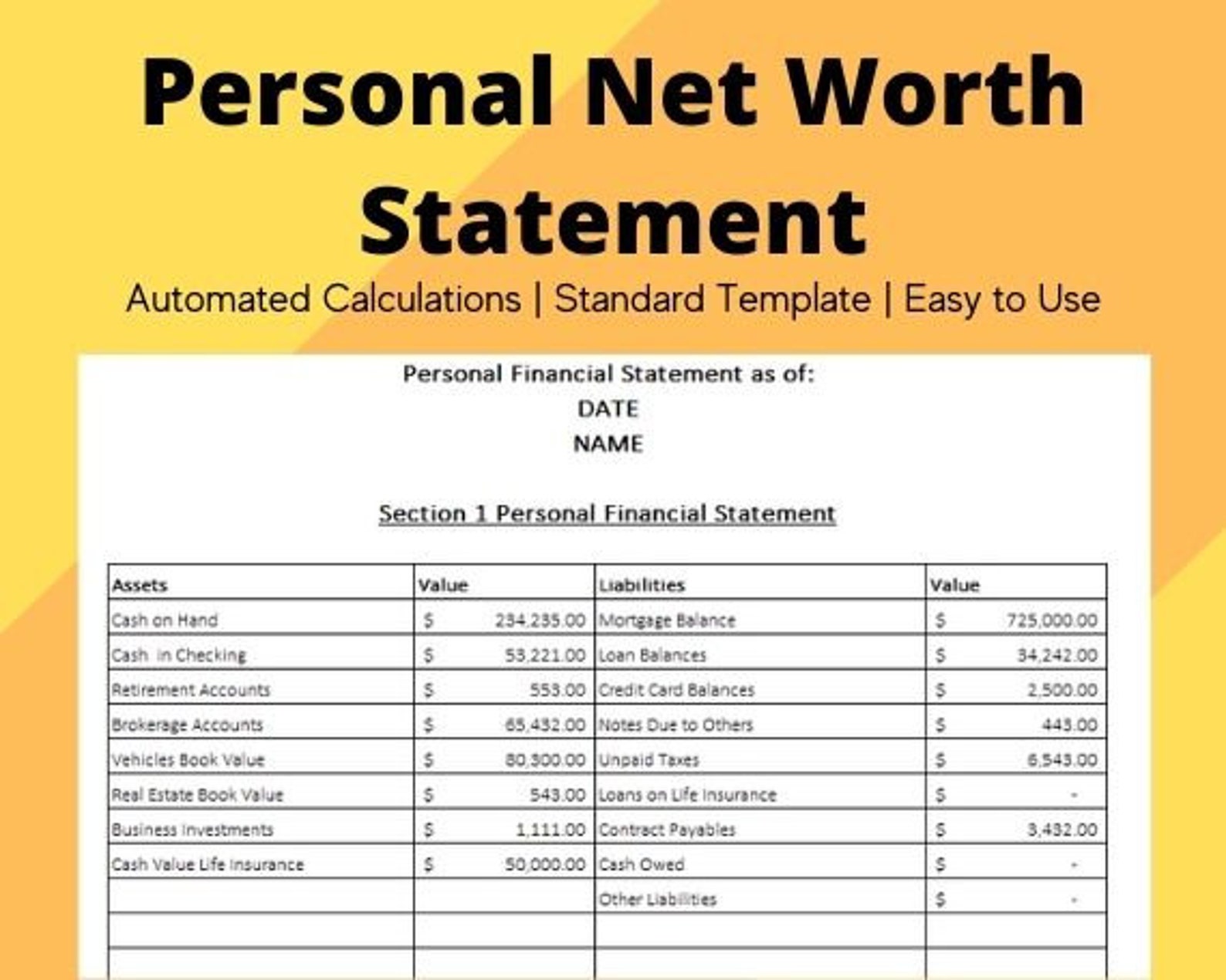
Before embarking on this path, it is essential to quantify the objective. Net worth is the total value of all assets (cash, real estate, stocks, business equity) minus all liabilities (mortgages, loans, debt). In 2026, the distribution of wealth remains highly concentrated. While the "Top 1" could technically refer to the single wealthiest individual on Earth, for 99.9% of ambitious investors, the goal is the Top 1% of the population.
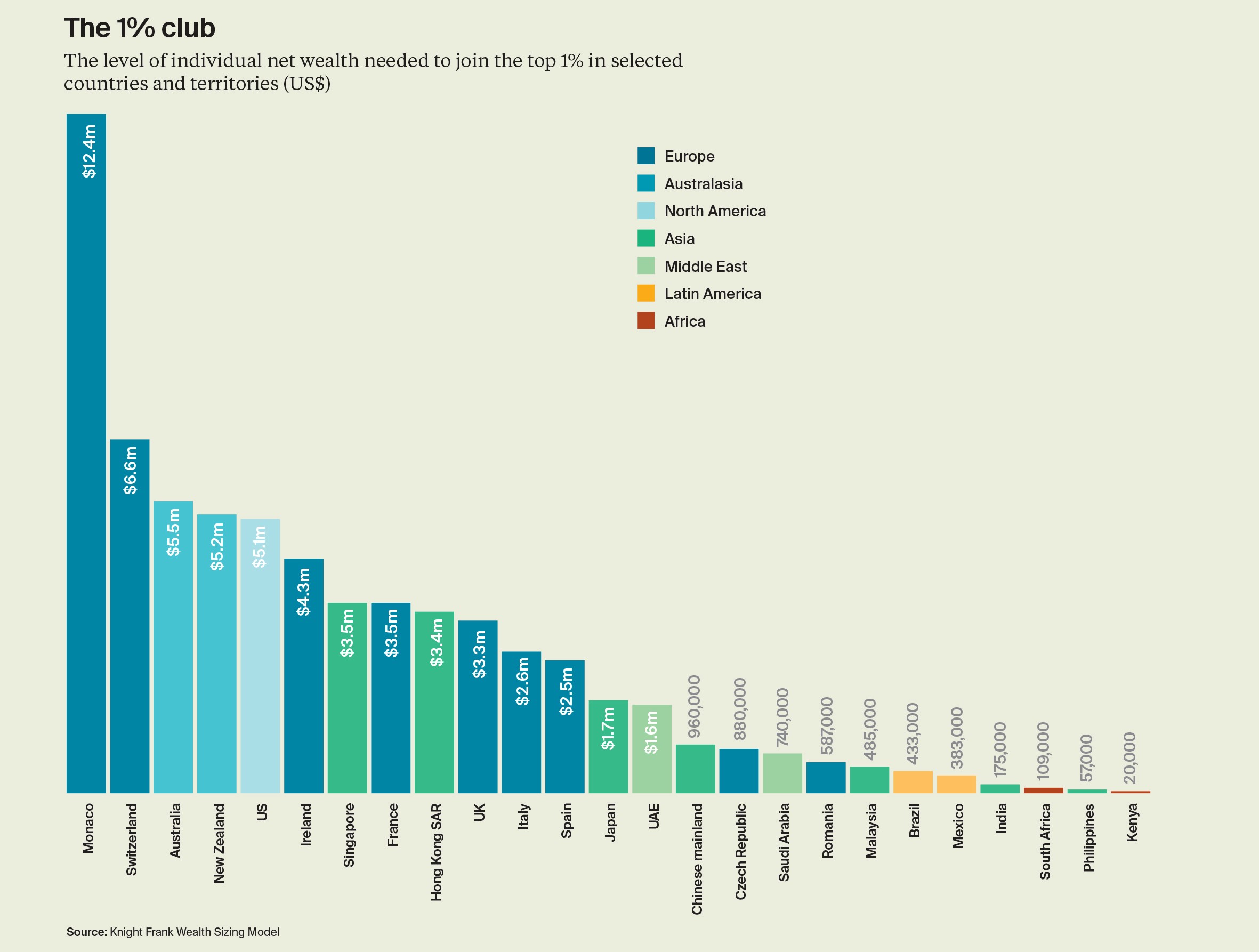
The entry requirements vary significantly by jurisdiction, but the economic principles remain constant. In the United States, the Federal Reserve’s Survey of Consumer Finances and updated 2026 market data indicate that the top 1% now controls over 30% of the nation's total wealth.
| Wealth Tier | Estimated Net Worth Threshold (2026) | Primary Source of Wealth |
|---|---|---|
| Top 1% | $16,500,000 | Business Equity, Concentrated Portfolios |
| Top 0.1% | $58,000,000 | Enterprise Ownership, Founders, Private Equity |
| Top 10% | $2,450,000 | Primary Real Estate, Retirement Accounts |
| Top 50% | $210,000 | Home Equity, Savings, Durable Assets |
The Core Mechanism: Moving from Income to Equity
The most reliable path to this level of net worth is the transition from linear income to exponential equity. Linear income (wages and salaries) is capped by time and taxed at the highest marginal rates. Even a surgeon or a corporate lawyer earning $800,000 a year will struggle to reach a $16.5 million net worth through savings alone, especially after accounting for 2026 cost-of-living standards and progressive taxation.
Equity ownership solves the two greatest obstacles to wealth: scalability and tax efficiency. Scalability allows your wealth to grow while you sleep, decoupled from your physical hours worked. Tax efficiency, particularly through long-term capital gains and specialized tax codes like Section 1202 (Qualified Small Business Stock), allows you to retain a much larger portion of the wealth you create compared to a W-2 employee.
Phase 1: High-Value Skill Acquisition and Capital Seeding
One does not simply "start" at the top. The first stage of the path involves developing a "monopolizable" skill set. In the 2026 economy, these skills typically fall into three categories:
- Capital Allocation: Understanding where to deploy money for the highest risk-adjusted return.
- High-End Technical Creation: Engineering, AI architecture, or biotech development.
- High-Stakes Persuasion: Large-scale enterprise sales, fund raising, or brand building.
The goal of Phase 1 is to generate "seed capital." You cannot reach the top 1% without a "engine" to fuel your first major investments. This often requires a period of high-intensity work in high-margin industries (FinTech, Energy, or specialized Consulting) where you can observe market inefficiencies.
Phase 2: The Equity Pivot and Concentration
Once you have established a capital base and a deep understanding of a market, the path requires a pivot from diversification to concentration. While standard financial advice emphasizes "don't put all your eggs in one basket," almost no one reaches the top 1% through a diversified 60/40 stock-bond portfolio.
Wealth is created through concentration and preserved through diversification. This phase usually involves one of three actions:
- Founding a Scalable Company: Building a business where the marginal cost of serving an additional customer is near zero (Software, Digital Media, Intellectual Property).
- Buy-Then-Build (Micro-Private Equity): Acquiring an existing, boring-but-profitable service business (e.g., HVAC, landscaping, or specialized medical practices) and applying modern technology and management to scale it.
- Early-Stage Executive Equity: Joining a high-growth startup as a key player and receiving a meaningful percentage of the company’s cap table.
Phase 3: Utilizing the Four Pillars of Leverage
To bridge the gap between "millionaire" and "top 1%," you must apply leverage. In his seminal frameworks, investor Naval Ravikant identified forms of leverage that have become even more relevant in 2026. To reach the eight-figure mark, you must master at least two:
- Labor: Hiring people to work for you. This is the oldest form of leverage but the most difficult to manage.
- Capital: Using money to make money. In 2026, access to credit and private lending allows entrepreneurs to move faster than their cash flow would otherwise permit.
- Code: Writing software that works for you 24/7 without needing a paycheck.
- Media: Creating content or a brand that builds trust and sells products at scale without your direct presence.
Unlike labor and capital, code and media are "permissionless." You do not need an investment banker or a HR department to start using them. Most modern members of the top 1% have used code or media to amplify their business reach.
Tax Optimization and Retention Strategies
Reaching $20 million is useless if you lose 50% to the government and another 10% to mismanagement. The "top 1" path requires sophisticated tax planning that aligns with current IRS guidelines and statutory incentives.
- Qualified Small Business Stock (QSBS): Under Section 1202, if you hold stock in a qualified domestic C-corporation for more than five years, you may be eligible to exclude up to $10 million (or 10x your basis) in capital gains from federal taxes. This is a primary vehicle for tech founders in 2026.
- Asset-Backed Lending: Rather than selling assets and triggering capital gains taxes, the ultra-wealthy often take out low-interest loans against their stock or real estate portfolios to fund their lifestyle. This keeps the principal growing while providing liquidity.
- Tax-Advantaged Jurisdictions: For those in the top 1%, choosing the right state or country of residence can save millions in state income and inheritance taxes.
Avoiding the "Zero" Point: Risk Management
The final component of the path is ensuring you do not fall back down. The "Top 1" status is volatile. One bad leveraged bet or a legal disaster can wipe out decades of work. Professional risk management includes:
- Asset Protection: Using trusts and LLCs to separate personal assets from business liabilities.
- Umbrella Insurance: High-limit liability coverage is a prerequisite for anyone with an eight-figure net worth.
- Hedging: Using options or inverse ETFs to protect a concentrated position during market downturns.
Frequently Asked Questions
Can I reach the top 1% by 2026 just by saving from my salary? For the vast majority of people, no. Even with a $500,000 annual salary, after taxes and a high-end lifestyle, saving enough to reach the $16.5 million threshold would take decades. The top 1% is almost exclusively reached through asset appreciation (equity) rather than accumulated savings from labor.
Is real estate still a viable path to the top 1% in 2026? Yes, but it typically requires "forced appreciation" rather than passive landlording. This means developing raw land, converting commercial properties to residential, or using significant leverage to acquire multi-family portfolios. Simple residential rentals are generally a path to the top 10%, not the top 1%.
What industries are producing the most new top 1% members? In 2026, the leading sectors are Artificial Intelligence (infrastructure and applications), Renewable Energy Systems, specialized Healthcare/Biotech, and Fintech. Traditional "boring" businesses that have been "tech-enabled"—such as logistics and specialized manufacturing—are also major contributors.
What is the difference between "Top 1" and "Top 1%"? "Top 1" usually implies the single wealthiest person (e.g., Elon Musk or the current leader of the Bloomberg Billionaires Index). Reaching that level requires a "black swan" event—creating a world-changing company. The "Top 1%" is a statistical bracket (roughly 3.3 million people in the U.S.) which is achievable through disciplined entrepreneurship and equity growth.
How does inflation affect the net worth required to be in the top 1%? Inflation raises the nominal "entry fee." While $10 million was the benchmark a few years ago, the 2026 threshold of $16.5 million reflects the decreased purchasing power of the dollar and the increased valuation of assets like stocks and real estate.
Recommended Next Action
The most immediate step you can take toward this path is an Equity Audit. Evaluate your current income sources and determine what percentage of your net worth is tied to your time versus what percentage is tied to assets that can scale. If more than 90% of your wealth is dependent on you showing up to work, your first goal should be to acquire or build an asset—whether it is a small business, a patent, or a concentrated stock position—that can grow independently of your labor.
Disclaimer: Financial strategies involving high-concentration investments and leverage carry significant risk. Consult with a certified financial planner and tax attorney to address your specific jurisdictional limits and legal obligations.
Image Gallery