Why People Are Talking About Digital Health Tools: Drivers, Innovations, and Real-World Impact
People are talking about digital health tools because they are fundamentally reshaping medical access, personal health tracking, and clinical outcomes. Driven by advancements in wearable biosensors, artificial intelligence, and remote...
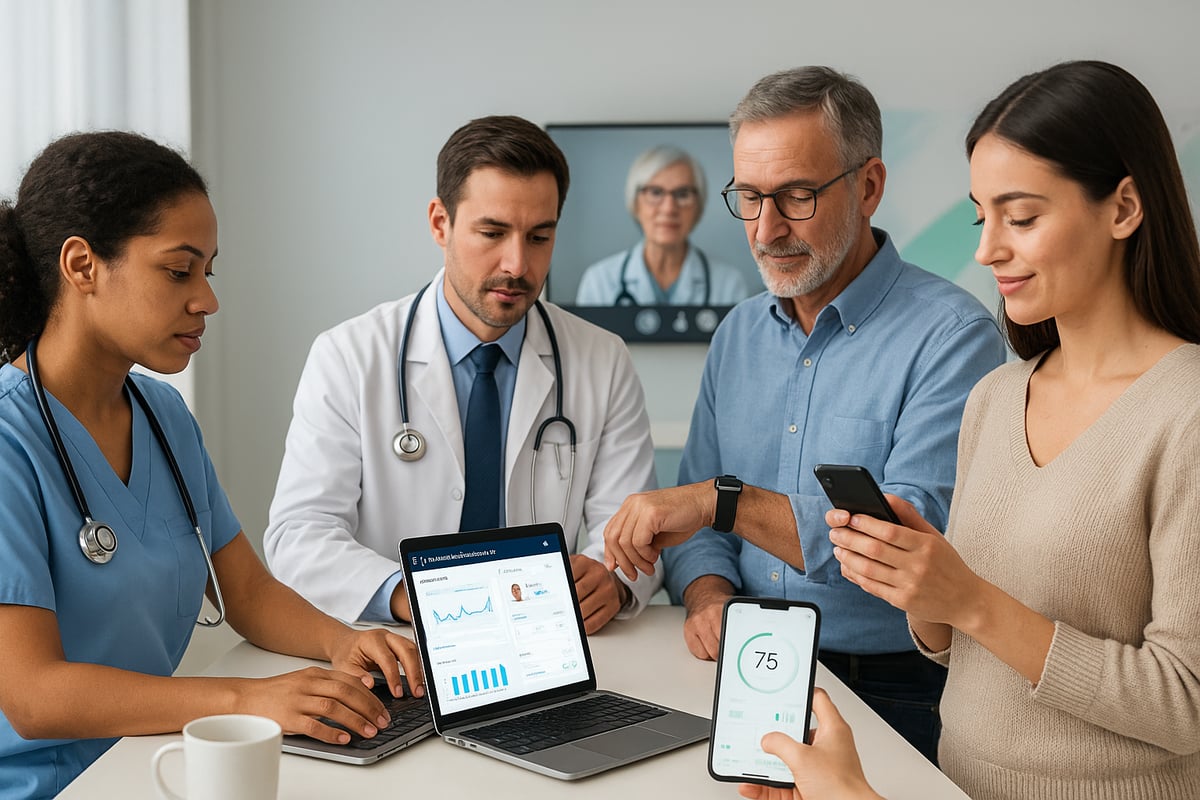
People are talking about digital health tools because they are fundamentally reshaping medical access, personal health tracking, and clinical outcomes. Driven by advancements in wearable biosensors, artificial intelligence, and remote patient monitoring, these technologies allow individuals to track vital metrics continuously while helping healthcare systems manage chronic illnesses, reduce administrative burdens, and cut costs.
Contents
Why Digital Health Tools Are Dominating Healthcare Discussions
Public and clinical interest in digital health tools has escalated significantly as healthcare transitions from episodic, reactive treatment models toward continuous, proactive care. For decades, medical evaluation relied almost entirely on periodic in-person clinic visits. This traditional approach provided clinicians with isolated snapshots of a patient's health, often missing subtle physiological changes or early warning signs of chronic decompensation.
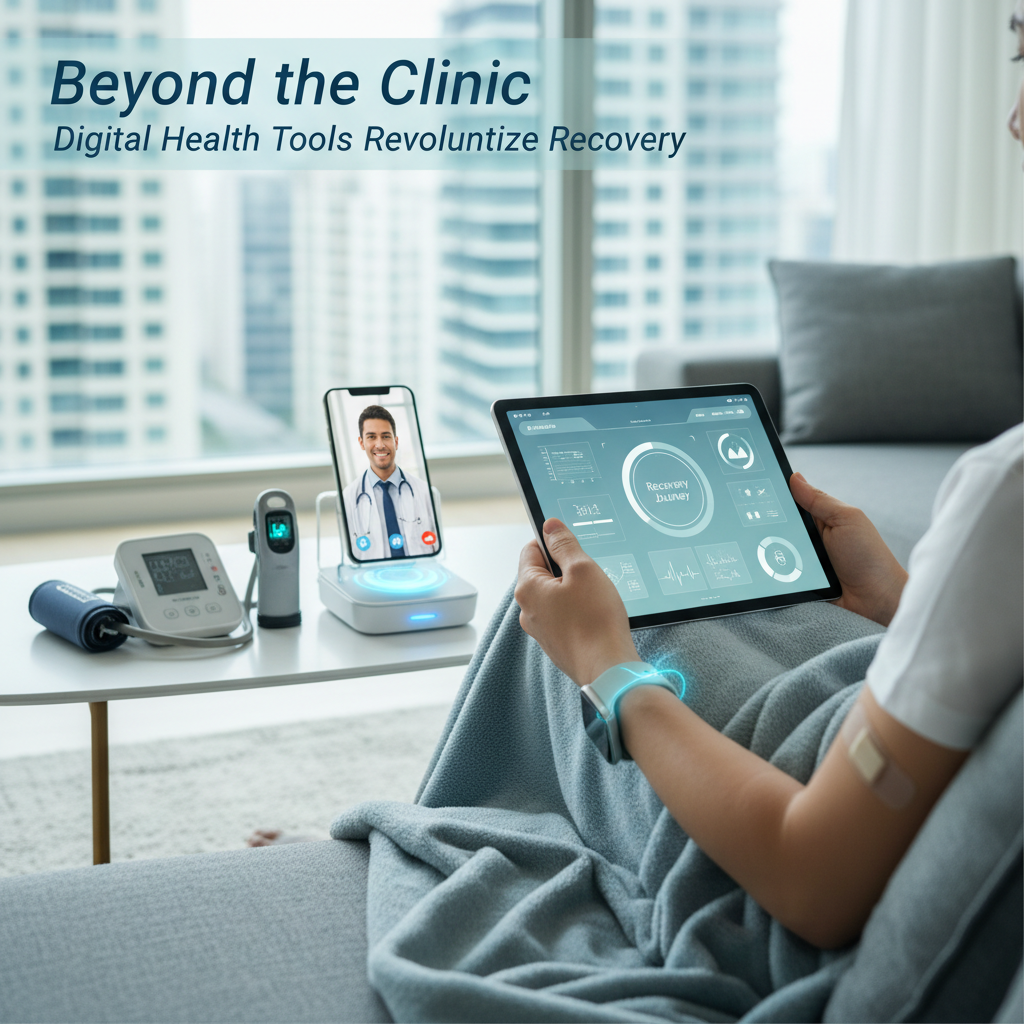
Digital health tools overcome these observational gaps by gathering continuous, real-time data outside clinical settings. Devices such as continuous glucose monitors (CGMs), wearable electrocardiograms (ECGs), smart rings, and connected blood pressure cuffs provide ongoing biometric visibility. This steady stream of data allows care teams to identify health risks earlier, adjust pharmacological treatments faster, and personalize therapeutic recommendations.
Simultaneously, severe healthcare workforce shortages have forced medical institutions to seek scalable software solutions. Nursing shortages, physician burnout, and rising operational expenditures have strained traditional infrastructure. Digital tools—ranging from AI-driven triage assistants to automated remote monitoring platforms—help extend the reach of clinicians, allowing care teams to supervise larger patient populations without compromising quality of care.
The Primary Drivers Behind Growing Interest
The surge in media coverage, investor funding, and patient interest in digital health stems from several converging clinical, technological, and demographic factors:
1. The Prevalence of Chronic Diseases
Chronic conditions such as type 2 diabetes, hypertension, heart failure, and chronic obstructive pulmonary disease (COPD) represent the vast majority of global healthcare expenditures. Managing these conditions effectively requires daily adherence to medication, dietary monitoring, and routine physiological measurement. Digital tools automate much of this management by capturing daily biometrics and alerting clinicians when readings fall outside safe thresholds.
2. Consumer Empowerment and Data Access
Modern healthcare consumers increasingly expect direct access to their medical data. Mobile health apps, patient portals, and consumer-grade wearables give individuals immediate visibility into their heart rate variability (HRV), sleep architecture, blood oxygen saturation, and activity levels. This transparency shifts patients from passive recipients of medical care to active managers of their own wellness.
3. Advancements in Artificial Intelligence and Machine Learning
Artificial intelligence has advanced from simple data logging to sophisticated predictive analytics. Clinical decision support tools analyze complex biometric feeds to predict acute health events, such as diabetic ketoacidosis, cardiac arrhythmias, or sepsis onset, long before physical symptoms prompt an emergency room visit. AI models also streamline administrative workloads by drafting clinical notes, summarizing patient charts, and automating insurance claims processing.
4. Shifting Reimbursement and Policy Frameworks
Regulatory bodies and insurance payers have increasingly recognized the economic and clinical value of digital care. In many regions, specific reimbursement codes—such as the Current Procedural Terminology (CPT) codes for Remote Patient Monitoring (RPM) and Remote Therapeutic Monitoring (RTM) in the United States—allow healthcare providers to bill for monitoring patients at home. This financial framework incentivizes health systems to deploy digital health infrastructures at scale.
Key Categories of Digital Health Tools
The term "digital health" encompasses a broad ecosystem of technologies, each designed for specific user needs, clinical settings, and regulatory classifications.
- Consumer Wearables & Sensors (Smartwatches, CGMs, Rings)
- Remote Patient Monitoring / RPM (Medical-Grade Hardware)
- Telehealth & Virtual Care (Video Consults, Asynchronous Messaging)
- Digital Therapeutics / DTx (Prescription Software Interventions)
- AI Clinical Decision Support (Predictive Triage & Analytics)
Wearables and Biosensors
Consumer-facing wearables have evolved from basic step counters into sophisticated biosensing devices. Modern smartwatches and smart rings utilize photoplethysmography (PPG) optical sensors, single-lead ECGs, and skin temperature sensors to track cardiovascular health, respiratory rates, and sleep disturbances. While some metrics serve general wellness purposes, several consumer wearables have received regulatory clearance to screen for specific conditions like atrial fibrillation.
Remote Patient Monitoring (RPM) Systems
Unlike general consumer wearables, RPM systems consist of prescription or clinic-issued devices designed for targeted clinical surveillance. Examples include connected weight scales for congestive heart failure monitoring, cellular-connected blood pressure cuffs for hypertension management, and spirometers for asthma tracking. These devices transmit validated patient data directly to electronic health record (EHR) platforms, allowing clinical teams to review readings and intervene when parameters drift.
Digital Therapeutics (DTx)
Digital therapeutics are clinically validated software applications that deliver evidence-based therapeutic interventions to treat, manage, or prevent medical disorders. Unlike general health apps, DTx products undergo rigorous clinical trials and require regulatory authorization (such as FDA clearance). Examples include cognitive behavioral therapy (CBT) applications for insomnia, substance use disorders, or major depressive disorder, as well as gamified digital exercises designed to treat pediatric attention deficit hyperactivity disorder (ADHD).
Telehealth and Virtual Care Platforms
Telehealth infrastructure has evolved beyond simple video calls into integrated care portals. Modern platforms synthesize video consultations, secure asynchronous messaging, digital prescription fulfillment, and remote diagnostic lab orders into unified care workflows. This model expands specialist access to patients living in rural or underserved regions.
Comparative Overview of Main Digital Health Technologies
Understanding the distinctions among digital health tools helps patients, providers, and healthcare administrators select appropriate technologies for specific clinical goals.
| Technology Category | Primary Target Users | Medical Intent / Function | Regulatory Requirement Level | Data Integration Primary Destination |
|---|---|---|---|---|
| Consumer Wearables | General public, fitness enthusiasts | General wellness, activity tracking, pulse/sleep screening | Low to Moderate (OTC/Wellness clearance) | Personal smartphone apps, Apple Health, Google Fit |
| Remote Patient Monitoring (RPM) | High-risk patients, chronic disease patients | Clinical surveillance of targeted physiological parameters | Moderate to High (Medical Device Class II) | Provider Electronic Health Record (EHR) systems |
| Digital Therapeutics (DTx) | Patients diagnosed with specific clinical conditions | Direct software-based therapeutic treatment | High (Prescription-only / FDA 510(k) or De Novo) | EHR systems & specialty pharmacy management platforms |
| Telehealth Platforms | Patients requiring remote clinical consultations | Synchronous and asynchronous remote diagnosis & counseling | Regulatory compliance (HIPAA, state licensure, medical board rules) | Provider scheduling & clinical documentation software |
| AI Clinical Decision Support | Physicians, nurses, clinical triage teams | Diagnostic assistance, risk stratification, administrative drafting | High (Software as a Medical Device - SaMD) | Hospital EHR data pipelines & clinician dashboards |
Operational Challenges, Limitations, and Risks
Despite the clear benefits driving public conversation around digital health, significant technical, regulatory, and ethical challenges remain.
Data Privacy, Security, and Compliance
Digital health tools generate vast quantities of highly sensitive personal health information (PHI). Maintaining cybersecurity across connected devices presents a constant operational challenge. Unauthorized data breaches, ransomware attacks on health databases, and the unapproved monetization of patient data by commercial health apps pose genuine privacy threats. Devices deployed in clinical environments must strictly adhere to regulations such as the Health Insurance Portability and Accountability Act (HIPAA) in the United States and the General Data Protection Regulation (GDPR) in the European Union.
Algorithmic Bias and Equity Concerns
Artificial intelligence models and diagnostic algorithms are trained on historical healthcare datasets. If these datasets underrepresent specific demographic groups, ethnicities, or socio-economic populations, the resulting clinical recommendations can exhibit systemic bias. Ensuring that diagnostic AI tools maintain high accuracy across diverse patient populations is critical to preventing diagnostic disparities.
The Digital Divide and Access Disparities
While digital health tools offer to expand care access, they can inadvertently deepen health inequities for populations lacking stable high-speed internet access, smartphones, or digital literacy. Elderly patients and low-income rural communities often encounter barriers when navigating complex software interfaces or transmitting large physiological datasets.
Regulatory Overhaul and Software as a Medical Device (SaMD)
Regulatory bodies continuously refine framework definitions for Software as a Medical Device (SaMD). Determining whether an app is a general wellness product or a regulated medical device depends heavily on the manufacturer's specific marketing claims and software capabilities. Developers must navigate rigorous validation processes to prove clinical safety and efficacy before market entry.
How Patients and Organizations Should Evaluate Digital Health Tools
Navigating the crowded digital health marketplace requires systematic evaluation to ensure safety, efficacy, and clinical utility.
- VALIDATE REGULATORY STATUS
- Confirm FDA clearance / CE mark & compliance (HIPAA / GDPR)
- EXAMINE CLINICAL EVIDENCE
- Review peer-reviewed trials & published clinical outcome data
- ASSESS DATA INTEROPERABILITY
- Ensure compatibility with native EHRs (FHIR standards)
- AUDIT SECURITY & PRIVACY
- Inspect encryption protocols & data sharing policies
Guidance for Individual Consumers and Patients
- Verify Regulatory Claims: Check whether an app or device is marketed as a general wellness tracker or a clinically validated medical tool cleared by regulatory agencies.
- Review Data Privacy Policies: Inspect the application's privacy policy to verify whether personal health data is encrypted, sold to third-party advertisers, or shared without explicit consent.
- Consult Primary Care Providers: Discuss biometric tracking with a physician before making medical decisions or altering prescription dosages based on wearable data.
Guidance for Healthcare Organizations and Clinicians
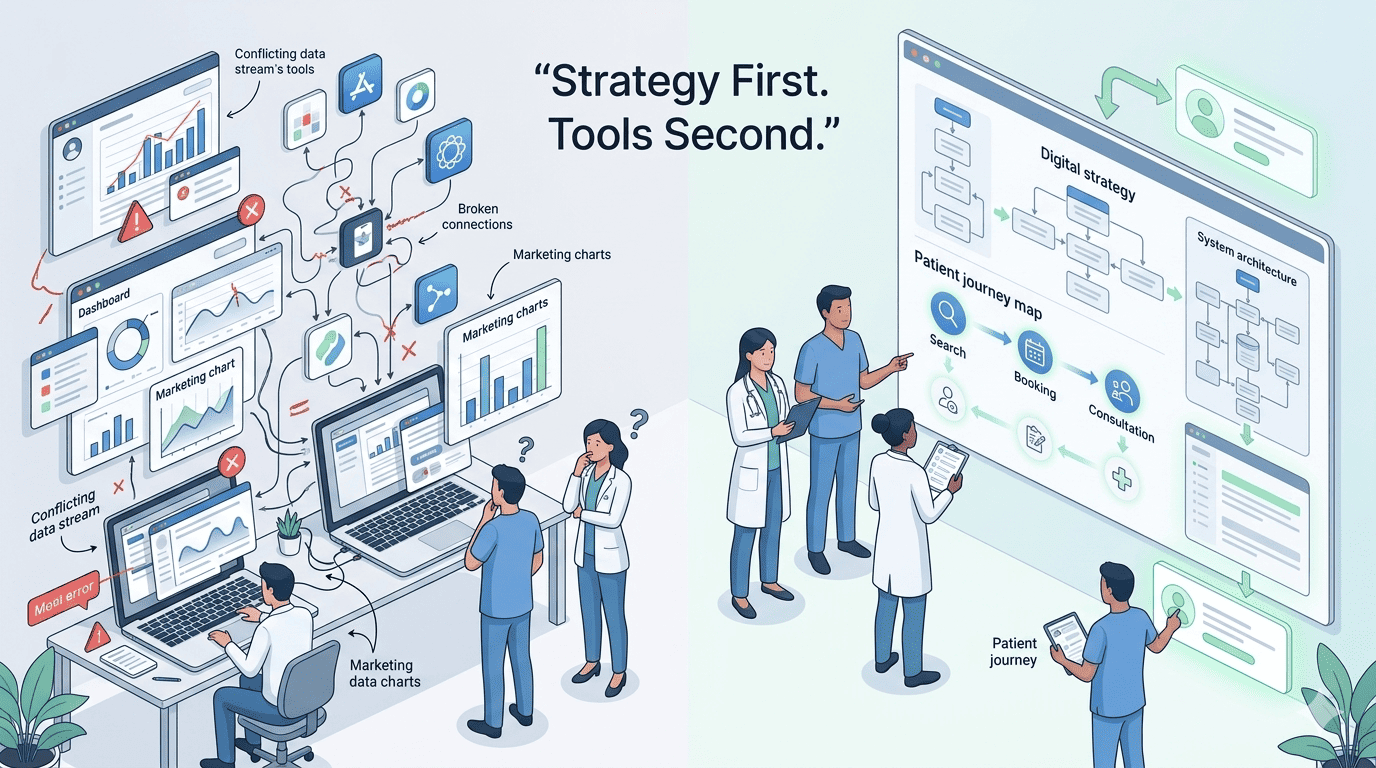
- Prioritize Interoperability: Ensure candidate tools support industry-standard data formats, such as Fast Healthcare Interoperability Resources (FHIR), to allow seamless integration into existing electronic health record workflows.
- Demand Clinical Trial Validation: Evaluate software tools based on published, peer-reviewed clinical studies rather than vendor marketing materials.
- Assess Workflow Burden: Choose technologies that summarize data into actionable clinical insights rather than overwhelming care teams with unstructured raw data feeds.
Frequently Asked Questions
What are digital health tools?
Digital health tools are hardware and software technologies used to monitor, treat, and manage health conditions. They include mobile health applications, wearable biosensors, remote patient monitoring devices, digital therapeutics, telehealth portals, and AI-driven clinical analytics software.
Why are continuous glucose monitors (CGMs) so widely discussed?
Continuous glucose monitors have gained significant attention because they transform diabetes management from painful, periodic finger-stick tests to continuous, real-time blood sugar tracking. Additionally, non-diabetic individuals and athletes increasingly use CGMs to analyze metabolic responses to food and exercise, broadening public interest.
What is the difference between a health app and a digital therapeutic?
A general health app typically provides wellness tracking, exercise logs, or meditation guides without regulatory oversight or clinical prescription requirements. A digital therapeutic (DTx) is a clinically proven, regulatory-cleared software program designed to treat specific medical conditions, often requiring a doctor's prescription.
Are digital health tools covered by health insurance?
Coverage varies by region, insurer, and specific device classification. Prescription digital therapeutics, physician-prescribed remote patient monitoring hardware, and telehealth visits are increasingly covered by commercial insurers and public programs like Medicare when specific clinical criteria and billing guidelines are met.
Can wearable devices diagnose heart conditions accurately?
Certain consumer wearables featuring ECG sensors have received regulatory clearance to detect specific irregular heart rhythms, such as atrial fibrillation. However, these devices are screening tools rather than comprehensive diagnostic instruments and usually require confirmation via a medical-grade 12-lead ECG administered by a physician.
Actionable Next Steps
To effectively select and implement digital health solutions, follow these practical steps based on your role:
- For Patients: Identify your primary health goal (such as managing hypertension or improving sleep quality). Select a tool that features explicit data privacy controls, and bring your initial biometric reports to your next clinical appointment to establish a baseline with your doctor.
- For Clinicians and Practices: Conduct an audit of your current patient population to identify cohorts that would benefit most from home monitoring. Pilot a remote patient monitoring (RPM) system integrated via FHIR protocols to streamline clinical workflows before expanding system-wide.
- For Technology Buyers and Administrators: Evaluate vendor security credentials, demanding SOC 2 Type II compliance and strict adherence to HIPAA guidelines. Prioritize platforms that provide automated risk-stratification dashboards to minimize alert fatigue among nursing and clinical staff.
Image Gallery