Life Insurance for Marijuana Smokers Explained
Securing life insurance as a marijuana consumer is entirely possible, but underwriting standards vary widely depending on the frequency of use, state legality, and the chosen insurance carrier. Many applicants assume cannabis consumpti...
Securing life insurance as a marijuana consumer is entirely possible, but underwriting standards vary widely depending on the frequency of use, state legality, and the chosen insurance carrier. Many applicants assume cannabis consumption automatically triggers a denial or extreme premium hikes, yet modern underwriting views occasional recreational use similarly to occasional alcohol consumption. Understanding how life insurance companies evaluate marijuana habits ensures applicants can secure affordable coverage without facing unexpected rate reclassifications.
Contents
Evolving Underwriting Standards for Cannabis Users
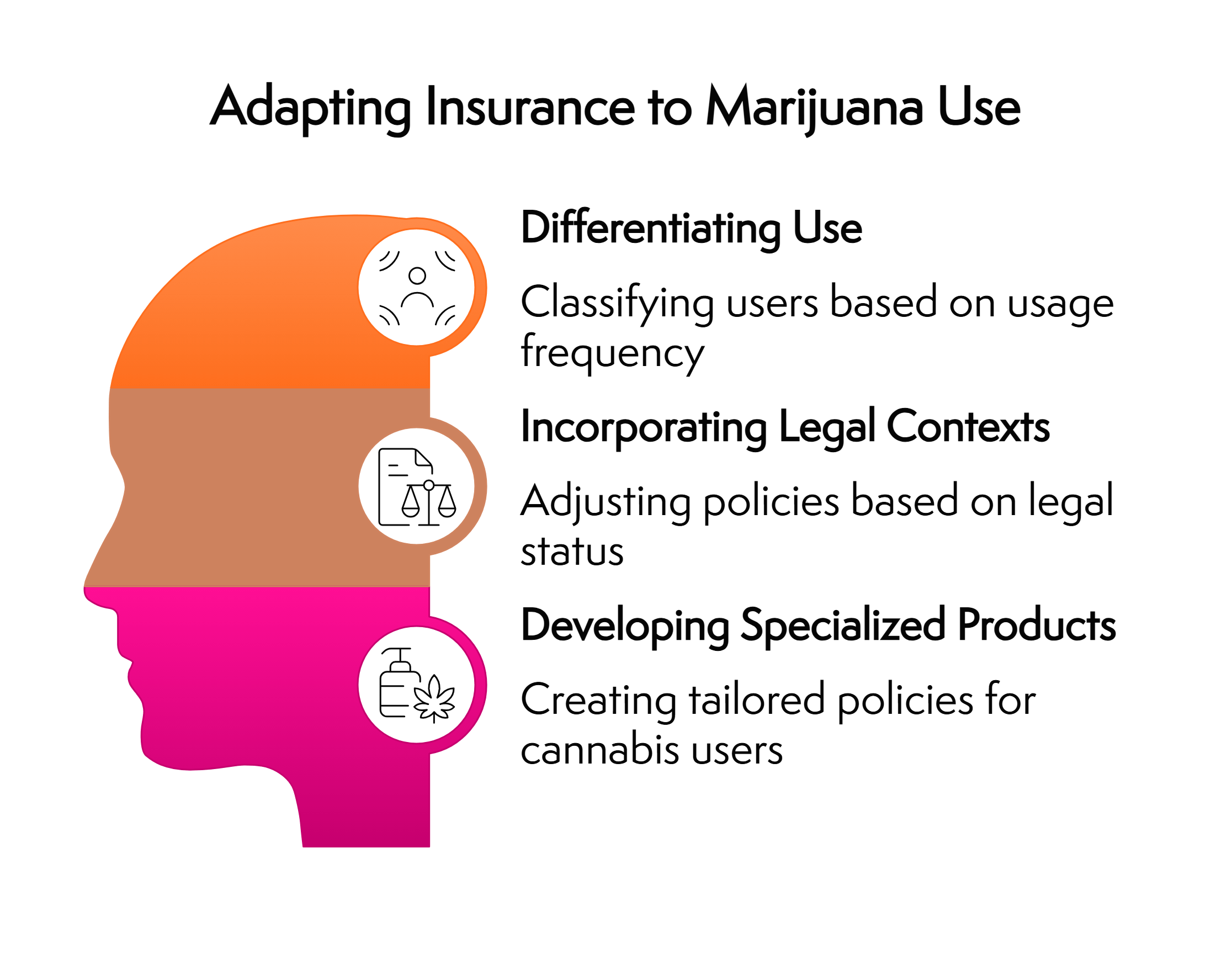
The life insurance industry has undergone a significant cultural and operational shift regarding cannabis consumption. Decades ago, any indication of drug use—including marijuana—placed an applicant straight into high-risk categories or resulted in outright policy rejections. Today, as legalization spreads across multiple states and medical marijuana gains institutional acceptance, insurers evaluate cannabis through a lens of risk mitigation rather than moral judgment.
Underwriters separate consumers into distinct categories based on consumption methods, frequency, and purpose. While cigarette smoking consistently triggers the highest tobacco-rated premiums due to well-documented carcinogenic risks, cannabis does not carry the same systemic penalty across the board. Insurers look closely at how the substance enters the body. Smoking or vaping any plant matter introduces combustion byproducts and tar into the lungs, which catches the attention of medical underwriters. Conversely, edibles, tinctures, and oils are viewed more favorably because they bypass pulmonary risks entirely.
Furthermore, life insurance companies distinguish between recreational enjoyment and medical necessity. If an applicant uses cannabis to manage a severe underlying condition—such as chronic pain, epilepsy, or multiple sclerosis—the underwriting focus shifts entirely to the primary medical condition. The marijuana use itself becomes secondary to how well-managed and stable the underlying illness is. Consequently, being honest on the application is paramount, as medical exams, prescription database checks, and blood tests will reveal tetrahydrocannabinol (THC) metabolites regardless of disclosure.
How Frequency of Use Impacts Your Rate Class
Frequency is the single most critical metric insurance carriers use to price policies for cannabis consumers. Life insurance rate classes range from "Preferred Plus" (the healthiest and least expensive) to various tiers of "Standard" and "Substandard" (higher risk and more expensive). Where a marijuana user lands on this spectrum depends almost entirely on how often they consume.
Occasional and Recreational Consumers
An occasional consumer—typically defined as someone who uses marijuana a few times a week or once a month—often qualifies for standard rates, and in some cases, even preferred rates depending on the carrier. If an applicant has clean blood work, a healthy body mass index (BMI), and no other adverse health factors, occasional use rarely disqualifies them from competitive pricing.
Frequent and Daily Consumers
Daily or heavy users face a different underwriting landscape. While many modern insurers allow daily recreational use without assigning tobacco rates, they may cap the maximum achievable rate class at "Standard" or "Standard Plus." This means daily users can still secure robust term or whole life policies, but they will not qualify for the absolute lowest promotional rates reserved for non-users.
The Medical Exception
Medical marijuana cardholders often experience favorable treatment if their consumption is tied to a well-documented, manageable condition. However, if the underlying condition is terminal, degenerative, or high-risk, the rate will reflect that primary diagnosis rather than the cannabis consumption. Underwriters review medical records to ensure that the condition does not shorten life expectancy or increase mortality risk significantly.
Table: Life Insurance Impact Based on Marijuana Habits
| Consumption Frequency | Primary Consumption Method | Typical Rate Class Achievable | Potential Underwriting Impact |
|---|---|---|---|
| Occasional (1-4 times per month) | Edibles / Vaporization | Standard to Preferred | Minimal impact; may qualify for standard rates if overall health is excellent. |
| Moderate (2-3 times per week) | Smoking / Vaping | Standard | Standard rates apply; tobacco rates avoided with most modern carriers. |
| Frequent / Daily | Smoking / Concentrates | Standard to Standard Plus | Rarely qualifies for Preferred; higher premiums due to pulmonary exposure. |
| Medical Daily | Oils / Capsules / Tinctures | Varies by primary condition | Evaluated based on the severity and management of the underlying medical condition. |
The Impact of Consumption Methods on Underwriting
The delivery mechanism of cannabis significantly influences underwriting outcomes. Life insurance companies view inhalation differently than ingestion because smoking anything introduces particulate matter into the respiratory system.
- Smoking and Vaping: Inhaling combusted plant material or heated oils can lead to chronic bronchitis or lung irritation. Underwriters treat frequent smoking as a moderate health risk, occasionally querying applicants about respiratory health history.
- Edibles, Tinctures, and Topicals: Non-smoking methods eliminate pulmonary risks entirely. Applicants who exclusively consume gummies, baked goods, or sublingual drops present a lower risk profile to medical underwriters, often helping them secure more favorable rate classes.
- Concentrates and Dabs: High-potency extracts can draw closer scrutiny. While the method itself is not an automatic disqualifier, underwriters may ask clarifying questions about overall lifestyle, mental health, and frequency of use to ensure high-potency use does not correlate with risky behaviors.
Tobacco vs. Marijuana: Understanding the Distinction
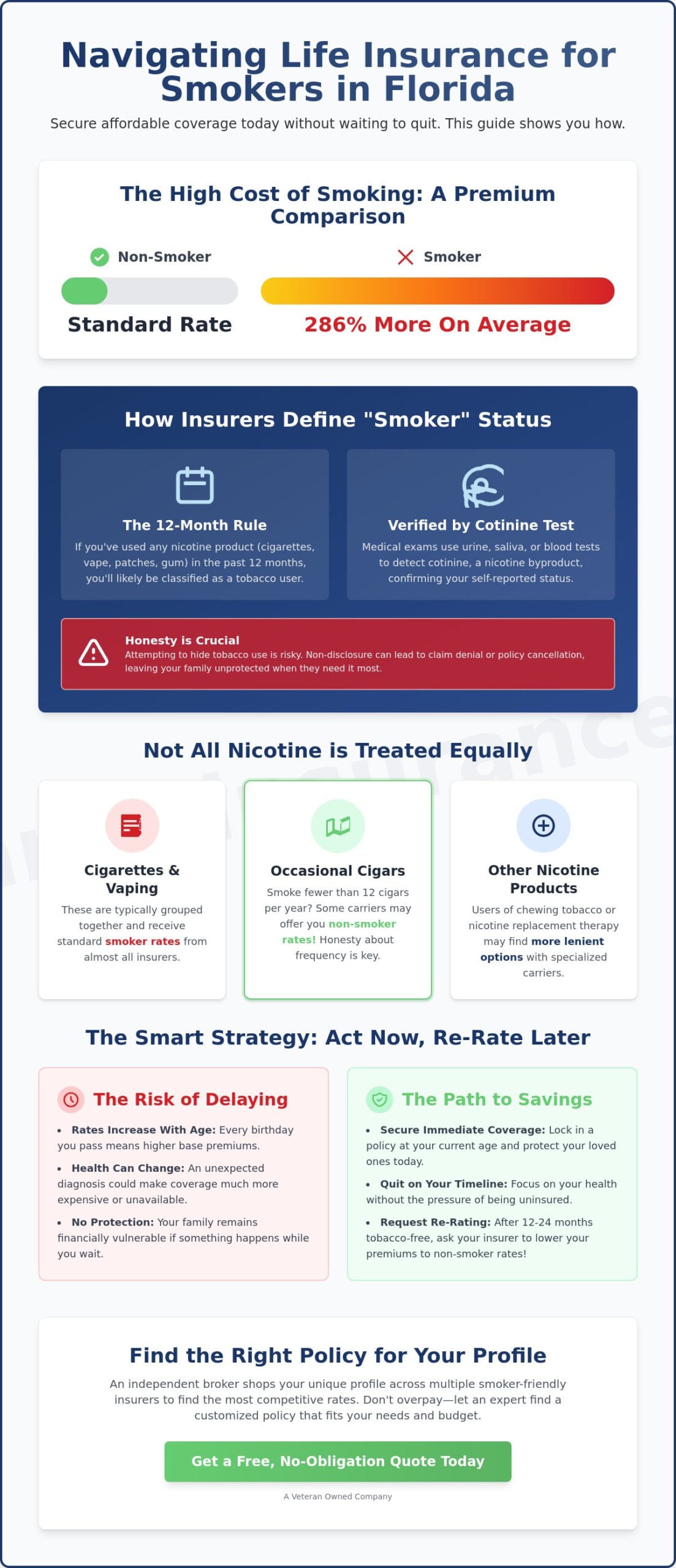
One of the most common misconceptions among cannabis consumers is that using marijuana automatically triggers expensive tobacco rates. Historically, many older insurance policies grouped all smoked substances together. Today, the vast majority of mainstream carriers distinguish clearly between nicotine and THC.
Tobacco use carries severe, scientifically validated mortality risks, including lung cancer, cardiovascular disease, and chronic obstructive pulmonary disease (COPD). Because tobacco smokers consume multiple cigarettes daily over decades, insurers apply heavy surcharges. Conversely, cannabis consumption patterns are typically less frequent, and the lifestyle surrounding cannabis often differs from cigarette smoking.
However, a crucial exception exists: blunts. If an applicant smokes marijuana rolled in tobacco leaves, insurance companies will test the urine for cotinine (a nicotine metabolite). A positive cotinine result classifies the applicant as a tobacco user, regardless of whether the plant inside the leaf was cannabis. Applicants seeking to avoid tobacco rates should stick to pipes, bongs, vaporizers, edibles, or joints rolled in non-tobacco paper.
Steps to Securing the Best Policy as a Cannabis User
Navigating the life insurance market requires strategic planning to ensure you secure maximum coverage at the lowest possible cost. Taking the right steps before submitting an application prevents surprises during medical underwriting.
- Be Completely Honest on the Application: Never hide marijuana use. Life insurance medical exams screen for THC metabolites in urine and blood. Misrepresenting your usage on an application constitutes material misrepresentation, which can lead to immediate policy denial or a future claim being contested.
- Shop Independent Insurance Brokers: Captive agents work for a single insurance company and must enforce that company’s specific, rigid guidelines. Independent brokers have access to dozens of different carriers and can match your exact consumption profile with the most cannabis-friendly insurance provider.
- Optimize Overall Health Factors: Since underwriters cannot always change their stance on daily usage, you can offset potential rate adjustments by optimizing factors within your control. Maintain a healthy blood pressure, manage cholesterol levels, keep a stable BMI, and avoid dangerous hobbies like skydiving or rock climbing.
- Choose Non-Combustible Methods: If you are planning to apply for life insurance in the near future, transitioning temporarily away from smoking flower toward edibles or oils can positively influence your medical underwriting profile.
Common Mistakes to Avoid
Applicants often make avoidable errors that increase their insurance premiums or derail their applications entirely.
- Assuming All Companies are Alike: Applying to a traditional, conservative carrier without researching their cannabis guidelines often leads to high quotes or unnecessary declinations. Always verify a carrier's stance on marijuana before applying.
- Failing the Nicotine Test via Blunts: Many consumers overlook the fact that smoking a blunt introduces tobacco into their system, triggering expensive tobacco rate classes.
- Waiting Too Long to Apply: Age is the primary driver of life insurance costs. Waiting to resolve minor consumption concerns while aging into a higher age bracket increases rates far more than moderate cannabis use ever will.
Frequently Asked Questions
Will my life insurance claim be denied if I use marijuana?
No, as long as you disclosed your marijuana use accurately on your original application. Life insurance companies cannot deny a death benefit based on a habit that was fully disclosed and underwritten when the policy was issued.
Do I need a medical marijuana card to get life insurance?
No. Most major life insurance carriers do not require a medical card for recreational users. They care about the frequency and method of consumption rather than the legal justification, provided you are purchasing coverage within a legal jurisdiction.
Can I lie about my marijuana use if it is legal in my state?
No. Even if cannabis is fully legal for recreational or medicinal use under state law, life insurance companies operate under private underwriting guidelines. Lying on an application constitutes fraud and can void your policy.
Will life insurance companies test me for THC?
Yes. Every standard life insurance medical exam includes a panel that tests for drugs of abuse, including THC, nicotine, and prescription medications. There is no way to bypass this screening if the policy requires a medical exam.
Can I switch to a better rate class if I quit smoking marijuana later?
Yes. If you successfully reduce your consumption or quit entirely, you can request a reconsideration or a rate re-evaluation from your insurance carrier after a specific waiting period, usually one to two years.
Conclusion
Life insurance for marijuana consumers requires transparency, preparation, and careful carrier selection. By working with an independent broker, disclosing usage honestly, and understanding how insurers evaluate frequency and consumption methods, you can lock in robust financial protection for your family without paying exorbitant rates. Review your personal consumption habits today and request quotes from cannabis-friendly insurers to secure the right policy for your household.
Image Gallery