Understanding the Chicago Tribune Delivery Issue: Causes and Resolution Strategies
The Chicago Tribune delivery issue refers to consistent service interruptions or delays in the physical home delivery of the newspaper, typically caused by logistical hurdles, staffing shortages in the distribution chain, or regional c...
The Chicago Tribune delivery issue refers to consistent service interruptions or delays in the physical home delivery of the newspaper, typically caused by logistical hurdles, staffing shortages in the distribution chain, or regional carrier consolidation. Readers experiencing these lapses can resolve the matter by updating their account status, verifying address information in the subscriber portal, or escalating the service complaint through official customer support channels.
Contents
The delivery of a legacy publication like the Chicago Tribune involves a complex supply chain that has undergone significant structural shifts over the past decade. When a subscriber experiences a missed edition, the cause is rarely singular; it is often the result of a "last-mile" logistics challenge where the synchronization between the printing facility and the individual carrier fails.
The Mechanics of Newspaper Logistics
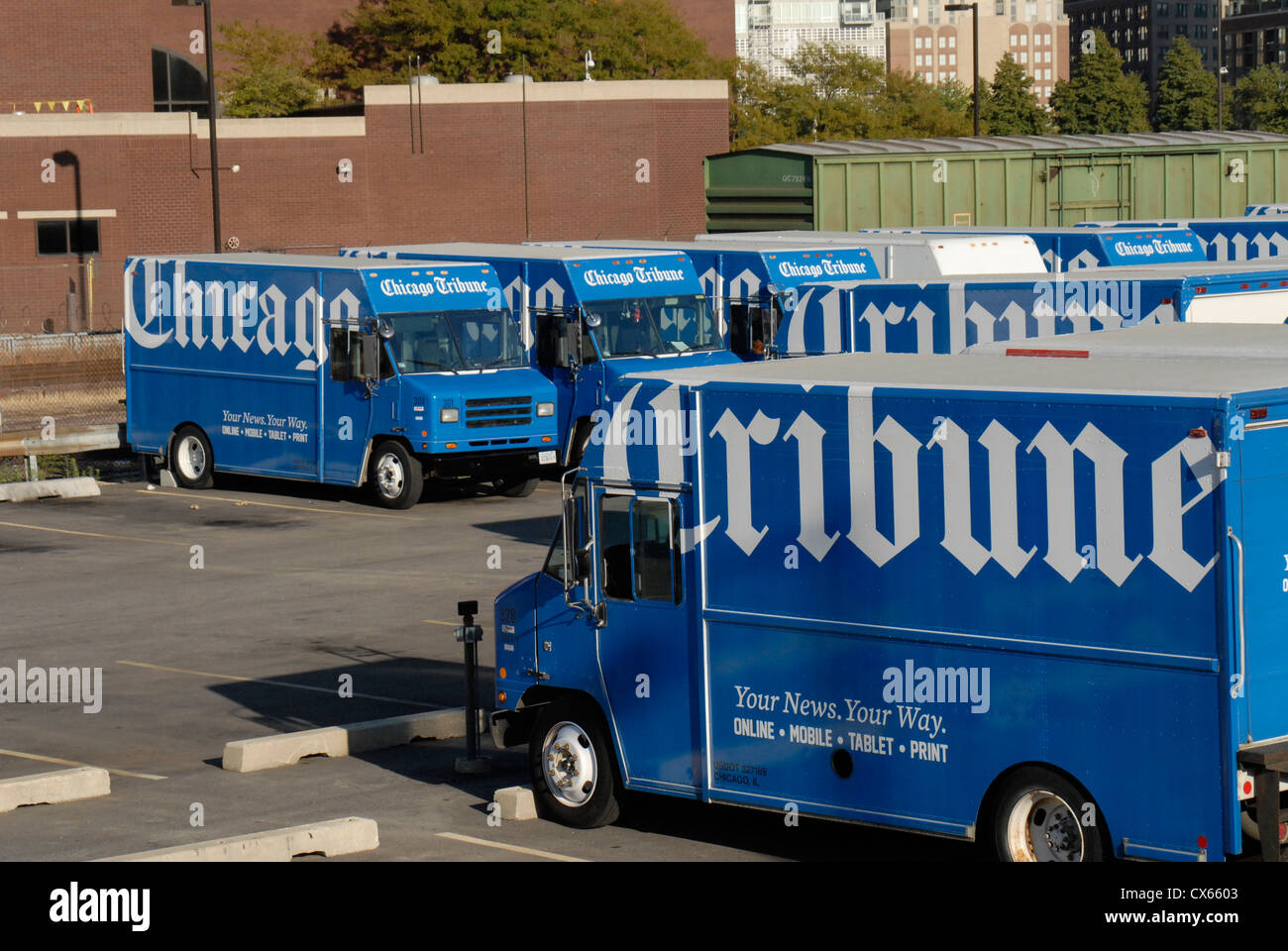
To understand why delivery issues occur, one must first understand how the newspaper reaches your doorstep. The process begins at the printing plant, where the edition is processed, bundled, and routed based on zip codes. These bundles are then transferred to regional distribution centers. From there, independent contractors—not employees of the Chicago Tribune—collect the newspapers and execute the delivery routes during the early morning hours.
A breakdown in this sequence can occur at any junction. For instance, mechanical failures at the printing facility can delay the entire bundle dispatch. Similarly, if a regional distribution center is short-staffed or if a specific route lacks a contracted driver, newspapers may remain in the warehouse despite being printed on time. Because these carriers operate as independent entities, a localized staffing gap can result in a "no-show" delivery for an entire neighborhood, which is often the source of widespread frustration among local subscribers.
Common Causes of Delivery Failures
Identifying the root cause of a delivery failure is the first step toward rectifying the situation. While some issues are external—such as severe weather conditions, road closures, or restricted access to gated communities—many are operational.
- Carrier Turnover: The newspaper delivery industry frequently relies on independent contractors. High turnover rates in this sector can lead to situations where a route is unassigned or assigned to a new carrier who is unfamiliar with the specific geographic nuances of the delivery area.
- Logistical Routing Errors: Changes in distribution software or database updates can occasionally misroute a bundle. If your address was improperly entered during a system migration, your subscription may be "active" in the billing system but "inactive" or "missing" in the carrier’s manifest.
- Environmental Factors: In the Chicago area, winter weather is a significant contributor to delivery inconsistencies. Heavy snowfall can delay regional transport trucks, causing them to arrive at distribution centers past the cutoff time for carriers to begin their routes.
- Infrastructure Accessibility: Security gates, broken building buzzers, or restricted access to apartment complexes are common technical impediments. If a carrier cannot gain access to a porch or mailroom, they are often instructed not to leave the paper, resulting in a delivery failure.
Comparing Resolution Pathways for Subscribers
Subscribers often have multiple avenues to report a missed delivery. Choosing the right method depends on the urgency of the situation and whether the issue is a one-time occurrence or a chronic service failure.
| Method | Best For | Typical Response Time |
|---|---|---|
| Subscriber Portal | Reporting a single missed paper | 24–48 hours |
| Customer Service Phone Line | Persistent, ongoing delivery issues | Immediate (via agent) |
| Live Chat Support | Real-time troubleshooting/account status | Immediate (via bot/agent) |
| Email Correspondence | Detailed documentation of service history | 3–5 business days |
How to Resolve Delivery Issues Effectively
If you find yourself frequently missing your Chicago Tribune delivery, follow a systematic approach to ensure the issue is documented and addressed at the management level rather than just the carrier level.
1. Audit Your Account Information
Begin by logging into the Chicago Tribune subscriber portal. Verify that your delivery address is formatted correctly, including apartment numbers, building codes, and any specific delivery instructions (e.g., "leave at front desk" or "do not leave in rain"). Even a small error in the address field can cause automated sorting systems to fail.
2. Utilize the "Report a Missing Paper" Feature
Most subscriber accounts include a self-service tool specifically for reporting a missed delivery. Utilizing this feature serves two purposes: it alerts the circulation department to the specific failure, and it triggers a credit or extension to your subscription term. Documentation is critical if you seek a refund or a service adjustment later.
3. Escalate to Circulation Management
If the issue persists for more than three consecutive days, bypass the standard reporting tool and contact the customer support department directly. Ask to speak with a circulation manager. By framing your request as a "service reliability issue," you are more likely to have your route specifically audited by the regional distributor.
4. Consider Digital Alternatives
In cases where physical infrastructure, such as rural access or high-rise building policies, prevents reliable delivery, many subscribers elect to switch to the digital-only edition. This eliminates the uncertainty of physical logistics and provides immediate access to the daily paper via the mobile app or website, usually at a lower cost than the print-inclusive subscription.
Troubleshooting Persistent Delivery Lapses
If you have verified your address and reported the issue repeatedly without success, the problem may be structural to your specific route. In these instances, ask the customer service representative if there is a known "delivery constraint" for your area. Sometimes, carriers struggle with specific types of housing, such as multi-family units with complex entry requirements. Providing a gate code or a specific secure location for the paper can often resolve the "unreachable" status that prevents delivery.
Furthermore, keep a record of the dates on which your paper was missing. If you contact support, having a documented list—e.g., "Papers missed on Jan 12, Jan 15, and Jan 17"—allows the representative to see the pattern of failure. This data is far more effective than general complaints and can assist the company in identifying which part of their distribution chain is failing.
Frequently Asked Questions
Why does my Chicago Tribune delivery arrive so late in the morning? Delivery times can vary based on the carrier's route load and staffing. Because carriers often manage multiple newspaper routes simultaneously to make their efforts profitable, they must balance the timing of several publications. Late arrivals are usually a sign of a high-volume route or a recent change in the driver's schedule.
Can I get a refund for missed papers? Yes. Generally, the Chicago Tribune will provide a credit to your account for missed delivery dates. You must report the missing paper through their portal or customer service line to trigger this credit; it is not applied automatically.
Will switching to digital solve my delivery problems? Switching to digital provides 100% reliability, as the content is delivered via cloud-based platforms rather than physical carriers. If your primary goal is reading the news without the logistical friction of a paper copy, digital is the most efficient solution.
Who is responsible for the final delivery of the paper? The Chicago Tribune partners with third-party, independent contractors to handle the "last mile" of delivery. While the Tribune manages the printing and dispatching, the physical arrival is handled by these contracted entities.
How do I update my delivery instructions? You can update your delivery instructions by logging into the "Manage My Subscription" section of the Chicago Tribune website. Look for the "Delivery Instructions" or "Add Notes for Carrier" field. Be brief and specific to ensure the carrier can quickly read and follow the note during their early morning rounds.
Next Steps for Subscribers
If you are currently experiencing delivery issues, take a moment today to update your delivery preferences in the online portal. Ensure your instructions are as clear as possible, and use the automated "Report a Missing Paper" feature for every individual instance of a missed delivery. If you have not seen a consistent delivery pattern for over a week, call the customer service department to request a route check. Consistently documenting these issues is the only way to ensure the circulation department can identify and fix systemic weaknesses in your local distribution chain.
Image Gallery