Understanding PIR Detection: How Passive Infrared Technology Works
PIR detection, or Passive Infrared detection, is a technology used to sense motion by measuring changes in the infrared radiation emitted by objects within its field of view. Unlike active sensors that emit energy, PIR sensors are "pas...
PIR detection, or Passive Infrared detection, is a technology used to sense motion by measuring changes in the infrared radiation emitted by objects within its field of view. Unlike active sensors that emit energy, PIR sensors are "passive" because they only detect heat signatures, making them highly energy-efficient and effective for security, lighting, and automated systems.
Contents
The Core Science of Passive Infrared Detection
To understand PIR detection, one must first understand that every object with a temperature above absolute zero emits thermal energy in the form of radiation. For humans and animals, this radiation occurs at infrared wavelengths that are invisible to the naked eye but detectable by specialized electronic components.
The "passive" in PIR is the defining characteristic. These sensors do not radiate a beam of light or ultrasonic waves to see if they bounce back. Instead, they act as sensitive thermometers that monitor the "heat map" of a specific area. When a person or a large animal moves across the sensor's field of view, the sensor detects a rapid change in infrared energy. This change is converted into an electrical signal, which can then trigger an alarm, turn on a light, or open a door.
The Pyroelectric Sensor
At the heart of every PIR detector is a pyroelectric sensor. This is a solid-state device, typically made of a crystalline material like lithium tantalate, which generates an electrical charge when exposed to heat (infrared radiation).
The sensor is usually housed in a hermetically sealed metal can to protect it from humidity and noise. Inside this housing, the sensor is often split into two halves or "slots." When the environment is static, both halves receive the same amount of infrared radiation from the walls or floor, resulting in a net zero signal. However, when a warm body passes by, it first intercepts one half of the sensor and then the other. This creates a positive differential change and then a negative differential change, which the device interprets as valid motion.
The Role of the Fresnel Lens
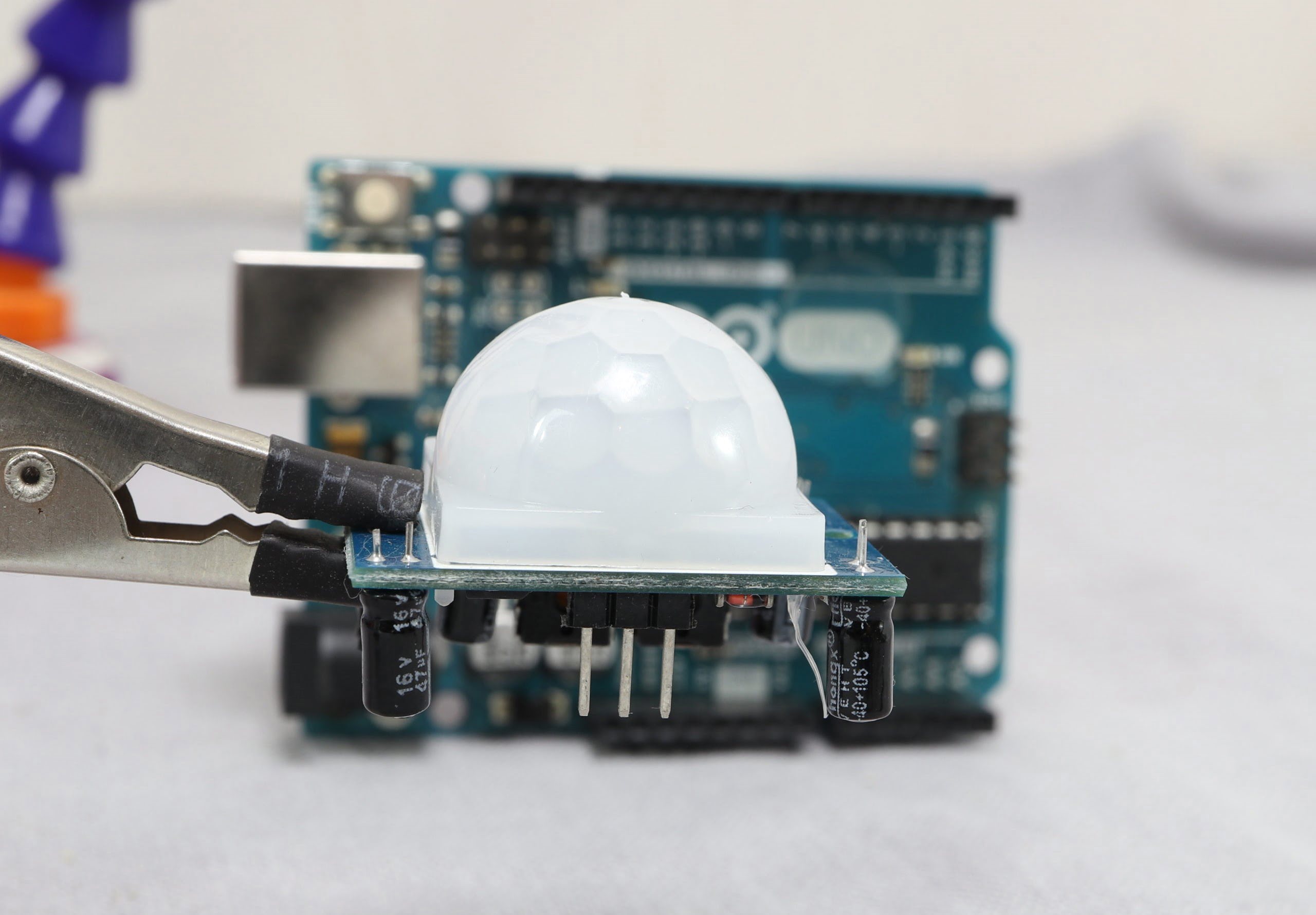
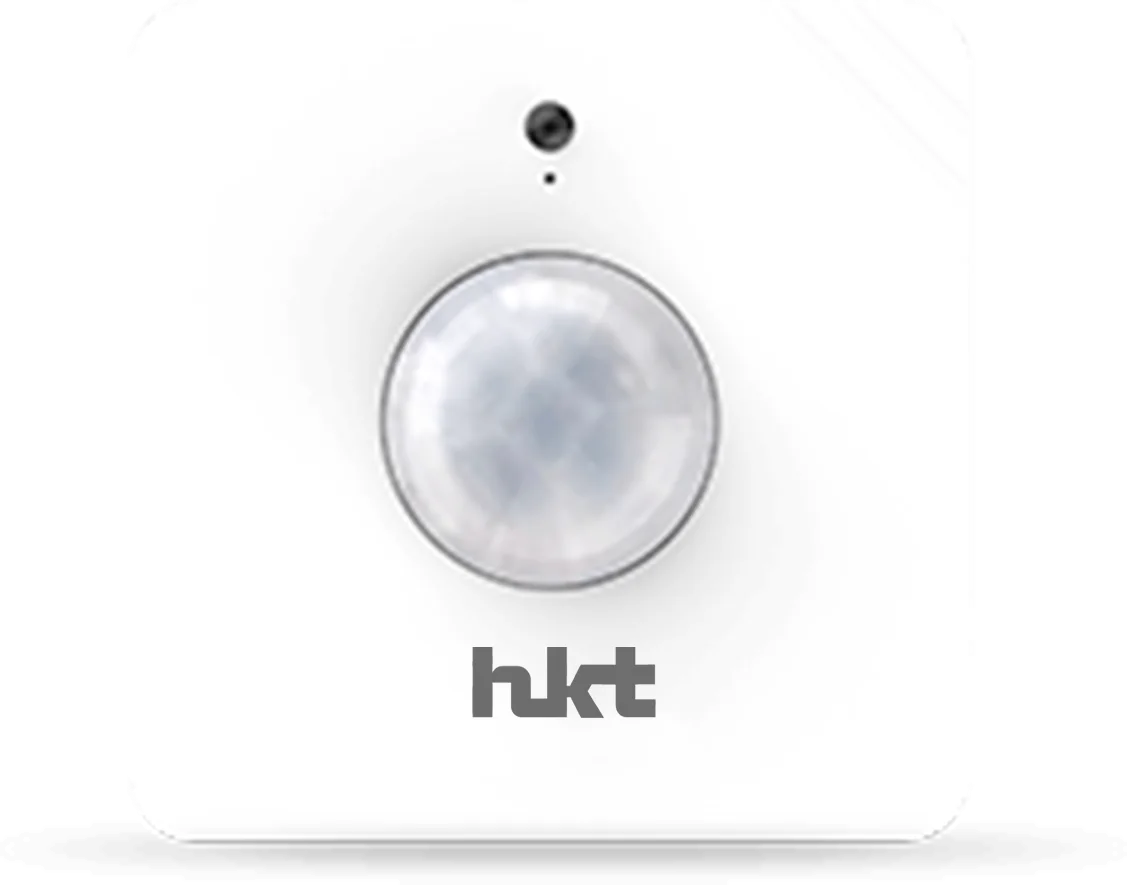
If you look at a PIR motion detector, you will notice a plastic cover with a multifaceted, "honeycomb" appearance. This is the Fresnel lens. Without this lens, the pyroelectric sensor would have a very narrow and impractical field of vision.
The Fresnel lens serves two primary purposes:
- Condensing: It collects infrared radiation from a wide area and focuses it onto the tiny pyroelectric sensor.
- Zoning: It divides the surrounding space into several "sectors" or "zones." As a person moves, they step from one zone into another. This "stepping" creates the rapid pulse of infrared energy required to trigger the sensor. Without the lens's ability to create these alternating zones of sensitivity and blindness, a person moving slowly might not generate a significant enough change in heat to be detected.
Technical Specifications and Performance Metrics
When evaluating PIR detection systems in 2026, several technical metrics determine the reliability and suitability of a device for a specific environment.
- Field of View (FOV): Usually measured in degrees, this indicates the horizontal and vertical spread of the sensor's "vision." A typical wall-mounted sensor might have a 90° to 110° FOV, while ceiling-mounted units often provide a full 360°.
- Detection Range: The maximum distance at which the sensor can reliably detect a human-sized heat source. For standard indoor residential units, this is typically 30 to 40 feet (9 to 12 meters).
- Sensitivity/Pulse Count: This setting determines how much "motion" is required to trigger an output. A "pulse count" of 2 means the sensor must detect two distinct crossings of its internal zones before signaling an alarm, which helps filter out false positives from small pets or environmental shifts.
- Pet Immunity: Advanced PIR detectors can distinguish between the heat signature and mass of a human versus a small animal. This is achieved by ignoring signals generated in the lower zones of the lens or by requiring a larger "heat mass" to trigger the sensor.
PIR vs. Alternative Motion Detection Technologies
While PIR is the most common form of motion detection due to its low cost and efficiency, it is not the only technology available. Understanding the differences is crucial for selecting the right hardware for a specific application.
| Feature | PIR (Passive Infrared) | Microwave (MW) | Dual-Technology (PIR + MW) |
|---|---|---|---|
| Detection Method | Senses heat signatures (Passive) | Emits pulses and measures reflections (Active) | Uses both heat sensing and microwave pulses |
| Power Consumption | Very Low | Moderate to High | Moderate |
| Through-Wall Sensing | No (Blocked by glass/walls) | Yes (Can see through partitions) | No (Requires both to trigger) |
| Common False Triggers | Sunlight, HVAC, heaters | Vibrations, moving water in pipes | Very Rare (Highest reliability) |
| Best Use Case | Indoor security, smart lighting | Large warehouses, outdoor areas | High-security environments |
| Cost | Low | Moderate | High |
The Rise of Dual-Technology
In 2026, high-end security installations increasingly favor dual-technology sensors. These units combine a PIR sensor with a Microwave sensor. To trigger an alarm, both sensors must detect motion simultaneously. This virtually eliminates false alarms caused by a PIR sensor reacting to a sudden gust of warm air from a furnace or a microwave sensor reacting to a vibrating wall.
Implementation and Placement Prerequisites
The effectiveness of PIR detection is heavily dependent on correct installation. Because PIR sensors detect the movement of heat across their zones, their placement is strategic.
- Crossing Paths: PIR sensors are most sensitive when a person moves across the field of view, rather than directly toward or away from the sensor. For this reason, sensors should be placed where an intruder is likely to walk perpendicular to the device.
- Environmental Stability: Since the sensor is looking for infrared changes, it should never be pointed at a heat source. Avoid facing sensors toward fireplaces, radiators, or windows where direct sunlight can strike the lens. Sudden temperature spikes can easily mimic a human heat signature.
- Mounting Height: Most manufacturers specify an optimal mounting height (usually between 7 and 8 feet). Mounting a sensor too high creates "dead zones" directly beneath the unit, while mounting it too low limits its range and may cause pets to trigger the alarm.
- Obstruction Awareness: Infrared radiation does not pass through solid objects, including glass. A PIR sensor placed behind a window will not detect motion on the other side of the glass; it will effectively be "blinded" by the window's own surface temperature.
Common Challenges and Troubleshooting
Despite the maturity of the technology, PIR detection can suffer from specific operational hurdles. Understanding these can help in maintaining a reliable system.
False Alarms from Air Movement
While the sensor detects heat, rapid changes in air temperature can cause the pyroelectric material to react. If a PIR sensor is located directly above an HVAC vent, the sudden influx of hot or cold air when the system kicks on can trigger a "motion" event.
"White Light" Interference
Although PIR sensors are designed to filter out visible light, extremely bright flashes (such as car headlights reflecting off a surface or a direct camera flash) can occasionally saturate the sensor and cause a false trigger. Modern sensors use high-quality optical filters to mitigate this.
Detection Failure (Dead Zones)
Over time, dust or insects can accumulate on the Fresnel lens. Because the lens is responsible for focusing the IR energy, a dirty lens can significantly reduce the detection range or create "blind spots" in the coverage area. Regular cleaning with a soft, dry cloth is recommended.
Future Outlook: PIR Detection in 2026 and Beyond
As of 2026, PIR technology has integrated more deeply with Artificial Intelligence and Edge Computing. "Smart" PIR sensors no longer just signal "on" or "off." Instead, they can provide basic data on the magnitude of the heat signature, allowing smart home hubs to distinguish between a human walking and a robot vacuum cleaner operating.
Furthermore, energy harvesting has improved to the point where many wireless PIR sensors can operate for 5–10 years on a single battery, or even function indefinitely using ambient indoor light. The integration of PIR with Matter and Thread protocols has also made these sensors standard components in automated energy management systems, where they do more than just provide security—they actively manage HVAC and lighting loads to reduce carbon footprints in commercial buildings.
Frequently Asked Questions
Can PIR sensors see through glass?
No, PIR sensors cannot see through glass. Glass is opaque to the long-wave infrared radiation that the human body emits. A PIR sensor pointed at a window will only detect the temperature of the glass surface itself or motion occurring inside the room.
Do PIR sensors work in total darkness?
Yes. Because PIR sensors do not rely on visible light, they work perfectly in complete darkness. They only require a temperature difference between the moving object and the background environment to function.
What is the difference between "Motion" and "Presence" detection?
Standard PIR sensors are "motion" detectors; they require a person to move across zones to trigger. "Presence" detectors are much more sensitive and can detect very small movements, such as a person typing at a desk or breathing, often by using higher-resolution lenses and more sensitive processing algorithms.
Why does my PIR sensor take a minute to work after being turned on?
PIR sensors require a "warm-up" period, usually ranging from 30 to 60 seconds. During this time, the pyroelectric sensor is stabilizing its internal temperature and "learning" the ambient heat signature of the room.
Are PIR sensors harmful to health?
No. PIR sensors are entirely passive. They do not emit any radiation, waves, or signals into the environment. They act only as receivers of the infrared energy that is already naturally present.
Final Recommendation
For those looking to implement PIR detection, whether for home security or automated lighting, the key to success lies in placement and quality. If you are securing a high-value area or an environment with significant temperature fluctuations, invest in dual-technology (PIR + Microwave) sensors to minimize false alarms. For standard indoor use, ensure the sensor is mounted at the manufacturer's recommended height and away from direct thermal interference like sunlight or air vents. Regular maintenance, such as checking for lens obstructions and testing the "walk-test" mode annually, will ensure the system remains reliable for years to come.
Image Gallery