How to Choose Wisconsin Online Auto Insurance in 2026
To choose Wisconsin online auto insurance in 2026, you must first identify your specific coverage needs beyond the state-mandated $25,000/$50,000/$10,000 minimums. Utilize digital comparison platforms to aggregate quotes from at least...
To choose Wisconsin online auto insurance in 2026, you must first identify your specific coverage needs beyond the state-mandated $25,000/$50,000/$10,000 minimums. Utilize digital comparison platforms to aggregate quotes from at least three different carriers, ensuring you include local giants like American Family alongside national digital-first providers. Prioritize companies with high A.M. Best financial ratings and specialized Wisconsin-centric add-ons, such as enhanced comprehensive coverage for deer-vehicle collisions.
Contents
Choosing the right car insurance in the Badger State has evolved significantly by 2026. While the fundamental legal requirements remain a cornerstone of your decision-making process, the integration of artificial intelligence in claims processing and the ubiquity of usage-based insurance (UBI) have transformed how Wisconsin drivers interact with online portals. Navigating this landscape requires a blend of legal knowledge, technical savvy, and an understanding of the unique geographical risks associated with driving in the Midwest.
Understanding Wisconsin’s Legal Minimums and Requirements
Before you click "purchase" on an online policy, you must understand the legal baseline. Wisconsin operates under a tort (fault-based) system, meaning the driver found responsible for an accident is liable for the damages. Consequently, the state requires all drivers to carry a minimum amount of liability insurance to ensure they can cover costs incurred by other parties.
As of 2026, the statutory minimums under Wisconsin law (Wis. Stat. § 632.32) remain:
- $25,000 for bodily injury or death of one person.
- $50,000 for bodily injury or death of two or more people.
- $10,000 for property damage.
Additionally, Wisconsin is one of the states that mandates Uninsured Motorist (UM) coverage. This protects you if you are hit by a driver who has no insurance. The minimum required for UM coverage is $25,000 per person and $50,000 per accident for bodily injury. While these are the legal minimums, online shoppers are often cautioned that these amounts are frequently insufficient for modern medical costs and vehicle repair prices. Choosing a policy online gives you the flexibility to toggle these limits upward, often to $100,000/$300,000, which provides a significantly more robust safety net for a relatively small increase in monthly premiums.
Evaluating Online Insurance Platforms in 2026
The shift toward "digital-first" insurance means that most Wisconsin drivers now manage their entire policy lifecycle via mobile apps or web portals. When choosing an online provider, the quality of the digital interface is just as important as the premium price. A high-quality online insurer in 2026 should provide:
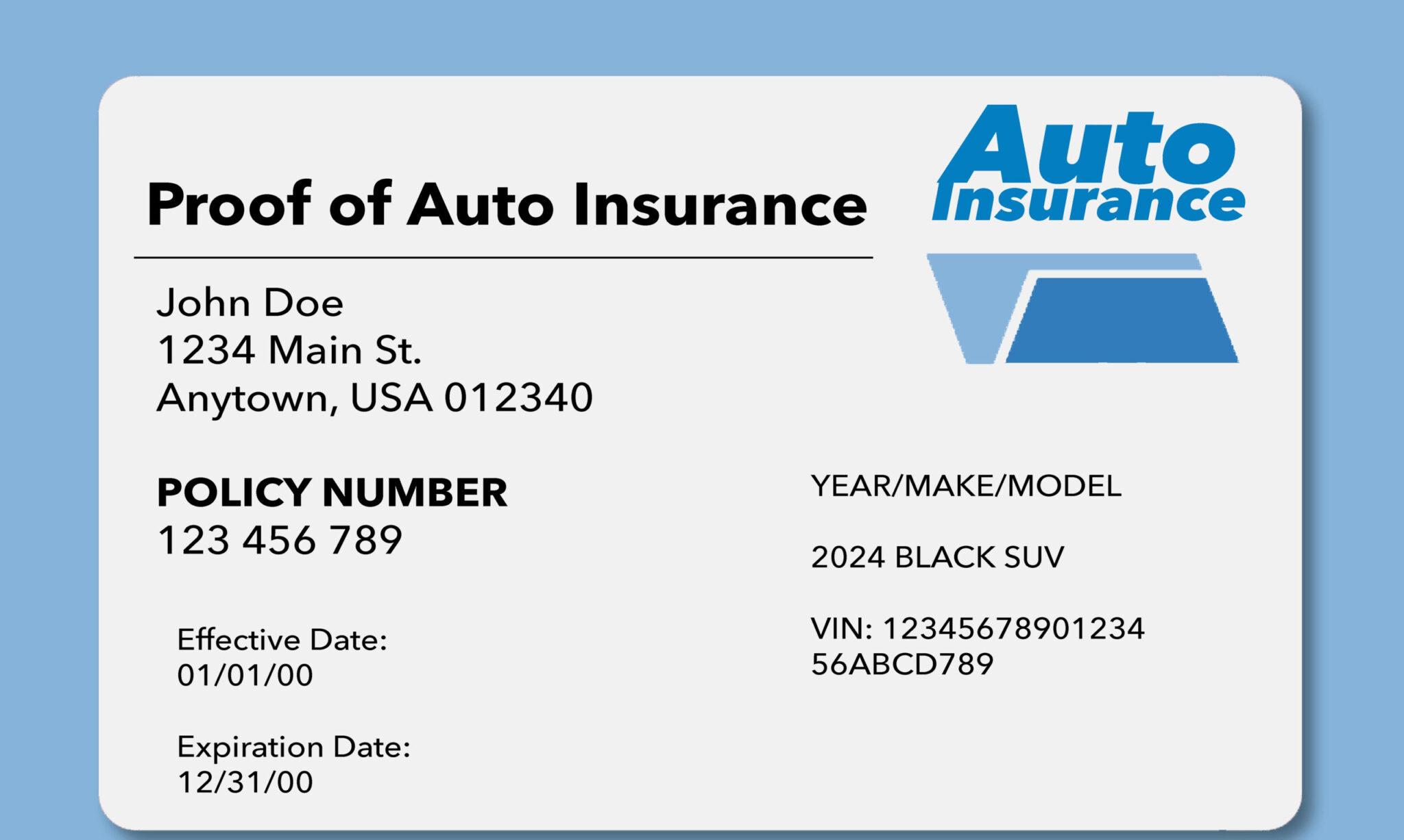
Instant ID Card Access and Digital Filing
Wisconsin law allows drivers to show proof of insurance on an electronic device. Your chosen carrier must have a stable mobile app that functions offline, ensuring you can provide documentation to law enforcement even in rural areas of Northern Wisconsin where cellular service may be intermittent.
AI-Driven Claims Processing
Top-tier online insurers now use photo-recognition AI to estimate vehicle damage instantly. When comparing companies, look for those that allow you to upload photos of a fender-bender and receive a preliminary repair estimate within minutes. This reduces the time your vehicle spends in the shop and speeds up the payout process.
Integrated SR-22 Services
If you have a history of driving infractions, such as an OWI (Operating While Intoxicated), you may be required to file an SR-22 certificate with the Wisconsin Department of Transportation. Choosing an online insurer that can electronically file this document instantly with the Wisconsin DOT is crucial for maintaining your driving privileges without administrative delays.
Comparing Coverage Beyond the Basics
Wisconsin’s climate and geography introduce specific risks that "bare-bones" policies often overlook. When selecting options in an online quote tool, pay close attention to these three areas:
Comprehensive Coverage for Deer Collisions
Wisconsin consistently ranks among the top states for deer-vehicle collisions, especially during the autumn rutting season. While liability insurance covers the other person, it does not cover your car if you hit a deer. You must select Comprehensive Coverage to protect against this risk. Many online insurers in Wisconsin now offer "Wildlife Protection" riders with lower deductibles specifically for animal-related incidents.
Winter Roadside Assistance
Given the severity of Wisconsin winters, standard roadside assistance may not be enough. When choosing a policy online, verify if the "Emergency Roadside Service" includes winching (to pull your car out of a snowbank) and long-distance towing. In rural counties, a 10-mile tow limit is often insufficient to reach a qualified mechanic.
Underinsured Motorist (UIM) Coverage
While Uninsured Motorist coverage is mandatory, Underinsured Motorist coverage is often optional or available as an "add-on" in online portals. This coverage kicks in if the at-fault driver has insurance, but their limits are too low to cover your total medical bills. Given that many drivers only carry the state minimum of $25,000, UIM is a highly recommended addition for anyone commuting in high-traffic areas like Milwaukee or Madison.
The Role of Telematics and Usage-Based Insurance (UBI)
By 2026, the most effective way to secure a competitive rate on Wisconsin online auto insurance is through telematics. This involves using a mobile app or a plug-in device to track your driving habits, such as braking patterns, speed, and the time of day you drive.
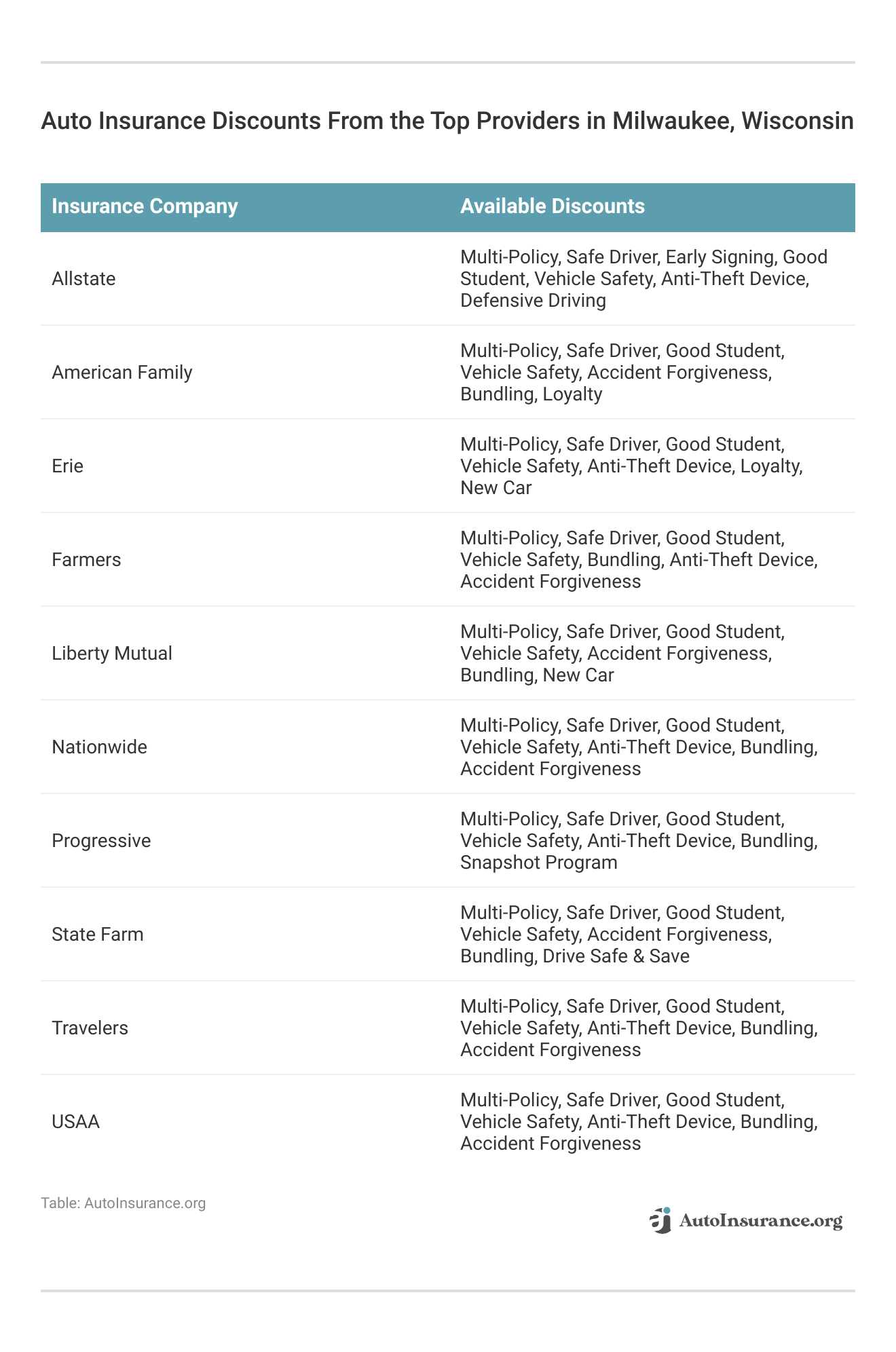
In the Wisconsin market, UBI is particularly beneficial for safe drivers who avoid late-night travel on icy roads. Carriers like Progressive (with Snapshot) and State Farm (with Drive Safe & Save) have refined these programs. When choosing, consider whether you prefer a "pay-how-you-drive" model (which monitors behavior) or a "pay-per-mile" model. The latter is often the best choice for residents in urban centers who utilize the Milwaukee County Transit System or the Madison Metro for their daily commutes.
Comparison of Leading Online Auto Insurers in Wisconsin (2026)
| Provider | Digital Strength | Best For... | Key Wisconsin Feature |
|---|---|---|---|
| American Family | High (Top-rated App) | Localized Support | Deep roots in WI; excellent claims network. |
| Progressive | Very High (AI Claims) | Price Shoppers | Robust "Name Your Price" tool and telematics. |
| State Farm | High (Hybrid Model) | Multi-policy Users | High bundling discounts with home/renters. |
| GEICO | Exceptional (UI/UX) | Tech-Savvy Drivers | Fastest online quote-to-bind timeline. |
| Erie Insurance | Moderate | Value & Service | "Rate Lock" feature (available in select WI zones). |
How to Verify an Insurer’s Credibility
Never choose an online insurer based on price alone. Before finalizing your policy, perform a "credibility check" using these three steps:
- Check the OCI Website: The Wisconsin Office of the Commissioner of Insurance (OCI) provides a "Consumer Complaint Ratio" for every company licensed to sell insurance in the state. A low ratio indicates that the company handles claims and customer service issues effectively.
- Verify Financial Strength: Use A.M. Best or Standard & Poor’s to check the financial rating of the carrier. You want a company with an "A" rating or higher to ensure they have the capital to pay out large claims following major weather events or multi-car accidents.
- Read Recent Wisconsin-Specific Reviews: Search for reviews specifically from Wisconsin policyholders. A company might have a great national reputation but a poor network of preferred repair shops in the Fox Valley or the Driftless Area.
Common Mistakes to Avoid When Buying Online
Buying insurance online is convenient, but it lacks the "safety net" of a local agent pointing out errors. Avoid these common pitfalls:
- Underestimating Mileage: If you tell the online system you drive 5,000 miles a year when you actually drive 15,000, your claim could be denied for "material misrepresentation."
- Ignoring the Deductible: A $1,000 deductible makes your monthly premium cheaper, but can you afford to pay $1,000 out-of-pocket if you slide into a ditch in January? Ensure your deductible aligns with your emergency fund.
- Forgetting Disclosures: Ensure all licensed drivers in your household are listed on the policy. In Wisconsin, "permissive use" rules vary by carrier, and failing to list a teenage driver or a spouse can lead to a total denial of coverage after an accident.
FAQ: Wisconsin Online Auto Insurance
Is online auto insurance cheaper than going through a Wisconsin agent?
Generally, yes. Online insurers often have lower overhead costs and offer "web-only" discounts. However, by 2026, many traditional agencies have also moved their systems online, blurring the price gap. The main advantage of online insurance is the ability to compare multiple carriers instantly without sales pressure.
Can I get Wisconsin auto insurance online if I have an out-of-state license?
You can typically start the quote process with an out-of-state license, but you are generally required to update your license to Wisconsin within 60 days of moving to the state. Your online insurer will eventually require your WI driver’s license number to finalize your long-term rate.
Does Wisconsin online insurance cover me when I drive into Illinois or Minnesota?
Yes. Any standard Wisconsin auto insurance policy provides coverage throughout the United States and Canada. If you are involved in an accident in a state with higher minimum requirements (like Minnesota’s "no-fault" system), your policy will typically "step up" its limits automatically to meet that state’s legal minimums.
How do I cancel my old policy after buying a new one online?
Once you have received your new policy number and digital ID cards, you should notify your previous insurer immediately. Most Wisconsin carriers allow you to cancel online or via email. Ensure there is no gap in coverage; the new policy should start at 12:01 AM on the day the old one expires.
Are there specific discounts for Wisconsin students online?
Yes. Most online portals in Wisconsin offer a "Good Student Discount" for high school and university students (such as those at UW-Madison or Marquette) who maintain a "B" average or higher. You will likely need to upload a digital copy of the most recent transcript as proof.
Final Recommendations for Wisconsin Drivers
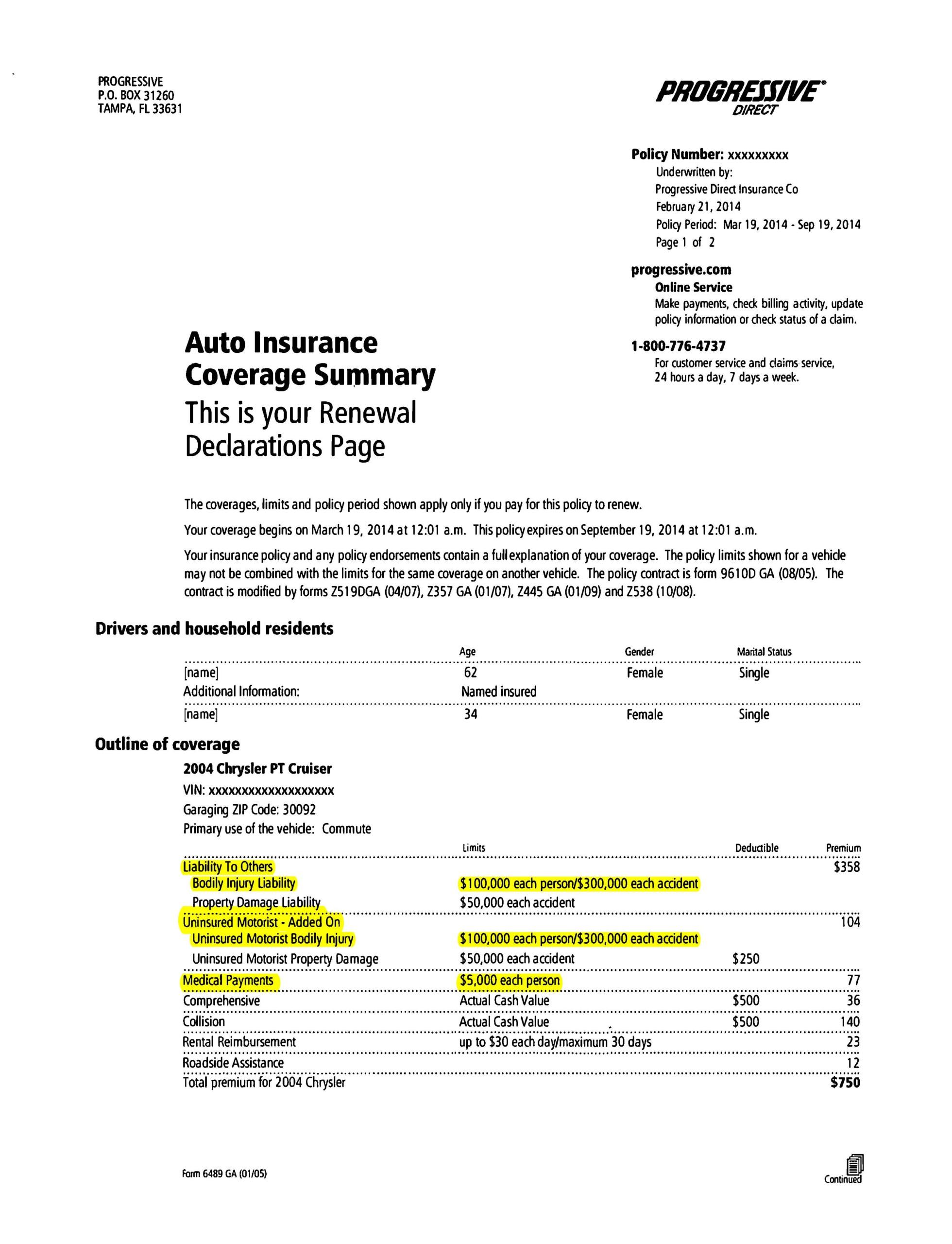
When you are ready to choose your Wisconsin online auto insurance, begin by gathering your Vehicle Identification Number (VIN), your current policy's declarations page, and the driving records of everyone in your household. Start your search on a neutral comparison site, but always finish the transaction on the official website of the carrier to ensure you are receiving the most accurate, real-time pricing. In 2026, the best policy is one that balances a competitive premium with high liability limits and a robust mobile app that can handle the complexities of Wisconsin’s unique driving environment.
Image Gallery