Palantir Solutions in the Data Analytics Market: A Strategic Overview
Palantir Technologies provides a suite of advanced data analytics platforms—Foundry, Gotham, Apollo, and AIP—designed to integrate disparate data sources into a unified operating system. These solutions enable large-scale organizations...
Palantir Technologies provides a suite of advanced data analytics platforms—Foundry, Gotham, Apollo, and AIP—designed to integrate disparate data sources into a unified operating system. These solutions enable large-scale organizations in both the public and private sectors to harmonize complex datasets, derive actionable insights, and facilitate mission-critical decision-making within highly secure, audited environments.
Contents
The Architectural Foundation of Palantir Platforms
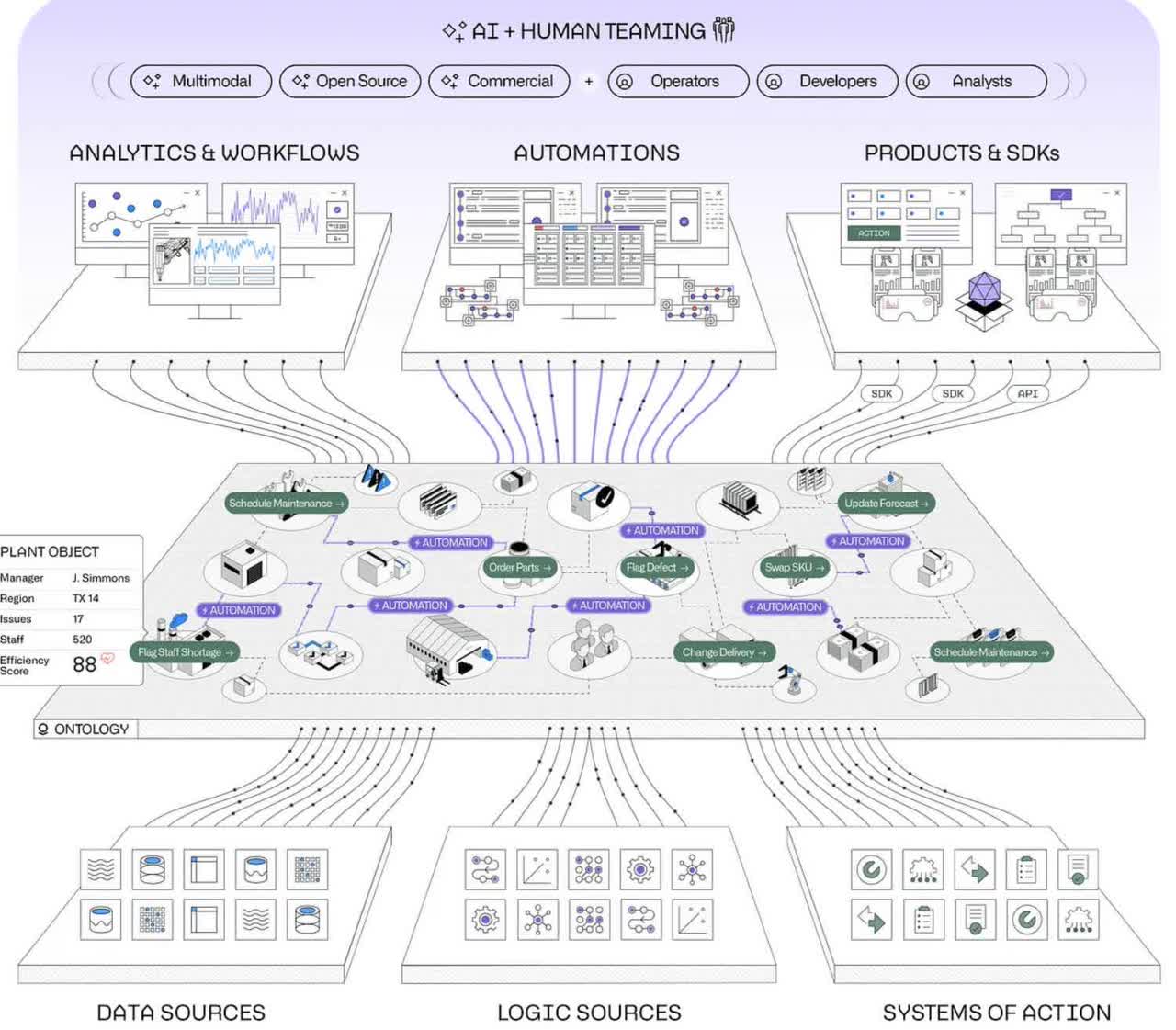
At the core of the company’s market presence is the transition from traditional, siloed database management to a "data-as-an-asset" model. Unlike conventional business intelligence tools that often require lengthy, rigid data warehousing projects, Palantir solutions are engineered to connect to existing legacy systems—such as ERPs, CRMs, and supply chain management software—without necessitating a total migration or structural overhaul.
Palantir Gotham: The Intelligence Backbone
Gotham is primarily utilized by government and defense agencies. It focuses on large-scale data integration, allowing users to map connections across vast, unstructured datasets. By identifying patterns in human-centric data, Gotham assists analysts in tracking logistics, identifying threats, and managing complex geopolitical or operational risks. The technical architecture relies on an ontological framework, which essentially creates a digital twin of the organization’s real-world operations, allowing users to query data in human-readable terms rather than requiring deep SQL expertise.
Palantir Foundry: Operationalizing Data
Foundry serves as the primary engine for commercial enterprises. It addresses the common pain point of "data fragmentation," where critical business logic is trapped within localized spreadsheets or departmental databases. Foundry provides a layer that sits on top of existing IT infrastructure, allowing data engineers to build data pipelines and business users to create dashboards and predictive models. By 2026, Foundry has become a standard for complex industries, including healthcare, aerospace, and energy, where the cost of data silos can reach millions in operational inefficiencies.
Palantir AIP: Integrating Large Language Models
The Artificial Intelligence Platform (AIP) represents a significant evolution in the company’s offerings. AIP allows organizations to deploy Large Language Models (LLMs) and other machine learning algorithms directly within their secure, private data environments. This ensures that the intelligence generated by AI remains grounded in the user's proprietary data, mitigating the risks of hallucinations or data leakage often associated with public, general-purpose AI models.
Operational Requirements and Deployment Models
Deploying Palantir solutions is not a "plug-and-play" experience. It is a strategic engagement that requires significant internal alignment regarding data governance and organizational objectives.
- Data Infrastructure Assessment: Organizations must evaluate whether their current data repositories—whether on-premises or cloud-based (AWS, Azure, GCP)—can support the ingestion requirements of the Palantir stack.
- Security and Access Control: Given the sensitive nature of the data typically handled by these platforms, establishing granular, role-based access control (RBAC) is a prerequisite. The platforms include robust audit logs that track every interaction with the data, ensuring compliance with strict regulatory requirements such as GDPR or HIPAA.
- Ontology Definition: Before the software can provide meaningful insights, users must define their "ontology." This is the mapping of real-world objects—such as "Part," "Supplier," "Customer," or "Transaction"—and the relationships between them. This step is the most labor-intensive but is essential for transforming raw data into business logic.
Comparative Market Position
The market for enterprise data analytics is crowded, yet Palantir occupies a distinct niche. While companies like Snowflake or Databricks focus on data storage and heavy-duty compute processing, Palantir focuses on the application of that data.
| Feature | Palantir (Foundry/AIP) | Traditional BI Tools | Data Warehousing (e.g., Snowflake) |
|---|---|---|---|
| Primary Goal | Operational Decision-Making | Data Visualization/Reporting | Data Storage & Compute |
| User Base | Analysts & Operators | Business Executives | Data Engineers |
| Data Handling | Unified Ontology Layer | Semantic Layer | Raw Data Storage |
| AI Integration | Native LLM Grounding | Plugin-based | Limited/Ecosystem dependent |
Overcoming Implementation Challenges
The primary barrier to entry for Palantir solutions is the high degree of operational transformation required. Many organizations fail to realize the value of these tools because they view them as simple software upgrades rather than fundamental changes to business processes.
- The "Black Box" Perception: Because the algorithms often operate on complex, interconnected datasets, internal teams sometimes struggle to interpret how the system arrived at a specific conclusion. To combat this, administrators must leverage the platform’s transparency features, which allow users to "drill down" into the provenance of every data point.
- Cost Structures: Licensing and implementation costs are significant. Organizations should perform a thorough ROI analysis focusing on the reduction of technical debt and the speed of decision-making rather than simple headcount reduction.
- Skill Gaps: While the platform aims to empower non-technical users, complex deployments still require "Data Architects" who understand both the business domain and the platform's proprietary configuration language.
Frequently Asked Questions
Is Palantir only for government agencies?
No. While Palantir built its reputation in the intelligence and defense sectors through Gotham, the majority of its growth and product development in recent years has shifted toward commercial enterprise clients via the Foundry and AIP platforms.
Does Palantir store my data in the cloud?
Palantir offers flexible deployment options. It can operate in private, customer-managed clouds, hybrid-cloud environments, or within dedicated instances managed by Palantir. The control over data residency remains firmly with the client, ensuring that data is not pooled or used to train third-party models.
How does AIP differ from public AI chatbots?
AIP is a "private-label" approach to AI. Unlike consumer-grade chatbots, AIP is restricted to the data provided by your organization. It includes "guardrails" that prevent the AI from accessing unauthorized data and provides clear citations of the source material it used to generate an answer.
Can Palantir replace my existing ERP system?
Palantir is not an ERP replacement; it is an integration layer. Instead of trying to rip out legacy systems like SAP or Oracle, Palantir connects to them, cleans the data, and presents a modern interface for interaction, effectively extending the lifespan and utility of the underlying legacy software.
What is the typical timeframe for a full deployment?
Initial "pilot" projects (or "bootcamps") can be completed in weeks, focusing on solving one specific problem. A full-scale enterprise integration typically spans several months to a year, depending on the number of disparate data sources and the complexity of the organizational ontology.
Strategic Next Steps
If your organization is considering adopting these solutions, the most effective path forward is to identify a single, high-impact "use case" where data silos are currently preventing progress—such as supply chain optimization or predictive maintenance. Avoid the temptation to initiate an organization-wide migration immediately. Instead, participate in an abbreviated "bootcamp" or pilot project. This allows your stakeholders to observe the platform’s ability to reconcile messy, disparate data in real-time, providing a measurable baseline for determining whether the investment aligns with your long-term digital strategy.
Image Gallery