Disney Incidents: A Comprehensive Record of Unexpected Events and Safety Evolution
Disney theme park incidents represent a meticulously documented record of mechanical failures, medical emergencies, and guest-related accidents across global resorts. While Disney maintains industry-leading safety statistics, these une...
Disney theme park incidents represent a meticulously documented record of mechanical failures, medical emergencies, and guest-related accidents across global resorts. While Disney maintains industry-leading safety statistics, these unexpected events are tracked via state-mandated reports and internal logs to drive engineering improvements, update operational protocols, and manage liability in an environment serving tens of millions of annual visitors.
Contents
Understanding the Scope of Disney Incident Records
The phrase "Disney incidents" encompasses a broad spectrum of occurrences ranging from minor ride stoppages to significant safety breaches. To understand the historical and operational record of these events, one must distinguish between mechanical malfunctions, guest-induced incidents, and "acts of God." As of 2026, the data indicates that while the frequency of incidents per million guest-visits remains remarkably low, the sheer volume of park attendance ensures that a statistical record of unexpected events persists.
These records are not merely for public curiosity; they serve as a critical feedback loop for the Walt Disney Parks and Resorts safety division. Every time a ride "re-sets" or an evacuation occurs, data is captured. In the context of a record of unexpected events, these data points are categorized by severity. Minor events, often called "101s" in park parlance, involve temporary downtime. Major incidents, however, involve physical injury or significant property damage and are subject to rigorous external reporting requirements.
Regulatory Reporting: The Florida and California Models
The reporting of incidents at Disney parks is governed by specific state laws, which create the public record of these unexpected events. The two primary hubs of Disney operations—Florida (Walt Disney World) and California (Disneyland Resort)—operate under different regulatory oversight structures.
The Florida "Memorandum of Understanding"
In Florida, major theme parks are exempt from state inspections by the Bureau of Fair Rides Inspection, provided they have their own internal safety inspectors. However, under a Memorandum of Understanding (MOU), Disney is required to submit quarterly reports to the Florida Department of Agriculture and Consumer Services (FDACS). These reports detail any incident that results in a guest being hospitalized for at least 24 hours.
The California DOSH System
California maintains a different approach through the Division of Occupational Safety and Health (DOSH). Disneyland must report any accident resulting in a serious injury or death immediately. DOSH has the authority to shut down an attraction and conduct an independent investigation before it can reopen. This creates a more granular public record compared to the quarterly summaries seen in Florida.
| Feature | Walt Disney World (Florida) | Disneyland Resort (California) |
|---|---|---|
| Primary Regulator | FDACS (Bureau of Fair Rides Inspection) | Cal/OSHA (DOSH) |
| Reporting Threshold | 24-hour hospitalization | Immediate report for "serious" injury |
| Inspection Type | Internal certified inspectors | State-mandated annual/post-accident |
| Public Accessibility | Quarterly summary reports | Individual investigation files |
| Legal Framework | Section 616.242, Florida Statutes | Permanent Amusement Ride Safety Law |
Historical Analysis of Significant Unexpected Events
A record of unexpected events at Disney is incomplete without examining the milestone incidents that fundamentally altered theme park safety standards. These events often serve as the catalyst for industry-wide changes in restraint design, sensor technology, and guest communication.
Mechanical and Engineering Failures
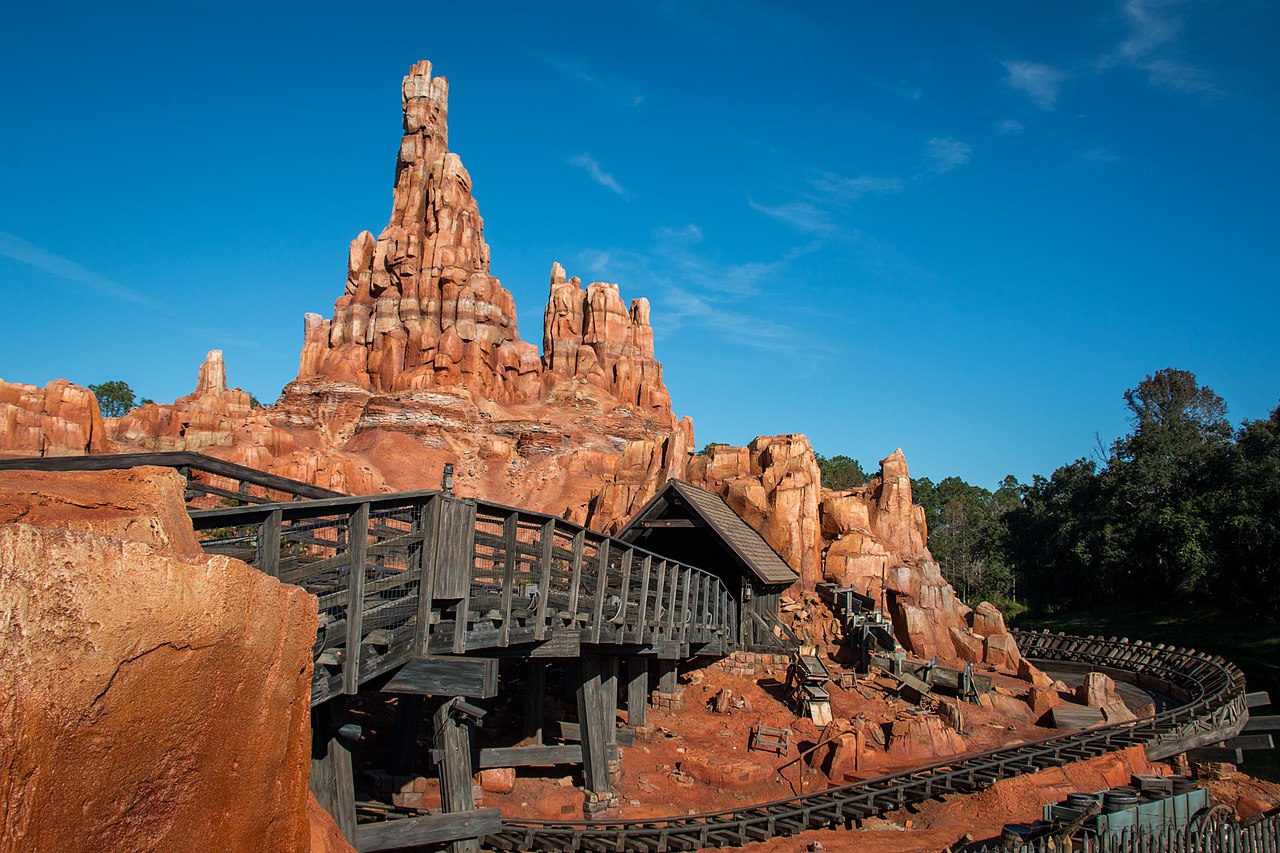
Historical records show that mechanical failures are rare but impactful. One of the most cited events occurred in 2003 at Disneyland’s Big Thunder Mountain Railroad, where a mechanical failure led to a derailment. This incident resulted in a comprehensive review of maintenance procedures and the implementation of more rigorous "lock-out/tag-out" systems for ride vehicles.
In 2009, a collision between two monorails at Walt Disney World highlighted the risks of manual overrides in automated transit systems. The subsequent investigation led to the installation of new anti-collision software and a shift in how pilots interact with the Monorail's central command. These events represent the "unexpected" nature of complex system interactions, where multiple redundancies fail simultaneously.
Wildlife and Environmental Factors
The 2016 alligator incident at the Grand Floridian Resort stands as a somber entry in the record of unexpected events. Unlike ride-based accidents, this was an environmental encounter that led to a massive overhaul of Disney’s wildlife management protocols. The resort installed physical barriers, increased signage, and implemented a proactive removal program for alligators across the property. This incident underscored the reality that "Disney incidents" are not limited to the attractions themselves but include the entire managed ecosystem of the resort.
The Role of Human Behavior in Guest Incidents
A significant portion of the record of unexpected events is attributed to guest behavior rather than mechanical failure. Safety experts often categorize these as "non-compliant" incidents. These include:
- Restraint Defeat: Attempting to slip out of a lap bar or over-the-shoulder restraint while the ride is in motion.
- Zone Intrusion: Entering restricted areas, such as low-clearance zones or track areas, often to retrieve dropped items like cell phones or hats.
- Pre-existing Medical Conditions: Many incidents reported in quarterly filings involve guests who experience cardiac events or seizures that were triggered by the physical stress of an attraction, despite existing warning signs.
By 2026, Disney has increasingly utilized Computer Vision (CV) and AI-driven monitoring to detect these behaviors before they result in an incident. Modern sensors can now detect if a guest stands up in a ride vehicle and will automatically trigger an emergency stop (E-stop), effectively preventing an accident before it occurs.
Modern Safety Systems and 2026 Technological Standards
As we look at the safety landscape in 2026, the technology behind preventing unexpected events has evolved significantly. The "record" is now being written in real-time through telemetry.
- Predictive Maintenance: Using vibration sensors and thermal imaging, maintenance teams can identify a bearing failure weeks before it happens. This transitions the park from a "reactive" safety model to a "predictive" one.
- Redundant Sensor Arrays: Modern attractions like Star Wars: Rise of the Resistance utilize hundreds of sensors to track the position of trackless vehicles within millimeters. If a single vehicle deviates, the entire system pauses.
- Enhanced Communication: In 2026, guest apps provide real-time safety updates and personalized warnings for guests with heart conditions or motion sensitivity, based on their self-reported health profiles in the Disney account ecosystem.
These advancements have reduced the frequency of mechanical-based unexpected events, though they have introduced a new type of incident: the "nuisance stop." This occurs when a safety system is so sensitive that it stops a ride for a non-threatening anomaly, such as a guest's balloon drifting into a sensor path.
Navigating Liability and Legal Precedents
When an incident occurs, the legal record becomes as important as the operational one. Disney’s legal strategy regarding unexpected events generally focuses on the "Assumption of Risk" doctrine. When a guest enters a theme park and chooses to ride an attraction, they assume the inherent risks associated with that activity, provided the park has adequately maintained the ride and warned the guest of potential hazards.
However, the record of incidents shows that "adequate warning" is a high bar. Disney continuously updates its signage and verbal spiels to meet evolving legal standards. In cases where an incident is proven to be the result of negligence—such as a failure to follow a prescribed maintenance schedule—the record shows that Disney typically moves toward private settlements to avoid the public disclosure of proprietary engineering data.
Verified Guidance for Guest Safety
For guests concerned about the record of unexpected events, the most effective way to mitigate risk is to adhere strictly to posted guidelines. The FDACS and DOSH reports consistently show that the majority of injuries occur when safety instructions are ignored.
- Height Requirements: These are not suggestions; they are based on the physical design of the restraint system. A child who is too short may not be properly secured by a lap bar.
- Health Warnings: If an attraction warns against riding with high blood pressure or back problems, the "unexpected event" record suggests these warnings should be taken literally. Many reported hospitalizations are the result of guests overestimating their physical tolerance.
- Keep Limbs Inside: Many minor "incidents" involve guests striking their hands or arms on scenery. Modern ride envelopes are designed with a "reach envelope," but these are calculated based on guests remaining seated.
FAQ
What is the most common type of incident reported at Disney?
The most common reported incidents are fainting or dizziness related to heat exhaustion and pre-existing medical conditions. In terms of ride-specific incidents, "stalls" or temporary stops due to sensor triggers are the most frequent, though these rarely result in injury.
Where can I find the official record of Disney incidents?
For Florida parks, you can access the "Amusement Ride Incident Reports" on the Florida Department of Agriculture and Consumer Services website. For California, records are maintained by the California Department of Industrial Relations (DIR).
Does Disney have more incidents than other theme parks?
Statistically, no. While Disney has more total incidents in raw numbers, this is due to their massive attendance. When measured per 100,000 guests, Disney’s safety record is often superior to smaller regional parks that may have less frequent maintenance cycles or older technology.
How does Disney handle a major incident?
Disney follows a strict protocol: immediate medical response (Disney has its own EMTs and paramedics on-site), attraction closure, preservation of the scene for investigators (internal and external), and a comprehensive mechanical audit. The attraction does not reopen until it is certified safe by both engineering and safety executives.
Are incidents increasing with the new high-tech rides?
There is no evidence of an increase in injuries, but there is an increase in "downtime." High-tech rides have more sensors, meaning they are more likely to stop for a safety check. This leads to more "unexpected events" in terms of ride stoppages, but fewer actual accidents.
Final Recommendation
When reviewing the record of unexpected events at Disney, it is essential to view the data through the lens of operational scale. For a guest visiting in 2026, the risk of a significant safety incident is lower than the risk of injury during the drive to the resort. To ensure a safe experience, prioritize hydration, respect all posted physical requirements, and stay informed via the official park apps for real-time attraction status. If you or a family member has a pre-existing condition, consult the Accessibility and Safety guides provided on the official Disney websites before arrival.
Image Gallery