Understanding the Distinction Between Benign or Cancerous Growths
Distinguishing whether a growth is benign or cancerous is a critical medical process that relies on clinical examination, imaging studies, and pathological analysis. While benign tumors remain localized and do not invade surrounding ti...
Distinguishing whether a growth is benign or cancerous is a critical medical process that relies on clinical examination, imaging studies, and pathological analysis. While benign tumors remain localized and do not invade surrounding tissues, cancerous (malignant) tumors possess the capacity to infiltrate adjacent structures and spread to distant sites through the bloodstream or lymphatic system.
Contents
The Biological Foundations of Growth
To understand the difference between a benign and a cancerous growth, it is essential to first understand cellular behavior. Every cell in the human body follows a strict biological cycle of growth, division, and programmed death. When this cycle is disrupted, cells may proliferate uncontrollably, forming a mass known as a neoplasm or tumor.
Defining Benign Growths
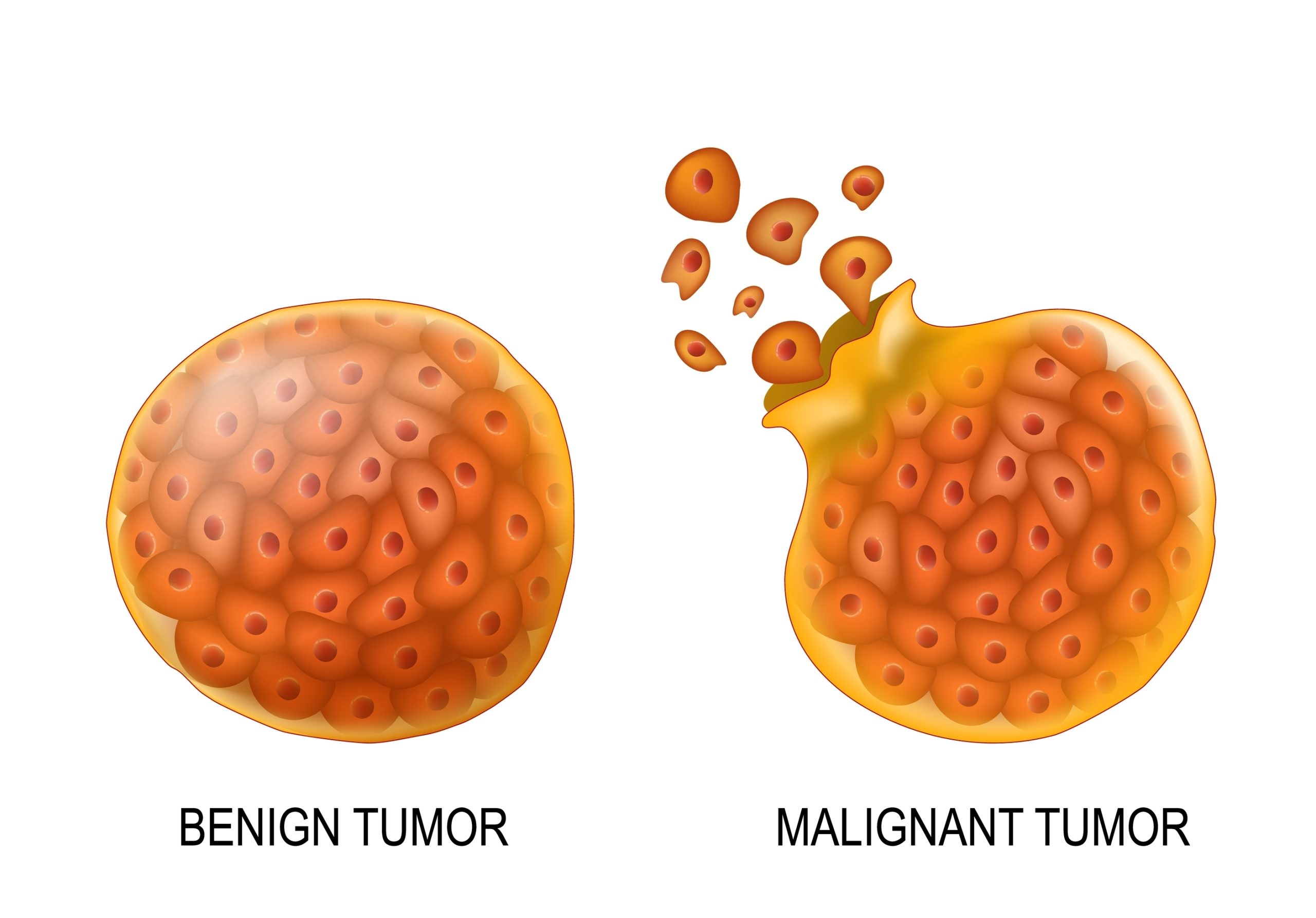
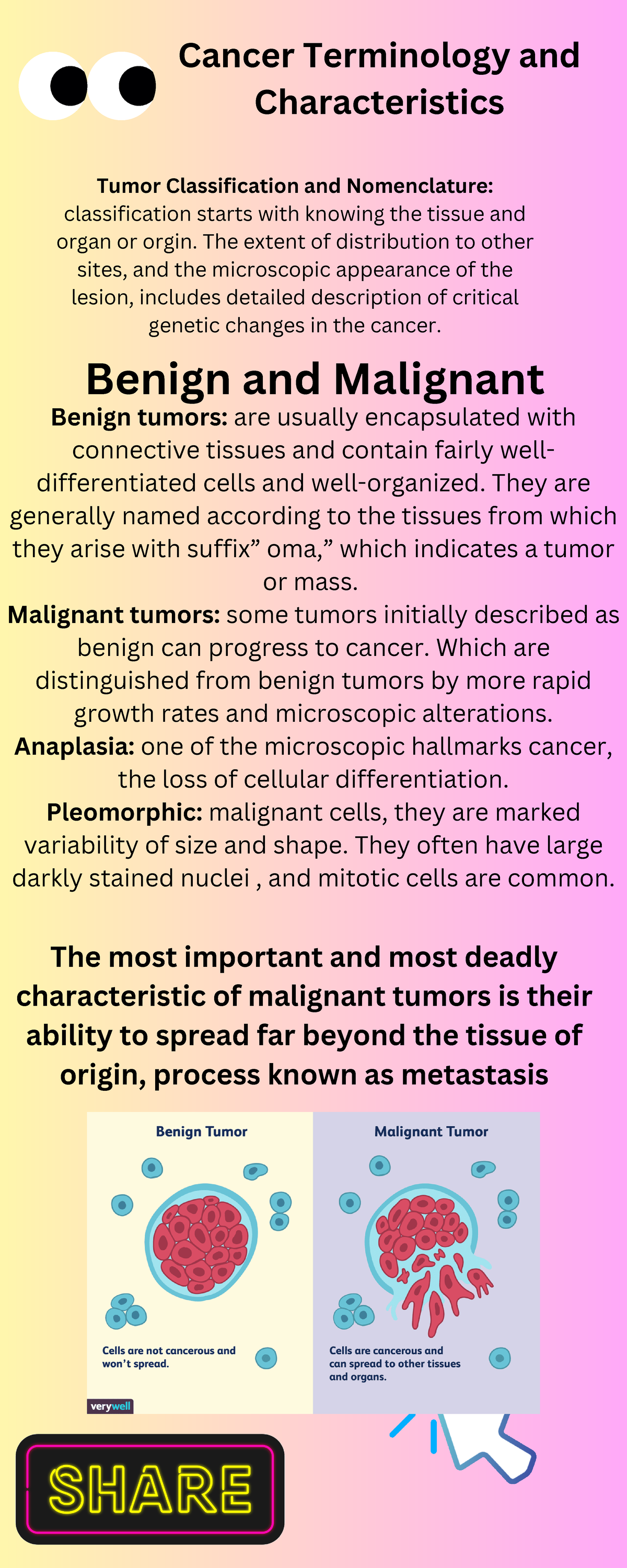
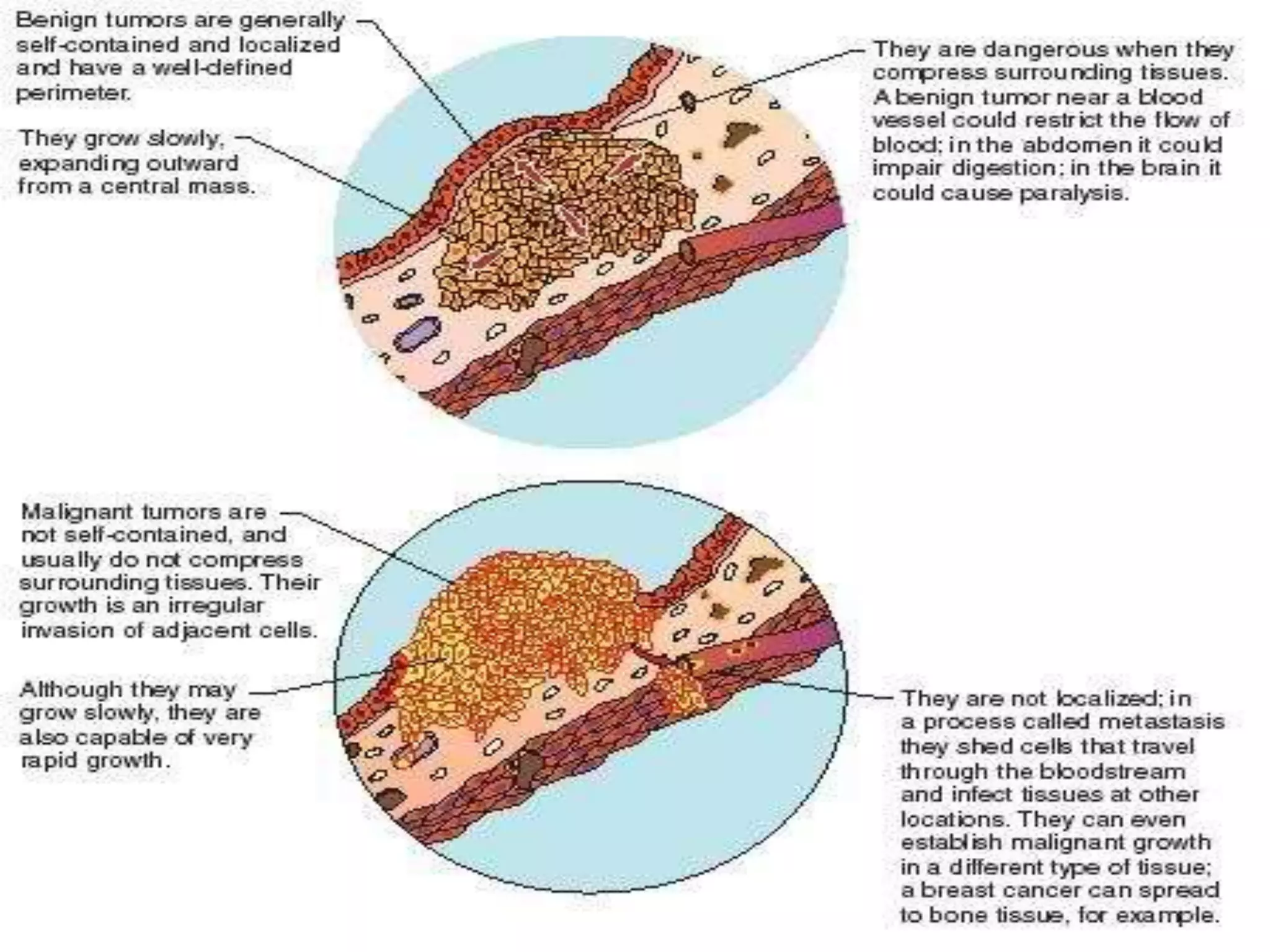
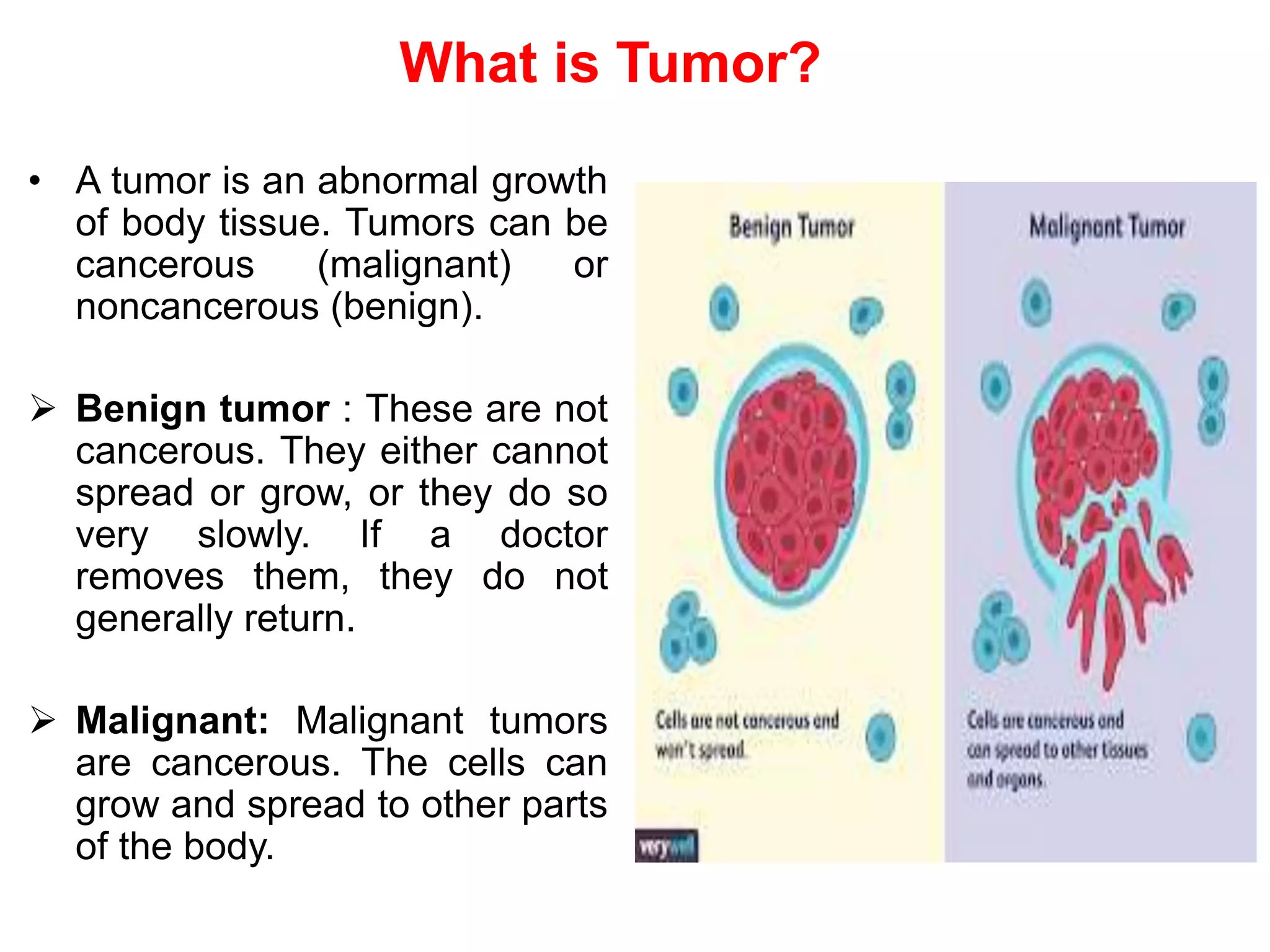
A benign tumor is a collection of cells that have stopped responding to normal growth regulation but do not possess the ability to spread. These growths are typically encased in a fibrous capsule, which acts as a physical boundary, preventing them from invading nearby healthy tissue. Because they are contained, they are generally slow-growing and do not metastasize—the process of spreading to other parts of the body. Once removed surgically, they rarely recur, though this depends significantly on the location and the completeness of the excision.
Defining Cancerous (Malignant) Growths
Cancerous or malignant tumors are characterized by genetic mutations that allow cells to bypass standard growth checkpoints. Unlike benign masses, malignant tumors lack well-defined boundaries. They exhibit "invasiveness," meaning they push into and consume the surrounding healthy tissue. Furthermore, these cells can break away from the primary tumor, enter the circulatory or lymphatic systems, and establish new growths in distant organs, a process known as metastasis. This systemic spread is the primary reason malignancy requires more aggressive, multidisciplinary treatment approaches.
Diagnostic Procedures and Verification
The determination of whether a growth is benign or cancerous is never based on appearance alone. Medical professionals utilize a structured diagnostic pathway to gather definitive evidence.
Clinical Assessment and Imaging
The process often begins with a physical examination and imaging studies. Technologies such as ultrasound, computed tomography (CT) scans, and magnetic resonance imaging (MRI) provide visual clues regarding the tumor’s size, shape, borders, and interaction with surrounding anatomy. For example, a growth with smooth, regular edges is often associated with benign conditions, while irregular, spiked edges can suggest malignancy. However, imaging is limited; it provides a high-probability assessment but cannot confirm the microscopic nature of the cells.
Biopsy: The Gold Standard
The only definitive way to distinguish between benign and cancerous tissue is through a biopsy. During this procedure, a physician removes a small sample of the growth for examination by a pathologist. The pathologist examines the cellular architecture under a microscope to observe:
- Cellular Morphology: Do the cells look like the normal tissue of origin?
- Nuclear Characteristics: Are the nuclei enlarged or irregularly shaped?
- Mitotic Activity: How rapidly are the cells dividing?
- Tissue Architecture: Is there evidence of invasion into surrounding stroma?
Comparison of Tumor Characteristics
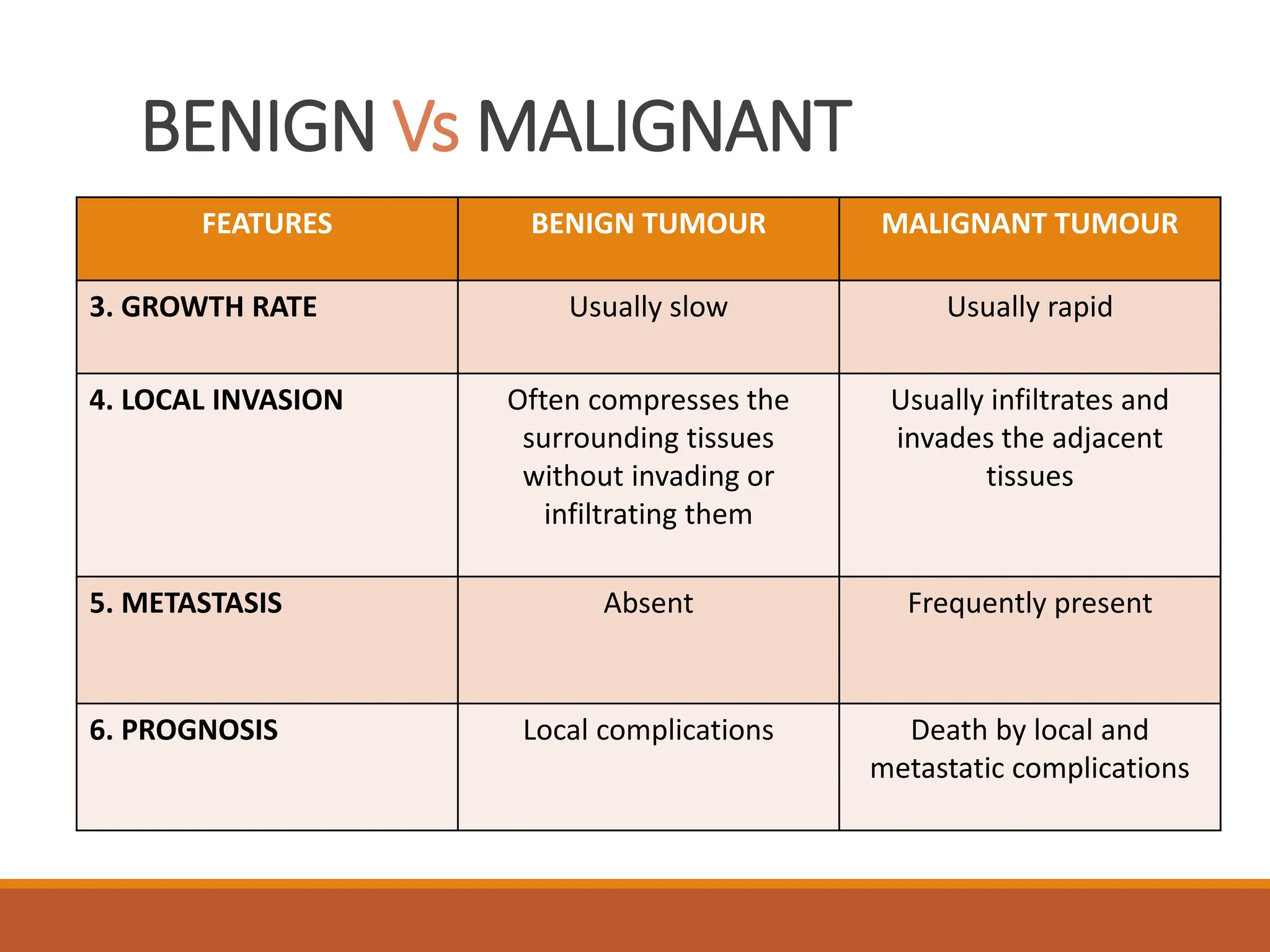
The following table summarizes the primary clinical and biological differences between benign and malignant neoplasms.
| Feature | Benign Growth | Cancerous (Malignant) Growth |
|---|---|---|
| Growth Rate | Usually slow | Can be rapid |
| Invasiveness | Non-invasive; encapsulated | Invasive; penetrates local tissue |
| Metastasis | Never metastasizes | Can spread to distant organs |
| Cell Differentiation | Well-differentiated (like normal cells) | Poorly differentiated (anaplastic) |
| Systemic Effects | Rare; mostly mechanical pressure | Common (weight loss, fatigue, pain) |
| Recurrence | Unlikely after complete excision | Higher risk of recurrence |
Factors Influencing Treatment Decisions
Once the nature of a growth is established, the treatment plan is tailored to the specific diagnosis. Benign tumors may require no treatment at all if they are asymptomatic and not causing pressure on vital organs. In such cases, a "watch and wait" approach—periodically monitoring the mass for changes—is standard. If a benign tumor causes pain, obstructs a duct, or is cosmetically problematic, it is often removed surgically.
Conversely, a diagnosis of cancer usually triggers an immediate evaluation for therapeutic intervention. The primary goal is to eliminate the malignancy while minimizing impact on the patient’s health. Treatment is often multimodal, involving:
- Surgical Excision: The primary method for removing localized tumors.
- Radiation Therapy: High-energy beams used to destroy cancerous cells by damaging their DNA.
- Systemic Therapies: Including chemotherapy, immunotherapy, and targeted therapies designed to hunt down and destroy cancer cells that may have escaped the primary site.
Addressing Common Misconceptions
A common source of anxiety for patients is the assumption that any palpable mass or abnormal imaging finding is necessarily cancerous. It is vital to note that the majority of detected tumors are non-cancerous. Lipomas (fatty growths), cysts (fluid-filled sacs), and adenomas (glandular tumors) are common benign conditions that frequently cause concern but do not carry the systemic risks associated with malignancy. However, because some benign growths can transform into malignant ones over time or simulate cancerous behavior, clinical oversight remains mandatory.
Frequently Asked Questions
If a doctor tells me a tumor is benign, is it completely harmless?
While benign tumors do not spread, they are not always "harmless." A benign tumor can still be dangerous if it grows in a restricted space, such as the brain or near a major artery, where it may exert pressure that damages healthy tissue or impairs organ function.
Can a benign tumor turn into cancer?
Yes, in some instances. Certain types of benign growths are considered "pre-malignant" or have a higher potential for malignant transformation over time. Physicians monitor these growths closely, and in some cases, they are removed prophylactically to prevent future cancer development.
Is pain a reliable indicator of whether a growth is cancerous?
No. Pain is not a reliable diagnostic indicator for malignancy. Many cancers grow silently without causing pain until they reach an advanced stage. Conversely, a benign tumor pressing on a nerve can cause significant pain. Do not use the presence or absence of pain to assess your risk level.
Why do I need a biopsy if my imaging results look clear?
Imaging is a map, not a diagnosis. It tells a doctor where the tumor is and what it looks like, but it cannot tell the doctor the genetic or structural makeup of the cells. A biopsy provides the chemical and microscopic evidence necessary to make a definitive diagnosis.
How do pathologists determine the grade of a cancer?
Pathologists assign a grade based on how much the cancer cells deviate from normal, healthy cells. Lower grades indicate cells that look and behave more like normal tissue, while higher grades indicate more aggressive, rapidly dividing cells that are further removed from their original cellular identity.
Next Steps and Professional Consultation
If you have identified a new, growing, or changing mass, the most important action is to consult with a primary care physician or a specialist. The diagnostic process is iterative: your provider will typically start with a physical exam and medical history, move to imaging, and, if necessary, proceed to a biopsy.
Do not attempt to self-diagnose or wait for symptoms to resolve on their own if a lump is persistent or enlarging. Early detection remains the most effective tool in medicine, whether the final result confirms a benign condition or a malignant one requiring intervention. By engaging with your healthcare team, you gain access to the accurate staging and treatment protocols necessary to manage your health effectively.
Image Gallery