How Ecommerce Fraud Detection Works: A Technical Overview
Ecommerce fraud detection functions as an automated, multi-layered security architecture designed to distinguish between legitimate customer transactions and malicious activity by analyzing behavioral, technical, and historical data po...
Ecommerce fraud detection functions as an automated, multi-layered security architecture designed to distinguish between legitimate customer transactions and malicious activity by analyzing behavioral, technical, and historical data points in real time. It operates at the intersection of machine learning and risk management, identifying anomalies that indicate identity theft, account takeovers, or payment fraud before a transaction is finalized.
Contents
The Anatomy of an Ecommerce Fraud Defense System
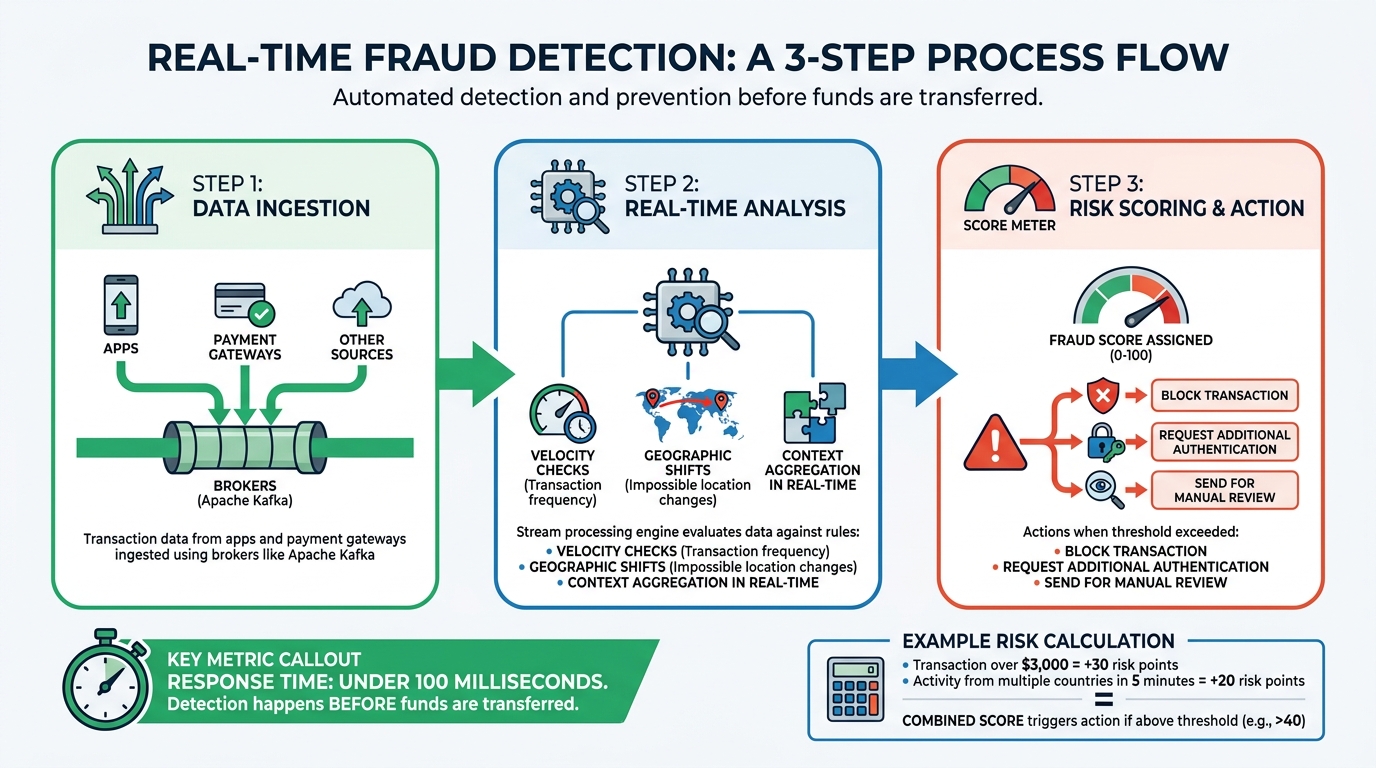
Modern fraud detection is not a single tool but a stack of integrated services. When a user interacts with an online storefront, the detection system begins gathering telemetry data. This process happens behind the scenes, often within milliseconds, to avoid introducing latency that could lead to cart abandonment.
1. Data Collection and Fingerprinting
The first line of defense is the collection of "device signals." Fraud detection platforms create a unique digital fingerprint of the device and connection being used. This includes:
- IP Address Analysis: Determining the physical location and checking it against known databases of proxy servers, VPNs, and Tor exit nodes.
- Device Intelligence: Identifying unique hardware identifiers, screen resolution, operating system version, and installed fonts to detect if the device has been masked or emulated.
- Browser Fingerprinting: Analyzing browser headers and configurations. If a session originates from a browser version that contradicts the reported OS, it may trigger a high-risk flag.
2. Behavioral Analytics
Static data like shipping addresses is often insufficient because fraudsters frequently use compromised accounts with legitimate billing information. Behavioral analytics examine how a user interacts with the site. Key metrics include:
- Navigation Patterns: Does the user navigate the site like a human, or is there a rhythmic, mechanical consistency typical of automated bots?
- Typing Cadence: Advanced systems analyze the speed and timing of keystrokes. Legitimate users have specific patterns when entering credit card information; bots or scripts often paste data or exhibit inhumanly precise entry times.
- Session Time: Unusually rapid movement through the checkout funnel, often referred to as "scripting," is a hallmark of automated account testing.
3. Transactional Risk Scoring
Once data is collected, the system assigns a "risk score" to the transaction. This score is generated by machine learning models trained on millions of historical transactions.
| Risk Level | Characteristics | Recommended Action |
|---|---|---|
| Low | Consistent IP, matching geolocation, typical behavior. | Approve transaction immediately. |
| Medium | New device, slight mismatch in billing/shipping, high value. | Trigger step-up authentication (MFA/3DS). |
| High | Known fraudster IP, rapid velocity, blocked card data. | Automatically decline; flag account for review. |
The Role of Machine Learning and Velocity Checks
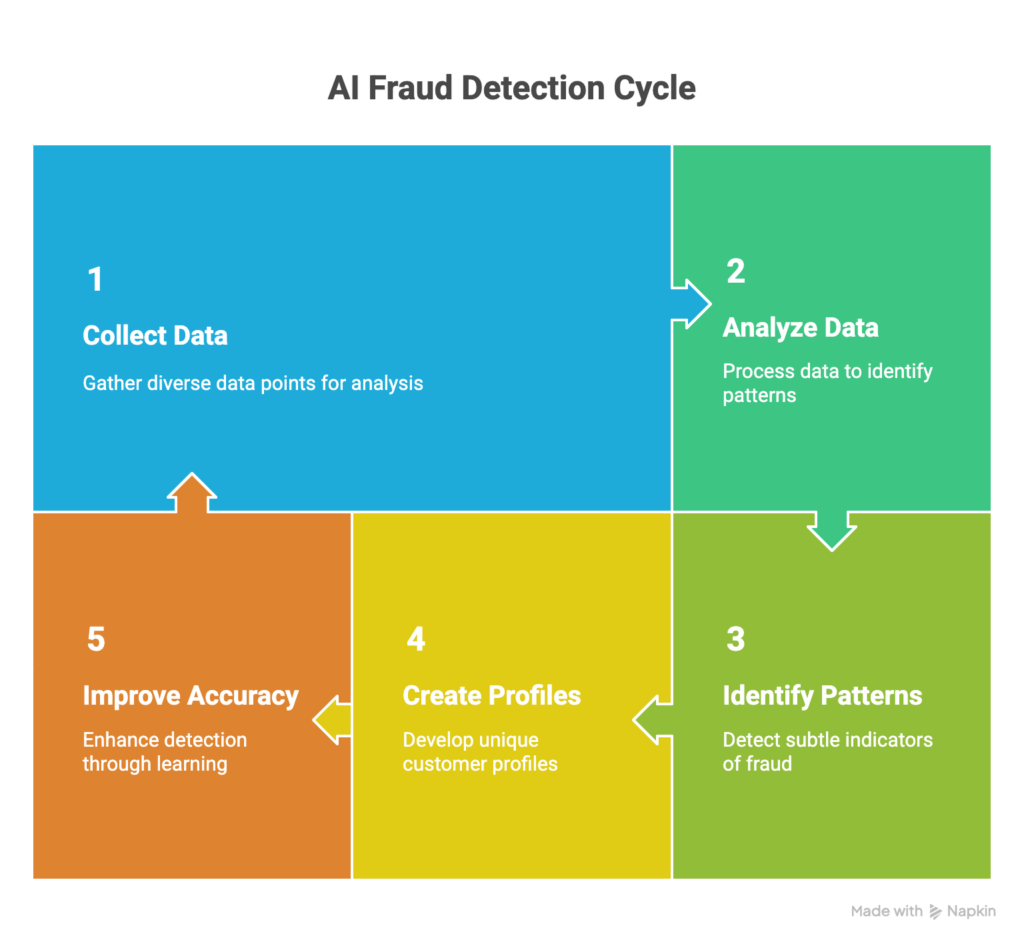
Machine learning (ML) models are the engine of contemporary fraud detection. Unlike legacy systems that relied solely on "if-then" rules—which are easily bypassed by sophisticated actors—ML models identify evolving patterns. For instance, if a specific group of zip codes starts showing a spike in "item not received" claims, the system learns to treat incoming orders from those areas with increased scrutiny automatically.
"Velocity checks" are another critical component. These look for frequency patterns within a specific timeframe. For example, if a single credit card number is used across ten different customer accounts within sixty seconds, the system recognizes a card testing attack and blocks the entire sequence.
Prerequisites for Implementation
To implement an effective fraud detection strategy, merchants must ensure they have high-quality data inputs. The efficacy of these systems is tied directly to the quality of the data passed from the ecommerce platform to the fraud engine.
- Platform Integration: Utilize APIs that allow for real-time bidirectional data flow between the checkout page and the fraud detection service.
- Order Metadata: Ensure the system receives granular data, including the full billing address, IP address, and, if possible, the device's geolocation coordinates.
- Historical Training Data: For proprietary models to function, they require a baseline of what "good" behavior looks like. Newer businesses often rely on SaaS fraud providers who use "global network intelligence"—data pooled from thousands of merchants—to identify common threat actors.
Common Challenges and Limitations
Despite technological advancements, no system is perfectly infallible. Merchants must balance security with the "friction" introduced to the customer.
- False Positives: The most significant operational risk is blocking a legitimate customer. This results in lost revenue and potential long-term damage to customer trust. Many businesses mitigate this by setting a high threshold for automatic declines and routing "gray area" orders to human review teams.
- Evolving Tactics: As detection technology improves, so do the tactics of fraudsters. "Man-in-the-browser" attacks and social engineering allow criminals to bypass standard device fingerprinting by utilizing the legitimate device of the victim.
- Compliance and Privacy: Merchants must ensure their fraud detection methods comply with regional regulations such as the GDPR or CCPA. Collecting device identifiers and user behavioral data requires transparency and, in many jurisdictions, explicit consent from the user.
Frequently Asked Questions
Does fraud detection slow down my checkout page? High-quality fraud detection solutions are designed to operate asynchronously. While data collection occurs, the primary checkout process continues to load. By using lightweight SDKs, performance impacts are typically kept to negligible levels, usually under 100 milliseconds.
What is the difference between a rule-based system and a machine learning model? Rule-based systems use manual logic (e.g., "Block all orders over $500 from abroad"). These are rigid and prone to failure when fraudsters adapt. Machine learning models analyze thousands of variables simultaneously to identify patterns that human logic might miss, allowing for a more nuanced assessment.
What happens if a transaction is flagged for manual review? When a transaction hits a "review" threshold, it is placed in a queue for a human analyst. The analyst reviews the order against available data—such as IP address history, account age, and order value—to determine whether to manually approve, hold for further verification (like calling the customer), or cancel the order.
Are there legal risks to blocking customers based on an algorithm? Yes. In some jurisdictions, automated decision-making that leads to a denial of service may require a mechanism for human intervention or appeal. Furthermore, biased algorithms can inadvertently discriminate against certain demographics if the training data is not sufficiently diverse or representative.
Can small businesses afford enterprise-grade fraud detection? Yes. Many fraud detection providers now offer tiered pricing models based on transaction volume, making the technology accessible to SMBs. Many ecommerce platforms also provide native, entry-level fraud protection tools included in their subscription fees.
Recommended Next Steps
If you are currently experiencing high chargeback rates, start by auditing your current checkout data pass-through. Ensure your ecommerce platform is sending the most granular level of customer metadata possible to your payment gateway or fraud provider. If you rely on native tools, consider implementing a "step-up" authentication process, such as 3D Secure (3DS), which shifts liability for fraudulent transactions from the merchant to the card issuer. Finally, monitor your "False Positive" rate closely; if you find you are declining more than 1–2% of orders, revisit your rule sensitivity settings to ensure you are not sacrificing legitimate revenue for security.
Image Gallery