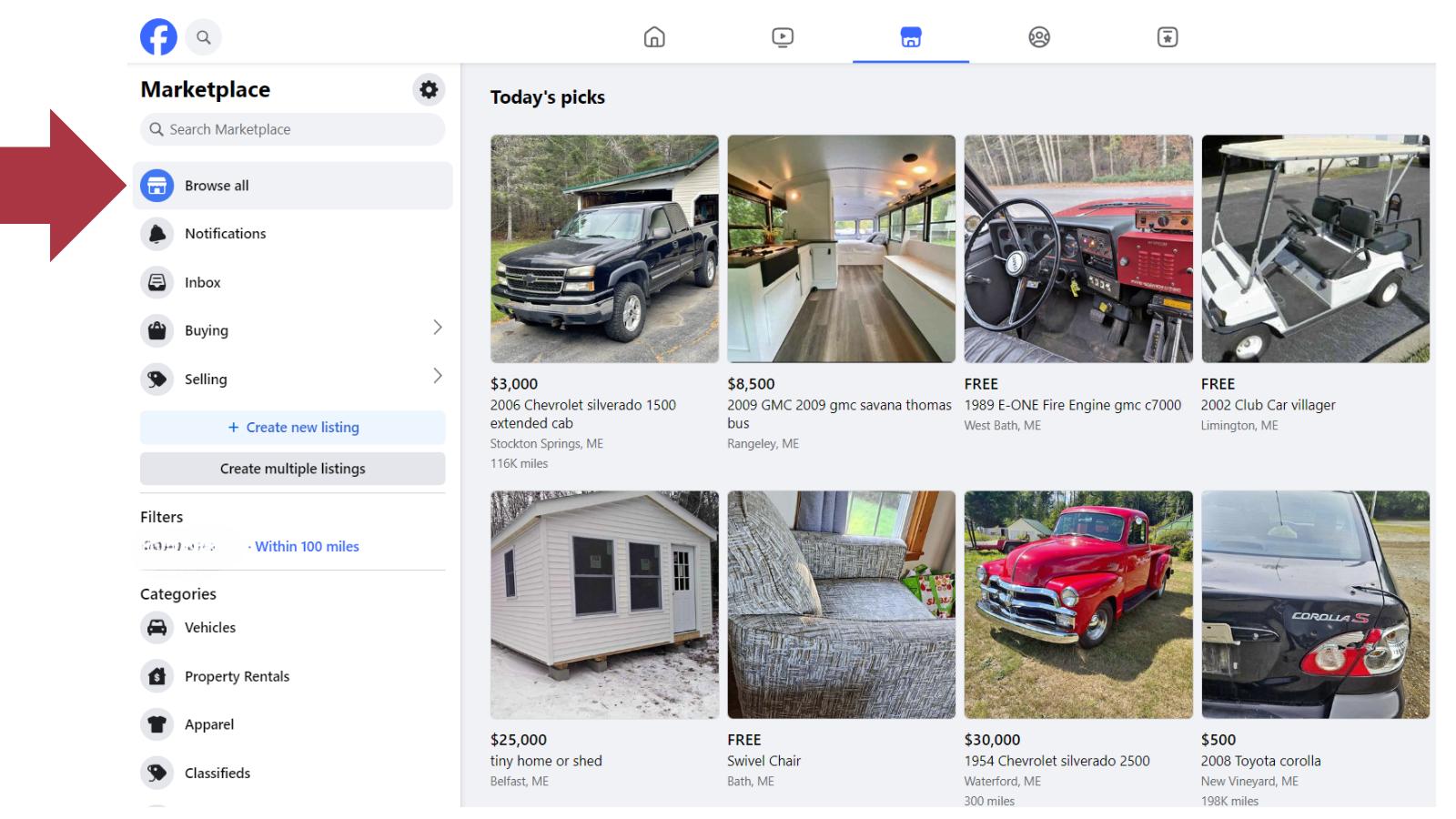
Navigating the Modern Digital Marketplace: Architecture, Strategies, and Optimization for 2026
A digital marketplace is an online platform that connects third-party sellers with buyers, facilitating transactions while managing the underlying infrastructure, payment processing, and catalog discovery. Understanding how these multi...
A digital marketplace is an online platform that connects third-party sellers with buyers, facilitating transactions while managing the underlying infrastructure, payment processing, and catalog discovery. Understanding how these multi-vendor ecosystems function is essential for merchants looking to scale their distribution and brands aiming to launch proprietary platform models.
Contents
Understanding Marketplace Architecture and Core Models
The foundational architecture of a digital marketplace differs fundamentally from a traditional single-vendor e-commerce store. While a standard online shop manages its own inventory, a multi-vendor platform relies on complex software systems to orchestrate product listings, inventory synchronization, secure escrow services, and automated commission structures from thousands of independent sellers simultaneously.
Modern platforms generally operate under specific business models that dictate how revenue is generated and how risk is distributed between the platform operator and the participating merchants. Selecting the correct operational model determines the technical requirements, legal liabilities, and scalability potential of the venture.
- B2C (Business-to-Consumer): Platforms where established brands or individual merchants sell directly to retail consumers, exemplified by giants like Amazon and Mercado Libre.
- B2B (Business-to-Business): Specialized ecosystems focused on wholesale transactions, bulk ordering, customized pricing tiers, and extended credit terms between commercial entities.
- C2C (Consumer-to-Consumer): Peer-to-peer networks where everyday users act as both buyers and sellers, typically regulated by strict user-verification protocols and dispute resolution mechanisms.
- P2P (Peer-to-Peer Services): Service-oriented marketplaces where providers list intangible assets, specialized labor, or temporary access to property, such as short-term rentals or freelance expertise.
Key Operational Components of Multi-Vendor Ecosystems
Operating a high-performing digital marketplace requires the seamless integration of several distinct technological and administrative layers. If any single component fails, the entire transactional funnel suffers, leading to abandoned carts, merchant churn, and legal exposure.
Vendor Management and Onboarding
A robust onboarding workflow ensures that participating merchants meet quality standards, tax compliance requirements, and regulatory guidelines before listing products. Automated Know Your Business (KYB) checks, tax ID validation, and payout account verification safeguard the platform against fraud and illicit trade.
Catalog and Inventory Synchronization
Real-time inventory management prevents overselling, a common failure point when multiple sellers offer limited-stock items or when products are listed across multiple external sales channels simultaneously. Modern platforms utilize standardized API connections and webhook architecture to ensure catalog updates propagate across user interfaces instantly.
Secure Payment Processing and Escrow
Financial transactions in a multi-vendor environment require specialized payment split architectures. Funds must be captured securely, platform commissions automatically deducted, and remaining balances distributed to individual merchant accounts while complying with local financial regulations and anti-money laundering (AML) laws.
Strategic Comparison: Marketplace Types and Merchant Fit
Choosing the right ecosystem to deploy capital or products depends on target margins, operational capacity, and audience reach. The following table contrasts the primary marketplace models based on key commercial metrics.
| Marketplace Model | Primary Revenue Source | Technical Complexity | Customer Acquisition Cost | Regulatory Risk |
|---|---|---|---|---|
| B2C Retail | Commission per sale, sponsored listings | High | High (Paid Ads & SEO) | Moderate (Consumer Protection) |
| B2B Wholesale | Subscription fees, transaction percentages | Very High | Low to Moderate | High (Contractual & Tax Compliance) |
| C2C Peer Network | Listing fees, variable transaction cuts | Moderate | Moderate | High (Fraud & Counterfeiting) |
| Service P2P | Booking commissions, premium placements | High | Moderate | Moderate (Liability & Insurance) |
Step-by-Step Guide to Launching a Scalable Marketplace Platform
Building a competitive platform from scratch requires a methodical approach to software selection, legal structuring, and vendor acquisition. Rushing the technical implementation or neglecting legal frameworks often results in systemic platform failure.
- Define the Niche and Value Proposition: Identify an underserved vertical or geographic region where existing generalist platforms fail to provide specialized fulfillment, community trust, or curated product discovery.
- Select the Technology Stack: Choose between turnkey SaaS marketplace builders (such as Sharetribe or Mirakl), open-source frameworks (such as Magento with multi-vendor extensions), or custom-built microservices architecture depending on budget and scalability needs.
- Establish Legal and Financial Infrastructure: Draft comprehensive Terms of Service, Privacy Policies, and Vendor Agreements. Integrate compliant payment gateways that support split-payment automation and marketplace liability protections.
- Execute a Seed-Supply Strategy: Solve the classic chicken-and-egg dilemma by recruiting high-quality anchor sellers and merchants before launching marketing campaigns to attract buyers. Without initial inventory, user retention drops immediately.
- Implement Trust and Safety Measures: Deploy automated content moderation for listings, secure review systems, identity verification tools, and a transparent dispute resolution process to protect both buyers and sellers.
Common Pitfalls and Mitigation Strategies
Marketplace operators frequently encounter predictable operational bottlenecks that threaten long-term viability. Recognizing these challenges early allows management to allocate resources effectively and implement preventative controls.
Liquidity Imbalance Risk: Failing to balance buyer demand with active seller inventory leads to empty search results for users and zero sales for merchants, causing rapid platform abandonment. Remedy: Restrict geographic expansion or product categories during early phases to concentrate traffic and inventory density within a tightly focused niche.
Disintermediation (Platform Leakage) Risk: Buyers and sellers connect on the platform initially, but conduct subsequent transactions independently off-platform to avoid commission fees. Remedy: Provide undeniable value-added services inside the ecosystem, such as integrated shipping discounts, payment protection, automated invoicing, and dispute mediation that make transacting off-platform riskier than staying within the system.
Frequently Asked Questions
What is the primary difference between an e-commerce store and a digital marketplace?
A traditional e-commerce store sells inventory owned directly by the site operator, whereas a digital marketplace acts as an intermediary connecting independent third-party vendors with buyers without taking direct ownership of the physical stock. This model eliminates warehousing overhead while shifting operational focus to platform governance and software performance.
How do marketplaces handle complex tax collection requirements like sales tax and VAT?
Modern platforms integrate automated tax calculation engines such as Avalara or TaxJar directly into the checkout pipeline to determine exact rates based on buyer and seller jurisdictions. Depending on local marketplace facilitator laws, the platform operator may be legally mandated to collect and remit sales tax on behalf of third-party vendors.
What is the best software approach for a new marketplace startup?
Early-stage startups typically benefit from utilizing specialized SaaS marketplace builders or modular headless commerce APIs to validate product-market fit quickly without excessive upfront engineering costs. Custom-built codebases should only be pursued once transaction volume and unique business logic outgrow off-the-shelf capabilities.
How can a new marketplace overcome the initial supply-and-demand dilemma?
Operators must prioritize recruiting supply-side participants first by offering financial incentives, lower introductory commission rates, or proprietary inventory management tools. Once a critical mass of active listings is established, marketing budgets can shift toward acquiring demand-side buyers.
Why do marketplace platforms fail within their first two years of operation?
Most platform failures stem from poor liquidity management, failure to enforce strict quality control on third-party sellers, inadequate legal protections against fraud, or insufficient capital reserves required to sustain operations before achieving sustainable transaction volume.
Conclusion and Strategic Outlook
Succeeding in the modern digital marketplace landscape requires a disciplined balance of robust technical architecture, rigorous vendor governance, and continuous user experience optimization. By prioritizing platform liquidity, secure financial processing, and clear value propositions for both buyers and sellers, operators can build resilient ecosystems capable of sustained growth in competitive digital economies.
Image Gallery