Is Fargo TV Series a True Story: Fact vs. Fiction Explained
No, the Fargo TV series is not a true story. Despite opening with a famous, identical title card claiming the events are real and depicted at the request of the survivors, creator Noah Hawley and executive producers Joel and Ethan Coen...
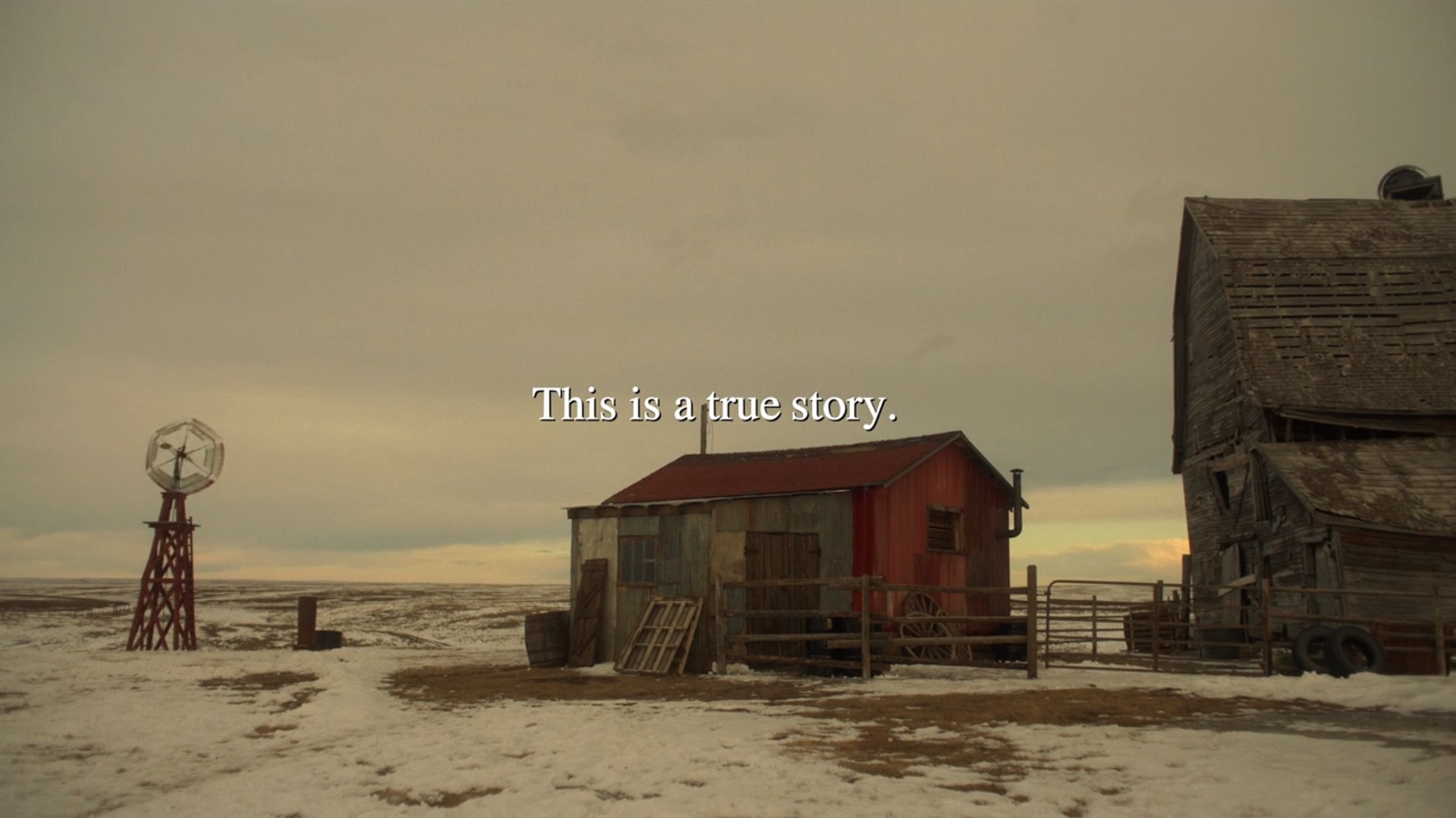
No, the Fargo TV series is not a true story. Despite opening with a famous, identical title card claiming the events are real and depicted at the request of the survivors, creator Noah Hawley and executive producers Joel and Ethan Coen crafted a completely fictional narrative inspired by the tone of the 1996 movie.
Contents
The Origin of the "True Story" Disclaimer
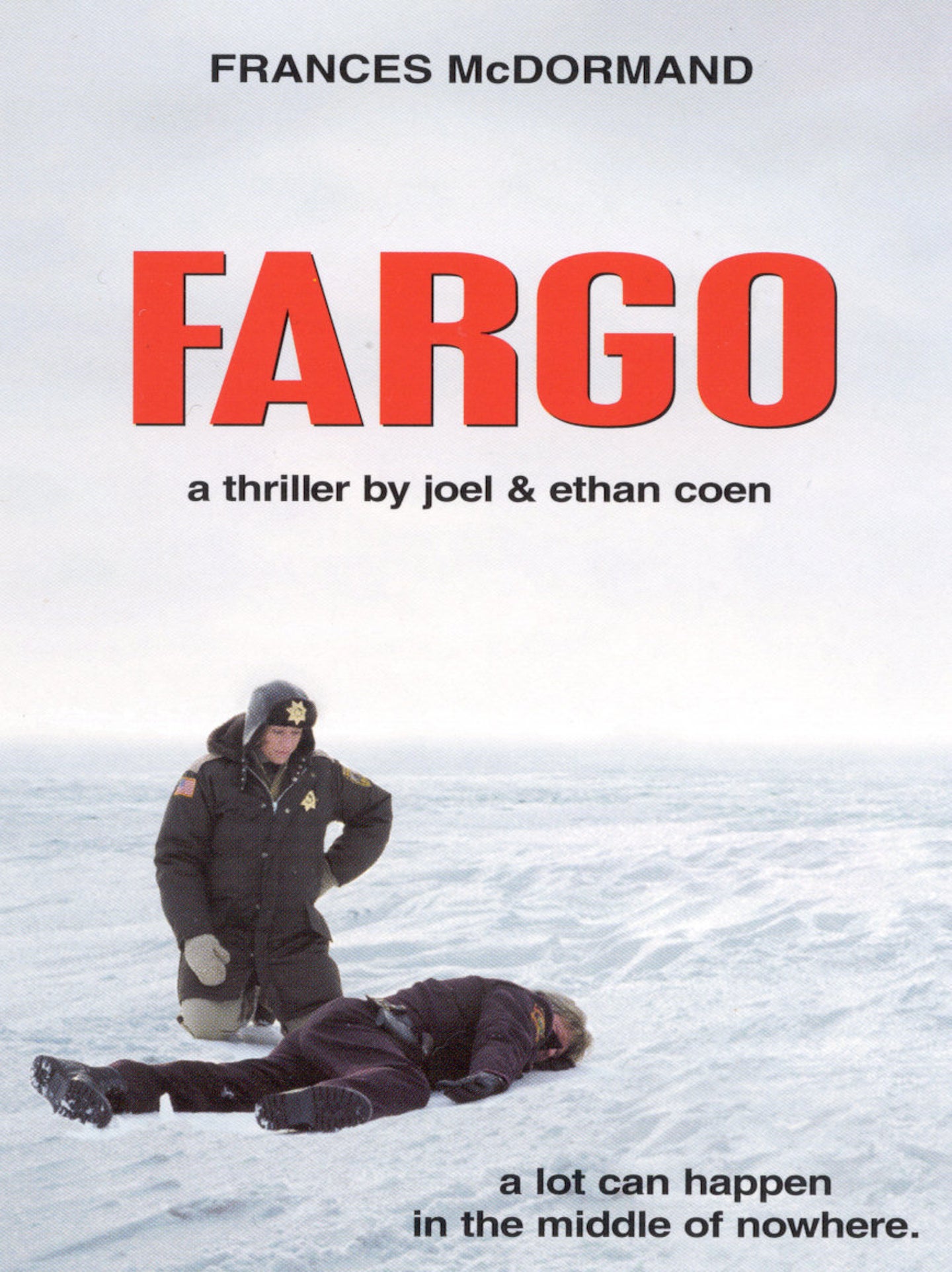
The mythos surrounding Fargo began with the 1996 Academy Award-winning feature film written and directed by Joel and Ethan Coen. The film famously opens with text stating: "This is a true story. The events depicted in this film took place in Minnesota in 1987. At the request of the survivors, the names have been changed. Out of respect for the dead, the rest has been told exactly as it occurred."
When Noah Hawley adapted the property into an anthology television series for FX, he maintained this cheeky cinematic tradition. However, both the film and the television series are entirely fictional fabrications.
Why the Coen Brothers Used the Discarded Premise
- Tonal Subversion: The fake true-story claim sets a psychological trap for the audience. When viewers believe they are watching a documentary-style recounting of real events, absurd criminal blunders and extraordinary coincidences feel even more surreal and shocking.
- Cinematic Tradition: Using a false true-crime disclaimer is a postmodern narrative device. It mirrors how traditional folklore or regional tall tales are passed down in the American Midwest, blending mundane reality with grand, almost mythical absurdity.
- Artistic License: By framing the story as a true account, the creators shield themselves from nitpicking about standard police procedures or realistic criminal behavior, allowing them to lean heavily into dark comedy and existential philosophy.
Fact and Fiction Breakdown Across Seasons
While the overarching plots, specific murders, and central characters of Fargo are entirely invented by the writers' room, Hawley frequently sprinkles real-world historical touchstones, true crime tropes, and regional folklore into the narrative. Each season uses a distinct era to anchor its fictional characters in recognizable American history.
| Season | Setting Year | Primary Fictional Plot | Real-World Historical Elements Used |
|---|---|---|---|
| Season 1 | 2006 | Lester Nygaard meets drifter Lorne Malvo, sparking a murderous crime wave in Bemidji. | Mentions of the 1987 movie's buried ransom money; general Midwestern socio-economic climate. |
| Season 2 | 1979 | The Gerhardts and the Kansas City mob clash, triggered by a triple homicide at a Waffle Hut. | The 1979 energy crisis, Jimmy Carter's "Malaise" speech, Ronald Reagan's presidential campaign trail. |
| Season 3 | 2010 | Parking lot magnate Ray Stussy and his parole-officer brother Emmit feud over a stamp collection. | The shift toward modern digital technology, corporate leasing structures, and economic stagnation. |
| Season 4 | 1950 | The Fadda crime family and the Cannon syndicate battle for control of Kansas City. | The history of migration patterns, early labor unions, and the birth of modern American credit systems. |
| Season 5 | 2019 | A seemingly docile Midwestern housewife is tracked down by her aggressive debt-collector husband and corrupt law enforcement. | Modern debt collection industries, domestic surveillance trends, and contemporary self-defense laws. |
Real Crimes That Inspired the Spirit of Fargo
Even though the specific plots are fictional, the creators drew broad thematic inspiration from actual mid-century American criminal history. Understanding these influences clarifies why the show feels so authentically grounded despite its wild leaps in logic.
- The 1986 Hallowell Case: During the development of the 1996 film, the Coen brothers were loosely inspired by the infamous 1986 murder of Helle Crafts by her husband Richard. Richard Crafts disposed of his wife's body using a woodchipper in Connecticut. This grim detail became the single most famous touchpoint bridging the fictional universe to real-world crime.
- Midwestern Mafia Histories: The criminal syndicates depicted in Seasons 2 and 4 mirror the actual historical expansion of organized crime families into the American Heartland during the mid-20th century. While the characters like Lou Solverson and Loy Cannon are fictional, the economic and social pressures driving mid-century turf wars reflect well-documented history.
- The Normalcy of Evil: The central philosophical engine of Fargo is how ordinary, polite people commit horrific acts of violence over petty grievances. This concept mirrors criminological studies on suburban crime, where major escalations frequently stem from domestic disputes, financial desperation, and wounded pride rather than sophisticated criminal masterminds.
Comparing the Film vs. the TV Series Approach
| Feature | 1996 Film (Fargo) | The Fargo TV Anthology Series |
|---|---|---|
| Format | Standalone Feature Film (98 minutes) | Multi-season Anthology (10+ episodes per season) |
| Primary Creator | Joel and Ethan Coen | Noah Hawley |
| Core Narrative | A desperate car salesman hires two incompetent criminals to kidnap his wife. | Various localized crime waves involving syndicates, drifters, and everyday citizens over different decades. |
| Realism Claim | Uses the traditional "true story" disclaimer opening text. | Continues the satirical "true story" disclaimer tradition across multiple eras. |
| Tone | Dark comedy, bleak Midwestern noir. | Expansive philosophical crime drama, magical realism, dark satire. |
Frequently Asked Questions
Is any character in Fargo based on a real person?
No, all characters in both the film and the television series are completely fictional creations. While certain archetypes—such as weary small-town sheriffs, ruthless hitmen, and ambitious corporate criminals—are inspired by classic noir tropes and regional stereotypes, no individual character directly represents a real-world living or historical person.
Why does the show keep claiming it is a true story if it is fake?
The claim is a deliberate artistic choice and a running inside joke initiated by the Coen brothers in the 1996 film. It establishes an ironic tone, preparing the audience for a story where bizarre coincidences and absurd human behavior drive the plot rather than strict procedural realism.
Did the woodchipper scene in the movie really happen?
The specific incident involving the woodchipper in the 1996 film is fictionalized, but it was inspired by the real-life 1986 Connecticut murder case involving Richard Crafts. The Coen brothers adapted that grim historical detail into the cinematic lore of the franchise.
Are the different seasons of Fargo connected to each other?
Yes, the seasons are connected through minor recurring characters, familial lineages, and geographical proximity, establishing a shared fictional universe. For example, characters from Season 2 are parents or younger versions of characters appearing in Season 1, creating a cohesive historical tapestry across the decades.
Where can I watch the Fargo TV series?
The Fargo television series streams on major digital platforms, including Hulu in the United States, and is distributed internationally through networks like FX and various regional streaming services depending on local broadcast licensing agreements.
Navigating the Myth and Reality of Midwestern Noir
The enduring appeal of the Fargo franchise lies precisely in this blurring of lines between the mundane and the catastrophic. By presenting fabricated chaos under the guise of an authentic historical record, the creators invite viewers to suspend their disbelief and examine the darker, more absurd undercurrents of human nature. Whether you are analyzing the snowy expanses of Minnesota or the sprawling plains of Kansas City, remember that while the human drama feels painfully real, the specific events unfolding on screen remain brilliant works of fiction.
Image Gallery