Comprehensive Guide to Threat Assessment Methodologies and Protocols
A threat assessment is a systematic, evidence-based process used by security professionals, HR teams, and law enforcement to identify, evaluate, and mitigate potential dangers posed by individuals or groups. By analyzing specific behav...
A threat assessment is a systematic, evidence-based process used by security professionals, HR teams, and law enforcement to identify, evaluate, and mitigate potential dangers posed by individuals or groups. By analyzing specific behaviors and contextual factors, organizations can intercept risks proactively before they escalate into targeted violence.
Contents
Understanding the Fundamentals of Threat Assessment
The concept of a threat assessment centers on a critical distinction: evaluating behavior rather than merely investigating threats. Modern frameworks recognize that individuals who commit targeted violence often exhibit observable behavioral warning signs long before an incident occurs. Rather than profiling based on immutable characteristics, investigators focus on objective actions, communications, and contextual stressors.
Organizations across various sectors implement these multidisciplinary protocols to protect workplaces, educational institutions, and public venues. The core objective is not necessarily predicting human behavior with absolute certainty, but rather managing risk through structured intervention.
To operationalize this safely and legally, teams rely on established standards and evidence-based indicators. The following core principles form the foundation of any valid evaluative framework:
- Behavioral Focus: Concentrating on what an individual does and says rather than who they are or what mental health diagnoses they possess.
- Contextual Analysis: Evaluating the subject's access to weapons, grievance history, and current life stressors.
- Multidisciplinary Approach: Involving legal, human resources, security, and psychological expertise to ensure balanced decision-making.
- Dynamic Tracking: Acknowledging that risk is fluid and changes as new information emerges or interventions take effect.
Core Phases of the Evaluative Process
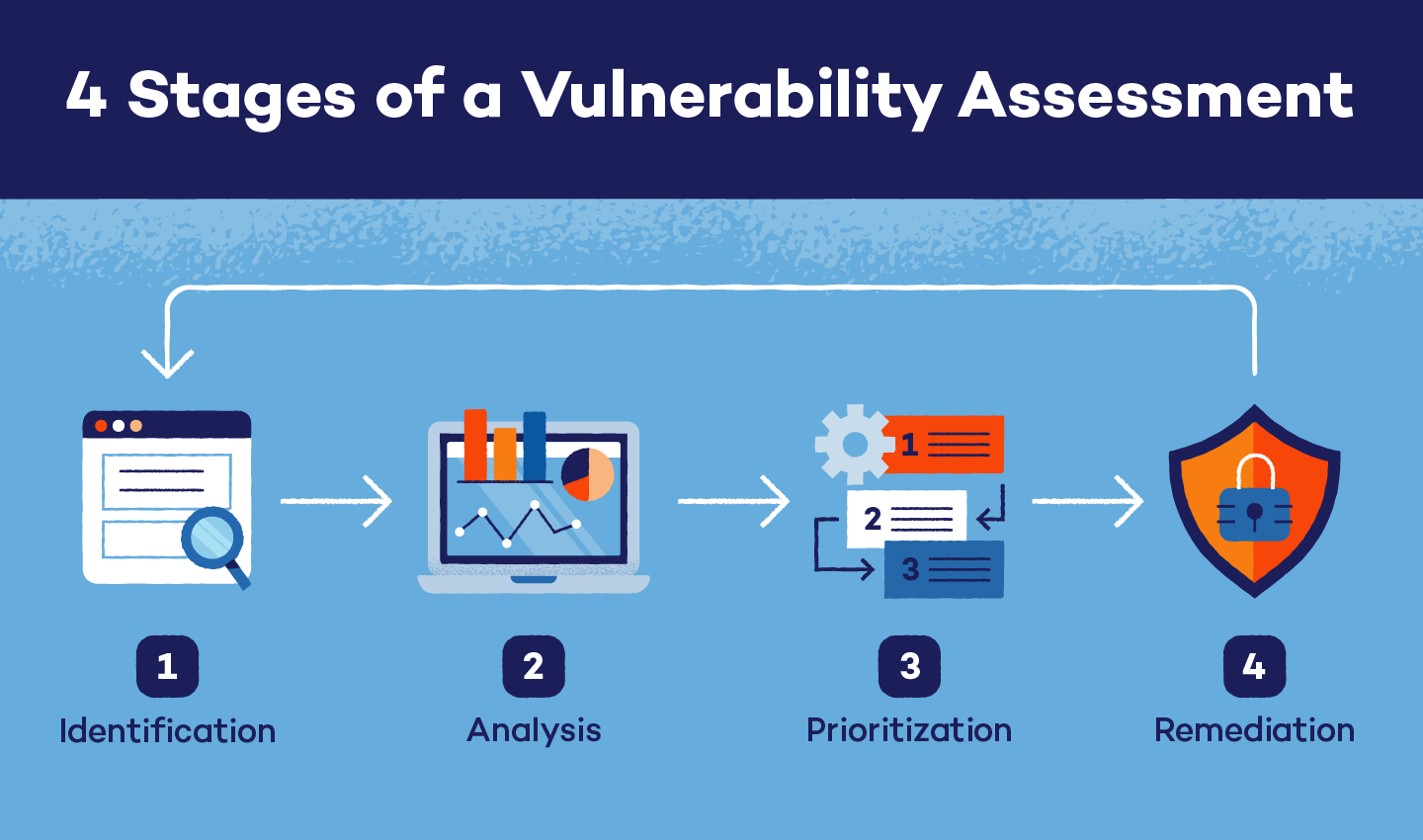
Executing a proper evaluation requires a disciplined, step-by-step methodology. Skipping phases can lead to either an overreaction that violates individual rights or an underreaction that misses genuine danger.
1. Information Gathering and Fact-Finding
The process begins immediately after a concerning behavior or direct statement is reported. Investigators collect verifiable data regarding the subject's communications, recent conflicts, disciplinary records, and behavioral changes. Rumors and subjective opinions are filtered out in favor of documented facts.
2. Inquiry and Contextual Evaluation
Once data is compiled, the multidisciplinary team analyzes the context behind the behavior. Key questions are asked to determine the subject's intent, capability, and threshold for action. For example, did the subject make a vague statement of frustration, or did they acquire a weapon and establish a timeline?
3. Risk Formulation and Strategy Development
If the evaluation indicates a concerning level of risk, the team formulates a management plan. This phase is distinct from simply categorizing a threat as high or low; it focuses entirely on intervention. Strategies may include increasing security measures, providing employee assistance programs, adjusting academic or professional environments, or involving law enforcement when criminal laws are broken.
4. Implementation and Ongoing Monitoring
The final phase involves executing the management plan and continuously monitoring the subject's response. Because interventions can sometimes exacerbate tension, the team must review the situation regularly to adapt the strategy as needed.
Comparing Traditional Security vs. Modern Behavioral Evaluation
Organizations often confuse standard physical security measures with behavioral risk protocols. While physical security protects against opportunistic crime, behavioral evaluations address targeted, planned acts of violence.
| Evaluation Dimension | Traditional Security Approach | Modern Behavioral Framework |
|---|---|---|
| Primary Focus | Securing perimeters, locks, cameras, and access control. | Analyzing specific communications, grievances, and behaviors. |
| Response Trigger | Unauthorized entry, breached barriers, or activated alarms. | Observable behavioral indicators, leakage of intent, or concerning statements. |
| Decision-Making | Reactive response by security guards or law enforcement. | Proactive intervention by a multidisciplinary team. |
| Resolution Goal | Hardening targets and removing unauthorized individuals. | Managing underlying grievances and preventing targeted violence. |
Key Behavioral Indicators and Warning Signs
Recognizing the difference between venting frustration and planning an attack is vital. Professionals look for specific behavioral markers that indicate movement along a pathway to violence. These indicators are studied extensively by organizations such as the National Center for Analysis of Violent Crime (NCAVC).
- Leakage: Revealing intent to harm through casual comments, social media posts, or direct statements to third parties.
- Fixation: Developing an increasingly obsessive focus on a grievance, person, or cause over time.
- Identification: Associating with historical attackers or expressing a desire to emulate past violent events.
- Last Resort Behaviors: Stating or implying that there are no other options left to resolve a perceived injustice.
- Unusual Acquisition: Buying weapons, tactical gear, or researching methods of attack inconsistent with the individual's normal lifestyle.
Legal, Ethical, and Privacy Considerations
Conducting these evaluations requires strict adherence to legal boundaries and privacy rights. Organizations must balance the safety of the collective community with the civil liberties and privacy rights of the individual under review.
Policies must clearly define what triggers an inquiry to prevent discriminatory profiling or retaliatory reporting. Furthermore, data collected during the process must be handled with strict confidentiality, shared only on a strict need-to-know basis among authorized team members. Training for evaluators must emphasize objective documentation, avoiding stigmatizing language, and ensuring due process for all parties involved.
Frequently Asked Questions
What is the primary purpose of a threat assessment?
The primary purpose is to identify, evaluate, and manage individuals who may pose a risk of targeted violence before an incident occurs. Rather than focusing on punishment, the process emphasizes proactive intervention and risk mitigation.
How does a behavioral evaluation differ from profiling?
Profiling relies on immutable characteristics such as race, religion, or background to predict behavior, which is scientifically unreliable and discriminatory. In contrast, behavioral evaluation analyzes observable actions, communications, and situational context.
Who should be included on an evaluation team?
A multidisciplinary team typically includes representatives from legal counsel, human resources, physical security, executive leadership, and mental health or employee assistance services. This diverse composition ensures comprehensive decision-making.
What is "leakage" in the context of behavioral analysis?
Leakage occurs when a subject inadvertently or intentionally reveals their intent to commit an act of violence to a third party. This is one of the most critical warning signs identified by investigators.
Can individuals successfully be steered away from violence?
Yes. Many individuals exhibiting concerning behaviors are experiencing acute crises or grievance-driven frustration. With appropriate case management, conflict resolution, and support systems, the trajectory toward violence can often be disrupted.
Implementing an Effective Organizational Strategy
To build a resilient security posture, organizations must move beyond reactive measures and establish formal multidisciplinary evaluation teams. Training employees to recognize and report warning signs without fear of reprisal creates an environment of shared safety. By following structured, evidence-based protocols, decision-makers can protect their communities while respecting individual rights and fostering a secure, stable environment.
Image Gallery