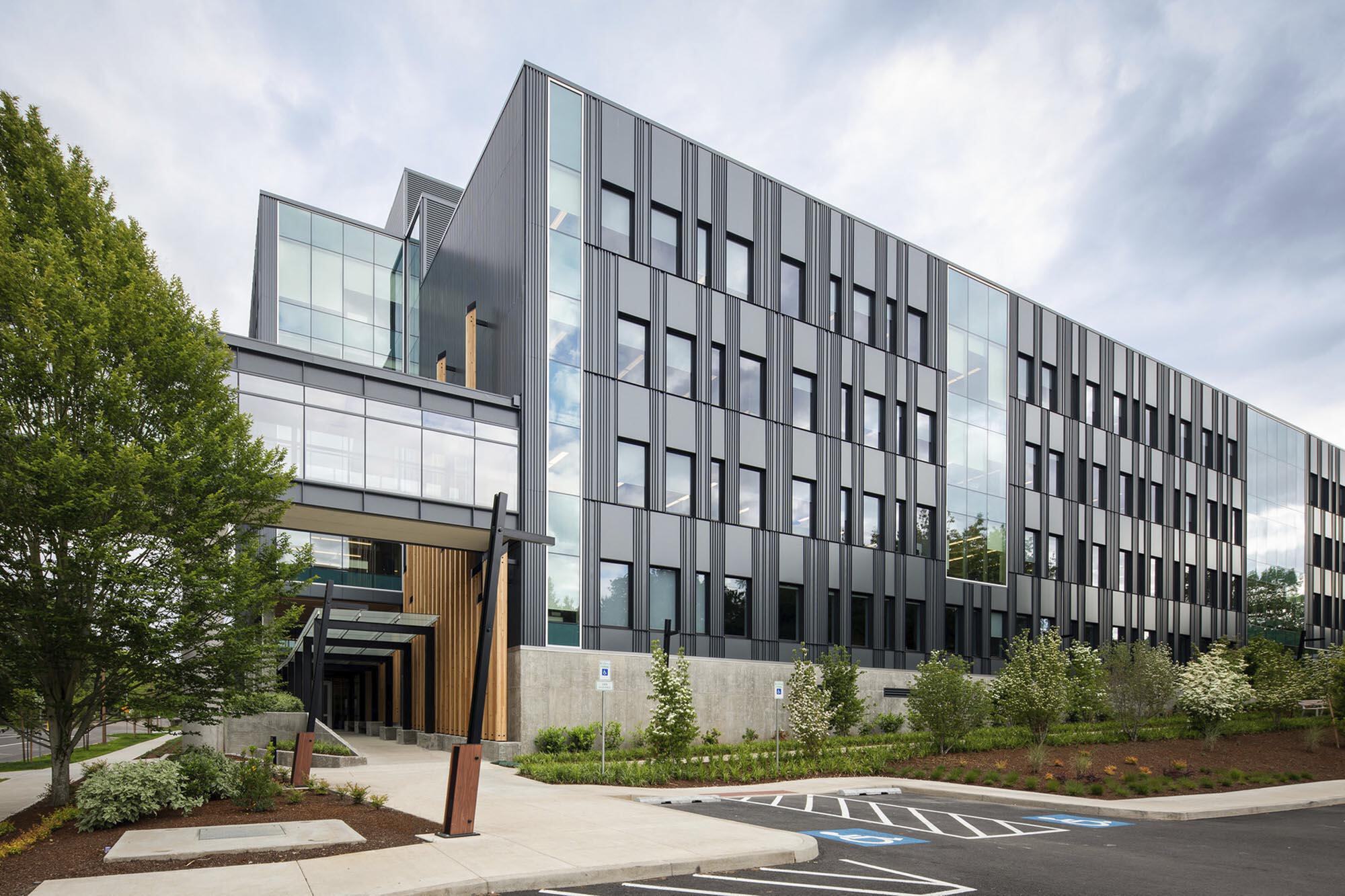
Understanding SAIF Corporation in Salem, Oregon: A Comprehensive Guide
SAIF Corporation, headquartered in Salem, Oregon, is a state-chartered, not-for-profit workers' compensation insurance company. It serves as the primary provider of workers' comp coverage for Oregon employers, operating as a competitiv...
SAIF Corporation, headquartered in Salem, Oregon, is a state-chartered, not-for-profit workers' compensation insurance company. It serves as the primary provider of workers' comp coverage for Oregon employers, operating as a competitive entity within the state’s "three-way" insurance market. As of 2026, SAIF remains the market leader, insuring more than half of the businesses in the state.
Contents
The Identity and Role of SAIF Corporation
To understand what SAIF Corporation is, one must first distinguish it from both a standard state agency and a traditional private insurance firm. SAIF (originally the State Accident Insurance Fund) is a public corporation created by the Oregon Legislature. While it was established by statute, it does not receive any General Fund tax dollars. Instead, it is a self-supporting entity funded entirely by the premiums paid by policyholders and the returns on its investments.
Based in the heart of Salem, SAIF’s presence is central to Oregon's labor economy. Its mission is to make Oregon the safest and healthiest place to work. This mission is multifaceted, involving the provision of affordable insurance, the management of claims for injured workers, and the implementation of extensive safety programs to prevent workplace accidents before they occur.
The "Three-Way" System
Oregon operates under what is known as a "three-way" workers' compensation system. This means that an employer can obtain coverage through:
- SAIF Corporation: The state-chartered provider.
- Private Insurance Carriers: Commercial companies licensed to sell workers' comp in Oregon.
- Self-Insurance: Larger employers who meet specific financial criteria to pay their own claims directly.
SAIF’s role in this system is vital because it acts as a "buffer" and a "stabilizer." Because SAIF is mandated to provide coverage to any employer that applies (subject to certain underwriting standards), it ensures that even high-risk industries—such as logging or construction—can find affordable insurance, which might not always be the case in a purely private market.
The History and Legal Structure of SAIF
The roots of SAIF date back to 1913, when the Oregon Legislature created the State Industrial Accident Commission. At that time, the goal was to provide a "no-fault" system where workers would receive medical care and wage replacement for injuries without needing to sue their employers, and employers would be protected from devastating lawsuits.
In 1980, the legislature reorganized the entity into its current form: SAIF Corporation. This change allowed the organization to operate more like a private business, giving it the agility to compete with commercial carriers while still maintaining its public mission.
Governance and Oversight
Even though SAIF operates independently, it is not without government oversight. The Governor of Oregon appoints a five-member Board of Directors to oversee SAIF’s operations. These members usually represent different sectors of the Oregon business and labor community. The board is responsible for:
- Setting premium rates based on actuarial data.
- Declaring policyholder dividends when financial performance allows.
- Hiring the Chief Executive Officer (CEO).
- Ensuring the corporation remains fiscally sound and compliant with Oregon’s Department of Consumer and Business Services (DCBS) regulations.
Why SAIF is Located in Salem, Oregon
Salem is not just the capital of Oregon; it is the administrative hub for the state’s regulatory and legal infrastructure. SAIF’s headquarters are located at 400 High St SE, Salem, OR 97312.
The Salem campus is significant for several reasons:
- Proximity to Regulators: Being in Salem allows SAIF leadership to work closely with the Workers' Compensation Division (WCD) and the Occupational Safety and Health Division (Oregon OSHA).
- Centralized Claims Handling: While SAIF has regional offices in Portland, Medford, Eugene, and Bend, the Salem office houses the core of its claims processing, legal, and actuarial departments.
- Economic Impact: As one of Salem’s largest employers, SAIF plays a major role in the local economy, providing hundreds of professional-level jobs in insurance, law, nursing, and data science.
In recent years, the Salem headquarters underwent significant renovations to modernize the workspace, emphasizing sustainability and employee wellness—a move that aligns with the corporation’s broader focus on health and safety.
Core Services Provided by SAIF
SAIF is much more than a bill-collecting entity. Its operations are divided into several critical functions that support both the employer and the employee.
1. Workers' Compensation Insurance
This is the primary product. Every Oregon employer with one or more employees (with very few exceptions) is required by law to carry workers' compensation insurance. SAIF provides policies that cover:
- Medical Expenses: 100% of necessary medical treatment related to a workplace injury.
- Time-Loss Benefits: A portion of the worker’s wages while they are unable to work.
- Permanent Disability: Compensation if the worker has a permanent loss of function.
- Death Benefits: Support for survivors if a workplace accident is fatal.
2. Safety and Health Consultations
Unique to SAIF’s model is its aggressive approach to prevention. SAIF employs a large team of safety experts who visit worksites across Oregon. They help employers identify hazards, implement ergonomic improvements, and develop safety cultures. These services are typically included in the cost of the premium, providing significant value to small businesses that cannot afford to hire a full-time safety officer.
3. Claims Management
When an injury occurs, SAIF’s claims adjusters investigate the incident. They determine if the claim is "compensable" under Oregon law. If accepted, the adjuster coordinates with medical providers, the employer, and the injured worker to ensure the worker receives appropriate care and can return to work as soon as safely possible.
4. Legal Defense
SAIF maintains an internal legal department to represent the corporation and its policyholders in disputes. If a claim is denied and the worker appeals, or if there are disagreements over the extent of a disability, SAIF’s attorneys handle the litigation before the Workers' Compensation Board.
Financial Performance and Policyholder Dividends
One of the most distinguishing features of SAIF Corporation is its history of returning "excess" capital to its policyholders. Because SAIF is not-for-profit, it does not have shareholders. When the corporation’s investments perform well and claims costs are lower than expected, the Board of Directors often declares a dividend.
In the current 2026 fiscal environment, SAIF continues to monitor its surplus levels. Historically, these dividends have totaled hundreds of millions of dollars, effectively lowering the net cost of insurance for Oregon businesses. These dividends are not guaranteed, but they are a primary reason why SAIF maintains such a high retention rate among its customers.
| Feature | SAIF Corporation | Private Commercial Carriers |
|---|---|---|
| Corporate Structure | State-chartered, not-for-profit | For-profit, shareholder-owned |
| Market Mandate | Must provide a market for all industries | Can choose to exit "high-risk" markets |
| Dividends | Frequently returns surplus to policyholders | Profits generally go to shareholders |
| Headquarters | Salem, Oregon | Various (often out-of-state) |
| Safety Services | Extensive, included with policy | Varies by carrier and premium size |
| Market Share | ~50% + of Oregon market | Shared among hundreds of carriers |
Navigating the Claims Process at SAIF
For an injured worker or an employer in Salem or elsewhere in the state, the process follows a strict legal timeline mandated by Oregon statute.
- Report the Injury: The worker must notify the employer, and the employer must file Form 801 with SAIF within five days of notice.
- Initial Treatment: The worker sees a doctor, who files Form 827.
- The Decision: SAIF has 60 days to accept or deny the claim. During this period, SAIF may pay for certain medical bills and time-loss under "interim compensation" rules.
- Recovery and Return to Work: SAIF emphasizes "Early Return to Work" (ERTW) programs. They provide financial incentives to employers to modify duties so a worker can stay productive during recovery.
- Closure: Once the worker reaches Maximum Medical Improvement (MMI), the claim is closed. If there is a permanent impairment, a "Notice of Closure" will outline the compensation due.
Common Questions About SAIF Corporation
Is SAIF a state agency?
No, SAIF is a public corporation. While it was created by the state legislature and the Governor appoints its board, it operates independently, uses no tax money, and competes with private insurance companies. Its employees are not state employees in the traditional sense, though they participate in the Public Employees Retirement System (PERS).
Does SAIF only insure Salem businesses?
While headquartered in Salem, SAIF insures businesses in every corner of Oregon, from coastal fisheries to Eastern Oregon ranches. They have several regional offices to provide localized service.
How are SAIF’s rates determined?
Rates are based on "class codes" (the type of work being performed) and the employer's "experience rating" (their history of claims). The National Council on Compensation Insurance (NCCI) provides base rates, which SAIF then adjusts based on its own loss experience and operational costs.
Can I buy other types of insurance from SAIF?
No. SAIF is a "monoline" carrier, meaning they only provide workers' compensation insurance. They do not offer general liability, commercial auto, or property insurance.
What should I do if a SAIF claim is denied?
If SAIF denies a claim, the worker has the right to request a hearing before an Administrative Law Judge at the Workers' Compensation Board. This request must be made within 60 days of the denial letter. It is often recommended that workers seek legal counsel specializing in Oregon workers' comp law at this stage.
Summary of Next Actions
If you are an employer in Oregon looking for coverage, the first step is to visit the SAIF website or contact a licensed insurance agent. Because workers' comp is mandatory, you should ensure your policy is active before hiring your first employee.
For workers who have been injured, your primary responsibility is to report the injury to your supervisor immediately and tell your healthcare provider that your injury is work-related. Ensure you keep copies of all correspondence from SAIF, as the timelines for appeals in Oregon are strict and unforgiving.
Image Gallery