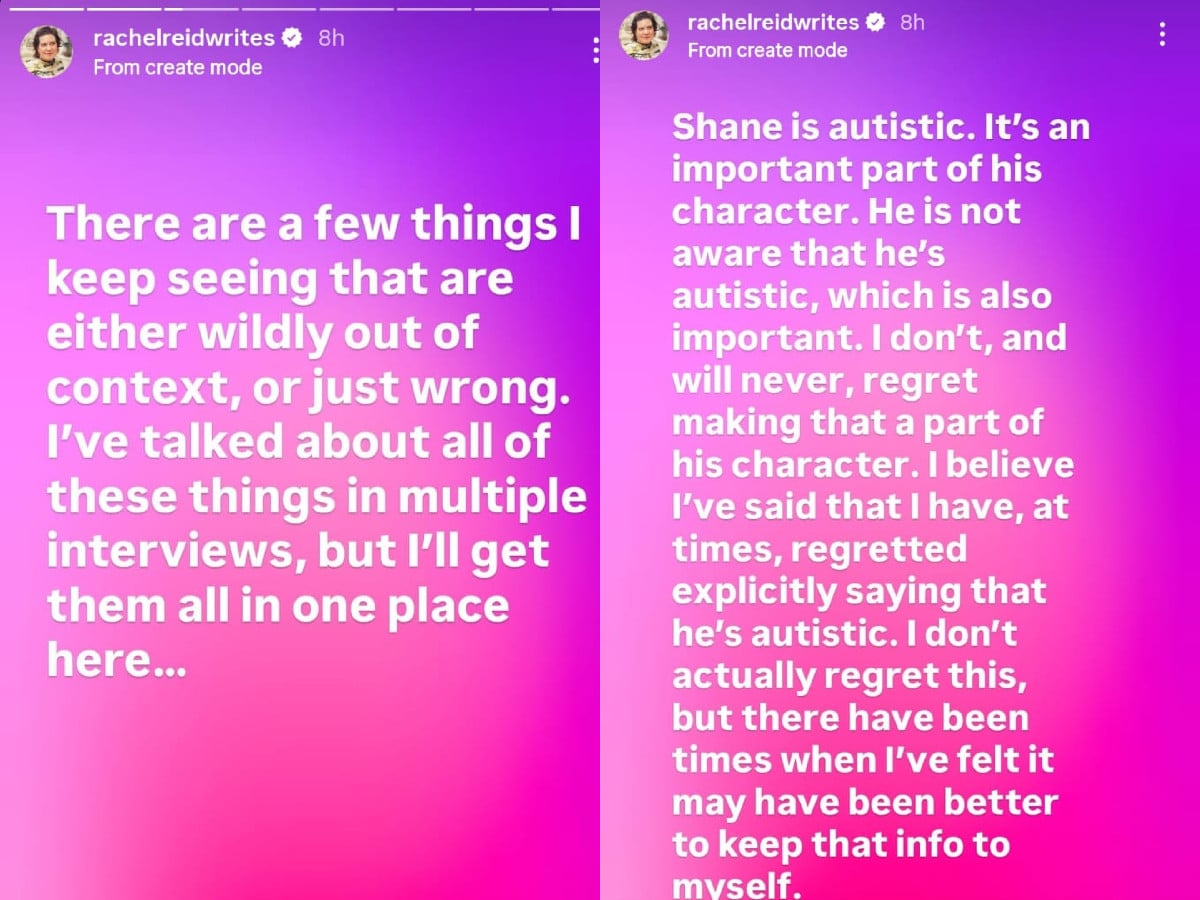
Analyzing Character Identity: Is Shane Hollander Autistic in the Book?
Shane Hollander, a central protagonist in the popular romance novel Icebreaker by Hannah Grace, is not explicitly identified as autistic within the text of the book. While readers often analyze his reserved demeanor, rigid adherence to...
Shane Hollander, a central protagonist in the popular romance novel Icebreaker by Hannah Grace, is not explicitly identified as autistic within the text of the book. While readers often analyze his reserved demeanor, rigid adherence to routines, and specific social challenges through the lens of neurodivergence, the author has not confirmed a formal diagnosis for the character, nor is one presented as part of his narrative arc.
Contents
Understanding the Context of Character Analysis
In contemporary literature, particularly within the romance genre, readers frequently engage in "headcanoning," a process where fans attribute specific traits or identities to characters based on interpretation rather than explicit textual evidence. Shane Hollander, the stoic and disciplined ice hockey captain, possesses several traits that resonate with the neurodivergent community.
His preference for structured environments, his laser-focused commitment to his sport, and his occasional struggles with interpreting non-verbal social cues are often cited by readers as potential indicators of autism. However, it is essential to distinguish between a character’s personality traits—developed by the author to serve the plot and character growth—and a clinical diagnosis. In Icebreaker, Shane’s behavior is primarily framed through the lens of elite athletics, personal trauma, and his specific emotional arc rather than a developmental condition.
The Intersection of Personality and Neurodivergence
When evaluating whether Shane Hollander is intended to be autistic, one must look at how his traits function within the story's internal logic. Authors often write characters with "quirks" to establish individuality. Shane’s traits serve the narrative in two ways:
- Narrative Stability: His routine-oriented nature makes him a foil to the more chaotic or spontaneous nature of the love interest, Anastasia Allen. This dynamic creates the "opposites attract" trope prevalent in the genre.
- Internal Conflict: His difficulty with expressing vulnerability is frequently tied to his experiences with high-pressure sports environments and past relational dynamics, rather than being presented as an inherent cognitive or neurological difference.
While many readers find his portrayal relatable or representative of the autistic experience, it is important to acknowledge that literature is subjective. A reader’s ability to see themselves in a character does not necessarily equate to the author’s intent regarding a specific medical diagnosis.
Comparing Character Traits in Contemporary Romance
To provide a clearer perspective, we can compare how neurodivergence is traditionally coded in fiction versus standard character development. The following table highlights common traits observed in Shane Hollander and how they are utilized in the context of Icebreaker.
| Trait | Narrative Context in Icebreaker | Common Interpretations |
|---|---|---|
| Rigid Routine | Essential for his peak performance as a hockey player. | Often interpreted as a sensory or regulatory need. |
| Social Stoicism | A result of his upbringing and the stoic culture of elite sports. | Often viewed as "masking" or social communication differences. |
| Direct Communication | His way of managing misunderstandings and reducing conflict. | Viewed as a lack of social "filter" or literal-mindedness. |
| Intense Focus | His dedication to the Maple Hills hockey program. | Frequently associated with special interests or hyper-focus. |
The Role of Interpretive Reading
The discussion surrounding Shane Hollander’s identity highlights a significant shift in reader engagement. In 2026, audience-led analysis is more prevalent than ever. When an author creates a character whose internal world is somewhat guarded or unconventional, the community often projects their own experiences onto that character to create a deeper connection.
If you are reading Icebreaker and finding resonance with Shane’s behaviors, you are participating in a valid literary tradition. Many neurodivergent individuals find comfort in characters who exhibit similar executive functioning styles or social hurdles, regardless of whether the author intended for those characters to carry a medical label. However, from a strictly textual standpoint, Shane Hollander remains a neurotypical character defined by his athletic discipline and personal background.
Why Ambiguity Matters in Fiction
Character ambiguity is often a deliberate tool for authors. By not labeling Shane with a specific condition, Hannah Grace allows the character to remain versatile. He becomes a vessel for the reader's own experiences. If the book explicitly stated he was autistic, the narrative might be forced to focus on the challenges associated with that diagnosis. By leaving it out, the story stays focused on the romance and the athletic competition.
For many readers, this open-endedness is preferable. It prevents the character from being reduced to a single label. It allows Shane to be a complex, multidimensional person whose personality traits—whether or not they mirror autism—are simply part of who he is as a character within the world of Maple Hills.
Frequently Asked Questions
1. Does Hannah Grace ever comment on Shane Hollander’s potential autism? No, the author has not identified Shane Hollander as autistic in interviews or supplementary materials. The discussion remains entirely within the realm of reader interpretation and headcanoning.
2. Are there other characters in Icebreaker who are explicitly autistic? No, Icebreaker does not explicitly label its central characters with neurodevelopmental disorders. The story focuses on collegiate athletics, interpersonal relationships, and professional ambition.
3. Why do so many readers believe Shane is autistic? Readers often identify with his "special interests" (hockey), his need for structured environments, and his communication style. These traits, while common in autistic populations, are also common character tropes for athletes in sports romance novels.
4. Does it change the story if we assume he is autistic? It changes the reader’s internal experience. If you interpret his actions through the lens of autism, you may find his arc more meaningful, particularly regarding his sensory needs and social interactions. However, it does not change the plot events written by the author.
5. How should readers navigate characters with neurodivergent-coded traits? It is helpful to separate the author's official characterization from your personal interpretation. Enjoying a character because they represent your own identity is valid, even if the author did not consciously write them with that identity in mind.
Recommendation
If you are interested in stories that explore neurodivergence, it is often more rewarding to seek out books where the author explicitly centers that experience. While Icebreaker provides a compelling romance and a protagonist with relatable quirks, it is primarily a sports romance, not an exploration of neurodivergent lived experience. If you find yourself gravitating toward Shane Hollander for his specific personality traits, you may enjoy exploring literature explicitly tagged with #NeurodivergentProtagonist or #OwnVoices to find stories that explicitly navigate those themes.
Image Gallery