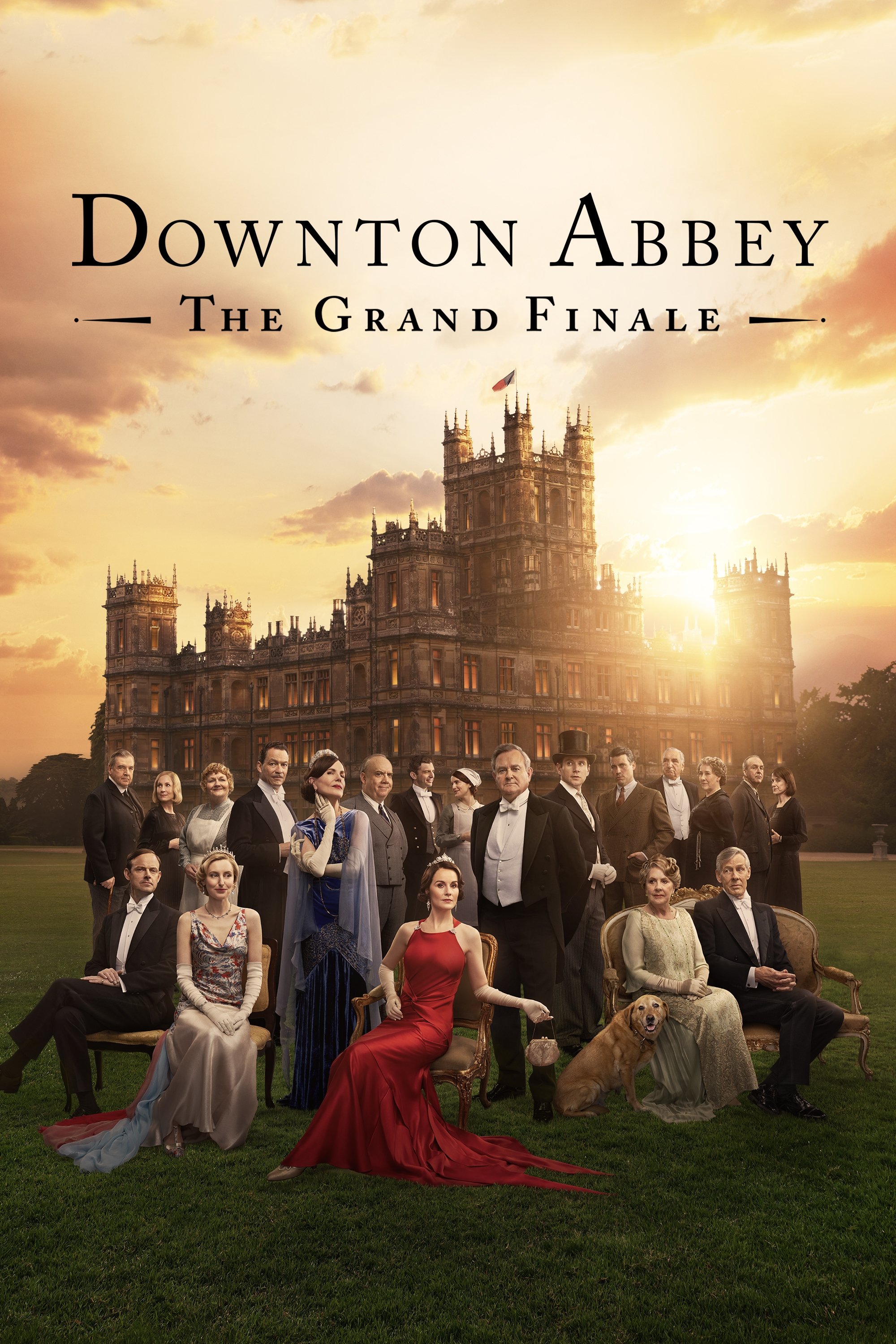
Navigating Downton Abbey Season Three Spoilers: Key Plot Points, Character Fates, and Historical Context
Downton Abbey season three delivers major narrative shifts, including dramatic romances, tragic losses, and the changing socioeconomic landscape of post-World War I England, fundamentally altering the lives of the Crawley family and th...
Downton Abbey season three delivers major narrative shifts, including dramatic romances, tragic losses, and the changing socioeconomic landscape of post-World War I England, fundamentally altering the lives of the Crawley family and their estate staff.
Contents
Understanding the narrative trajectory of Downton Abbey season three requires looking beyond simple plot twists to examine the structural changes facing the British aristocracy during the early 1920s. Originally broadcast on ITV in the UK and on PBS Masterpiece in the US, Julian Fellowes' period drama reached a pivotal juncture in its third season. For viewers revisiting the series or catching up after its initial run, navigating the wealth of narrative developments, character exits, and historical milestones can significantly enrich the viewing experience. This analysis explores the core events of season three, providing a comprehensive breakdown of the developments that shaped one of television's most celebrated historical dramas.
The Socioeconomic Backdrop of 1920-1921
Season three opens in 1920, placing the fictional Yorkshire estate squarely in the turbulent aftermath of the First World War. While the physical battles have ended, the domestic landscape faces an economic war of attrition. Traditional landed estates like Downton Abbey struggle under the weight of crushing post-war taxation, agricultural depression, and rising maintenance costs.
Julian Fellowes uses these structural pressures as a primary narrative engine. The aristocratic lifestyle of the Crawley family is no longer self-sustaining. Throughout the season, characters must confront the reality that modernizing estate management is no longer optional. This economic anxiety manifests in several ways:
- The Downton Dowry Crisis: Robert Crawley, Earl of Grantham, faces financial ruin due to disastrous investments made in Canadian railway stock by his late father-in-law, prompting a desperate search for capital.
- Staff Rationalization: Downstairs, the footman and maid counts are scrutinized, reflecting the broader societal shift where domestic service began losing its dominance as the primary employer for the British working class.
- The Changing Role of Women: Female characters increasingly look outside the estate for purpose, whether through journalism, political activism, or career training.
Major Plot Developments and Character Arcs
The narrative structure of season three is defined by high-stakes romance, legal battles, and profound personal tragedy. Viewers examining these storylines find a deliberate blend of soap-opera dramatics and historical commentary.
| Character / Plot Element | Core Season Three Arc |
|---|---|
| Matthew & Mary | Overcoming past hesitation, marrying, and securing Downton's financial future through Lavinia's father's inheritance. |
| Sybil & Tom Branson | Integration of the former chauffeur into the family, political exile in Ireland, and tragic death following childbirth. |
| John & Anna Bates | Vera Bates' murder mystery, John's imprisonment at York prison, and Anna's tireless campaign to prove his innocence. |
| Edith Crawley | Jilted at the altar by Sir Anthony Strallan, leading to a pivot toward a career in London journalism. |
The Wedding of Matthew Crawley and Lady Mary
The protracted romance between Matthew Crawley (Dan Stevens) and Lady Mary (Michelle Dockery) reaches its formal resolution in the second episode with their long-awaited wedding. However, domestic bliss is immediately challenged by financial realities. The estate is saved from complete liquidation only when Matthew accepts an unexpected inheritance from the late Reginald Swire, father of his former fiancée Lavinia. This influx of capital makes Matthew a co-owner of Downton, creating professional friction between him and Lord Grantham over modernization strategies.
The Tragedy of Lady Sybil
Perhaps the most emotionally impactful development of the season involves Lady Sybil Branson (Jessica Brown Findlay) and her husband, former chauffeur Tom Branson (Allen Leech). After fleeing political unrest in Ireland, Sybil gives birth to a daughter, Sybie, at Downton Abbey. Following the delivery, Sybil suffers from eclampsia (toxemia of pregnancy). The medical conflict between the traditionalist Dr. Clarkson, who dismisses early warning signs, and the London specialist Sir Philip Tuda, who refuses to intervene, results in Sybil’s sudden and devastating death. This loss shatters the family dynamic and cements Tom's permanent integration into the Crawley household.
The Legal Ordeal of John Bates
Downstairs, valet John Bates (Brendan Coyle) spends a significant portion of the season imprisoned after being wrongfully convicted of murdering his estranged wife, Vera Bates. His wife, lady's maid Anna (Joanne Froggatt), dedicates herself entirely to gathering evidence and securing legal representation to overturn the verdict. The storyline highlights the rigid, unforgiving nature of the British penal system in the early 1920s and tests the absolute loyalty of the central upstairs-downstairs romance.
Edith’s Rebuilding and the Arrival of Rose
Lady Edith (Laura Carmichael) faces public humiliation when her much older fiancé, Sir Anthony Strallan, jilts her at the altar during the third episode. Rather than retreating into permanent seclusion, Edith begins writing opinion columns for a London newspaper, engaging with the burgeoning suffrage movement and modern social discourse. Meanwhile, the introduction of Lady Rose MacClare (Lily James), Robert’s free-spirited niece, injects rebellious Jazz Age energy into the estate, setting the stage for future generational conflicts.
The Shocking Finale and the Departure of Dan Stevens
The narrative momentum of season three culminates in a tragic and abrupt conclusion during the annual Christmas special set in Scotland.
Just minutes after Lady Mary gives birth to their son and heir, George, Matthew Crawley drives back from the hospital in high spirits. While navigating country roads, his car is run off the road by an oncoming vehicle, resulting in an immediate fatal crash. This sudden exit of Dan Stevens from the series fundamentally altered the trajectory of the show, shifting the narrative focus in subsequent seasons away from the Matthew-Mary dynamic toward Mary's grief, independence, and management of the estate as a young widow.
Frequently Asked Questions
Why did Dan Stevens leave Downton Abbey at the end of season three?
Dan Stevens chose not to renew his three-year contract because he wanted to pursue international film and theater opportunities, particularly in the United States. While the departure shocked viewers, the actor and producers agreed that a tragic accident was the only realistic way to write out a character so deeply devoted to his wife and child.
What historical medical condition caused Lady Sybil's death?
Lady Sybil died from eclampsia, a severe complication of pregnancy characterized by high blood pressure and seizures. In the episode, symptoms such as sudden swelling, severe headaches, and protein in the urine are overlooked or misdiagnosed by the local physician, reflecting the limitations of rural medical care during that era.
How does Downton Abbey survive its financial crisis?
The estate is saved through a financial injection from Matthew Crawley's inheritance. Because Lavinia Swire's father was a wealthy solicitor who died intestate regarding a portion of his estate, Matthew eventually receives a substantial sum, which he uses to buy into the estate partnership and modernize its operations.
Does John Bates get released from prison?
Yes. Through the persistent investigative work of Anna Bates, supported by Lord Grantham and other staff members, new evidence and witness testimonies emerge proving that Vera Bates committed suicide to frame her husband. John Bates is subsequently exonerated and returns to his position as valet.
Practical Next Actions for Viewers
For those revisiting season three or exploring related content, consider the following steps to deepen your appreciation of the series:
- Examine Historical Context: Read contemporary accounts of post-WWI British taxation and the gradual decline of the landed gentry to understand the economic pressures depicted in the show.
- Explore Behind-the-Scenes Material: Consult official production companion books written by Julian Fellowes and the production team to learn about the historical research behind the costumes, set designs, and etiquette.
- Continue the Narrative: Proceed to season four with an awareness that the narrative themes shift heavily toward grief recovery, economic adaptation, and the roaring twenties cultural transition.
Image Gallery