Understanding the Beats by Dre Ownership Structure
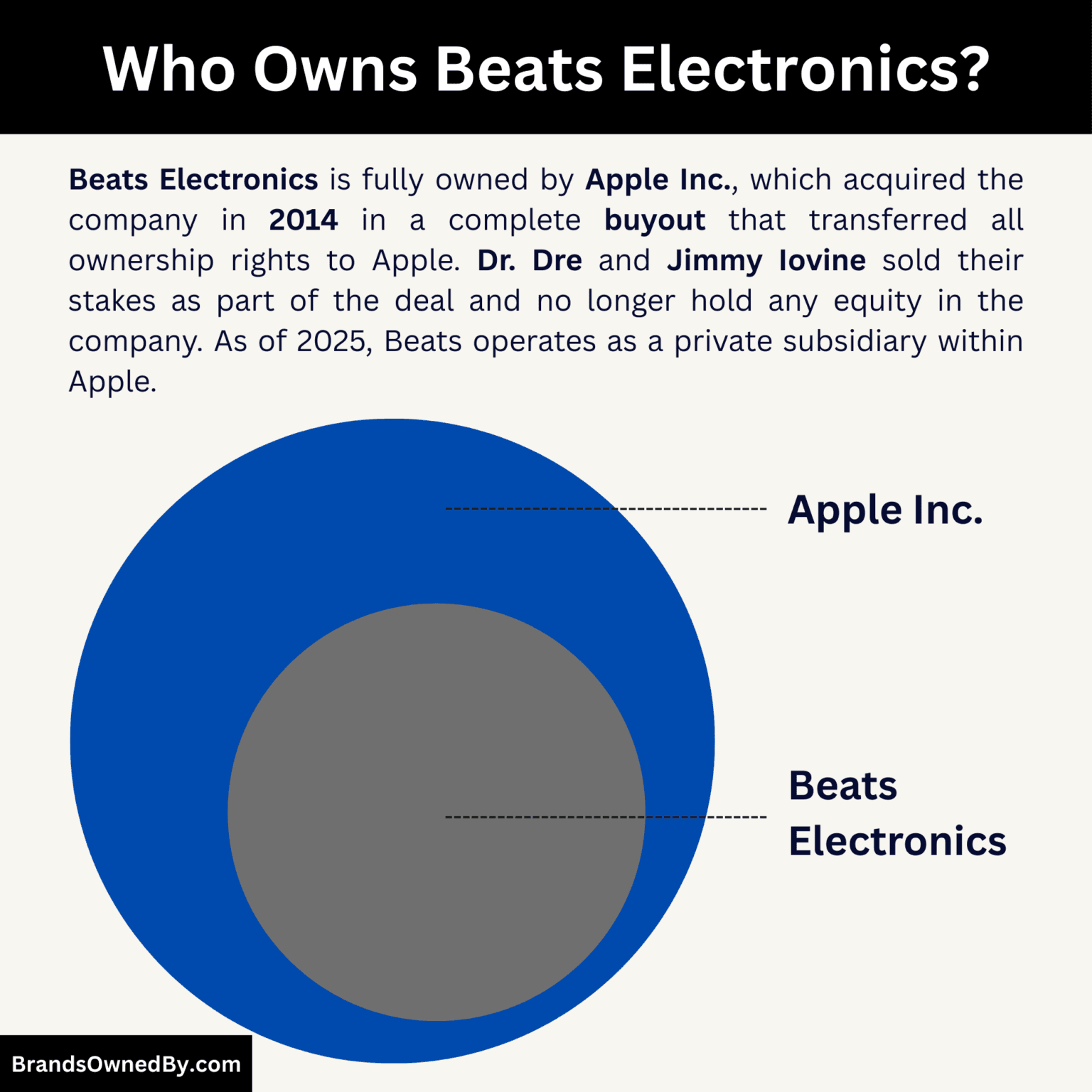
Beats by Dre is currently a wholly owned subsidiary of Apple Inc., operating as part of its hardware and services ecosystem. Originally founded as Beats Electronics in 2006 by Dr. Dre and Jimmy Iovine, the company was acquired by Apple...
Beats by Dre is currently a wholly owned subsidiary of Apple Inc., operating as part of its hardware and services ecosystem. Originally founded as Beats Electronics in 2006 by Dr. Dre and Jimmy Iovine, the company was acquired by Apple in 2014 for $3 billion. Today, it functions as a premium audio brand under the Apple corporate umbrella, maintaining its distinct market identity while utilizing Apple’s proprietary technologies.
Contents
The Origins of Beats Electronics
To understand the current ownership structure, one must first look at the company’s independent roots. Beats Electronics was established in 2006 by legendary hip-hop producer Dr. Dre and Interscope Geffen A&M chairman Jimmy Iovine. The initial vision was to address the perceived decline in audio quality in the digital music era, specifically targeting the inadequacy of the standard white earbuds bundled with portable media players of that time.
The company rapidly expanded beyond its initial product offering of high-end, bass-heavy headphones. By leveraging celebrity endorsements and a sophisticated marketing strategy, Beats quickly became a cultural phenomenon, dominating the premium headphone market segment. In 2012, the company further expanded by launching a music subscription service, Beats Music, which sought to curate music experiences through human-led playlists rather than relying solely on algorithmic generation.
The 2014 Acquisition: A Strategic Pivot
In May 2014, Apple Inc. announced its intent to acquire Beats Electronics and Beats Music for a total of $3 billion. The deal was finalized later that year, representing the largest acquisition in Apple’s history at that time. The purchase was not merely an acquisition of hardware; it was a strategic move designed to accelerate Apple’s entry into the streaming music market and to bolster its hardware portfolio with an established fashion-forward audio brand.
When the acquisition closed, Beats underwent a transition from a standalone independent entity to a fully integrated division of Apple. This move effectively ended the independent ownership of the company by its founders and venture capital partners, such as HTC and Carlyle Group, who held stakes prior to the sale.
Current Operational Integration
As of 2026, the ownership of Beats is absolute. It is not a partner brand, nor does it operate under a joint venture agreement. Instead, it is a subsidiary brand. This relationship allows Beats to operate with a degree of internal autonomy regarding its industrial design and marketing aesthetic while benefiting from Apple's supply chain, R&D, and engineering prowess.
The technical integration is most visible in the internal hardware of modern Beats products. Many wireless Beats headphones and earbuds now utilize the same Apple-developed H1 and W1 wireless chips found in AirPods. This allows for seamless "ecosystem" features, such as instant pairing with iOS devices, automatic switching between iCloud-connected hardware, and deep integration with the Find My network.
Comparative Overview of Ownership Models
The following table illustrates the shift from the company’s independent phase to its current status within the Apple corporate structure.
| Feature | Independent Era (2006–2014) | Apple Subsidiary Era (2014–Present) |
|---|---|---|
| Primary Owner | Dr. Dre, Jimmy Iovine, Private Equity | Apple Inc. |
| Operational Control | Founder-led / Independent Board | Apple Executive Leadership |
| R&D Strategy | Proprietary internal development | Integration with Apple silicon (W/H chips) |
| Distribution | Third-party retail and direct-to-consumer | Apple Stores and global supply chain |
| Market Positioning | Lifestyle and fashion-audio | Ecosystem-integrated premium audio |
Why Apple Maintained the "Beats" Brand
A common question arises regarding why Apple, a company known for its unified branding, continues to maintain a separate identity for Beats. The answer is rooted in brand equity and demographic reach.
Beats carries a distinct cultural cachet that differs from the minimalist, utilitarian aesthetic associated with the standard Apple brand. By maintaining the Beats identity, Apple successfully manages two distinct tiers of the audio market:
- The AirPods Line: Targeted at the general consumer, focusing on universal functionality and the Apple aesthetic.
- The Beats Line: Targeted at a demographic that values style-forward design, specific frequency profiles (historically bass-centric), and cross-platform compatibility, particularly with Android devices.
Furthermore, Beats maintains a strong retail footprint that is occasionally wider than that of exclusive Apple-branded products, allowing the parent company to capture segments of the market that might avoid Apple-only audio gear for cultural or platform-preference reasons.
Legal and Financial Implications
Under the current ownership structure, there is no public stock for Beats Electronics. Investors seeking exposure to the performance of the Beats brand must do so by investing in Apple Inc. (AAPL). Because Beats is folded into Apple’s "Wearables, Home, and Accessories" financial reporting segment, it does not issue independent earnings reports. This transition from a private entity to a component of a large-cap public corporation signifies the total consolidation of its legal and financial liabilities.
The founders, Dr. Dre and Jimmy Iovine, transitioned into roles at Apple post-acquisition, though their level of day-to-day involvement in the development of Beats products has evolved over the years as the brand became fully integrated into the Apple hardware roadmap.
Frequently Asked Questions
Does Beats by Dre still operate as an independent company? No. Beats is a wholly owned subsidiary of Apple Inc. It is not an independent business entity, and it does not have its own board of directors or independent shareholders.
Can I buy stock in Beats by Dre? No, Beats does not have its own ticker symbol. It is a subsidiary of Apple, so any financial growth generated by Beats is consolidated into the overall financial performance of Apple Inc. (NASDAQ: AAPL).
Do Beats products still work with Android devices? Yes. One of the primary strategic advantages of keeping the Beats brand under the Apple umbrella is its ability to market to Android users. Beats products are designed to support Android connectivity via the Beats app, a feature that distinguishes them from standard AirPods.
Who makes the decisions for Beats by Dre? Strategic and operational decisions for the brand are made by Apple executives. While there is a specific design and engineering team dedicated to the Beats product line, they report up through the Apple hardware and services chain of command.
Will Apple ever sell the Beats brand? While corporate strategy is subject to change, there is no evidence suggesting Apple intends to divest the brand. It provides a unique market segment coverage that complements the AirPods lineup, and it remains a high-value asset within the Wearables, Home, and Accessories segment.
Final Next Action
For users and investors, the ownership structure of Beats by Dre is solidified as a permanent feature of Apple’s business model. If you are a consumer, you should view Beats products as Apple-engineered hardware with distinct lifestyle branding. If you are an investor, look to the "Wearables, Home, and Accessories" section of Apple’s quarterly earnings reports to track the long-term performance and market impact of the Beats brand. No further changes to this ownership structure are expected in the current 2026 fiscal cycle.
Image Gallery