What the Average Cost of Life Insurance in Illinois Means for You
The average cost of life insurance in Illinois serves as a vital benchmark for financial planning, typically ranging from $25 to $60 monthly for healthy adults seeking term coverage in 2026. For you, this average represents a baseline...
The average cost of life insurance in Illinois serves as a vital benchmark for financial planning, typically ranging from $25 to $60 monthly for healthy adults seeking term coverage in 2026. For you, this average represents a baseline to evaluate quotes, influenced by age, health, and Illinois-specific consumer protection laws and regulatory oversight.
Contents
Navigating the life insurance landscape in the Prairie State requires more than just looking at a single number. While national trends often dictate the general direction of premiums, Illinois residents operate within a specific regulatory environment managed by the Illinois Department of Insurance (IDOI). In 2026, as economic shifts and advances in medical underwriting continue to evolve, understanding what the "average" cost implies for your personal economy is the first step toward securing your family’s future without overpaying for protection.
Decoding the 2026 Illinois Life Insurance Market
In 2026, the life insurance market in Illinois remains robust, reflecting a blend of traditional actuarial science and modern data analytics. When we speak of the "average cost," we are generally referring to a standard profile: a non-smoking individual in their mid-30s to early 40s seeking a 20-year term policy with a $500,000 death benefit.
For Illinois residents, these averages are influenced by the state’s demographic diversity and the competitive presence of both national carriers and local mutual insurers. The average cost is not a fixed price tag but rather a statistical midpoint. If you find a quote significantly higher than the state average, it suggests that your specific risk profile—determined by your health history, occupation, or lifestyle—is viewed as higher than the norm by underwriters. Conversely, being offered a rate below the average indicates an "Elite" or "Preferred Plus" health status.
The 2026 landscape also accounts for the "cost of living" adjustments that have permeated the financial sector over the last few years. While life insurance premiums for level-term policies remain locked in once purchased, the starting rates for new policies in 2026 reflect the updated mortality tables released by the Society of Actuaries, which now incorporate post-pandemic longevity data and improved treatments for chronic conditions.
Why "Average" Is Only the Starting Point
Understanding the average cost of life insurance in Illinois is helpful for budgeting, but it is rarely the price a consumer actually pays. Life insurance is one of the few financial products where the "price" is personalized through a process called underwriting.
The Personalization of Risk
In Illinois, insurers use a variety of data points to move you away from the average toward a specific "rating class." These classes typically include:
- Preferred Plus/Elite: For those in exceptional health with no family history of early disease.
- Preferred: For those in very good health, perhaps with minor, well-managed issues like slightly elevated cholesterol.
- Standard: This is where the "average" cost usually sits. It covers individuals with average health and lifestyle risks.
- Substandard/Rated: For individuals with significant health history (e.g., diabetes, heart disease) or high-risk hobbies.
The Role of Geography within Illinois
While life insurance rates do not fluctuate by zip code as drastically as auto or homeowners insurance, the "average" in Illinois can be skewed by the higher concentration of high-coverage policies in the Chicago metropolitan area versus downstate regions. Residents in the suburbs of Chicago might seek higher death benefits to cover larger mortgages, which can drive the "average" premium upward in state-wide data, even if the base rate per thousand dollars of coverage remains consistent.
Comparative Costs of Coverage in Illinois (2026 Projections)
To give you a clearer picture of where you might land relative to the average, the following table illustrates projected monthly premiums for term and permanent life insurance in Illinois for healthy, non-smoking individuals.
| Age | Gender | Policy Type | Coverage Amount | Est. Monthly Premium (2026) |
|---|---|---|---|---|
| 25 | Female | 20-Year Term | $500,000 | $18 - $24 |
| 25 | Male | 20-Year Term | $500,000 | $22 - $29 |
| 35 | Female | 20-Year Term | $500,000 | $25 - $33 |
| 35 | Male | 20-Year Term | $500,000 | $31 - $42 |
| 45 | Female | 20-Year Term | $500,000 | $48 - $62 |
| 45 | Male | 20-Year Term | $500,000 | $59 - $78 |
| 35 | Female | Whole Life | $250,000 | $180 - $240 |
| 35 | Male | Whole Life | $250,000 | $210 - $280 |
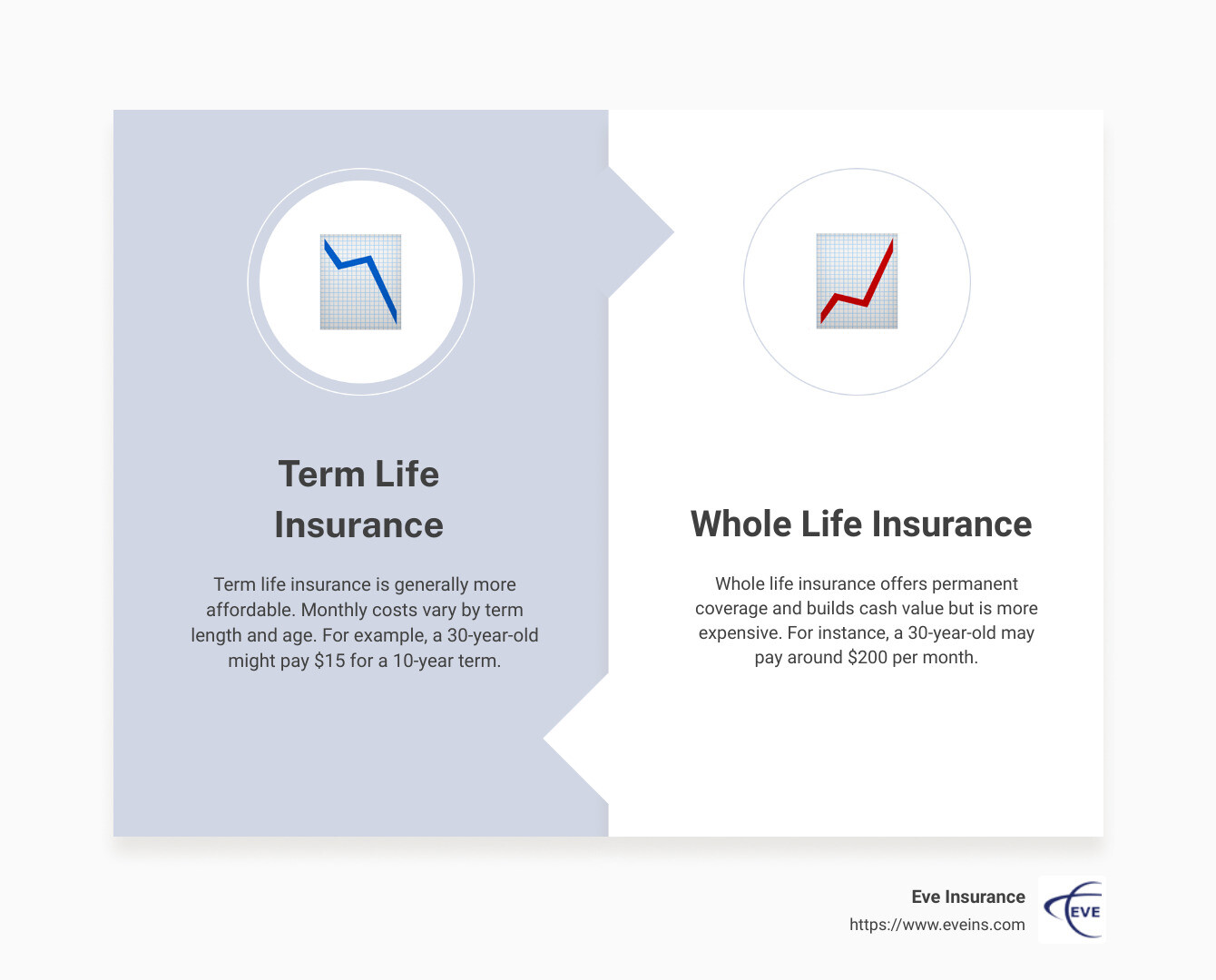
Note: These figures are estimates based on 2026 market trends and are subject to individual underwriting. Permanent policies like Whole Life are significantly more expensive because they build cash value and cover the insured for their entire life.
State-Specific Protections and Regulations
What the average cost means for you is also defined by the legal framework of Illinois. The state provides several safeguards that ensure the value of the premiums you pay is protected.
The Illinois Life and Health Insurance Guaranty Association
If an insurance company authorized to do business in Illinois becomes insolvent, the Illinois Life and Health Insurance Guaranty Association provides a safety net. For life insurance death benefits, the association generally provides coverage up to $300,000 per insured life. This means that when you are comparing costs, you can have a degree of confidence even when choosing a smaller or newer carrier, provided they are licensed in the state.
The "Free Look" Period
In Illinois, consumers are typically granted a "Free Look" period, which is a window of time (often 10 to 30 days depending on the policy type and company) after the policy is delivered to review the terms. During this time, you can cancel the policy for any reason and receive a full refund of all premiums paid. This regulation protects you from high-pressure sales tactics that might lead you to buy a policy above the average cost without fully understanding the commitment.
Grace Periods and Reinstatement
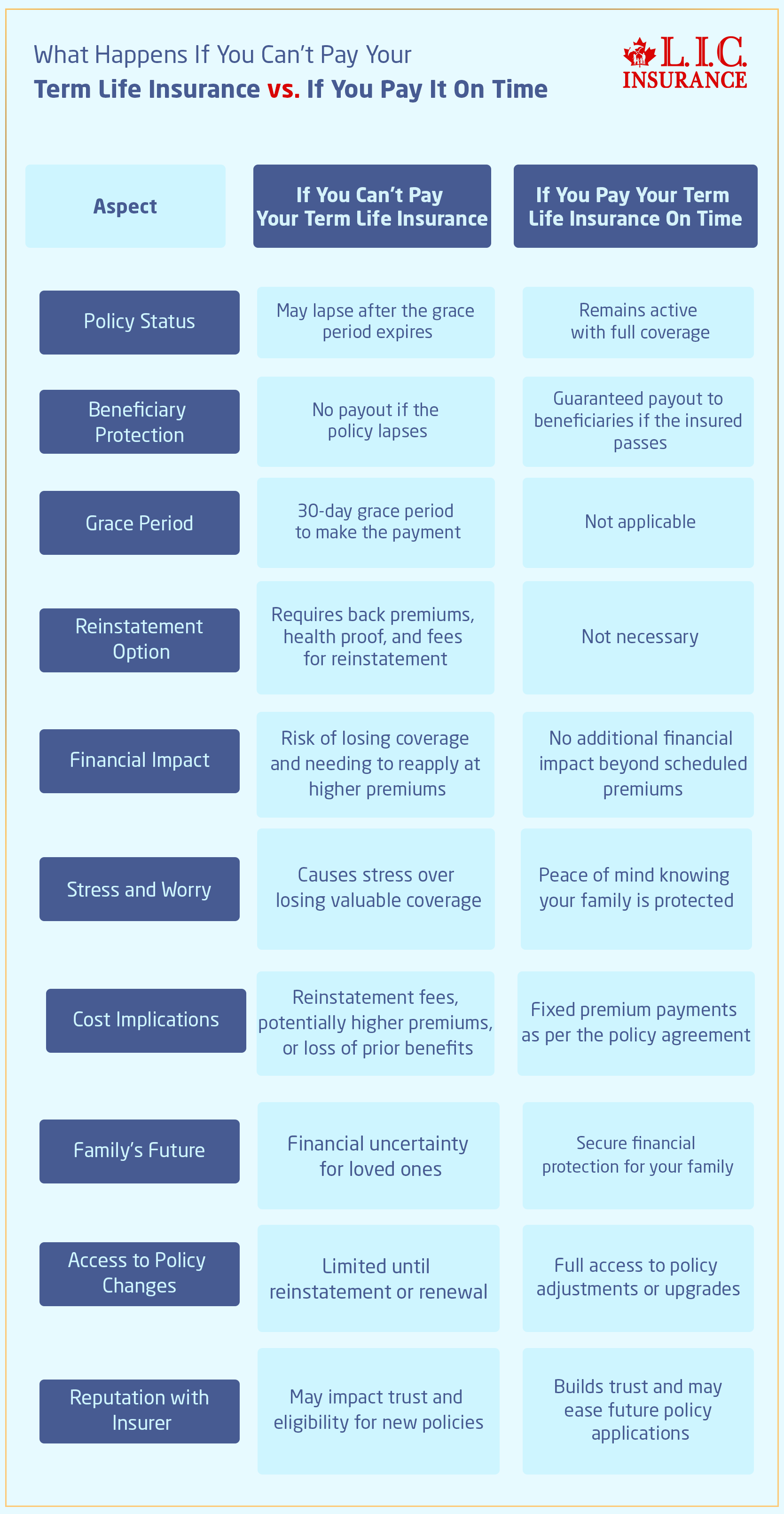
Illinois law requires a grace period (usually 30 or 31 days) for premium payments. If you miss a payment, your policy won't immediately lapse. This is a crucial protection for maintaining the "average" rate you locked in years ago, especially if a lapse would force you to re-apply at a much higher age-based rate.
How Your Lifestyle and Health Impact Illinois Rates
When you look at the average cost, you must weigh it against your personal reality. In 2026, Illinois insurers are increasingly using "accelerated underwriting," which utilizes electronic records—such as prescription histories and motor vehicle records—to set prices without a medical exam.
The Smoking Penalty
In Illinois, as in the rest of the country, tobacco use remains the single largest factor that can double or even triple your premium compared to the average. If the average for a 35-year-old is $35, a smoker of the same age might see quotes starting at $90. Some insurers now distinguish between cigarette smokers and those who use vaping products or occasional cigars, though the "tobacco user" label generally applies to all.
Occupation and Hobbies
Illinois is home to diverse industries, from high-rise construction in Chicago to extensive agricultural operations across the state. If your job involves high-risk activities (e.g., structural steelwork or chemical handling) or if you spend your weekends skydiving in Ottawa, IL, your premium will likely sit well above the state average. Underwriters view these as "extraordinary risks" that require an additional "flat extra" fee added to the base premium.
Medical History and "Table Ratings"
If you have a chronic condition, you might be assigned a "table rating." This is a percentage increase over the standard (average) rate. For example, a "Table B" rating might add 50% to the standard premium. Understanding this helps you interpret why your quote might be $60 when the average you researched was $40.
Strategies for Securing Competitive Rates in Illinois
Knowing the average cost is your baseline; the goal is to beat it or at least match it with the best possible coverage. In 2026, several strategies can help Illinois residents optimize their life insurance spending.
- Lock in Rates Early: Life insurance costs increase by approximately 5% to 8% for every year you wait. Buying at age 30 instead of age 35 can save you thousands of dollars over the life of the policy.
- The "Laddering" Strategy: Instead of buying one massive $1 million policy, some Illinois residents buy multiple smaller policies. For example, a $500,000 20-year term policy to cover the mortgage and a $250,000 10-year term policy to cover the years children are in school. This keeps your total monthly outlay closer to the state average while targeting specific needs.
- Annual vs. Monthly Payments: Many Illinois insurers offer a discount (often 2% to 5%) if you pay your premium annually rather than monthly. This reduces the administrative costs for the carrier, and those savings are passed on to you.
- Review Group Coverage Carefully: Many people in Illinois rely on life insurance through their employer (e.g., at major Illinois employers like State Farm, Abbott, or United Airlines). While often "free" or low-cost, this coverage is usually not portable. If you leave the company, you lose the coverage. It is often better to have a private policy that sits at the average rate but stays with you regardless of your job status.
Frequently Asked Questions
Is life insurance more expensive in Chicago than in rural Illinois?
Generally, no. Life insurance premiums are based on mortality statistics that are calculated on a national or state-wide level, not by specific city or zip code. However, the type of policy and amount of coverage may differ based on local economic factors, such as higher mortgage balances in the Chicago area requiring larger death benefits, which results in a higher total premium.
How does the Illinois Department of Insurance protect me if rates seem too high?
The IDOI monitors insurance companies to ensure that rates are not "excessive, inadequate, or unfairly discriminatory." While they do not set the prices for life insurance, they ensure that the companies follow filed actuarial justifications for their rates. If you believe you are being unfairly charged based on a protected characteristic, you can file a complaint with the IDOI.
Can I get life insurance in Illinois without a medical exam in 2026?
Yes. In 2026, many carriers offer "no-exam" or "accelerated underwriting" policies for residents up to age 60 for coverage amounts up to $1 million or more. These policies are often priced very close to the average rates for traditional policies, provided you have a relatively clean medical and driving record that the insurer can verify electronically.
What happens to my Illinois life insurance if I move to another state?
Your policy remains in force as long as you continue to pay the premiums. The terms, conditions, and the premium rate you locked in while living in Illinois will not change just because you move to another state. However, the laws of the new state would generally govern any new policies you purchase after moving.
Does Illinois tax life insurance death benefits?
In most cases, no. Life insurance death benefits paid to a beneficiary are generally exempt from federal and Illinois state income tax. However, if the proceeds are paid to the deceased's estate, they may be subject to the Illinois Estate Tax if the total estate value exceeds the state's exemption threshold, which is $4 million in 2026.
Practical Recommendation
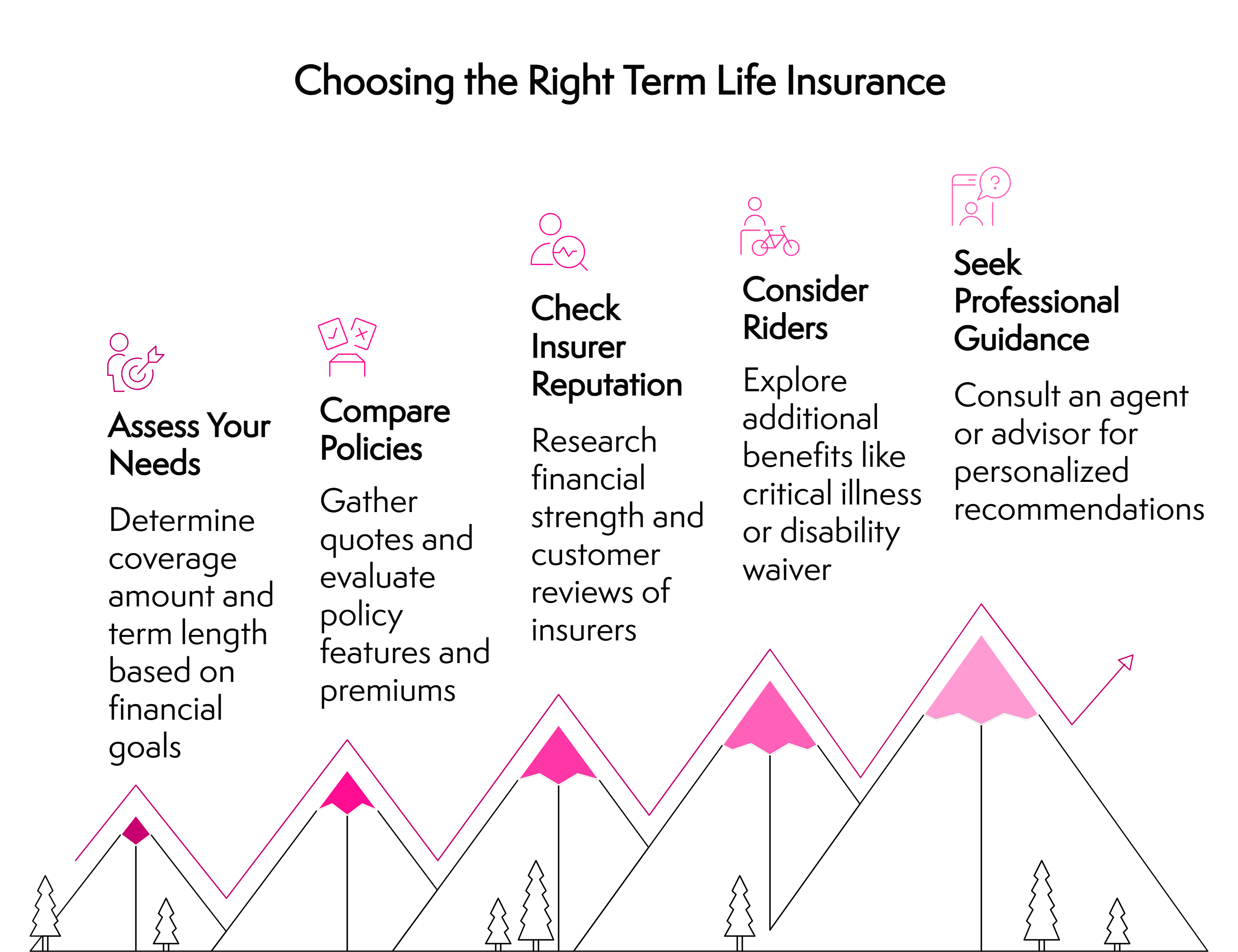
When considering the average cost of life insurance in Illinois, your next step should be to audit your existing coverage against your 2026 financial obligations. If you have recently purchased a home in an area like Naperville or Springfield, or if your family has grown, your "average" policy from five years ago may no longer be sufficient.
Seek out an independent agent who can compare rates from multiple carriers licensed in Illinois. By doing so, you can ensure that you aren't just paying the average, but are securing the most competitive rate available for your specific health and lifestyle profile. Always verify that any company you consider is in good standing with the Illinois Department of Insurance and check their financial strength rating through agencies like A.M. Best or S&P Global.
Disclaimer: This article is for informational purposes only and does not constitute financial, legal, or tax advice. Life insurance rates and regulations are subject to change. Consult with a licensed insurance professional or financial advisor for personalized guidance.
Image Gallery