Understanding the History and Context of Donald Trump's Hand and Finger Controversies
The public fascination with Donald Trump’s fingers and hands stems from two primary sources: a decades-long political feud regarding their physical size and a viral 2024 incident involving mysterious red marks. While these topics often...
The public fascination with Donald Trump’s fingers and hands stems from two primary sources: a decades-long political feud regarding their physical size and a viral 2024 incident involving mysterious red marks. While these topics often appear as tabloid fodder, they have played significant roles in political rhetoric, media analysis, and even the technical evolution of artificial intelligence imagery.
Contents
In the landscape of American political discourse, physical attributes are frequently weaponized, but few have been as persistent as the scrutiny directed at Donald Trump’s hands. From the "short-fingered vulgarian" epithet of the 1980s to the viral "red finger" speculation during his 2024 legal proceedings, these observations have transitioned from mere curiosity to central themes in his public persona. Understanding this obsession requires looking at the intersection of body language, political branding, and the viral nature of modern social media.
The 2024 "Red Marks" Mystery
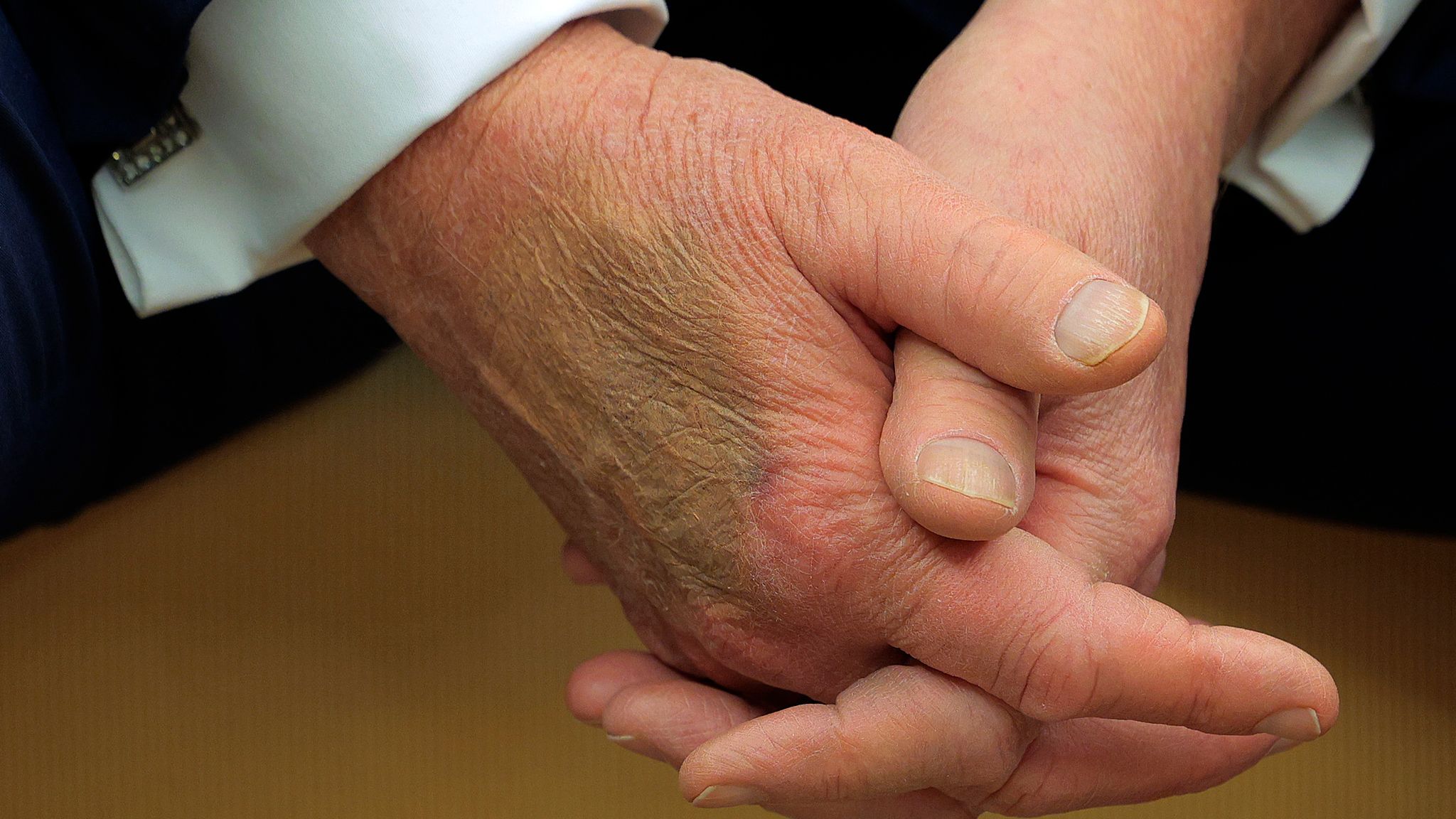
In January 2024, Donald Trump was observed leaving Trump Tower in New York City with visible red marks on his thumb, index finger, and the upper part of his palm. At the time, he was attending the E. Jean Carroll civil defamation trial. The images, captured by several news agencies, immediately sparked a wave of speculation across social media platforms and news outlets.
The Source of the Speculation
The marks appeared to be bright red sores or abrasions. Because the campaign did not initially provide a detailed medical explanation, the internet filled the void with various theories. These ranged from the mundane—such as paper cuts or a friction burn from a golf club—to the sensational, including claims of skin conditions or health issues.
James Carville, a veteran Democratic strategist, famously amplified the speculation in a video, suggesting the marks could be symptomatic of secondary syphilis. However, medical professionals noted that while skin rashes are a symptom of that condition, the marks on Trump’s hand were more consistent with common issues like contact dermatitis, blisters, or simple physical irritation.
The "Paper Cut" Explanation
Eventually, sources close to the Trump campaign informed various media outlets that the marks were simply the result of "paper cuts" sustained during the handling of legal documents. Given the volume of paperwork involved in his multiple concurrent legal battles in early 2024, the explanation was plausible, though it did little to dampen the enthusiasm of his detractors who had already turned the "red finger" into a viral meme.
The "Short-Fingered Vulgarian" Origins
While the 2024 incident was a specific event, the broader conversation regarding "Donald Trump’s fingers" dates back to the late 1980s. This narrative was pioneered by Graydon Carter and Kurt Andersen, the founders of Spy magazine.
The Spy Magazine Feud
In an effort to needle the then-real estate mogul, Spy magazine repeatedly referred to Trump as a "short-fingered vulgarian." The intent was to challenge Trump’s image as a powerful, larger-than-life figure by focusing on a physical attribute that suggested he was "small."
The tactic was remarkably effective. Graydon Carter later reported in Vanity Fair that for decades after the initial insult, Trump would periodically send him photos of his hands with his fingers circled in gold Sharpie to prove they were not short. This persistence highlights how much the "finger" narrative had integrated into Trump’s own sense of public image.
The 2016 Primary Debate
The "small hands" controversy reached its zenith during the 2016 Republican primaries. Senator Marco Rubio joked during a campaign rally that Trump had small hands for his height, adding, "And you know what they say about men with small hands? You can’t trust them."
Trump famously responded during a televised debate on March 3, 2016. He held up his hands for the audience and cameras, stating, "Look at those hands, are they small hands? And [Rubio] referred to my hands—'if they're small, something else must be small.' I guarantee you there's no problem. I guarantee." This moment was a landmark in American political history, marking one of the few times a presidential candidate addressed his own physical proportions in such a direct and suggestive manner.
Finger Gestures and Rhetorical Style
Beyond the physical size of his fingers, Donald Trump’s use of his fingers in communication is a core component of his oratorical style. Professional body language analysts have spent years deconstructing his "finger-heavy" gesturing.
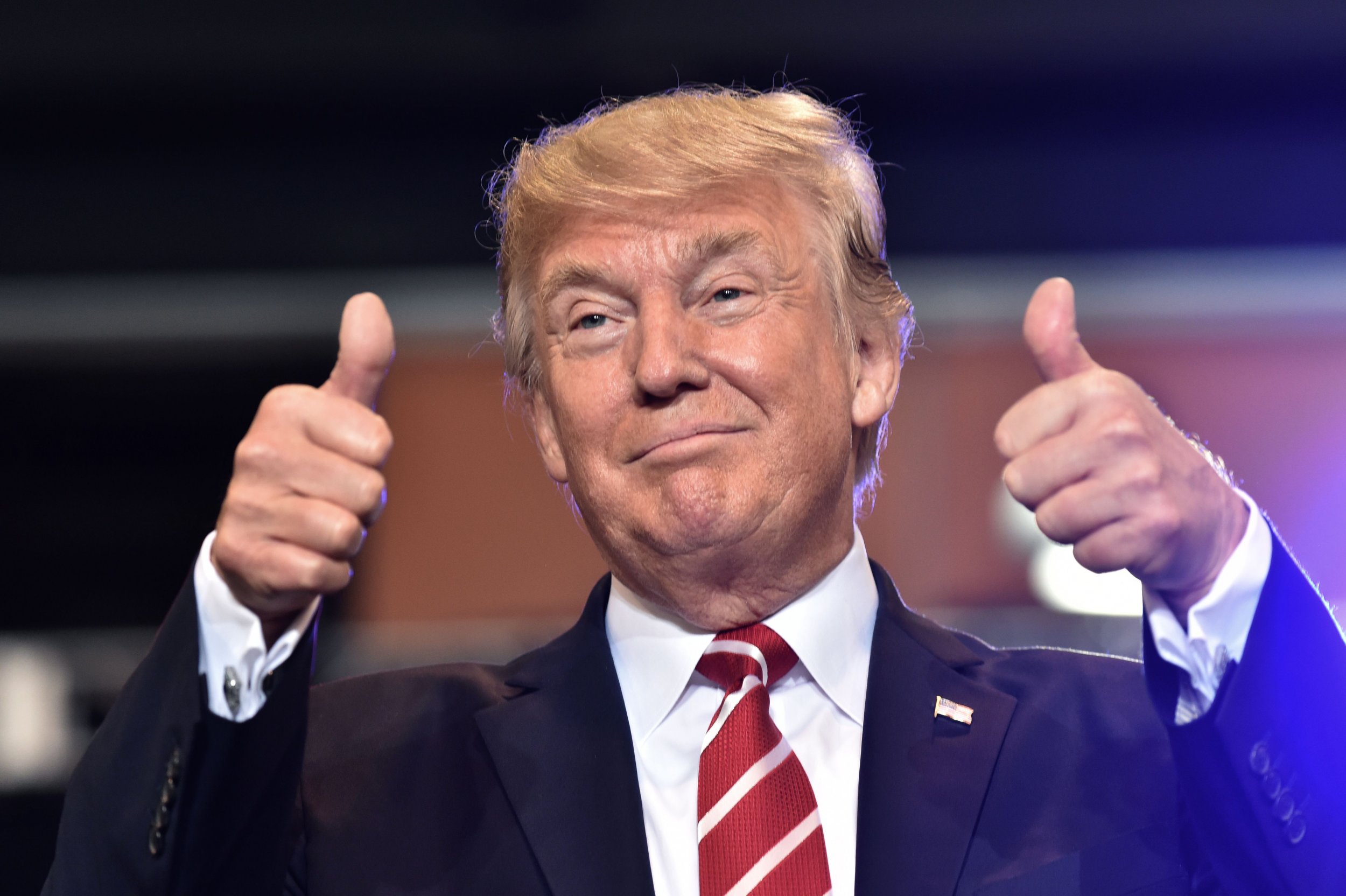
- The "L" and the Point: Trump frequently uses his thumb and index finger to create an "L" or "OK" sign while speaking. This is often used to emphasize specific points or to signal "perfection" when discussing economic or policy successes.
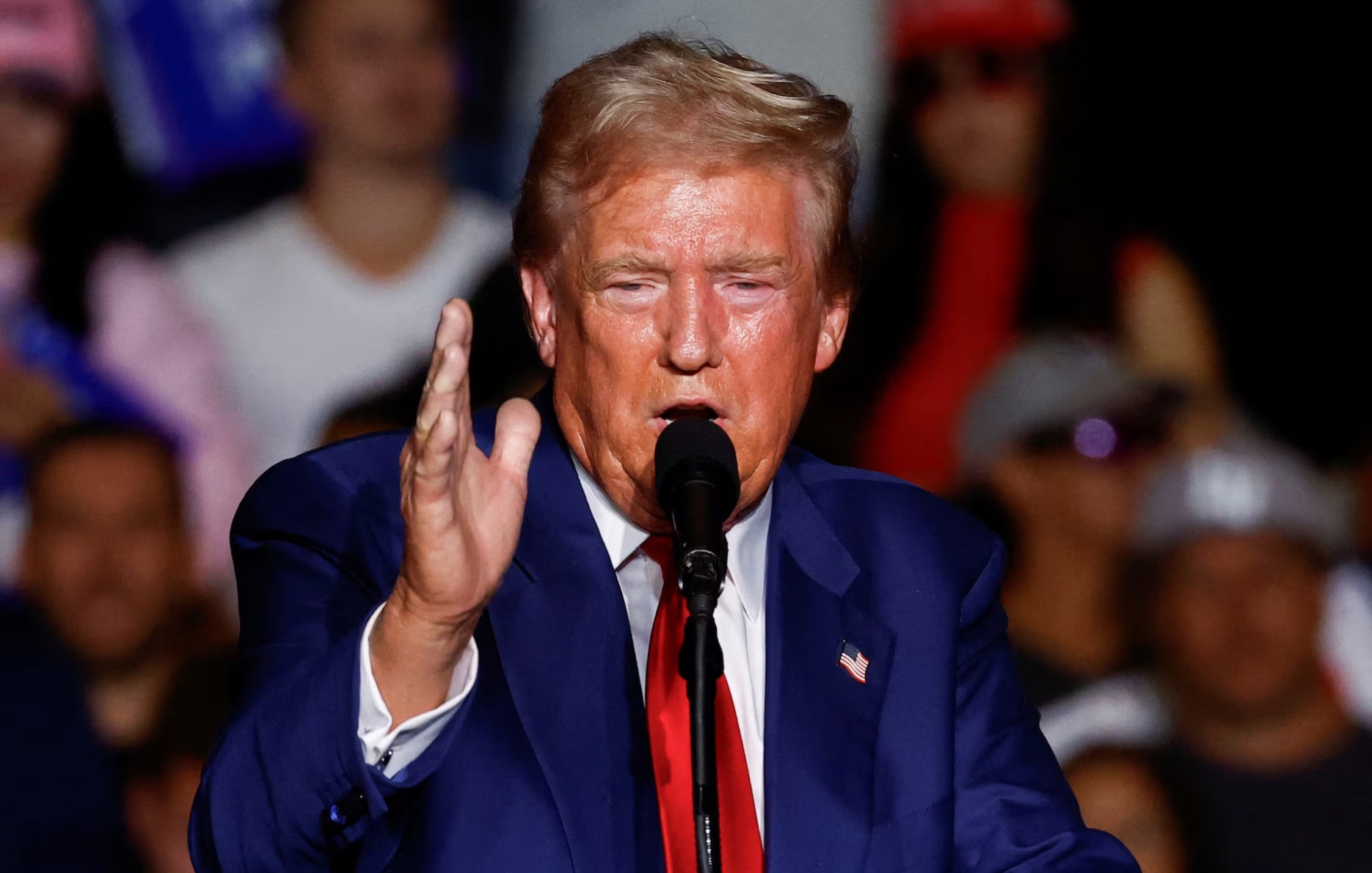
- The Invisible Accordion: When Trump speaks, his hands often move back and forth as if he is playing an invisible accordion. His fingers are usually spread wide during this movement, which analysts suggest is a way of "commanding space" and appearing larger to the audience.
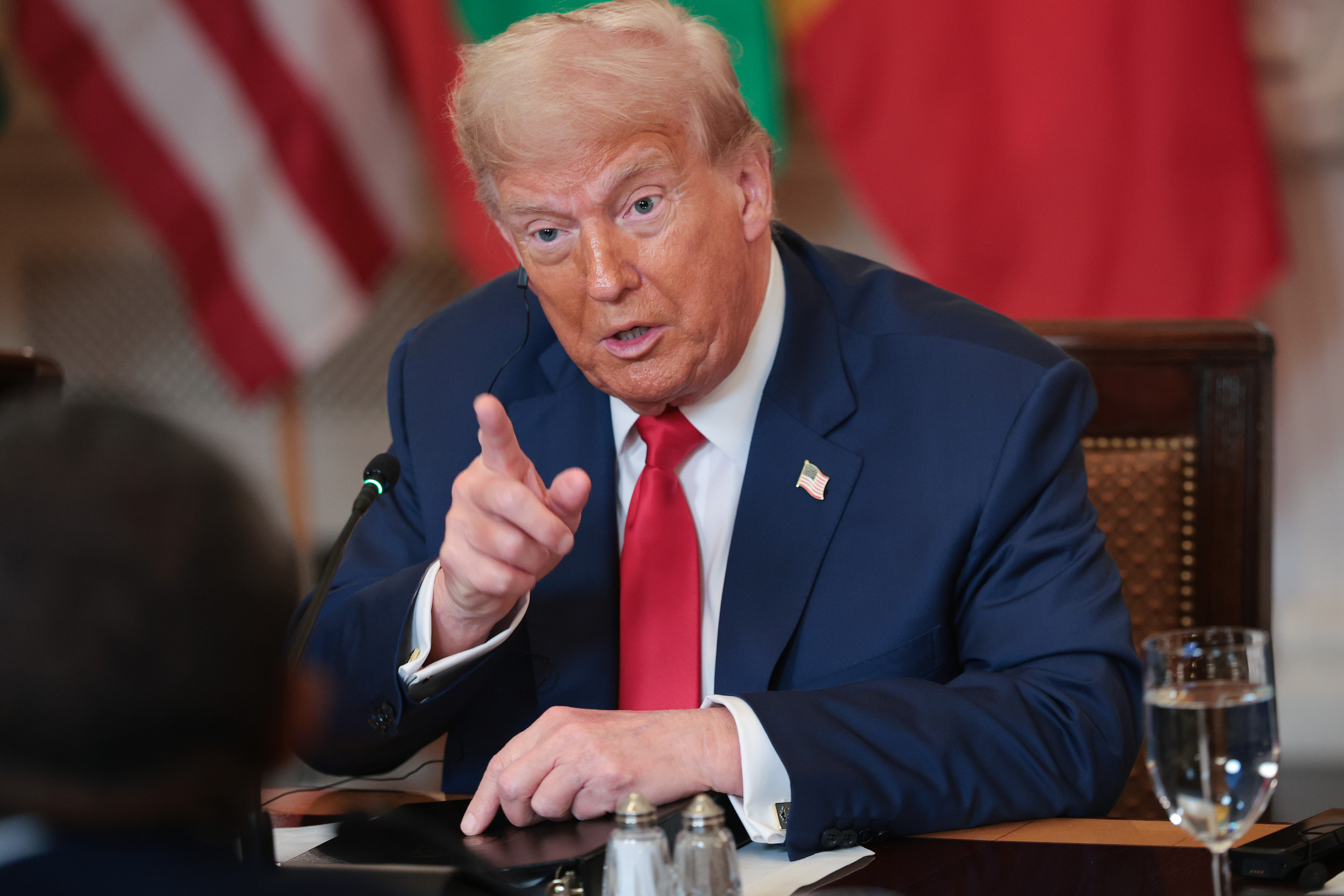
- The Aggressive Point: Unlike many politicians who are taught to point with a closed fist (the "politician’s thumb"), Trump frequently uses a direct index-finger point. While traditionally seen as aggressive, his supporters often view it as a sign of strength and directness.
The Role of AI and Digital Finger Distortion
As we look back from 2026, the term "Donald Trump’s fingers" also holds a technical significance in the world of Artificial Intelligence. During the rapid rise of AI image generators like Midjourney and DALL-E between 2022 and 2024, "fingers" were a notorious weakness for the algorithms.
Why AI Struggled with Fingers
Early AI models frequently struggled to render the correct number of fingers or the correct anatomy of joints. Because Donald Trump was one of the most "prompted" individuals in the world, many AI-generated images of him featured six fingers, webbed fingers, or abnormally long digits.
This led to a specific sub-niche of fact-checking. During the 2024 campaign, several fake images of Trump (such as one showing him praying or another showing him in an arrest photo) were debunked by looking specifically at his fingers. If the fingers looked "melted" or the count was off, it was a dead giveaway of AI generation. Consequently, the "Trump finger" became a benchmark for the public to learn how to identify deepfakes.
Comparative Overview of Hand-Related Incidents
The following table summarizes the key moments where Donald Trump's hands or fingers became the focal point of national media attention.
| Year | Event | Nature of Controversy | Outcome/Resolution |
|---|---|---|---|
| 1988 | Spy Magazine | "Short-fingered vulgarian" insult coined. | Sparked a 30-year obsession/feud with Graydon Carter. |
| 2011 | Wax Figure Measurement | Madame Tussauds measurements leaked. | Hands measured at 7.25 inches (roughly 15th percentile for his height). |
| 2016 | GOP Primary Debate | Marco Rubio's "small hands" joke. | Trump defended his hand size on national television. |
| 2023 | AI Deepfakes | Viral AI images of "Trump's arrest." | Debunked by "finger count" errors in the AI generation. |
| 2024 | E. Jean Carroll Trial | Visible red marks/sores on hand. | Attributed by sources to "paper cuts" from legal documents. |
Media Coverage and Public Fascination
Why does the public care so much about a politician's fingers? Psychologists suggest that "body-focused" attacks are a way for critics to humanize and diminish figures who cultivate an image of invincibility. For Trump’s supporters, his willingness to engage with these critiques (like the 2016 debate defense) is seen as a sign of his authenticity and willingness to fight back against "petty" media narratives.
The media coverage of these events often follows a predictable cycle:
- The Capture: A high-resolution photo captures a physical anomaly.
- The Viral Peak: Social media users create memes and medical theories.
- The Expert Analysis: Dermatologists or body language experts are brought in to provide "context."
- The Campaign Response: A brief, often dismissive explanation is given.
- The Legacy: The incident is added to the long list of "Trump lore" used by both sides to illustrate either his "persecution" or his "unfitness."
FAQs
What were the red marks on Trump's fingers in 2024?
The red marks observed in January 2024 were widely speculated to be blisters, rashes, or sores. Sources close to the Trump campaign later clarified that they were paper cuts resulting from the heavy volume of legal work he was conducting at the time.
How big are Donald Trump's hands?
According to measurements reported by news outlets based on a handprint made at Madame Tussauds, Trump’s hands are approximately 7.25 inches long. This is slightly smaller than the average male hand size for someone of his height (6'3"), though not significantly so.
Why did Graydon Carter call him a "short-fingered vulgarian"?
Graydon Carter used the term in Spy magazine as a satirical jab to provoke Trump. The phrase was designed to mock Trump’s perceived lack of refinement and his sensitivity about his physical appearance.
Do AI images of Trump still have "finger problems"?
By 2026, most advanced AI models have largely solved the "extra finger" issue. However, in 2023 and 2024, distorted fingers were the primary way people identified fake images of the former president.
What does the "pointing finger" gesture mean in his speeches?
In the context of Trump's rhetoric, the index-finger point is a tool for emphasis and dominance. It directs the audience's attention to a specific "enemy" or a specific "win," reinforcing his image as a decisive leader.
Conclusion and Final Considerations
The focus on Donald Trump’s fingers is rarely about the fingers themselves. Instead, it is a reflection of the intense polarization surrounding his figure. For critics, any physical imperfection or perceived "smallness" is a metaphor for a lack of character or capability. For Trump himself, his hands have been a point of pride and a tool for defensive posturing, proving that even the smallest physical details can become massive geopolitical talking points. When viewing news or imagery regarding this subject, it is essential to distinguish between verified physical events (like the 2024 marks) and historical political satire (like the "vulgarian" label) to understand the full context of the narrative.
Image Gallery