Understanding Auto Insurance Costs in Hood River, Oregon
Auto insurance rates in Hood River, Oregon, are influenced by a combination of state-mandated coverage minimums, local risk factors, and individual driver profiles. While Oregon’s average annual premiums often hover near the national m...
Auto insurance rates in Hood River, Oregon, are influenced by a combination of state-mandated coverage minimums, local risk factors, and individual driver profiles. While Oregon’s average annual premiums often hover near the national median, residents in Hood River may see variations based on the city's specific geography, seasonal weather patterns, and the unique statistical risk profile of the Columbia River Gorge region.
Contents
The Foundations of Oregon Auto Insurance Law
To understand your insurance costs, you must first understand what the state requires. Oregon operates under a "fault" system, meaning the driver responsible for an accident is liable for the damages. However, Oregon also requires all drivers to carry Personal Injury Protection (PIP) as part of a "no-fault" component, which covers medical expenses for you and your passengers regardless of who caused the crash.
As of 2026, the mandatory minimum liability insurance requirements in Oregon are:
- Bodily Injury Liability: $25,000 per person and $50,000 per accident.
- Property Damage Liability: $20,000 per accident.
- Personal Injury Protection (PIP): $15,000 per person.
- Uninsured Motorist Coverage: $25,000 per person and $50,000 per accident.
Purchasing only these minimums will result in the lowest possible premium, but it rarely provides adequate protection. If you are found at fault in a serious accident that exceeds these limits, your personal assets could be at risk. Most financial experts recommend "full coverage"—which includes collision and comprehensive insurance—to protect your vehicle and provide higher liability limits.
How Location Affects Your Premium in Hood River
Insurance companies utilize sophisticated actuarial models to determine rates based on "rating territories." Even within Oregon, a resident in a dense urban area like Portland faces different risk factors than a resident in Hood River.
Geographic Risk Factors
Hood River presents unique challenges that insurers weigh when calculating premiums:
- Topography and Climate: The Columbia River Gorge is known for high winds, winter ice, and heavy rain. These conditions increase the statistical probability of fender benders or collisions related to adverse weather.
- Tourism Traffic: As a major destination for windsurfing, skiing at Mount Hood, and tourism, Hood River experiences significant seasonal fluctuations in traffic density. High volumes of transient drivers can influence local accident rates.
- Commuter Patterns: Many residents commute along I-84. The nature of highway driving—higher speeds and heavy truck traffic—contributes to the severity of accidents, which is factored into regional risk assessments.
Personal Factors Beyond Location
While your address helps set the base rate, your individual profile is the primary driver of your specific premium. Insurers look at several personal variables:
- Driving History: This is the most significant factor. Tickets, at-fault accidents, and DUIs remain on your record for three to five years, typically leading to premium spikes.
- Vehicle Type: Newer, high-value, or high-performance vehicles cost more to repair or replace, driving up collision and comprehensive premiums.
- Credit-Based Insurance Score: In Oregon, insurers are permitted to use credit history as a factor in setting rates. A higher credit score often correlates with lower insurance premiums.
- Annual Mileage: If you use your car for long daily commutes or frequent mountain trips, you are statistically more likely to be involved in an incident than someone who drives only occasionally.
Comparing Coverage Tiers
The following table illustrates how different levels of coverage generally influence the structure of your policy. Note that exact dollar amounts vary significantly by carrier and personal driving history.
| Coverage Type | What It Covers | Recommended For |
|---|---|---|
| State Minimum | Legal requirements only | Older vehicles with low cash value |
| Standard Policy | Liability + PIP + Higher limits | Drivers with moderate assets |
| Full Coverage | Liability + Comprehensive + Collision | Newer vehicles or leased cars |
| Full Coverage + Umbrella | Everything above + High liability buffers | High-net-worth individuals |
Strategies to Manage Costs in Hood River
If your insurance premiums feel high, there are several verified ways to adjust your policy or your habits to reduce the financial burden without sacrificing necessary protection.
1. Bundle Your Policies
Most insurance carriers offer a significant discount if you purchase your homeowners, renters, or life insurance through the same company as your auto policy. This "multi-policy" discount is one of the most effective ways to lower your bottom line.
2. Adjust Your Deductibles
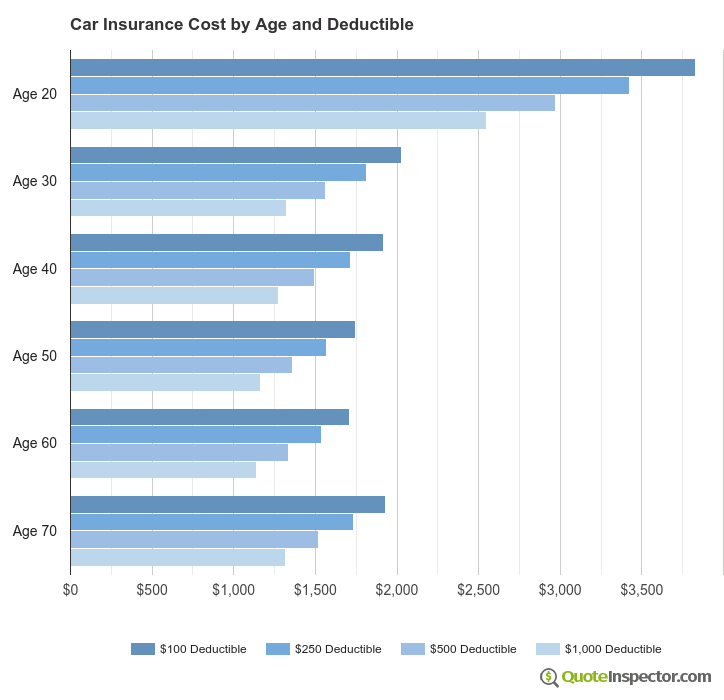
Your deductible is the amount you pay out-of-pocket before insurance kicks in for a claim. If you have a clean driving record and a robust emergency fund, increasing your deductible (e.g., from $500 to $1,000) will lower your monthly premium. Only choose this path if you can comfortably afford the higher out-of-pocket cost in the event of an accident.
3. Review Your Coverage Limits
If you are driving a car that is more than 10 years old, the market value of the vehicle may be low. In some cases, the cost of paying for collision and comprehensive coverage exceeds the benefit of the payout you would receive if the car were totaled. Review your vehicle’s current market value and determine if "full coverage" is still cost-effective.
4. Utilize Usage-Based Insurance
Many modern insurers now offer telematics programs. By installing a device or using an app that tracks your driving habits—such as braking speed, time of day, and mileage—you can earn discounts for "safe driving." For drivers in Hood River who avoid high-traffic hours or drive conservatively, this can result in substantial savings.
Common Pitfalls to Avoid
When shopping for auto insurance, focus on the quality of the company, not just the price. A very cheap policy is often less helpful if the company has a poor reputation for handling claims.
- Ignoring Uninsured Motorist Coverage: Given the high cost of medical care, carry more than the minimum uninsured motorist coverage. It provides a safety net if you are hit by a driver who lacks insurance or carries insufficient limits.
- Gaps in Coverage: Never let your policy lapse. Even a one-day gap can flag you as a "high-risk" driver, causing your future premiums to increase significantly.
- Failing to Shop Around: Insurance rates are not static. It is wise to request quotes from at least three different companies every 24 months to ensure your current carrier remains competitive.
Frequently Asked Questions
Does my zip code in Hood River affect my rates more than my driving record?
No. Your personal driving history—including accidents and traffic violations—is the most significant predictor of your future risk. While your location provides the "base" rate for your region, your driving record is what dictates the final premium adjustment.
Should I carry comprehensive coverage for mountain driving?
Comprehensive coverage is essential if you travel frequently through areas with high wildlife density, such as the backroads near Mount Hood. This coverage pays for damages caused by non-collision events, including animal strikes, falling tree limbs, and extreme weather damage.
Does the age of my vehicle impact my rates?
Yes. Older vehicles are generally cheaper to insure because the cost to replace the vehicle is lower. However, they lack modern safety features like collision-avoidance systems, which may reduce available discounts.
How often should I re-evaluate my policy?
You should review your policy at every renewal period, typically every six or twelve months. Significant life changes, such as moving to a new neighborhood, adding a teen driver, or paying off your vehicle, are also perfect times to reach out to your agent.
Are there specific discounts for Oregon residents?
Beyond standard industry discounts, some insurers offer specific incentives for residents who demonstrate defensive driving skills or participate in voluntary driver-training courses approved by the Oregon Department of Transportation.
What is the first step if I want to switch carriers?
Before canceling your existing policy, verify the quote from your new provider in writing. Ensure that the new policy is active before letting your current one expire to avoid a coverage gap.
Next Actions
If you are looking to optimize your insurance costs, start by requesting your current "Declarations Page" from your insurance provider. This document lists all your current coverages and limits. Once you have this, compare it against quotes from at least two other reputable national or regional insurers. Ensure you are comparing "apples to apples" by requesting identical liability limits and deductibles across all quotes. If you find a better price, ask your current agent if they can match it before moving your coverage.
Image Gallery