Is 5100 150 Auto Insurance the Right Policy for You?
A policy formatted as 50/100/50 or 50/100/15 (often searched as 5100 150 auto insurance) provides moderate liability protection: $50,000 for bodily injury per person, $100,000 total bodily injury per accident, and $50,000 (or $15,000)...
A policy formatted as 50/100/50 or 50/100/15 (often searched as 5100 150 auto insurance) provides moderate liability protection: $50,000 for bodily injury per person, $100,000 total bodily injury per accident, and $50,000 (or $15,000) for property damage. It offers greater financial protection than minimum state requirements, making it a viable, cost-effective option for drivers with modest assets.
Contents
Understanding Split Limit Coverage: What "5100 150" Means
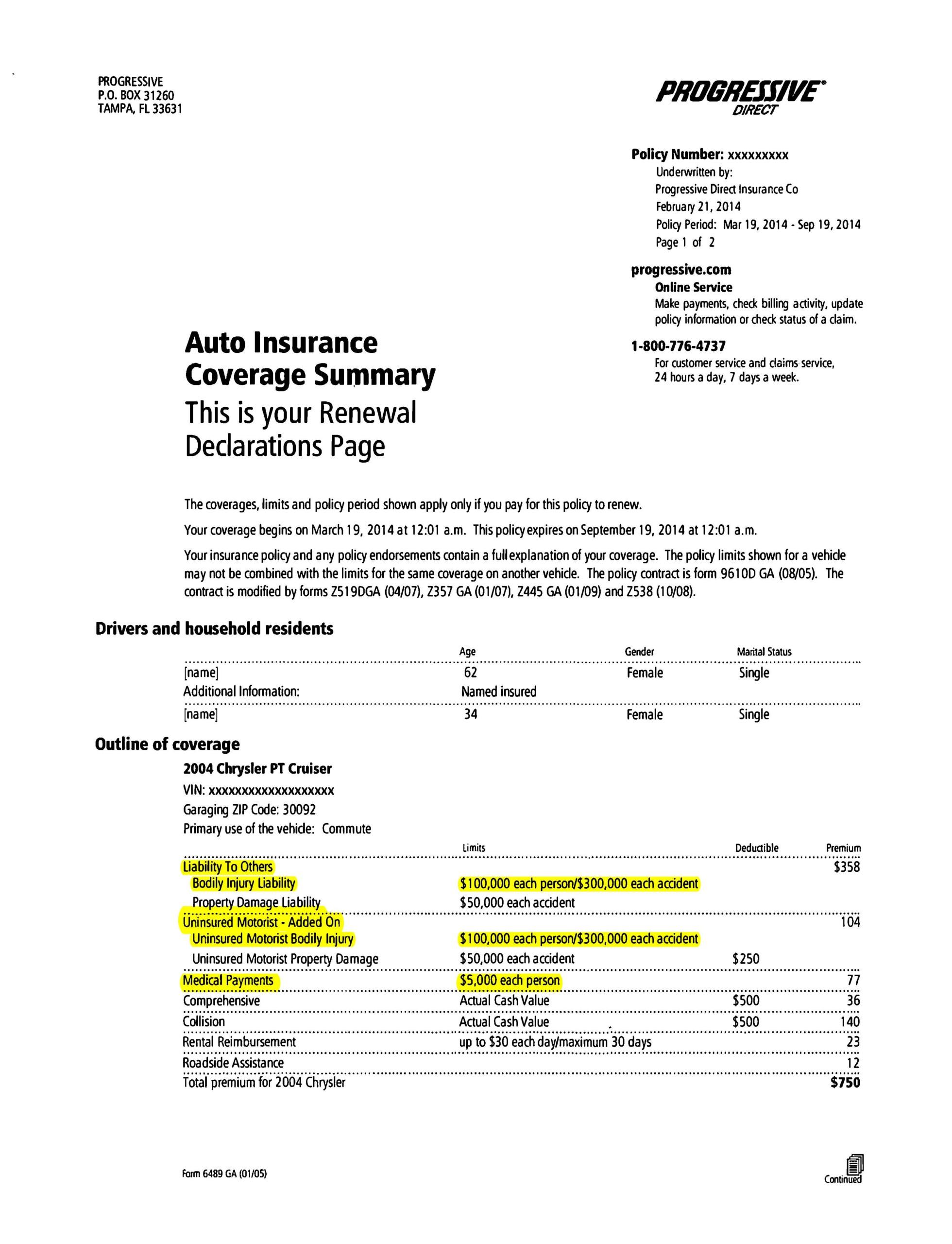
When shopping for vehicle insurance, shorthand numerical notation like "50/100/50" or "50/100/15" represents split liability limits. Insurance companies structure liability coverage into three distinct caps that dictate the maximum dollar amount an insurer will payout if you are responsible for an accident. Understanding how these limits function helps prevent costly gaps in financial protection.
Liability insurance does not cover damages to your own vehicle or your own physical injuries; rather, it pays for the medical bills, lost wages, pain and suffering, and property repair costs of other parties involved in a collision caused by your vehicle.
The three numbers in a 50/100/50 (or 50/100/15) split limit policy break down as follows:
- $50,000 Bodily Injury Liability Per Person: This is the maximum amount your insurance carrier will pay for injuries suffered by a single individual in an accident you cause. If one person sustains $40,000 in medical bills, your insurer covers the full amount. However, if their medical claims total $70,000, your insurer pays $50,000, leaving you personally responsible for the remaining $20,000.
- $100,000 Bodily Injury Liability Per Accident: This represents the absolute maximum payout for all medical claims combined across every injured person in a single accident, regardless of how many people are hurt. If three people in another car incur $40,000 each in medical costs (totaling $120,000), the policy caps total payout at $100,000.
- $50,000 (or $15,000) Property Damage Liability: The final figure indicates the maximum coverage available to repair or replace property damaged in an accident. This primarily covers the other driver's automobile, but it also applies to structures such as guardrails, light poles, store fronts, or residential fences.
Drivers comparing policy options can evaluate standard educational resources through the Insurance Information Institute to see how regional cost variations affect split limit liability selections.
State Minimums vs. Mid-Tier vs. High-Limit Auto Policies
To decide whether a 50/100/50 or 50/100/15 split policy provides adequate protection, it helps to compare mid-tier coverage against minimum legal requirements and higher-tier protection standards.
State mandatory minimums vary across the United States. Many states require limits as low as 25/50/25 or even 15/30/10. While purchasing minimum liability keeps you legal on the road at the lowest monthly premium, it leaves drivers exposed to severe financial loss in moderate-to-severe crashes. On the other hand, robust policies offering 100/300/100 or 250/500/100 limits provide superior financial insulation for homeowners and individuals with significant savings.
| Policy Level | Bodily Injury (Per Person) | Bodily Injury (Per Accident) | Property Damage | Best Suited For | Risk Level |
|---|---|---|---|---|---|
| State Minimum (e.g., 25/50/25) | $25,000 | $50,000 | $25,000 | Drivers with minimal assets, older low-value cars | High risk of out-of-pocket costs |
| Mid-Tier (50/100/50 or 50/100/15) | $50,000 | $100,000 | $50,000 / $15,000 | Budget-conscious drivers with modest savings | Moderate financial risk |
| High Limit (100/300/100) | $100,000 | $300,000 | $100,000 | Homeowners, higher earners, families | Low financial risk |
| Umbrella-Ready (250/500/100) | $250,000 | $500,000 | $100,000 | High-net-worth individuals, property owners | Minimal personal risk |
Financial Exposure Under Split Limits
The central tradeoff between these policy structures is balancing premium costs against potential personal liability. In multi-vehicle accidents or crashes involving modern luxury vehicles equipped with advanced driver-assistance systems (ADAS), repair costs routinely exceed $15,000 or $25,000.
If your policy features a $15,000 property damage cap and you cause an accident that totals a $45,000 sedan, the insurer pays $15,000 and the victim's insurance company (or the victim directly) can sue you for the remaining $30,000. Selecting a policy with at least $50,000 in property damage liability significantly reduces this risk.
Is a 50/100/50 Policy Sufficient for Your Situation?
Determining whether 50/100/50 coverage is adequate depends heavily on your net worth, income level, personal vehicle usage, and overall risk tolerance.
Determining Policy Suitability:
- Modest Assets:
- Renters or low savings
- Older or paid-off car
- Single commuter
- SUITABLE: 50/100/50 (Balances cost & basic safety)
- High Net Worth:
- Homeowners / High savings
- Leased / Financed vehicle
- Family / Multiple drivers
- RECOMMENDED: 100/300/100 (Includes Umbrella protection)
Who Should Consider a 50/100/50 Policy?
- Drivers with Modest Net Worth: If you do not own real estate and have limited personal savings, your exposure to judgment liens or wage garnishments is lower than that of high-net-worth individuals.
- Budget-Conscious Commuters: For motorists who need double the coverage of state minimums without paying the premium spikes associated with top-tier liability policies, 50/100/50 acts as a pragmatic middle ground.
- Owners of Older, Paid-Off Vehicles: If your vehicle has lost significant market value, pairing 50/100/50 liability with basic comprehensive coverage creates a balanced insurance package.
Who Should Choose Higher Limits?
- Homeowners and Asset Holders: A single serious injury claim can lead to legal judgments against equity in your home, investment accounts, or future earnings.
- Parents of Teenage Drivers: Young or inexperienced drivers statistical face higher crash rates. Carrying higher limits (such as 100/300/100) shields family assets from devastating claims.
- Frequent Highway Commuters or Carpoolers: Carrying multiple passengers increases the likelihood of cumulative bodily injury claims that easily blow past a $100,000 per-accident cap.
Key Components to Pair With Liability Coverage
Liability insurance only covers injuries and damage you cause to others. To build comprehensive vehicular protection, insurance buyers should evaluate additional policy components alongside their chosen split limit liability.
Complete Auto Policy Framework:
- Liability Coverage:
- Bodily Injury (50/100)
- Property Damage (50 or 15)
- First-Party Protection:
- Collision Coverage
- Comprehensive Coverage
- UM / UIM Motorist
- MedPay / PIP
1. Collision and Comprehensive Coverage
- Collision Coverage: Pays for damage to your own car resulting from an impact with another vehicle or object (such as a tree, guardrail, or rollover accident), regardless of fault.
- Comprehensive Coverage: Covers non-collision incidents, including vehicle theft, vandalism, falling objects, weather damage (hail, floods), and collisions with animals.
2. Uninsured and Underinsured Motorist (UM/UIM) Coverage
According to national insurance statistics compiled by the National Association of Insurance Commissioners (NAIC), millions of drivers operate vehicles without valid insurance or carry only minimum limits. UM/UIM protection covers your medical bills and property damage if you are struck by an uninsured driver or a motorist whose liability limits are exhausted. Matching your UM/UIM limits to your liability limits (e.g., 50/100 UM/UIM) protects your household budget from hit-and-run incidents.
3. Personal Injury Protection (PIP) and Medical Payments (MedPay)
- Medical Payments (MedPay): Helps pay immediate medical and funeral expenses for you and your passengers after an accident, regardless of who caused it.
- Personal Injury Protection (PIP): Mandatory in no-fault insurance states, PIP extends beyond medical bills to cover lost wages, rehabilitation costs, and essential service replacement (e.g., childcare or housework) during recovery.
Calculating Your Personal Liability Needs
Evaluating insurance adequacy requires measuring your total financial exposure against potential loss scenarios. Insurance experts generally recommend maintaining enough liability protection to match your total net worth.
Target Liability Coverage Requirement:
- Total Savings & Checking
- Home Equity (Property Value - Mortgage Owed)
- Investments & Future Income
Step-by-Step Asset Calculation:
- Sum Your Liquid Assets: Add up checking accounts, savings, certificates of deposit (CDs), and taxable brokerage accounts.
- Calculate Home Equity: Subtract your remaining mortgage balance from your home's current market value.
- Factor in Vehicle Value and Additional Real Estate: Include equity in second properties, boats, or recreational vehicles.
- Compare Against Policy Caps: If your combined net worth exceeds $50,000, a 50/100/50 liability limit leaves your personal assets exposed in a catastrophic accident.
Vehicle Cost Inflation Trends
Modern vehicular design trends have significantly increased repair costs. The widespread integration of complex features—such as bumper-integrated radar sensors, LED headlight assemblies, and electric vehicle battery packs—means even low-speed fender benders often cost over $10,000 to repair.
If you carry a low property damage limit of $15,000, hitting a luxury sedan or modern electric vehicle can easily exhaust your policy limit, leaving you personally liable for the remaining balance. Selecting a policy with at least $50,000 in property damage liability offers far better protection against modern vehicle repair bills.
Common Mistakes When Selecting Auto Insurance Limits
Avoiding common coverage pitfalls ensures your insurance policy responds effectively when an accident occurs.
- Choosing 50/100/15 Instead of 50/100/50 to Save Marginal Costs: Lowering property damage limits from $50,000 to $15,000 often saves only a few dollars per month on your premium, yet dramatically elevates your financial exposure to vehicle repair claims.
- Assuming Liability Covers Your Own Car: A common misconception among policyholders is believing that liability-only coverage pays for their vehicle repairs after an fault crash. Collision coverage is required to repair your own vehicle.
- Failing to Update Policy Limits as Assets Grow: Drivers often buy entry-level or mid-tier policies early in life and fail to increase their coverage limits after purchasing a home, receiving promotions, or building significant savings.
- Overlooking Umbrella Insurance Requirements: Umbrella policies provide secondary liability protection (typically starting at $1,000,000), but standard guidelines require underlying auto liability limits of at least 100/300/100 or 250/500/100 before umbrella coverage applies.
Frequently Asked Questions
What does 50/100/50 mean in an auto insurance policy?
It represents split liability limits: up to $50,000 for bodily injury per person, up to $100,000 total for bodily injury per accident, and up to $50,000 for property damage caused to others in an fault collision.
Is 50/100/50 auto insurance considered full coverage?
No. The phrase "full coverage" typically refers to a policy that combines bodily injury and property damage liability with comprehensive and collision coverages to protect your own vehicle. A 50/100/50 policy refers only to your liability limits.
Why is a 15 property damage limit ($15,000) risky?
The average price of new vehicles and the high cost of replacement technology mean that multi-car crashes or damage to high-end automobiles routinely exceed $15,000. If repair bills exceed your property damage cap, you are personally responsible for paying the difference out-of-pocket.
How much more does 100/300/100 coverage cost compared to 50/100/50?
Increasing limits from 50/100/50 to 100/300/100 typically increases monthly premiums by modest amounts—often around 10% to 20% total—because the bulk of insurance administrative costs and basic risk coverage are already baked into the base premium.
Does a 50/100/50 policy pay for my medical bills if I am at fault?
No. Liability insurance only pays for medical expenses incurred by drivers or passengers in other vehicles, or pedestrians you hit. To cover your own medical bills regardless of fault, you need Personal Injury Protection (PIP) or Medical Payments (MedPay) coverage.
Practical Recommendations & Next Actions
If you are currently reviewing your car insurance coverage or deciding whether a 50/100/50 policy suits your financial situation, follow these steps to optimize your protection:
- Conduct a Quick Asset Audit: Calculate your liquid savings, home equity, and investment balances. If your total net worth exceeds $50,000, request quotes for 100/300/100 coverage alongside 50/100/50 quotes to compare the exact price difference.
- Upgrade Property Damage to At Least $50,000: If your policy currently sits at 50/100/15, contact your agent or carrier to increase the property damage cap to $50,000. The premium difference is usually negligible compared to the added asset protection.
- Verify Uninsured Motorist Matching: Ensure your Uninsured/Underinsured Motorist (UM/UIM) limits match your bodily injury limits ($50,000 per person / $100,000 per accident) to safeguard your own medical expenses if struck by an uninsured driver.
- Re-evaluate Every 12 Months: Review your coverage limits annually during your policy renewal to ensure your protection keeps pace with your growing income, home equity, and changing family needs.
Image Gallery